Key Highlights
- Pranayama Breathwork Techniques uses a structured breathing technique to guide your life force through the body.
- The benefits of pranayama include steadier mental health, better focus, and more balanced energy levels.
- These practices come from yoga and go beyond casual breathing exercises through clear breath control.
- Common methods include ocean breath, alternate nostril breathing, bee breath, and skull shining breath.
- Beginners should start slowly, on an empty stomach, in a quiet space, with safety in mind.
Introduction
If you want a simple way to feel calmer, clearer, and more energized, Pranayama Breathwork Techniques is a great place to begin. This part of yoga practice focuses on breath control, but it is not just about taking bigger breaths. It helps you use your breath with purpose. That can support your mood, focus, and daily rhythm. The best part? You do not need much to start. A quiet moment and steady practice can take you far.
Understanding Pranayama Breathwork Techniques
Pranayama breathing is a yogic method of working with your breath to influence life energy. The word pranayama comes from Sanskrit. Prana refers to subtle life energy, and ayama means to regulate, control, or lengthen.
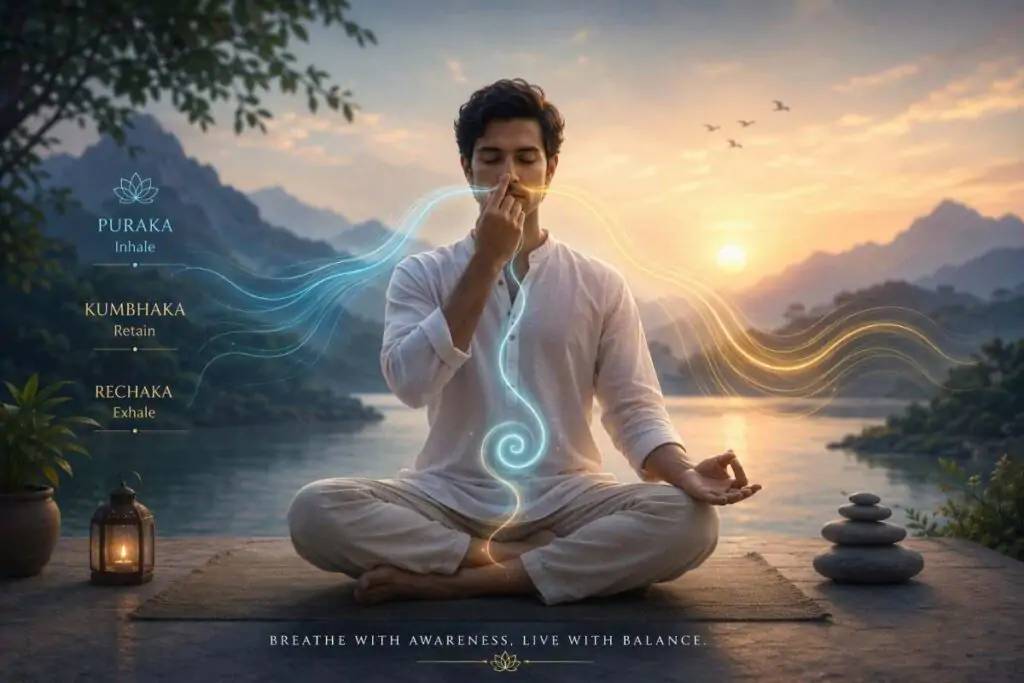
Unlike simple breathing drills, many types of Pranayama Breathwork Techniques follow a specific pattern of inhalation, exhalation, and sometimes breath control through retention. These methods are closely tied to ancient yoga practices, which gives them a deeper role than basic breath awareness. That foundation helps explain the method behind the practice.
The Origins and Connection to Ancient Yoga Practices
Pranayama is not a modern wellness trend. It is rooted in ancient yoga practices that viewed breath as a bridge between body, mind, and subtle energy. In this tradition, prana is the life force that supports both physical life and deeper awareness.
Within yogic practice, Pranayama Breathwork Techniques holds an important place. It is linked with ashtanga yoga, where it is understood as one of the limbs of yoga. That means it is part of a larger system, not a stand-alone trick for relaxation.
This connection matters for you as a beginner. When you practice pranayama, you are joining a long tradition that uses the breath with intention. It supports stillness, focus, and inner balance. That is how pranayama connects so clearly to ancient yoga practices and why many people treat it with care and respect.
How Pranayama Differs from Other Yoga Breathing Exercises
At first glance, Pranayama Breathwork Techniques may look like other breathing exercises used in yoga class. You inhale, exhale, and try to relax. But pranayama is usually more structured. It often uses exact rhythms, nostril patterns, or throat control to shape the breath in a specific way.
You may notice this during asana practice, where a yoga teacher asks you to breathe steadily while moving. That kind of yogic breathing helps support posture and flow. Pranayama, by contrast, places the breath itself at the center of attention.
So how do pranayama techniques differ from other yoga breathing exercises? They are less casual and more method-based. The goal is not only comfort during movement. It is also to regulate energy, settle the mind, and build deeper awareness through consistent, intentional breath patterns.
Key Benefits of Practicing Pranayama
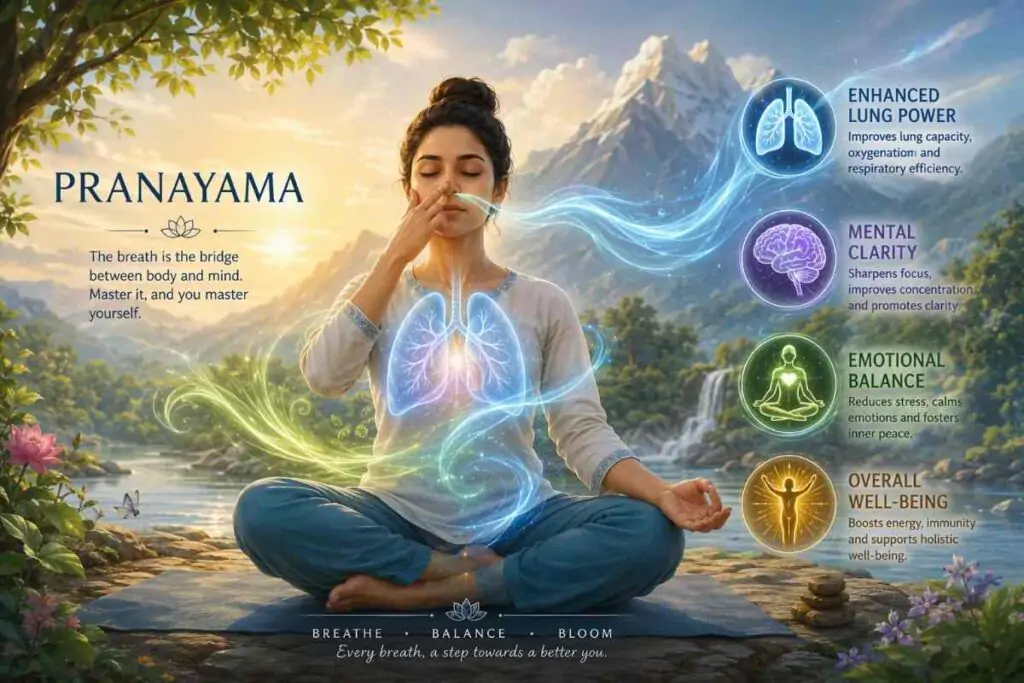
The benefits of Pranayama Breathwork Techniques can show up in both body and mind. Regular practice may support lung capacity, steadier heart rate, healthier blood pressure, and smoother movement through the body’s energy channels. You may also feel more awake and emotionally settled.
Just as important, pranayama can sharpen mental clarity and improve focus. That makes it useful when your mind feels crowded or dull. If you are wondering what the main benefits of Pranayama Breathwork Techniques are, the next two sections break them down in simple terms.
Physical Health Improvements Through Breathwork
One of the clearest physical effects of Pranayama Breathwork Techniques is better breathing efficiency. With regular practice, your lung capacity and lung function may improve. That can help your respiratory system work with less strain during daily life.
Slow, controlled breathing can also support a calmer physical state. Nasal breathing and longer exhalation patterns may help settle heart rate and encourage healthier blood pressure. When your body is not rushing, it often feels safer and more balanced.
So what are the main benefits of Pranayama Breathwork Techniques for physical health? It may help you breathe more fully, feel less tense, and support overall vitality. Some techniques are energizing, while others are soothing. Used wisely, they can help your body feel stronger without adding force or pressure to your routine.
Mental Focus and Emotional Balance
Your breath has a direct effect on how you feel. When breathing becomes slow and steady, the nervous system tends to soften. That is one reason pranayama is often used for stress relief, emotional balance, and a calmer state of mind.
Research mentioned in the source material points to an important pattern: deep breathing can improve well-being and help reduce anxiety and depression. It may also increase alertness while helping you feel relaxed. That mix is useful when you want mental clarity without feeling wired.
Can Pranayama Breathwork Techniques help improve mental focus? Yes, it can. Techniques such as alternate nostril breathing are often used to calm mental noise and support concentration. Many people also find that regular breath practice helps them manage negative feelings before those feelings start running the day.
Common Types of Pranayama Breathwork Techniques
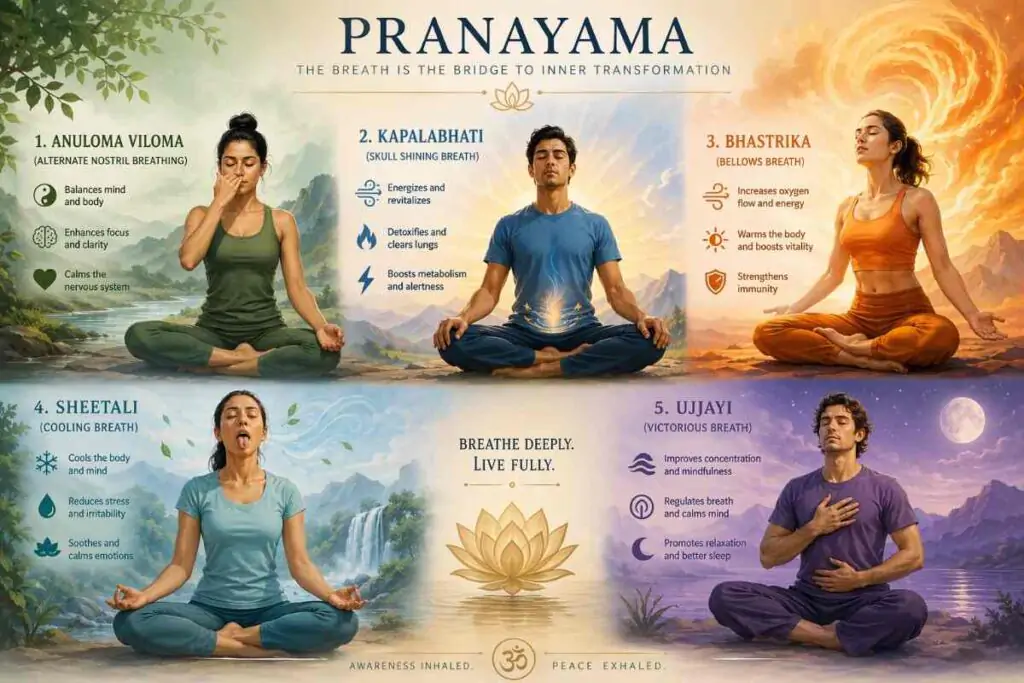
If you are new to this space, start with a few classic methods. The most common types of pranayama include Ujjayi, Nadi Shodhana, Bhramari, and Kapalabhati. Each breathing technique has its own rhythm, purpose, and effect on the mind and body.
These types of Pranayama Breathwork Techniques are often chosen based on what you need most. Want calm? Want focus? Want a lift in energy? That is where the details matter. The next sections explain what the most common types of pranayama breathwork techniques actually feel like in practice.
Ujjayi (Ocean Breath)
Ujjayi breath is one of the most recognized forms of pranayama. It is often called ocean breath because of the soft sound created in the throat. You may also hear it called victorious breath.
In ujjayi pranayama, you gently narrow the throat as you inhale and exhale through the nose. This creates a steady, wave-like sound. The pace is slow, smooth, and controlled, which makes it a useful tool for developing breath control.
Many people use ocean breath during yoga movement, but it can also be practiced on its own. It is known for helping manage too many thoughts and creating a more centered state. If your mind feels scattered, ujjayi breath can give you something simple and steady to follow without making the practice feel complicated.
Nadi Shodhana (Alternate Nostril Breathing)
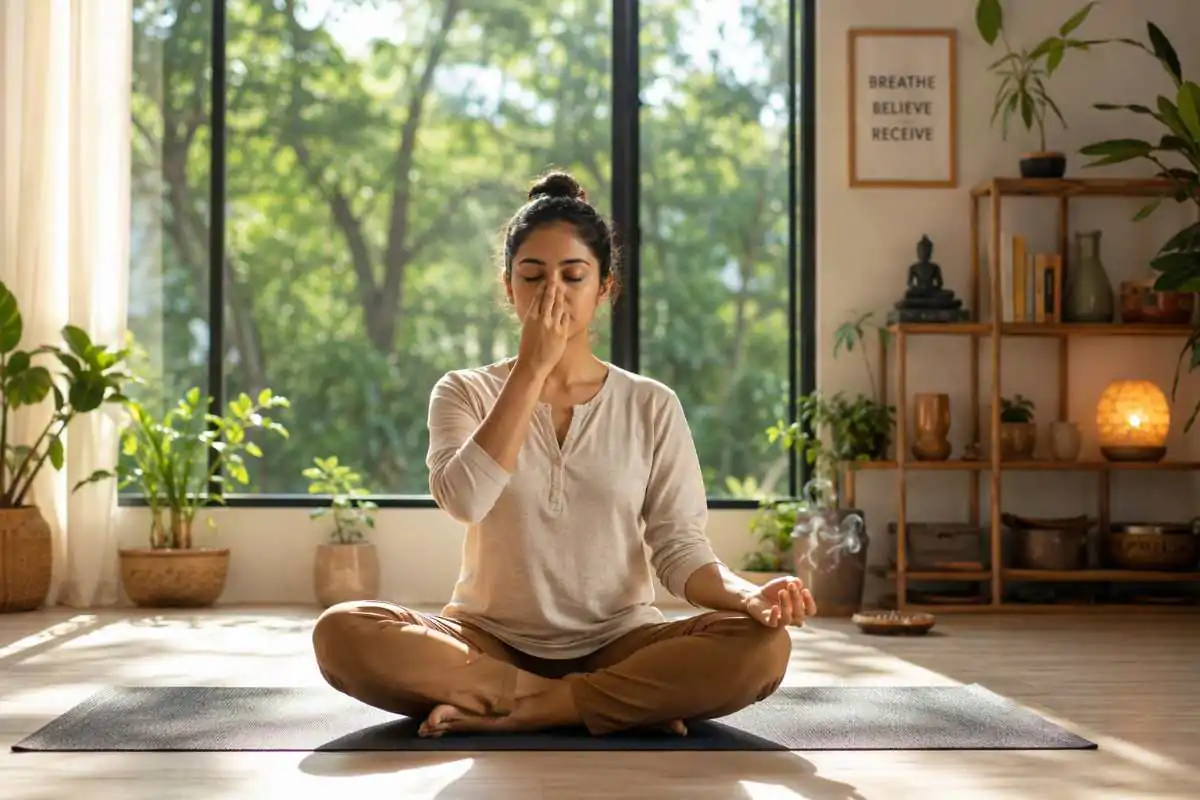
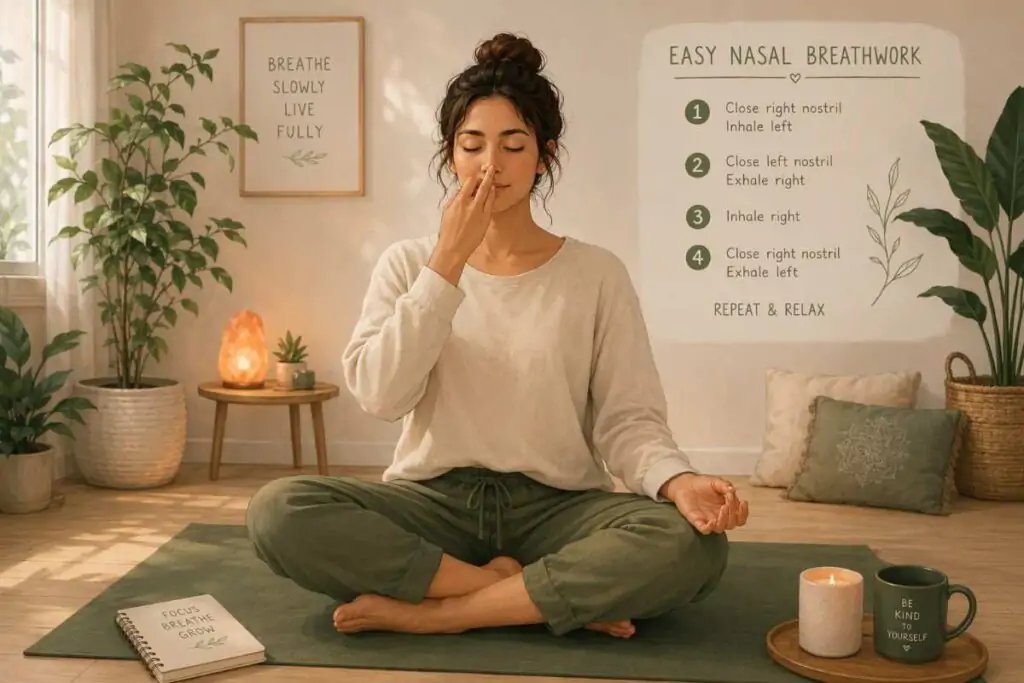
Nadi shodhana is often one of the easiest techniques for beginners to understand. It is also called alternate nostril breathing or nadi shodhan. In this method, you breathe through one nostril at a time in a set pattern.
Usually, you use your fingers to guide the flow. One side closes while you inhale through the other, then you switch. You may use the ring finger to help close the left nostril and another finger to close the right nostril, depending on the hand position you learn.
This practice is known for its calming effect. It helps quiet mental overload and prepare you for meditation. Because alternate nostril breathing works slowly and evenly, many people use five to nine rounds when they want more focus, steadier emotions, and a smoother transition into a settled state.
Bhramari (Humming Bee Breath)
Bhramari pranayama is often called humming bee breath or simply bee breath. It is a soothing practice where you inhale deeply and make a gentle humming sound as you exhale. The sound vibration becomes the center of the exercise.
This technique can feel especially helpful when your thoughts are racing. The humming sound gives your mind one clear point of attention, which may help reduce mental chatter. It is also described as useful for people dealing with insomnia or hypertension.
If you want a simple calming method, humming bee breath is a strong choice. You do not need a complex pattern. You just need a peaceful spot, an easy inhale, and a long humming exhale. That combination can make the whole system feel quieter, softer, and easier to manage.
Kapalabhati (Skull Shining Breath)
Kapalabhati, also known as skull shining breath, is a more active Pranayama Breathwork Techniques. In this practice, the inhale is passive while the exhale is active and forceful. That sharp exhalation gives the method its strong, cleansing feel.
People often connect kapalabhati with clearing energy channels and supporting the body’s natural detox process. It is also linked with improved lung function and a more awake mental state. Because of its energizing effect, it is best avoided at night.
It helps to know that skull shining breath is not the same as bellows breath, even though both are active. Kapalabhati emphasizes repeated forceful exhalations rather than equally strong inhales and exhales. As a beginner, go slowly and pay attention to safety, especially if you have high blood pressure or heart concerns.
Beginner’s Guide: What You Need to Start Pranayama
Starting a pranayama practice does not require much. You need a comfortable seat, a quiet setting, and a little time when you are not rushed. It is also best to practice on an empty stomach so your breath can move more easily.
If you are unsure where to begin, learning from a yoga teacher can make the process simpler and safer. A good teacher can help you choose the right method and pace. The next sections show how a beginner can start practicing pranayama safely at home.
Choosing a Comfortable Practice Space
Where you practice matters more than you may think. A quiet place helps you notice your breath without extra distraction. You do not need a special studio. A small corner of your home can work well if it feels clean, calm, and easy to return to each day.
Your body also needs support. Choose a comfortable seat that lets you stay upright without strain. When your posture is steady, it becomes easier to stay in the present moment and follow the breath naturally.
Keep these basics in mind:
- Pick a quiet place where outside noise is limited.
- Use a chair, cushion, or mat that gives you a comfortable seat.
- Choose a time when you can settle into the present moment without rushing.
A simple setup often works better than an elaborate one. Comfort and consistency matter most.
Basic Equipment and Resources for Home Practice
You do not need much equipment for home practice. In most cases, a cushion, yoga mat, or stable chair is enough. The real goal is to support an upright, relaxed position so you can stay with the breathing technique comfortably.
Still, guidance matters. A yoga teacher can help you understand pacing, posture, and what a technique should feel like. That is useful because pranayama is not just random deep breathing. It follows methods that work best when learned clearly.
If you are gathering practice resources, keep them simple. Choose a quiet spot, a seat that feels steady, and one or two techniques you can repeat. Home practice works best when it feels approachable. Start small, stay consistent, and let the quality of attention matter more than having lots of gear.
Step-by-Step Guide: How to Practice Pranayama Safely
Safe Pranayama Breathwork Techniques starts with patience. You do not need advanced breath control on day one. Begin with easy patterns, steady posture, and relaxed deep breaths through the nose. Let comfort guide the process, not pressure.
It also helps to build your routine in clear steps. That way, you can notice how your body responds and avoid overdoing it. If you have wondered how a beginner can start practicing pranayama safely, the next four steps offer a simple path you can actually follow.
Before you begin, give yourself a moment to arrive. Sit down, soften your shoulders, and let your attention settle. Pranayama Breathwork Techniques works best when you are not rushing from task to task. This short pause helps create mental clarity before the technique even begins.
Physical preparation matters too. The source material recommends practicing on an empty stomach. That can make breathing feel easier and less restricted. If you feel heavy, distracted, or tense, take a few quiet moments first.
Try this simple prep:
- Sit comfortably and bring your awareness into the present moment.
- Practice on an empty stomach when possible.
- Take a few natural breaths before starting any formal technique.
These small actions help your mind and body work together. A calm beginning often leads to a steadier practice.
Step 2: Learning the Right Technique and Breath Control
Once you are settled, choose one breathing technique rather than trying everything at once. Ujjayi, nadi shodhana, or bhramari can be easier starting points because they are gentler and easier to follow than more forceful methods.
Focus on simple breath control first. That means paying attention to the length and texture of the inhale and exhale. You are not trying to prove anything. You are learning how the breath behaves when it is guided with care.
This is where yoga practice becomes useful as a framework. Pranayama asks for consistency, not speed. Learn one method well, notice how it affects you, and keep the rhythm smooth. As your confidence grows, your breathing technique will start to feel more natural and less mechanical.
Step 3: Practicing with Awareness and Mindfulness
Technique matters, but awareness matters just as much. As you practice, keep noticing what is happening in real time. Is the breath smooth? Does the body feel tense? Are you staying in the present moment, or drifting into distraction?
Mindfulness helps prevent strain. Instead of pushing harder, you respond to what you feel. That makes Pranayama Breathwork Techniques a useful support for mental health because it trains you to notice internal shifts early, before stress starts building momentum.
You do not need a dramatic experience for the practice to work. Quiet awareness is enough. Stay with the sound, sensation, or rhythm of each breath. When attention wanders, gently return. Over time, this steady mindfulness can make your practice feel less like a task and more like a reliable place to reset.
Step 4: Monitoring Progress and Adjusting Routine
Progress in pranayama is often subtle at first. You may notice steadier energy levels, less mental clutter, or easier breathing during the day. These signs matter, even if they seem small. They show that your system is responding.
That is why monitoring helps. Pay attention to when you practice, how long you practice, and how you feel afterward. Some techniques are calming, while others are energizing. The timing and choice can shape your experience.
Regular Pranayama Breathwork Techniques practice works best when it fits your actual life. If a method feels too intense, shorten the session or switch to a gentler one. If you feel more focused after morning rounds, keep that slot. Adjusting your routine is not failure. It is part of building a steady, useful pranayama practice that lasts.
Precautions and Safety Tips for Beginners
Before you begin, know that not every technique suits every person. Some methods involve breath retention or forceful exhalation, which may not be appropriate if you have high blood pressure, heart problems, or certain other conditions. Safety tips matter from the start.
Gentler practices are usually the better first step. If anything feels sharp, stressful, or dizzying, return to normal breathing and stop. The next sections answer what precautions you should take before practicing pranayama techniques and what mistakes beginners often make.
Who Should Consult a Doctor Before Practicing
Some people should speak with a doctor before starting pranayama, especially if they plan to try more active practices. This matters most for those with high blood pressure that is not controlled by medication, serious heart problems, or recent major surgery.
The source material also lists pregnancy and glaucoma, or other conditions involving increased eye pressure, as times to avoid forceful techniques such as bellows breath and skull shining breath. These methods can place too much strain on the system.
If you live with respiratory conditions, it is wise to be careful as well. Pranayama Breathwork Techniques may still be useful, but the right technique and intensity matter. When health concerns are present, getting guidance first can help you choose a safer starting point and avoid methods that are too stimulating.
Common Mistakes to Avoid During Pranayama
Many beginners think harder is better. It is not. Forcing deep breathing, rushing the rhythm, or copying advanced breath retention too soon can make the practice uncomfortable. Pranayama should feel attentive and steady, not aggressive.
Another common mistake is choosing the wrong technique for the time of day. Energizing methods may not suit nighttime. Practicing without an empty stomach can also make breathing feel heavy or restricted.
Watch out for these habits:
- Forcing deep breathing instead of letting the breath stay smooth.
- Trying breath retention without proper guidance.
- Doing intense methods too often instead of building regular pranayama practice gradually.
Steady progress comes from consistency. Keep the breath comfortable, respect your limits, and let regular pranayama practice grow step by step.
Pranayama Techniques for Stress Relief
When stress builds up, simple Pranayama Breathwork Techniques can help shift your state. Slower methods are usually best for stress relief because they calm the body and support relaxation without creating extra stimulation. That makes them easy to use at home.
Good options include alternate nostril breathing, humming bee breath, and gentle ocean breath. These can also prepare you for meditation practice by settling mental noise first. The next sections cover which pranayama techniques are best for stress relief and how to use simple exercises at home.
Simple Exercises for Relaxation at Home
You do not need a long session to feel a change. A few minutes of the right technique can support relaxation at home. If you want better sleep or a calmer evening, choose softer practices rather than energizing ones.
Alternate nostril breathing is helpful when your thoughts are crowded. Humming bee breath can quiet mental buzzing. Gentle ocean breath gives you a steady rhythm to follow. Each one supports breath control without needing a complicated setup.
Try these easy options:
- Practice alternate nostril breathing for five to nine rounds.
- Use humming bee breath when you need quick relaxation.
- Try gentle ocean breath for slow, even deep breathing before rest.
These simple practices can fit into daily life. Used consistently, they may help you unwind, settle your mind, and ease into better sleep.
Combining Pranayama with Meditation for Enhanced Calm
Pranayama and meditation practice work well together because the breath can prepare the mind for stillness. If you try to meditate when your thoughts are racing, it may feel frustrating. A few rounds of calming breath first can make a big difference.
Alternate nostril breathing is often used this way. It helps center the mind and may create a smoother transition into the present moment. Once the breath steadies, sitting quietly often feels less effortful and more natural.
This combination can be especially helpful for mental health and relaxation. The breath gives you an active way to release tension, while meditation lets that calm deepen. You do not need a long routine. Even a short breath practice followed by a few quiet minutes can help you feel more settled.
Pranayama for People with Respiratory Conditions
Pranayama breathing may be suitable for some people with respiratory conditions, but the approach should be careful. The goal is to support lung function without adding strain. That usually means choosing slower, gentler methods and avoiding forceful techniques unless a professional says otherwise.
Your response during practice matters more than the name of the method. If the breath feels smooth and calm, that is a good sign. The next sections explain suitable options, useful modifications, and signs that tell you to stop and reset.
Suitable Techniques and Modifications
If you have respiratory conditions, gentle pacing is essential. Not all types of pranayama will feel the same. Slower methods may support lung function more comfortably, while stronger practices can be too intense for some people.
Simple modifications can make a big difference. Shorter rounds, softer inhales, and no forceful exhalation are often more manageable. The aim is ease, not effort. That helps your body stay relaxed while you learn how it responds.
| Technique | How it may fit | Helpful modifications |
|---|---|---|
| Nadi Shodhana | Often calming and steady | Keep rounds short and breathe gently through each nostril |
| Ujjayi | Useful for smooth rhythm | Make the throat sound very soft and avoid strain |
| Bhramari | Can quiet the mind and lengthen exhalation | Keep the humming sound easy, not loud |
| Kapalabhati | Often too active for sensitive lungs | Avoid unless you have proper guidance and feel fully comfortable |
Signs to Watch Out For During Practice
Your body gives feedback quickly during breath practice. The key is listening. If pranayama is helping, your breath should feel smoother, not more forced. Your energy levels may settle or brighten, but the change should feel stable.
Pay attention to safety signals during and after each round. A sudden shift in heart rate, pressure in the head, or rising discomfort may mean the technique is too strong or the pace is off. These warning signs should never be ignored.
Stop and return to natural breathing if you notice:
- Dizziness, strain, or tightness in the chest
- A racing or uncomfortable heart rate
- A sharp drop in comfort or unusual changes in energy levels
These signs do not mean pranayama is wrong for you. They simply mean you need a gentler approach, fewer rounds, or more guidance.
Sitali Pranayama (Cooling Breath) as a Distinct Technique
Sitali Pranayama, often referred to as the “Cooling Breath,” is a unique technique distinguished by its ability to bring a refreshing, soothing quality to the practice of pranayama. Unlike other breathwork methods that tend to energize or invigorate, Sitali Pranayama specifically focuses on cooling both the body and mind, making it particularly beneficial during warmer months or after physical exertion. To practice Sitali, you begin by curling the tongue into a tube-like shape and inhaling deeply through the mouth. This creates a sensation similar to sipping on a cool drink, allowing the breath to be drawn in with a gentle, soft sound. As you exhale through the nose, the focus shifts to releasing tension and stress, promoting a profound sense of relaxation. This technique not only helps alleviate feelings of agitation but also encourages mental clarity and emotional balance. For beginners exploring Sitali Pranayama, it’s essential to find a comfortable seat and practice in a well-ventilated space, ensuring a calming environment that enhances the cooling effects of this wonderful breathwork practice.
Bhastrika Pranayama (Bellows Breath) and Its Benefits
Bhastrika Pranayama, often referred to as Bellows Breath, is a vigorous and energizing breathing technique that can significantly enhance your overall vitality and mental clarity. This practice involves rapid, forceful inhalations and exhalations through the nose, which mimic the action of bellows used to stoke a fire. By doing so, Bhastrika stimulates the diaphragm and promotes an increased flow of oxygen throughout the body. This not only revitalizes your physical energy but also helps to clear mental fog and enhance concentration. Additionally, the heightened breath rate encourages the release of pent-up emotions and stress, paving the way for emotional balance. When practicing Bhastrika, it’s essential to start slowly, gradually increasing the intensity as you become more comfortable with the rhythm. Regular practice can lead to improved lung capacity, increased stamina, and a heightened sense of well-being, making it a powerful tool in any pranayama routine.
Anulom Vilom Pranayama (Alternate Nostril Breathing) as a Technique and How-To
PranaAnulom Vilom Pranayama, commonly known as alternate nostril breathing, is a foundational technique in pranayama that emphasizes balance, clarity, and calmness. This practice involves a rhythmic pattern of inhaling and exhaling alternately through each nostril, creating a sense of equilibrium in the body and mind. To begin, find a comfortable seated position, ensuring your spine is straight and your body relaxed. With your right hand, use your thumb to gently close your right nostril, inhaling deeply through the left. Once your inhale is complete, close the left nostril with your ring finger and release the right nostril to exhale fully. Inhale through the right nostril, close it once again, and then exhale through the left. This cycle can be repeated for several rounds, providing a grounding effect that calms the nervous system and enhances focus. Anulom Vilom is especially beneficial for those looking to alleviate stress, promote mental clarity, and foster a peaceful state of mind. As you practice, aim to maintain a steady, gentle rhythm, allowing your breath to flow naturally and effortlessly through each cycle.
When and How Often to Practice Pranayama
Finding the right rhythm for practicing pranayama can significantly enhance your experience and benefits. Ideally, you should aim for consistency over intensity. Many practitioners recommend starting with brief sessions, around 5 to 10 minutes a day, particularly for beginners. This duration allows you to acclimate to the techniques without feeling overwhelmed. As you grow more comfortable, consider gradually extending your practice time to 15-30 minutes. The ideal times to practice pranayama often include early mornings, which can promote a fresh start to your day, or evenings for winding down and preparing for restful sleep. However, you can also incorporate short sessions throughout the day whenever you need a mental reset or a moment of calm. The key is to listen to your body and mind, adjusting the frequency and duration based on your personal needs and lifestyle. Regular, mindful practice fosters a more profound connection with your breath and can lead to lasting physical and mental benefits.
How to Learn Pranayama (Learning Paths and Methods for Beginners)
Learning pranayama can be an enriching journey, especially for beginners eager to explore the deep benefits of breathwork. The first step in this journey is to find a qualified yoga instructor who can offer personalized guidance and ensure proper technique. A good teacher can introduce you to various methods, like Ujjayi or Nadi Shodhana, and help you understand their unique effects. Online courses and workshops are also excellent options, providing structured lessons from the comfort of your home. It’s beneficial to complement your learning with books and online resources that delve into the philosophy and science of pranayama, offering a broader context to your practice. Daily practice, even if it’s just for a few minutes, can help solidify your understanding and enhance your skills. Remember, patience is key; focus on cultivating awareness and comfort with each technique, as this foundational approach will set you on a path for deeper exploration and mastery of pranayama. Regular reflection on your experience can enhance your connection to breathwork, allowing you to make adjustments to your practice as needed.
Takeaways (Summarized Key Points and Action Steps)
In summary, embracing Pranayama Breathwork Techniques offers a wealth of benefits for both physical and mental health. Key takeaways include the importance of consistency, as even short, daily sessions can lead to gradual improvements in lung capacity, emotional balance, and stress reduction. Beginners should focus on starting with gentle techniques like Ujjayi and Nadi Shodhana, ensuring they find a comfortable space and maintain mindfulness throughout their practice. Remember to monitor your body’s responses, adjusting the intensity and duration as needed for optimum comfort and efficacy. Finally, exploring additional resources, whether through classes or guided online content, will help deepen your understanding and enhance your experience as you incorporate pranayama into your wellness routine. Commit to taking small, manageable steps as you journey into this enriching practice, and enjoy the meaningful impact it can make in your life.
Pranayama for Emotional Transformation and Personal Growth
Pranayama offers powerful breathwork techniques that can help facilitate emotional transformation and spur personal growth. By focusing on the breath, practitioners can tap into their emotional landscape, effectively releasing pent-up feelings and fostering a sense of inner peace. Techniques such as Nadi Shodhana (alternate nostril breathing) assist in balancing the mind’s energies, while Kapalabhati (skull-shining breath) energizes the system, clearing emotional blockages. As individuals engage in these practices, they often report heightened self-awareness, improved emotional regulation, and a deeper connection to their authentic selves. Incorporating pranayama into daily routines fosters resilience and equips individuals with the tools needed to navigate life’s challenges with grace and clarity.
How to Select the Right Pranayama Technique for Your Unique Needs
Selecting the right pranayama technique involves understanding your unique needs, goals, and current physical condition. Begin by assessing your health status; if you’re new to breathwork or have any underlying conditions, it’s advisable to start with gentle techniques like Dirgha (Three-Part Breath) or Nadi Shodhana (Alternate Nostril Breathing). These approaches provide a solid foundation while promoting relaxation and balance. Think about what you aim to achieve through pranayama; whether it’s stress relief, increased focus, or enhanced lung capacity, different techniques cater to specific goals. For instance, if you’re seeking to energize your body and mind, techniques like Kapalabhati (Skull Shining Breath) may be more suitable. Always listen to your body, adjust the practice to what feels right, and gradually incorporate more advanced techniques as you become comfortable. Remember, the journey of pranayama is deeply personal, and finding the right method for you may take some exploration and experimentation.
Navigating Common Challenges and Mental Roadblocks in Pranayama Practice
When embarking on your journey with pranayama breathwork techniques, it’s not uncommon to encounter various challenges and mental roadblocks along the way. One of the most frequently reported obstacles is the wandering mind; thoughts can easily drift to distractions, making it tough to focus on the breath. To navigate this, cultivating a gentle mindfulness practice can be incredibly helpful. Acknowledge those distractions without judgment and gently bring your focus back to your breathing. Another challenge is physical discomfort during prolonged practice, which can lead to frustration or even the temptation to give up. Addressing this requires patience; listen to your body and adjust your posture or take breaks as needed. Lastly, setting realistic expectations is paramount. Remember that pranayama is a lifelong practice that unfolds over time. Embrace the journey, allowing yourself to experience both the highs and lows, and remain committed to exploring the profound benefits that consistent practice can yield.
Emerging Research and Modern Adaptations of Pranayama in Western Contexts
Emerging research in the field of pranayama has revealed its profound impacts on both physical and mental health, particularly in Western contexts. Studies indicate that consistent practice of pranayama breathwork techniques can significantly lower stress levels, enhance emotional regulation, and improve cognitive functions. Furthermore, modern adaptations of these age-old techniques often incorporate contemporary understandings of psychology and physiology, making them more accessible to a broader audience. This evolution not only bridges traditional practices with scientific validation but also fosters a deeper appreciation for the holistic benefits of pranayama. As more individuals and practitioners explore these methods, the integration of pranayama into therapeutic practices continues to gain traction, often seen as a complement to conventional treatment modalities for stress-related disorders and anxiety.
Community and Group Pranayama: Building Connection Through Breathwork
Community and Group Pranayama practices elevate the experience of breathwork by fostering a sense of connection and shared energy among participants. Engaging in pranayama as part of a community allows individuals to support one another in their journeys, creating an atmosphere of encouragement and collective growth. The rhythmic synchronization of breath in group settings enhances the effects of these techniques, amplifying feelings of calm and mindfulness. Participants often report a deeper sense of belonging and camaraderie, as they explore various pranayama techniques together, such as Ujjayi or Nadi Shodhana, under the guidance of experienced instructors. This communal aspect not only enriches the practice but also serves as a reminder of the importance of connection, both within oneself and with others, paving the way for healing and transformation through the simple yet profound act of breathing together.
Conclusion
In conclusion, embracing Pranayama breathwork techniques can be a transformative journey towards better physical and mental well-being. By understanding the origins and benefits of these techniques, you can cultivate a more profound connection with your breath, leading to improved emotional balance and stress relief. Whether you’re a beginner or looking to deepen your practice, starting with a comfortable space and the right techniques is essential. Remember, mindfulness and awareness are key to enhancing your experience. Take the first step today and reach out for a free consultation to explore how Pranayama can fit into your wellness routine. Your journey to holistic health awaits!
Frequently Asked Questions
Yes, beginners can build a daily practice if they start with gentle breathing exercises and keep sessions short. A steady pranayama practice often works better than doing too much at once. If you feel unsure about technique, learning from a yoga teacher can help you progress safely.
Pranayama breathing can help with stress relief and anxiety because breath patterns affect your state of mind and nervous system. Slower methods often support relaxation, mental health, and emotional steadiness. Practices such as alternate nostril breathing and humming bee breath are often chosen for calming effects.
The source material does not give strict age limits for pranayama practice, but the method should be suitable for the person and their health. Beginners of different ages can often start gently. If there are concerns about safety or intensity, guidance from a yoga teacher is a smart choice.
If dizziness happens during breathwork, stop right away and return to normal breathing. That is an important safety step. Dizziness can mean the breath control is too forceful or the technique is too advanced for the moment. Rest, reduce intensity, and restart only when you feel fully comfortable.