Pranayama: Meaning and Techniques – Key Highlights
- Pranayama techniques use breath control to support physical health and mental health.
- The benefits of pranayama include calmer energy, better focus, and improved quality of life.
- Beginners often start with deep breathing, diaphragmatic breathing, and alternate nostril breathing.
- This yogic practice has historical roots in classic yoga texts and the limbs of yoga.
- Modern research links pranayama breathing to lung function, blood pressure, and sleep quality.
- Safe practice matters, so avoid forcing the breath and build a regular pranayama practice gradually.
Introduction
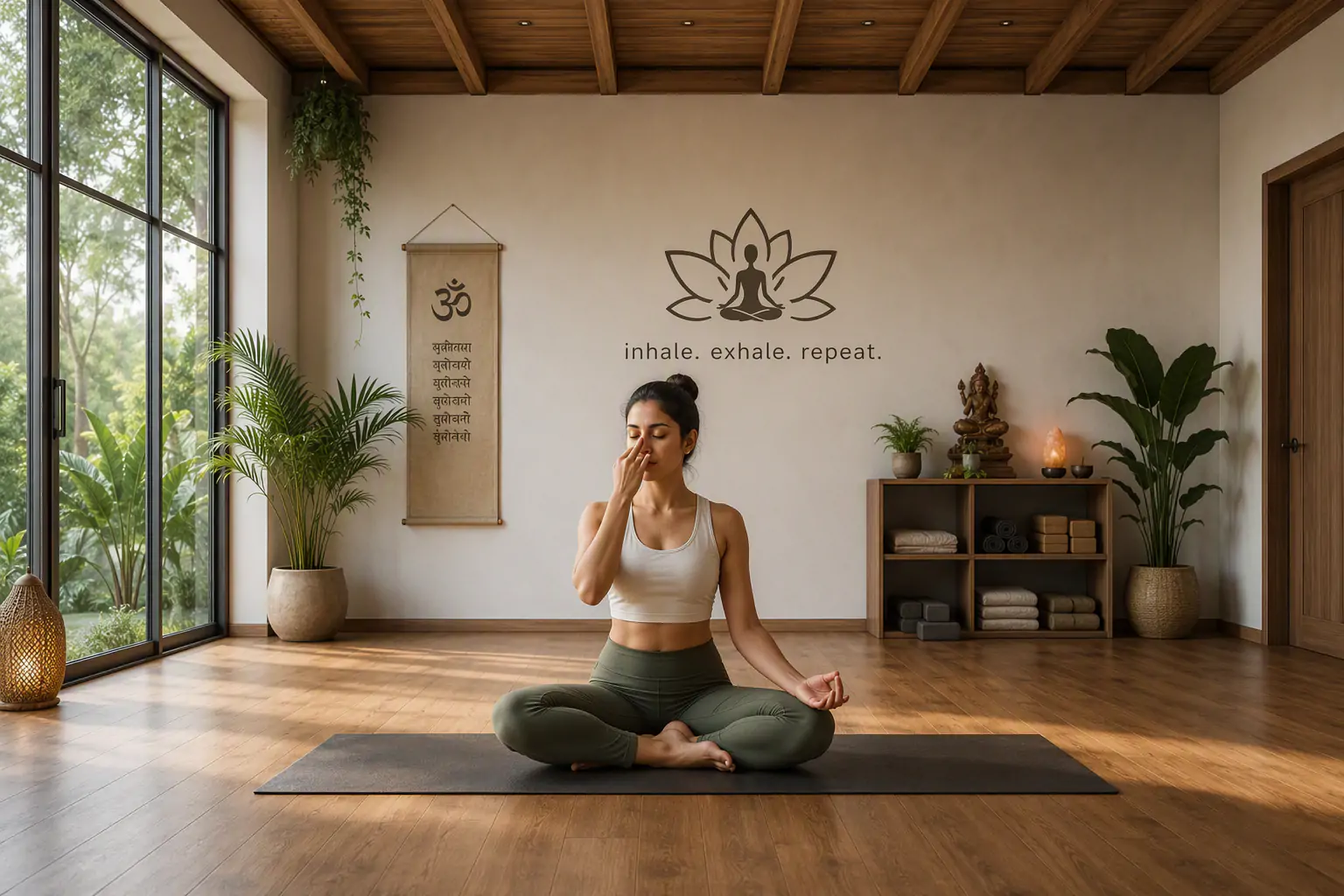
Pranayama is a core yogic breathing practice that teaches you how to work with your breath in a steady, intentional way. The meaning of pranayama goes beyond simple breathing exercises because it is linked with life energy, focus, and inner balance. If you want a clearer understanding of this ancient method, you are in the right place. This guide explains pranayama, its origins, key techniques, health benefits, and simple ways to begin safely.
Understanding Pranayama: Meaning and Origins
At its heart, the meaning of pranayama connects breath control with life force. In yoga, this is not only about air moving in and out. It is a yogic practice aimed at guiding energy and preparing the mind for deeper awareness.
The word pranayama appears in the broader system of the limbs of yoga and is closely tied to the Yoga Sutras and later traditions. To understand its historical roots, it helps to look at its definition, scriptural background, and how it developed alongside asana practice over time.
The Definition of Pranayama in Yoga Practice
So, what does pranayama mean in yoga practice? In simple terms, it is the conscious regulation of breath to influence your life force. The meaning of pranayama comes from Sanskrit roots: prana refers to life energy, while yama is commonly understood as control. In practice, it points to working skillfully with breath and energy.
This makes breath control central to yoga. Your breathing affects the nervous system, attention, and emotional state. When breath becomes fast and shallow, the mind often follows. When yogic breathing becomes slow and steady, the system can settle, and concentration improves.
Within the limbs of yoga, pranayama is the fourth limb, traditionally practiced after asana. That sequence matters. A stable body supports a steadier breath, and a steadier breath supports meditation. The practice of pranayama is not random breathing. It is a structured method for balance and awareness.
Historical Roots and Scriptural References
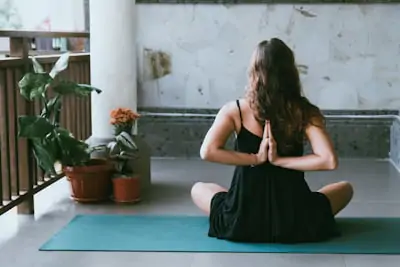
The historical origin of pranayama in yoga reaches back to ancient Indian teachings. Early ideas about breath and life energy appear in the Vedas and Upanishads, where prana is presented as essential to vitality, mood, and health. These early scriptural references helped shape pranayama as a serious yogic practice.
Later, the Yoga Sutras of Patanjali placed pranayama within the eightfold path of yoga. In these teachings, pranayama follows physical posture and helps prepare the mind for concentration. The text describes it as regulating or suspending the movement of inhalation and exhalation.
The Hatha Yoga Pradipika expanded these ideas through more detailed methods. It described pranayama techniques for purification, focus, and preparation for meditation. Together, these texts gave pranayama its structure, and their historical roots still influence the way many people learn and practice today.
How Pranayama Evolved Within Yoga Traditions
Across yoga traditions, pranayama evolved from a formal internal practice into something more widely taught alongside movement and meditation. In earlier systems, students were expected to build a foundation through asana practice first. Over time, many schools began introducing simple pranayama techniques earlier, especially in a modern yoga class setting.
The main types of pranayama differ by effect. Some are calming, some balancing, and some energizing. For example, alternate nostril methods such as anulom vilom and nadi shodhana aim to balance the system, while Ujjayi can support focus, and Bhastrika Pranayama is more stimulating.
This evolution of pranayama made the practice more accessible. Today, you may find gentle breathing exercises for beginners as well as advanced work with breath retention, bandhas, and mudras. The purpose stays the same: guide breath, steady the mind, and support deeper yogic practice.
How Pranayama Impacts Health and Well-being
Pranayama can influence both physical health and mental health in practical ways. Because breath is tied to the nervous system, changing your breathing pattern can affect heart rate, stress response, and how easily you return to the present moment.
Its value also extends beyond physical exercise. The effect of pranayama has been linked with lung function, emotional balance, sleep quality, and even support for the immune system. In the next sections, you will see how regular practice may improve the body, calm the mind, and fit with modern scientific findings.
Physical Benefits of Regular Pranayama Practice
One of the clearest physical benefits of regular pranayama practice is improved breathing efficiency. Slow breathing and other pranayama exercises can support lung function and lung capacity by training you to breathe with more awareness. This can help your body use the breath more effectively over time.
Daily practice may also support circulation and nervous system balance. Research described in the source material connects pranayama with a healthier heart rate, lower blood pressure, and stronger heart rate variability. These changes matter because they reflect a body that can shift out of stress more easily.
For some people, the benefits are even more specific. Clinical findings note support for bronchial asthma, including fewer attacks and less severe symptoms in some cases. Pranayama has also been linked with help for high blood pressure and broader immune system support, making it a useful habit for overall physical well-being.
Emotional and Mental Health Advantages
Breath has a direct link to your stress response. When you practice slow, steady pranayama breathing, it can stimulate the parasympathetic side of the nervous system and create a calming effect. That is one reason many people feel less tense after even a short session.
This shift can improve emotional health and mental health in simple but meaningful ways. You may notice better mental clarity, steadier energy levels, and less emotional reactivity. Ancient teachings describe pranayama as a way to prepare the mind for concentration, and modern descriptions echo that same idea.
There is also a practical side. When the mind feels less crowded, sleep quality may improve, and daytime fatigue may ease. Research summaries in the compiled information link pranayama with reduced anxiety and better regulation of brain regions involved in emotional processing. For many people, that means feeling more balanced and capable.
Insights from Modern Scientific Research
Modern scientific research gives useful context to the benefits of pranayama. The compiled findings describe reduced anxiety, better lung capacity, healthier blood pressure patterns, and improved heart rate variability. Slow-paced breathing has also been linked with nervous system resilience, which helps explain why people often feel calmer and more focused after practice.
| Study focus | Reported effect of pranayama |
|---|---|
| Cardiovascular health | Improvements in pulse rate and blood pressure |
| Respiratory function | Better lung capacity and support for bronchial asthma symptoms |
| Stress reduction | Lower anxiety markers and improved stress regulation |
| Sleep quality and calm | Better relaxation and support for rest |
| Cognitive function | Better attention, memory, and mental clarity |
Taken together, scientific research helps bridge ancient yoga teachings and present-day health concerns. It does not reduce pranayama to a trend. Instead, it shows how a long-standing practice may support people dealing with stress, sleep quality issues, respiratory concerns, and even risk factors linked with heart disease.
The Beginner’s Guide to Starting Pranayama
Getting started with pranayama does not need to feel complicated. A beginner’s guide should focus on a few basics: a quiet space, a comfortable seat, and a simple routine that feels manageable. You do not need advanced asana practice to begin with gentle pranayama exercises.
What helps most is preparation. In the next sections, you will see what space and equipment are useful, what to do before you begin, and how yoga teachers or a yoga class can support safe learning if you want guidance while getting started.
What You Need to Get Started (Space, Equipment, and Resources)
You can begin basic yogic breathing with very little equipment. The main goal is to create a comfortable position where your breath can move freely. A quiet, well-ventilated room helps a lot. Your body should feel supported, not stiff, so that attention can stay on the breath instead of discomfort.
A simple setup often includes the following:
- A yoga mat or folded blanket for a stable seat
- Loose, comfortable clothing that does not restrict the belly or chest
- A distraction-free space with mild temperature
- Guidance from trusted online resources or experienced yoga teachers
If you are wondering how to perform basic pranayama techniques for beginners, start by keeping things simple. Sit upright, relax your shoulders, and breathe gently through the nose. If you feel unsure, a beginner-friendly yoga class or qualified yoga teachers can help you build safe habits before exploring more advanced methods.
Essential Preparations Before Practicing
Before you begin, a few essential preparations can make pranayama feel smoother and safer. Traditional guidance suggests practicing when you are alert and not overly full, often at dawn or dusk. You do not need a perfect schedule, but you do need a calm body and a settled mind.
Keep these points in mind:
- Practice on an empty stomach or wait about two hours after a heavy meal
- Wear light clothing and choose a clean, uncluttered space
- Begin with slow breathing or diaphragmatic breathing before trying stronger methods
Just as important is your mindset. Breath control works best when you are not forcing results. Approach the practice with patience rather than pressure. If you already do asana practice, it can help prepare the body, but beginners can still start with short, gentle sessions and grow from there.
Step-by-Step Guide to Basic Pranayama Techniques
Learning basic pranayama works best when you take it one step at a time. You do not need to master every method at once. Start with posture, then build awareness of the breath, and finally add simple breathing exercises that support calm and focus.
This step-by-step approach makes pranayama breathing easier to understand and safer to practice. The next three sections walk you through the essentials of setting up, trying beginner-friendly pranayama techniques, and building the kind of breath control that can become a steady daily habit.
Step 1: Finding the Right Posture and Setting
Start by choosing a comfortable seat that allows your spine to stay upright without strain. You can sit cross-legged on the floor, kneel, or sit on a chair if that feels better. The best option is the one that helps you breathe freely and remain steady.
Physical postures matter because the breath responds to the body. If your shoulders are tense or your back is slumped, breathing may feel restricted. You do not need complex yoga poses, but a balanced position supports easier inhalation and exhalation. This is why pranayama is traditionally linked with asana practice.
Your setting also affects focus. A quiet room with fresh air and mild temperature helps you stay in the present moment. Remove distractions if you can. When the space feels calm, your attention is less likely to scatter, and simple breath awareness becomes much easier.
Step 2: Practicing Simple Breathing Exercises for Beginners
Now you can begin with a few gentle pranayama exercises. The aim is not intensity. It is steadiness. Slow breathing can calm the nervous system, while simple patterns help you notice how inhaling and exhaling affect your body and mind. This is the safest place to start.
Try these beginner-friendly methods:
- Deep breathing: Inhale slowly through the nose, let the belly expand, then exhale with ease
- Diaphragmatic breathing: Keep one hand on the belly and feel it rise and fall naturally
- Alternate nostril breathing: Close one nostril, inhale through the other, switch sides, and exhale
- Nadi Shodhana Pranayama: Practice a gentle version without retention until you are comfortable
These practices are often used because they have a calming effect and are easy to repeat. If you have ever asked, can you explain some simple pranayama breathing exercises, this is the basic answer: sit well, breathe slowly, stay relaxed, and never force the rhythm.
Step 3: Tips for Consistency and Progression
A regular pranayama practice does not need to be long to be effective. Daily repetition matters more than intensity. Even a few minutes can help you notice changes in energy levels, focus, and your sense of steadiness. That is why consistency is one of the biggest factors in long-term results.
To build momentum, keep it practical:
- Practice at the same time each day if possible
- Start with 2 to 5 minutes and increase gradually
- Stay with simple techniques before attempting retention or stronger methods
Progression should feel natural. As comfort improves, your breath may become smoother and your attention more stable. Over time, this can support better sleep quality, steadier mood, and a stronger quality of life. If you feel strain, scale back. Growth in pranayama comes from patience, not pushing.
Conclusion
In conclusion, incorporating pranayama into your daily routine can significantly enhance both your physical and mental well-being. By understanding its origins and benefits, you can appreciate how these breathing techniques not only improve lung capacity but also promote emotional balance. Starting with simple exercises and maintaining consistency will set you on the right path. Remember, the journey of pranayama is personal; take your time as you explore its depths. If you’re ready to dive deeper and discover the transformative power of pranayama, don’t hesitate to reach out for a free consultation with our experts. Your journey to better health begins here!
Frequently Asked Questions
People with high blood pressure, heart disease, pregnancy, epilepsy, glaucoma, severe trauma, or acute illness should take precautions. Breath retention, strong stimulating methods, and energy locks may not be suitable. If you have concerns about physical health, learn with qualified yoga teachers and follow medical advice.
For beginners, 2 to 5 minutes a day is a good starting point. Regular pranayama practice matters more than long sessions. With consistency, you can gradually build to 5 to 10 minutes. Start with slow breathing and comfort, then allow lung capacity and confidence to improve over time.
Common mistakes include forcing the breath, rushing progression, practicing on a full stomach, and trying advanced techniques too early. The practice of pranayama should feel steady, not strained. If you are unsure about breath control, a beginner yoga class can help you build safer habits from the start.
Yes, pranayama practices can be done at different times, but morning practice and early evening are often preferred. Choose a time when you feel alert and not overly full. Gentle methods can support energy levels or create a calming effect, especially when separated from heavy physical exercise.