
Modern life rarely gives the mind a chance to switch off. Between notifications, deadlines, and constant noise, most of us are running on mental overdrive without even realising it. If you’ve ever wished for a fast, no-equipment way to hit the “reset” button on your nervous system, Bhramari Pranayama might be exactly what you’re looking for.
This beginner-friendly breathing exercise, often called the humming bee breath, is one of the simplest tools in yoga for calming an overactive mind. In this guide, we’ll walk through what Bhramari Pranayama is, how it works, the step-by-step technique, its benefits, precautions to keep in mind, and answers to common beginner questions — everything you need to start practising confidently today.
What Is Bhramari Pranayama?
Bhramari Pranayama takes its name from the Indian black bee known as “bhramari.” The connection makes sense the moment you try it: as you exhale, you produce a low, continuous humming sound very similar to the buzz of a bee. This isn’t just a fun coincidence — it’s the entire foundation of the practice.
Unlike breathing techniques that focus purely on inhalation and exhalation patterns, Bhramari brings in a third element: sound vibration. As you hum, the vibrations travel through your skull, sinuses, and facial muscles, creating a gentle internal massage that many practitioners describe as instantly soothing. This makes it a favourite starting point within pranayama practice for beginners who want quick, noticeable results.
It’s a foundational part of most breathing exercises taught in beginner yoga classes because it requires no props, no advanced flexibility, and barely any prior experience — just a quiet corner and a few free minutes.
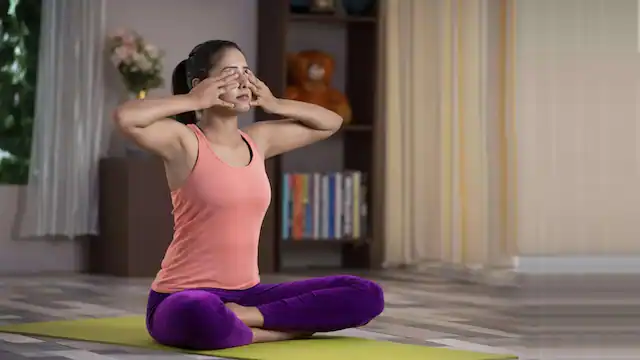
How Does Bhramari Pranayama Work?
The calming effect of this practice isn’t just anecdotal. When you produce the humming sound with your mouth closed, the vibration is thought to stimulate the vagus nerve, which plays a central role in activating the parasympathetic nervous system — your body’s natural “rest and relax” mode. This shift can slow the heart rate, ease muscular tension, and quiet mental chatter within a matter of minutes.
Additionally, closing off external sound (often by covering your ears) reduces sensory input, which naturally draws attention inward. This inward focus is part of why Bhramari is frequently used as a warm-up before meditation for beginners — it helps settle a restless mind before you attempt to sit in stillness.
Step-by-Step: How to Practise Bhramari Pranayama
You don’t need any special equipment for this practice — just a quiet space and an empty stomach. Here’s the standard beginner method:
- Find a comfortable seat. Sit upright in a quiet, well-ventilated space, either cross-legged on the floor or in a chair with your spine straight. Close your eyes and relax your shoulders.
- Settle in first. Before you begin humming, spend a few breaths simply observing the sensations in your body and the quietness around you.
- Position your fingers. Gently place your index fingers on the small piece of cartilage located between your cheek and ear (not inside the ear canal itself).
- Inhale deeply through your nose, keeping your body relaxed.
- Exhale with a hum. As you breathe out, gently press the cartilage flaps and produce a steady, closed-mouth humming sound — like a bee. Keep the pitch fairly high, as this tends to produce a more noticeable calming effect than a low hum.
- Repeat the cycle. Complete this pattern for 3 to 6 rounds, gradually increasing repetitions as you become more comfortable with the technique.
- Close gently. Finish by sitting quietly with your eyes closed for a minute, noticing how your mind and body feel before returning to your day.
A Simple Variation
If sitting upright isn’t comfortable, you can also practise Bhramari lying on your back or on your right side. In this position, skip the finger placement on your ears and simply focus on producing the humming sound as you exhale.
Advanced Option: Shanmukhi Mudra
Once you’re comfortable with the basic technique, you can deepen the practice using Shanmukhi Mudra, which translates loosely to “closing the six gates.” This involves gently closing your ears, eyes, nostrils, and mouth with your fingers while humming, which further reduces sensory distraction and intensifies the inward focus. This variation is best learned under the guidance of an experienced yoga instructor.
Benefits of Bhramari Pranayama
The appeal of this technique lies in how much it offers for such a low-effort practice. Regular practitioners often report the following benefits:
- Instant stress and anxiety relief — the humming vibration has a rapid calming effect on an agitated mind.
- Reduced anger and irritability, making it useful during moments of emotional overwhelm.
- Relief from mild headaches and migraines, thanks to the soothing vibrations around the forehead and sinuses.
- Improved focus and concentration, as the practice quiets external and internal distractions.
- Support for healthy blood pressure, since activating the relaxation response can ease cardiovascular strain over time.
- Better preparation for meditation, as it settles a restless mind before deeper stillness practices.
- Support for better sleep, particularly when practised in the evening as part of a wind-down routine.
Many practitioners pair this practice with structured breath and meditation programs to build a more consistent stress-management routine.
Precautions to Keep in Mind
While Bhramari Pranayama is considered gentle and safe for most people, a few simple precautions will help you practise it correctly:
| Do | Avoid |
|---|---|
| Place fingers on the cartilage, not inside the ear canal | Inserting fingers into the ear |
| Press gently | Pressing too hard on the cartilage or face |
| Keep your mouth closed while humming | Humming with an open mouth |
| Practise on an empty stomach | Practising right after a heavy meal |
| Stick to 3–6 rounds as a beginner | Overdoing repetitions in one sitting |
If you have a severe ear infection, a recent ear surgery, or very high, unmanaged blood pressure, it’s a good idea to check with a doctor or a qualified yoga teacher before starting.
When Is the Best Time to Practise?
Bhramari Pranayama is flexible enough to fit almost any part of your day, but two windows tend to work particularly well:
- Morning, as part of a warm-up before your main yoga or pranayama session, to set a calm tone for the day.
- Evening, shortly before bed, since the humming sound can help quiet a busy mind and ease the transition into sleep.
Even a two-minute session during a stressful workday can offer a noticeable reset, which is part of why this technique has remained popular across generations of yoga practitioners.
Common Mistakes Beginners Make
- Humming too loudly, which can create tension in the throat instead of relaxation.
- Rushing the exhale, which cuts the practice short before the nervous system has time to respond.
- Tensing the shoulders or jaw while trying to “do it correctly.”
- Slouching, which restricts the breath and reduces the overall effect.
Keeping the practice soft, slow, and unforced is far more effective than trying to make the loudest or longest hum possible.
Final Thoughts
Bhramari Pranayama proves that you don’t need an elaborate routine to feel calmer — sometimes, a few minutes of humming breath is enough to shift your entire mental state. It’s simple, requires no equipment, and can be practised almost anywhere, making it one of the most accessible tools in the world of pranayama.
If you’re new to breathwork, start with just 3 rounds a day and build up gradually. Over time, you may find it becomes a natural go-to whenever stress creeps in. Ready to go deeper? Explore our guide to meditation for beginners to pair your new breathing practice with a complete mindfulness routine — and don’t forget to share this guide with anyone who could use a calmer moment in their day.
Frequently Asked Questions
Beginners can start with 3 to 6 rounds per session and gradually increase repetitions as the technique starts to feel more natural.
Yes, it’s generally considered safe for people of most ages once the technique is learned correctly. However, those with ear infections, recent ear surgery, or uncontrolled high blood pressure should consult a doctor first.
It can be practised morning or evening, though many people prefer doing it before meditation or right before bed to relax the mind.
No, this pranayama should always be practised on an empty stomach, ideally in the morning or a few hours after a meal.
Gently pressing the cartilage helps block external sound, allowing you to focus more clearly on the internal humming vibration, which enhances the calming effect.