
If you’ve spent any time researching yoga teacher training Rishikesh programs, you’ve probably noticed something: almost every blog, forum thread, and Instagram reel points you toward the same town. Rishikesh has built itself a reputation as “the yoga capital of the world,” and for a long time, that reputation was well earned.
But here’s the honest truth nobody tells beginners before they book a flight — Rishikesh in 2026 is not the same quiet riverside town it was fifteen years ago. It’s grown fast, and with that growth has come crowding, competition, and a fair bit of commercialization that can dilute the very experience people travel there for.
This isn’t a takedown of Rishikesh. Plenty of good teachers and schools still operate there, and thousands of students have had genuinely transformative experiences. But if you’re weighing your options, it’s worth looking a little further into the hills — to Dharamshala — where the pace, the space, and the spirit of training feel closer to what most people imagine when they picture a yoga retreat in the Himalayas.
Why Rishikesh Became the Default Choice
Rishikesh earned its status honestly. It sits on the banks of the Ganga, surrounded by the foothills of the Himalayas, and has hosted yogis, sadhus, and spiritual seekers for generations. Add in Yoga Alliance–recognized schools, affordable course fees, and a steady stream of international students, and it’s easy to see why so many teacher training searches lead here first.
Most schools in the region offer similar structures — 100, 200, 300, and 500-hour Yoga Alliance certification programs covering Ashtanga, Vinyasa, Hatha, pranayama, meditation, and yoga philosophy. Course fees typically depending on duration and inclusions, and many programs run on a residential, ashram-style model with shared accommodation and vegetarian meals.
On paper, it looks ideal. In practice, a few recurring issues come up again and again in student reviews and honest conversations with alumni.
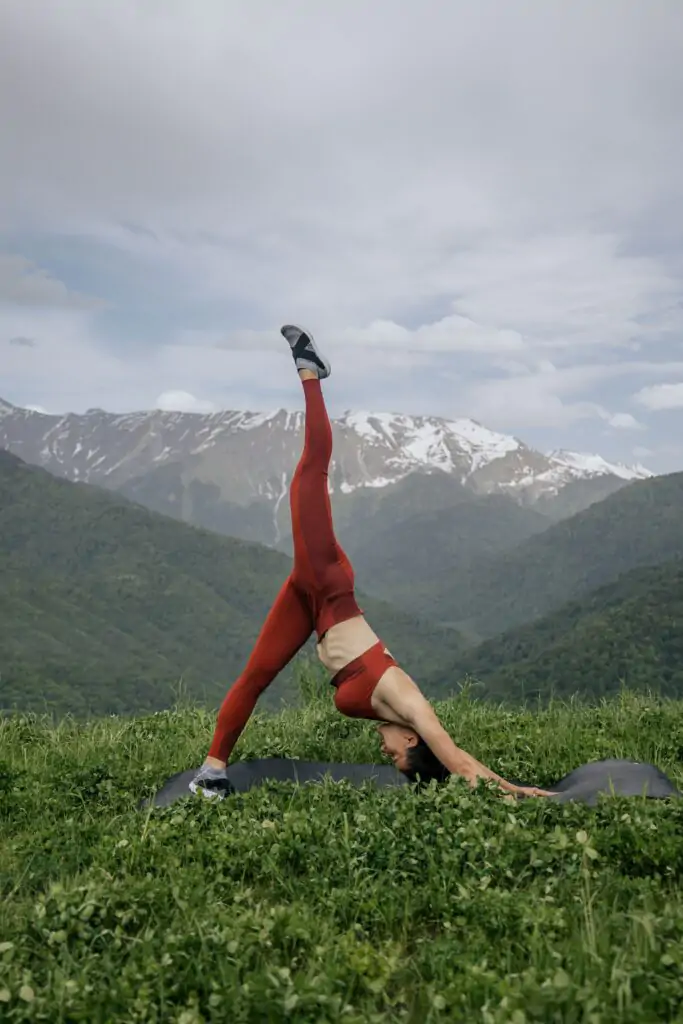
The Real Gaps in the Rishikesh YTTC Experience
1. Crowded Dorms Instead of Personal Space
A lot of schools in Rishikesh house students four, six, even eight to a room. That might keep costs down, but it also means very little privacy during a month that’s supposed to be about self-reflection and inward work. Teacher training is demanding — physically and emotionally — and without a quiet corner to process what you’re learning, that personal growth piece gets harder to access. Journaling, meditation, or simply resting after an intense practice session becomes difficult when you’re sharing a room with strangers around the clock.
2. Buildings Next to Buildings, Not Nature
Rishikesh’s popularity has come at a cost — rapid construction. Many schools now sit wedged between guesthouses, cafes, and shops rather than surrounded by open forest or unobstructed river views. The marketing photos often show the Ganga and the mountains, but the day-to-day reality can be a lot more urban than expected. Genuine immersion in nature — waking up to birdsong instead of traffic, or practicing asana with an unbroken mountain view — is increasingly rare and limited to a handful of schools.
3. Yoga as a Business, Not a Practice
Perhaps the biggest shift is cultural. Yoga teacher training was traditionally something closer to an apprenticeship — a strict, dedicated teacher passing down not just postures but discipline, humility, and respect for the practice itself. In much of Rishikesh today, that relationship has been replaced by something closer to a product: course tiers, add-ons, referral discounts, and marketing language borrowed straight from e-commerce. That’s not true everywhere, but it’s common enough that many students leave with a certificate and a solid asana practice, yet feel like they missed the deeper transmission they came for.
Enter Dharamshala: A Quieter, More Grounded Alternative
Dharamshala offers a different rhythm altogether. Nestled higher in the Himalayas and home to the Tibetan community in exile, the town carries a layered spiritual atmosphere that goes beyond yoga alone — Buddhist monasteries, meditation halls, and a slower pace of daily life all shape the environment around your training.
Here’s how it stacks up against the typical Rishikesh experience:
| Factor | Rishikesh (Typical) | Dharamshala (Typical) |
|---|---|---|
| Climate | Hot, humid summers | Cooler, more comfortable year-round |
| Crowd levels | High tourist and student density | Noticeably quieter, fewer crowds |
| Surroundings | Mixed — often built-up near schools | Forested hills, closer to open nature |
| Spiritual atmosphere | Commercially yoga-focused | Blend of yoga and Himalayan Buddhist culture |
| Room setup | Often shared dorms (4–8 people) | Smaller groups, more personal space at select schools |
| Teaching style | Varies, often fast-paced and packaged | More traditional, mentorship-driven at boutique schools |
None of this means Rishikesh is a bad choice for everyone. If you want a bustling, social atmosphere with lots of fellow travelers and easy access to cafes and markets, it still delivers that well. But if what you’re actually looking for is stillness, space to grow, and a teacher-led experience rooted in tradition rather than volume, Dharamshala tends to deliver that more consistently.
Why Mahiyoga School Stands Out in Dharamshala
Among the training options in Dharamshala, Mahiyoga School has built a reputation for doing things differently. A few things set it apart:
- Smaller batch sizes — training is kept intimate rather than run like a factory line, which means more one-on-one correction and feedback from teachers.
- Nature-first setting — the school is positioned away from heavy commercial clutter, closer to forest trails and open mountain air, so students actually get the immersive experience the brochures promise.
- Traditional teaching approach — instructors bring the discipline of the older gurukul-style model, focused on respect for the practice and steady, honest correction rather than a rushed checklist of poses.
- Balanced curriculum — asana, pranayama, meditation, anatomy, and philosophy are woven together rather than treated as separate boxes to tick for certification.
- Comfortable but not overcrowded accommodation — designed to give students the personal space needed for the reflective side of training, not just the physical side.
If you’re comparing your 200 hour yoga teacher training options, it’s worth putting Dharamshala — and Mahiyoga School specifically — on your shortlist alongside the more obvious Rishikesh programs.
Questions to Ask Before Choosing Any School
Regardless of location, a few questions will tell you more than any glossy website can:
- How many students share a room, and can I request a private or twin room?
- What is the teacher-to-student ratio during practice sessions?
- Is the school genuinely surrounded by nature, or close to a busy market road?
- How is the curriculum structured — is philosophy and anatomy given real depth, or treated as filler?
- Can I speak to a recent graduate directly before enrolling?
Asking these questions upfront — of any yoga teacher training Rishikesh school or a Dharamshala alternative — will save you from disappointment later.
Final Thoughts: Choose the Experience, Not Just the Destination
Rishikesh isn’t a bad place to train. It has history, infrastructure, and genuinely skilled teachers scattered throughout its many schools. But “popular” and “best fit for you” aren’t always the same thing. If personal space, a quieter natural setting, and a more traditional, mentorship-driven approach matter to you, Dharamshala — and schools like Mahiyoga School — deserve a serious look before you commit.
Take your time, compare a few schools honestly, and choose the one that matches the kind of teacher — and student — you actually want to become.
Ready to explore your options? Browse our full guide to yoga teacher training in Dharamshala or reach out to Mahiyoga School directly to ask about upcoming batch dates and available space.
Frequently Asked Questions
Yes, for students who want a lively, social environment with many school options and easy travel connections. It’s less ideal for those seeking quiet, nature-immersive training with more personal space.
Dharamshala generally offers a cooler climate, fewer crowds, closer proximity to nature, and a more traditional, mentorship-style teaching approach compared to the increasingly commercial pace of many Rishikesh schools.
Small batch sizes, a genuine natural setting, a balanced curriculum covering philosophy and anatomy (not just asana), reasonable room privacy, and direct access to graduate reviews.
Reputable Dharamshala schools, including Mahiyoga School, typically offer Yoga Alliance–recognized 200 and 300-hour certifications — always confirm current registration status directly with the school before enrolling.