
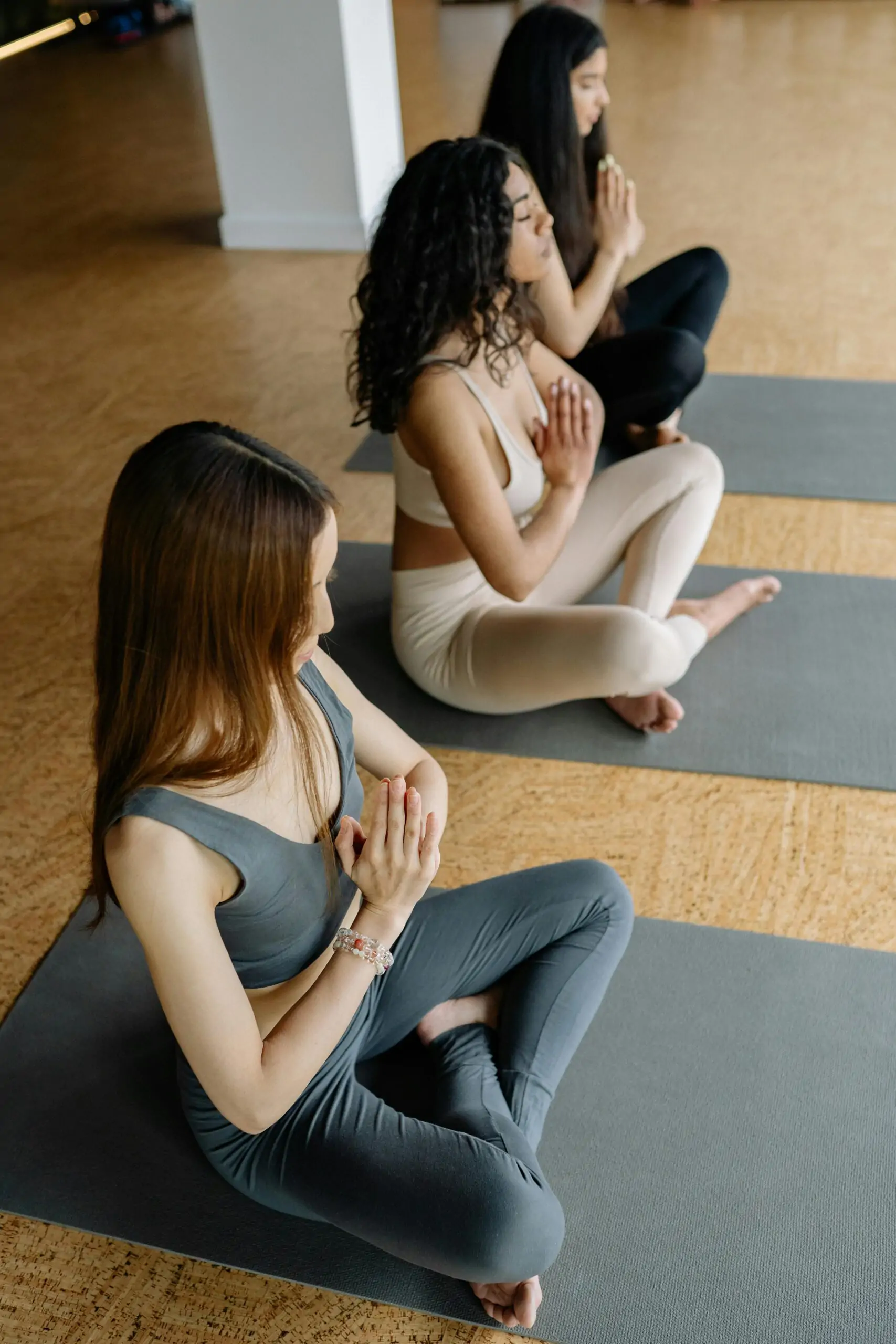
Key Highlights of Ashtanga Yoga Teacher Training Goa
- Goa offers a relaxed beach setting for yoga teacher training with strong Ashtanga roots.
- Many ashtanga yoga teacher training programs include accommodation, vegetarian meals, and daily practice.
- You can find both beginner-friendly and more advanced hour yoga teacher training course options.
- Several schools in yoga teacher training Goa provide Yoga Alliance certification after successful completion.
- Training usually covers yoga philosophy, anatomy, alignment, and teaching skills.
- South Goa is often preferred for a quieter, more focused learning experience.
Introduction
If you are thinking about studying ashtanga yoga in India, Goa is a practical place to begin. It combines beach life, accessible travel, and a wide choice of teacher training options. Many yoga teacher training courses here are designed for students who want to deepen practice, build confidence, or prepare for teaching. Whether your goal is personal growth or a future career, the right teacher training can give you structure, support, and a clearer understanding of yoga.
Why Choose Goa for Ashtanga Yoga Teacher Training
India is known for traditional yoga learning, and Goa stands out because it makes yoga teacher training feel both authentic and approachable. You get Indian yoga teachings without the intensity some first-time visitors may feel elsewhere.
For many students, ashtanga yoga teacher training in South Goa feels especially appealing. The beaches are quieter, the pace is calmer, and the setting supports focus. Before you choose a course, it helps to understand what makes Goa’s atmosphere and yoga scene so popular.
Unique Atmosphere and Culture in Goa
Goa gives you a softer introduction to India while still keeping a strong connection to traditional yoga. That matters if you are just starting your yoga journey and want a place that feels welcoming rather than overwhelming.
What makes Goa different is its unique blend of Indian and Portuguese culture. You will notice tropical beaches, colorful markets, sunsets over the Arabian Sea, and a more laid-back rhythm. This environment supports a yogic lifestyle without feeling cut off from comfort.
Compared to some other places in India, Goa can be a very good location for learning Ashtanga yoga, especially if you value balance. You get serious study, but also space to breathe. For many beginners, that mix of culture, climate, and calm makes daily training easier to sustain.
Popularity of Goa Among Yoga Enthusiasts
There is a reason so many students choose Goa year after year. The state has a strong reputation for affordable yoga teacher training courses, beachside learning, and a wide range of schools and styles. That combination attracts both first-time trainees and experienced practitioners.
You will find everything from a short yoga retreat to intensive residential training. Many people like that they can study seriously while staying near the sea. A good yoga school in Goa often offers yoga classes, meals, and lodging in one package, which keeps planning simple.
- Goa has many course lengths, from foundation training to advanced study.
- Quiet beach areas in South Goa are popular for focused practice.
- Many students choose Goa because it feels easier to access than other yoga hubs in India.
Understanding Ashtanga Yoga Teacher Training
Before you enroll, it helps to know what ashtanga yoga teacher training actually involves. This style is disciplined, structured, and linked closely to breath, movement, and regular yoga practice.
You are not just learning poses. A solid course also includes yoga philosophy, alignment, anatomy, and methods for guiding others safely. The next sections explain the style itself and how training programs are usually organized in Goa.
What is Ashtanga Yoga?
Ashtanga yoga is a traditional system built around a set sequence of postures linked with breath. It is active, focused, and repetitive in a useful way. That repetition helps you build memory, discipline, and awareness over time.
In many classes, you move through a vinyasa flow that connects each posture with breath control. Beginners often start by learning parts of the primary series, which forms the foundation of many Ashtanga-based trainings. You will also spend time understanding how and why the sequence works.
A teacher training program in Goa usually goes beyond physical movement. You should expect discussion of yoga philosophy, alignment, and personal practice habits. So while the style is physical, it is also about steadiness, concentration, and learning how to practice with clarity.
Structure of Ashtanga Yoga Teacher Training Programs
Most schools structure an ashtanga vinyasa yoga teacher training program as an intensive residential experience. Courses are often around three to four weeks for a 200-hour format, with one day off each week. The days are full, so you need energy and commitment.
You can expect both practical and academic study. Good programs do not focus only on asana. They also teach the broader aspects of yoga so you leave with an understanding of yoga, not just a memorized sequence.
- Daily asana practice, often based on the primary series or Mysore style work
- Theory classes in anatomy, alignment, and yoga philosophy
- Teaching practice so you learn cueing, observation, and class structure
- Pranayama, meditation, and related traditional yoga tools
Types of Ashtanga Yoga Teacher Training Courses in Goa
Goa offers more than one path, which is helpful if you are trying to match your current level with the right training. Some students want a first qualification, while others are ready to build on prior study.
That is why you will see both 200-hour and 300-hour formats. Each hour yoga teacher training course serves a different purpose. If you are comparing options, the next two sections explain what to expect from each ashtanga yoga teacher training course or yoga TTC.
200-Hour Ashtanga Yoga Teacher Training
For most beginners, a 200 hour yoga teacher training is the standard first step. It gives you a broad foundation in practice, philosophy, anatomy, alignment, and teaching methodology. In yoga teacher training Goa programs, this format is usually intensive and lasts about three to four weeks.
Many schools in Goa offer 200-hour courses that include Ashtanga as a main style or part of a multi-style curriculum. Some are beginner-friendly, while others ask for regular practice or basic familiarity with the Ashtanga primary series before joining.
If the school is registered with Yoga Alliance, successful completion can make you eligible to register as a yoga teacher. That matters if you want a recognized credential and a clear path into teaching after your course ends.
300-Hour Ashtanga Yoga Teacher Training
If you already hold a 200-hour certificate, a 300 hour yoga teacher training can help you go further. This level is meant for students who want to refine their teaching, deepen personal practice, and expand their knowledge of yoga in a more advanced setting.
A good yoga teacher training school may offer 300-hour programs focused on deeper technique, more responsibility in class, and stronger teaching confidence. In the compiled information, schools such as Sarvaguna, Kashish, and Kranti are noted as having advanced options.
For a registered yoga teacher, this next step can support both growth and credibility. It is not the usual starting point, but it is a strong option once you have built a base and want more advanced training in Goa.
Certified Ashtanga Yoga Schools in Goa
Choosing the right school is one of the biggest decisions you will make. Not every program offers the same quality, so it helps to look beyond glossy websites and compare reputation, structure, and safety.
A school with proper yoga teacher training certification and recognition from Yoga Alliance USA gives you more confidence in the course framework. If your goal is to become a certified yoga teacher, start by reviewing schools that are known and established.
Top-Rated Ashtanga Yoga Schools in Goa
Several schools in Goa are repeatedly mentioned for strong training and beachside locations. The compiled information highlights both multi-style schools that teach Ashtanga and schools with a direct Ashtanga focus. That gives you options based on your level and goals.
If you want top yoga teacher training with yoga alliance certification, begin with schools that clearly state their style focus, course length, and entry expectations. Quiet locations in Agonda, Palolem, Patnem, Mandrem, and Arambol are common choices.
| Yoga School | Location | Course Focus | Certification Note |
|---|---|---|---|
| Sarvaguna Yoga | Agonda, South Goa | Traditional 200-hour multi-style with vinyasa flow and meditation | Yoga Alliance approved |
| Kashish Yoga | Palolem, South Goa | Broad training including Ashtanga, Vinyasa, and more | Yoga Alliance approved |
| Kranti Yoga | Patnem, South Goa | 200-hour Ashtanga & Vinyasa Flow focus | Yoga Alliance certified |
| Diya Yoga | Mandrem, North Goa | Multi-style including Ashtanga | Internationally recognized certificate |
Accreditation and International Recognition
A common question is whether your certificate will matter outside India. In many cases, yes. When a school is registered with Yoga Alliance, the training follows a recognized format that many studios and employers understand.
That does not mean every course is equal, so you should still research teacher reputation and student reviews. Still, Yoga Alliance registration or similar approval is a useful sign when you want yoga teacher training certification with international recognition.
After successful completion, you may be able to register and use your training professionally in different countries. For students who want flexibility after graduation, this is one of the strongest reasons to choose an established Goa school with recognized accreditation.
What to Expect in an Ashtanga Yoga Teacher Training Program
Most students want to know what everyday life looks like before they book a training course. In Goa, the pace is usually immersive, with early mornings, structured study, and limited free time.
A serious yoga teacher training program includes far more than mat practice. You can expect a daily schedule that mixes asana, yoga anatomy, philosophy, and teaching work. The following sections break down the rhythm of the day and how skills are taught.
Daily Schedule and Curriculum Overview
A typical daily schedule during an hour YTTC in Goa is full and disciplined. Most programs run for about a month or just over three weeks, and they are described as intensive. You usually have one day off each week, but the rest of the time is structured.
The day often starts early with movement or breathwork, followed by lessons later in the morning and afternoon. This rhythm helps you build steady habits and keeps your mind in training mode instead of vacation mode.
- Morning asana practice, often with Ashtanga-based sequencing
- Theory classes covering yoga philosophy, anatomy, and alignment
- Pranayama, meditation, or breath control sessions
- Teaching methodology or review sessions later in the day
Teaching Methods and Practice Sessions
One of the most valuable parts of training is learning how to guide other people, not just yourself. Strong schools include teaching methods that cover cueing, observation, posture breakdown, and class delivery. This is where knowledge starts turning into real skill.
In some programs, teaching practice begins early. The compiled information notes that at Kranti Yoga, students start teaching in week one. That kind of hands-on work helps reduce fear and gives you repeated chances to improve in a supported setting.
At the same time, your personal practice remains central. As you repeat sequences and refine alignment, you learn what good instruction feels like from the inside. That balance between practice of yoga and teaching practice is what makes the course so useful.
Essential Requirements to Enroll as a Beginner
Many people assume they need years of experience before applying, but that is not always true. Several yoga teacher training Goa schools accept students with limited background, especially in beginner-friendly multi-style courses.
Still, yoga teacher training courses are demanding. You will do better if you arrive with some familiarity, realistic expectations, and an openness to learning. The next sections cover what schools usually expect and how to prepare your body and mind.
Qualifications and Yoga Experience Needed
You usually do not need formal qualifications to join a beginner-level course in Goa. Many schools welcome people from different backgrounds and life stages. That said, the training is intensive, so some prior yoga experience can make the process smoother.
The compiled information recommends about six months of regular practice for the best experience. Some schools are open to complete beginners, while others, especially more Ashtanga-focused programs, expect a basic understanding of the primary series and steady commitment.
- No formal academic qualifications are usually required
- Around six months of yoga experience is often recommended
- Some schools expect basic teaching skills to be developed during training, not before it
Physical and Mental Preparation Tips
Preparation matters more than perfection. You do not need to arrive fully flexible or confident, but you should be ready for a demanding month. Training can be physically, mentally, emotionally, and spiritually challenging, even when it is deeply rewarding.
A few simple habits before your course can help. Regular yoga practice builds stamina, while realistic expectations reduce pressure. It also helps to remember that you are there to learn, not to perform.
- Build a regular yoga practice before arrival
- Get used to early mornings and a structured routine
- Prepare for simple living rather than luxury facilities
- Stay open to feedback, discipline, and a yogic lifestyle
What You’ll Need to Get Started
Packing for a training is easier when you keep it practical. Since many programs in Goa include simple lodging and meals, you mostly need clothing, personal items, and materials that support study and practice.
Think of your yoga teacher training program as both a retreat and a classroom. You will need yoga gear for daily movement and a few resources to support yoga anatomy and theory study. Here is what helps most.
Essential Yoga Gear and Equipment
Goa’s climate is warm, so light and loose clothing works best for daily yoga practice. You do not need a huge amount of equipment, especially because many schools are set up for residential students and keep things simple by design.
Your training course may include open-air shalas, beachside humidity, and lots of repeated movement, so comfort matters. Pack for function, not fashion. Since Goa is more relaxed in dress than many other parts of India, basic training clothes are usually fine.
- Breathable yoga clothes for twice-daily movement
- Personal toiletries and any health essentials
- Simple beachwear and casual clothing for free time
- A notebook for class notes and review
Recommended Books and Study Materials
Most of your learning in Goa will come directly from classes, practice, and teacher guidance. Even so, having basic study materials can help you organize notes and return to key ideas after long training days.
Because courses usually include yoga philosophy, anatomy, alignment, and teaching methodology, it helps to keep a dedicated notebook or folder. That simple habit supports a deeper understanding and makes review easier at the end of the course.
The compiled information does not list specific yoga books, so your school may guide you on what is needed. For many students, the most useful study materials are class handouts, written notes, and any curriculum documents provided by the teachers.
Step-by-Step Guide to Starting Your Ashtanga Yoga Teacher Training Journey
Starting can feel like a lot because there are many schools, prices, and formats to compare. The easiest way forward is to break the process into simple stages and handle one decision at a time.
Your first step is not booking the cheapest teacher training course. It is finding the program that fits your level, goals, and comfort needs. Once you do that, the rest of your yoga journey becomes much easier to organize.
Step 1: Research and Select the Right Course in Goa
Start with careful research. Goa has many programs, but they vary in style, quality, pace, and entry level. A school that appears first online is not always the best choice. You need to compare what the training course actually offers.
Look at certification, location, teachers, reviews, and whether the course is beginner-friendly or expects prior Ashtanga knowledge. A yoga TTC in a quiet beach area may suit you better than one near busy party zones. South Goa is often preferred for focus.
- Check whether the school is registered with Yoga Alliance or similar bodies
- Read real student reviews and look into teacher reputation
- Compare course length, style focus, and included services
- Review the online application form and entry details before applying
Step 2: Prepare Your Application and Meet Entry Requirements
Once you shortlist a course, the next step is practical. Review the entry requirements carefully so there are no surprises. Some schools welcome beginners, while others want regular practice or a basic understanding of Ashtanga before arrival.
You should also confirm what is included in the course fee. In Goa, many packages include accommodation and vegetarian meals, but extras can vary. Some schools include airport pickup, massages, or local outings, while others keep it more basic.
When you are ready, complete the application and arrange payment based on the school’s process. If a deposit is required, check accepted methods such as credit card and confirm cancellation or refund policies before you commit.
Step 3: Plan Your Travel, Accommodation, and Packing
Travel planning becomes easier once your place is confirmed. Goa is usually reached through Dabolim Airport, and many schools either include airport transfers or can help you arrange transport. Prepaid government airport taxis are also used for safe travel across the state.
In many teacher trainings, accommodation is part of the package. Lodging may be simple beach huts, bamboo cottages, dorm rooms, or private rooms depending on the school. This is helpful because you do not need to search for housing separately.
- Confirm whether airport transfers are included
- Ask what type of accommodation comes with the course
- Pack light, breathable clothes for tropical weather
- Bring essentials for simple residential living and daily practice
Step 4: Arrive in Goa and Begin Your Training
When you arrive, give yourself a little time to settle in. A training course in Goa is often immersive from day one, so a calm start helps. Meet your teachers, understand the schedule, and get familiar with the space where you will be practicing every day.
Then shift your focus from travel mode to learning mode. This is where your yoga journey really begins. Simple routines, shared meals, and regular classes help you settle into a yogic lifestyle faster than you might expect.
If you chose a quiet area in South Goa, you may find it especially easy to focus. The beaches, slower pace, and fewer distractions can support both discipline and rest, which is exactly what most beginners need during intensive study.
Costs and Accommodation Options in Goa
Budget is a major part of planning, and Goa is often seen as one of the more affordable places for yoga study. That makes it attractive if you want a serious teacher training program without spending as much as you might elsewhere.
Still, prices vary by school, course length, and what is included. Your course fee may cover meals and accommodation, which can make the total value better than it first appears. Let’s look at typical costs and lodging styles.
Typical Tuition Fees for Ashtanga Yoga Teacher Training
In the compiled information, India is described as one of the cheapest places in the world to do YTT. For yoga teacher training Goa programs, prices generally range from about $900 to $2,000 depending on the school and package details.
The average course fee for a 200-hour program in Goa is around $1,500. That often includes simple lodging and vegetarian meals throughout the training, which helps control your overall travel budget. Some schools also add extras like airport pickup or excursions.
| Program Type | Typical Tuition Fees | Common Inclusions |
|---|---|---|
| Lower-cost YTT options | Around $900 and up | Basic accommodation, meals, training |
| Average 200-hour course | About $1,500 | Accommodation, vegetarian meals, classes |
| Higher-end packages | Up to about $2,000 | Training, lodging, meals, possible extras like transfers |
Lodging and Food Options for Trainees
Most trainees stay in school-arranged accommodation. That is one of the easiest parts of doing training in Goa. Instead of searching for housing on your own, you usually stay near the yoga shala with your classmates.
The lodging is often simple rather than luxurious. Depending on the school, you may find beach huts, bamboo cottages, dorms, private huts, or beachfront rooms. Food options are also straightforward, with vegetarian meals commonly included as part of the package.
- Shared dorm rooms for budget-conscious students
- Private rooms or huts at some schools
- On-site or nearby lodging to reduce travel stress
- Vegetarian meals, and sometimes organic or Ayurvedic-style food
Benefits of Completing Ashtanga Yoga Teacher Training in Goa
Finishing a course in Goa gives you more than a certificate. It can change how you move, think, and relate to your own routine. Many students come for training and leave with stronger discipline and a clearer sense of direction.
At the same time, yoga teacher training certification can support real next steps if you want to teach. The blend of personal practice and skill development is what makes this kind of training so valuable. Here is how those benefits usually show up.
Personal Growth and Skill Development
One of the biggest gains is personal growth. Intensive training asks a lot from you, but that is also why it can be transformative. You spend weeks in steady practice, reflection, and study, which often changes your relationship with discipline and self-awareness.
Students also build skill development in practical ways. You improve your asana work, learn alignment and anatomy, and gain a deeper understanding of yoga beyond the physical side. That matters even if you do not plan to teach right away.
- Greater confidence in daily practice and routine
- Better understanding of yoga philosophy and the broader yoga journey
- More clarity around communication, observation, and class guidance
Career Opportunities After Certification
If your school is properly accredited, the certificate can support future work as a yoga teacher. Many students take a 200-hour program specifically because it gives them a formal starting point and recognized structure for teaching.
Your career opportunities depend on the quality of your training and how well you continue practicing after graduation. Still, the course helps you build teaching skills, class confidence, and a stronger professional base. That can open doors in studios, retreats, or independent teaching settings.
Even if you are not seeking a full career change, becoming a certified yoga teacher gives you options. It can support part-time work, community classes, or simply a more serious relationship with the practice you already love.
Tips for Making the Most of Your Experience in Goa
A training in Goa can be intense, so it helps to approach it with both focus and flexibility. You are not just attending yoga classes. You are living in a shared learning environment for several weeks.
That means your experience will depend partly on your attitude, timing, and how you connect with fellow students. If you want your course to feel more rewarding than rushed, the next two sections can help you plan wisely and enjoy your surroundings.
Best Times of Year to Attend Training
Timing can shape your full experience. The compiled information says the best period for a training course in Goa is from November to March. During these months, the weather is drier and cooler by local standards, which makes daily practice more comfortable.
This is also peak season, so Goa feels lively and many schools are fully active. If you like a balance of study and a little atmosphere outside the shala, this can be a great time to attend a yoga retreat or longer training.
- November to March is usually the best window for yoga teacher training Goa
- April and May can feel too hot for intensive study
- June to October is monsoon season, and many schools close or reduce offerings
Exploring Goa During Your Free Time
Even during an intensive course, you may have some free time. Use it well. Goa offers more than beaches. Its local culture, markets, and coastal setting can make your yoga journey feel fuller without distracting from your training.
Keep your expectations realistic, though. Most courses are demanding, so this is not a full vacation. Short, simple outings often work best between yoga classes and rest. In quieter areas, even a walk by the sea can feel restorative.
- Watch the sunset or take a short beach walk after class
- Visit local markets to get a feel for Goa’s culture
- Spend quiet time with fellow students instead of overplanning
- Choose calm places in South Goa if focus is your main goal
Conclusion
As you embark on your journey into Ashtanga Yoga teacher training in Goa, remember that this experience is not just about mastering poses; it’s about personal growth and fostering a deeper understanding of yoga. The unique atmosphere of Goa, combined with the structured training programs, offers an ideal environment to enhance both your skills and your overall well-being. Whether you’re a beginner or looking to deepen your practice, this transformative experience can open doors to new opportunities in your life and career. Embrace the journey ahead, and if you’re ready to take the first step, don’t hesitate to get a free consultation to help you plan your Ashtanga Yoga adventure!
Frequently Asked Questions
Goa can be an excellent choice for ashtanga yoga teacher training if you want authentic learning in a relaxed setting. Yoga teacher training Goa options are varied, and many students like the beach environment. The right yoga school can make your yoga retreat feel focused, accessible, and supportive of your yoga journey.
Yes, some schools welcome a beginner into an ashtanga yoga teacher training course, especially at the 200-hour level. Still, an hour yoga teacher training program is intensive, so regular practice helps. In yoga teacher training Goa, some schools also offer foundation courses before full training.
The daily schedule in a Goa training course is usually full and structured. Expect early mornings, regular yoga practice, theory sessions, and teaching work. A typical hour yoga teacher training course includes daily asana practice, philosophy, anatomy, pranayama, and often only one day off each week.
If you train at a registered school, your yoga teacher training certification may have international recognition. Many Goa programs are linked with Yoga Alliance, which helps after successful completion. That can support your path toward becoming a certified yoga teacher and teaching in different locations.