Key Highlights
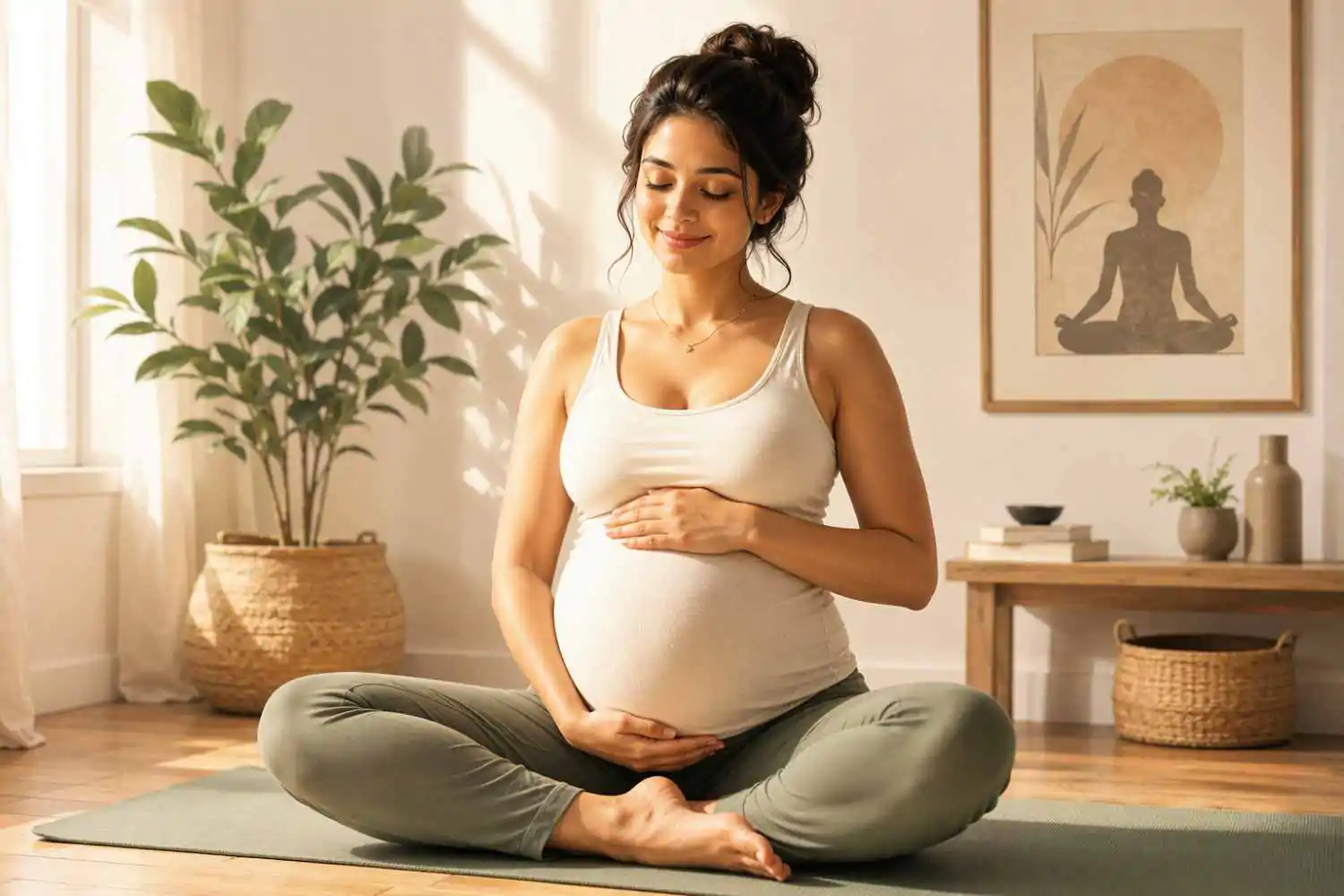
- Prenatal yoga helps you move safely through each stage of pregnancy with simple, supportive Yoga Poses for Pregnancy.
- The benefits of prenatal yoga include better body awareness, steadier breathing, and relief from common tension.
- Pregnancy yoga can support your lower body, pelvic floor, and changing posture as your belly grows.
- Many prenatal yoga classes are beginner-friendly, so you do not need past experience to start.
- Safe practice depends on your stage of pregnancy, props, and guidance from a qualified teacher.
- Trimester-based prenatal Yoga Poses for Pregnancy can improve comfort, balance, and relaxation.
Introduction of Yoga Poses for Pregnancy
Pregnancy yoga gives you a gentle way to stay connected to your changing body while making space for rest, strength, and calm. As your needs shift from the first trimester to the third trimester, the right Yoga Poses for Pregnancy can help ease tension, support movement, and encourage deep breaths. The benefits of prenatal yoga reach beyond flexibility. You may feel better posture, less stress, and more comfort in daily life. Best of all, you can begin with simple steps that match your energy and stage of pregnancy.
Understanding the Importance of Prenatal Yoga
Prenatal yoga matters because pregnancy brings steady body changes that affect comfort, balance, and energy levels. A thoughtful yoga practice helps pregnant women adjust with gentle movement, steady breathing, and better body awareness.
Just as important, the benefits of prenatal yoga include support for circulation, posture, relaxation, and daily aches. It can also help you feel more grounded as your growing baby changes the way you move and rest. These basics explain why prenatal yoga stands apart from regular classes.
What Makes Prenatal Yoga Unique?
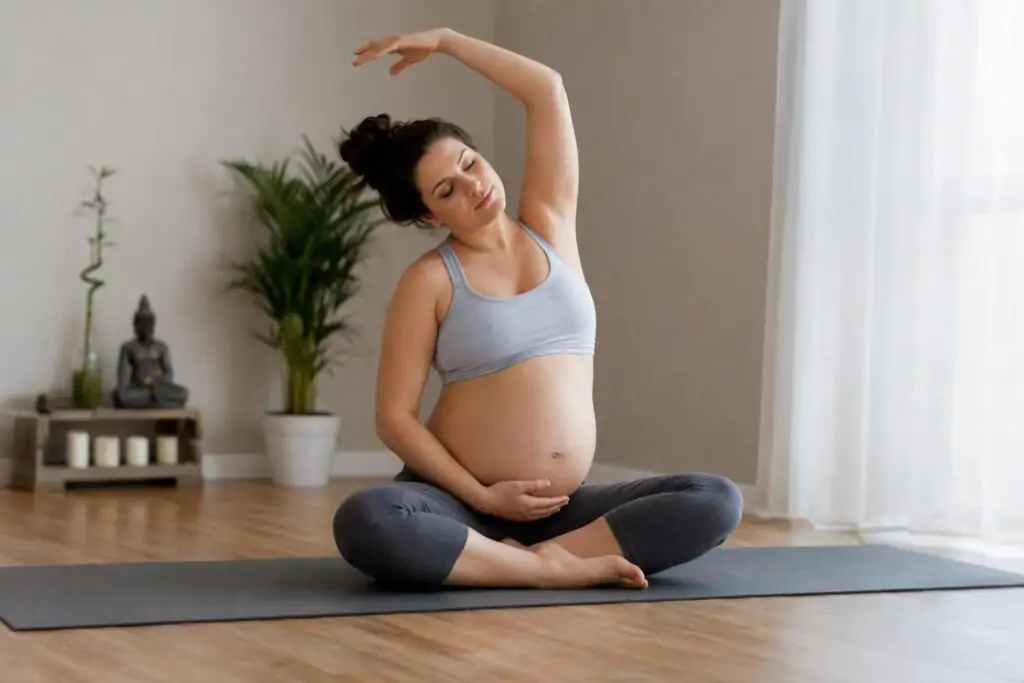
What sets prenatal yoga apart is its focus on safety and comfort during every stage of pregnancy. The Yoga Poses for Pregnancy are modified to avoid pressure on the belly, and many positions use props for support. There is also more attention on breathing and relaxation, not just stretching.
Another key difference is that prenatal yoga responds to real body changes. As your center of gravity shifts and your energy levels change, the practice adapts. You may use open space between the knees, avoid lying flat, or rest on your left side instead of your back.
For many pregnant women, this makes prenatal yoga suitable even if they are complete beginners. A yoga teacher with prenatal teacher training can guide simple movements, explain changes clearly, and help you feel safe from your first class onward.
Main Benefits of Practicing Yoga During Pregnancy
The benefits of prenatal yoga are both physical and emotional. As your body changes, gentle movement can help you stay comfortable without adding strain. It supports mobility, encourages deep relaxation, and helps you respond to discomfort with more ease.
You may notice support in several areas:
- Relief from lower back pain and pressure linked to a growing belly
- Better support for the pelvic floor and pelvic muscles through mindful movement
- Improved circulation, which may help reduce swelling and heaviness
- Calmer mental health through breathwork and quiet focus
There is also an emotional side to yoga practice. Slow breathing can settle the nervous system, lower stress, and help you feel more connected to your body and your baby. For many people, that steady rhythm makes pregnancy feel less overwhelming and more manageable.
Essential Considerations Before Starting Yoga in Pregnancy
Before you begin prenatal yoga, think about your stage of pregnancy and how your body feels day to day. Morning sickness, fatigue, balance shifts, and shortness of breath can all affect the way you move.
If you are new to pregnancy yoga, starting gently is the safest choice. Speak with your healthcare provider first, then look for a yoga teacher who understands pregnancy-specific needs. With the right support, even beginners can build a steady and comfortable practice.
Safety Tips and Medical Precautions for Expectant Mothers
Safety comes first in pregnancy yoga. Before trying new Yoga Poses for Pregnancy, check with your healthcare provider, especially if you are unsure how your current stage of pregnancy affects exercise. A safe class should feel supportive, not demanding.
Some medical precautions are simple but important:
- Avoid hot yoga because extra heat can make you feel unwell
- Skip poses that place pressure on the abdomen or growing uterus
- Limit lying flat on your back after around week 20 because of the vena cava, the major vein that supports blood flow
- Stay away from strong inversions and deep backbends
It also helps to move slowly and use props when needed. Stop if you feel pain, dizziness, or strong fatigue. The goal of pregnancy yoga is comfort, steadiness, and support, not pushing through discomfort or forcing progress.
When and How Often to Practice Prenatal Yoga
How often should you practice prenatal yoga? The best answer depends on your energy levels, comfort, and stage of pregnancy. Some days you may want a full yoga practice. On others, a few quiet stretches and deep breaths may feel like enough.
The compiled guidance shows that each trimester brings different needs. During the first trimester, fatigue and morning sickness may call for shorter sessions. In the second trimester, many women feel steadier and may enjoy a more regular routine. By the third trimester, comfort and relaxation often become the main focus.
So start with what feels manageable and consistent. Let the weeks of pregnancy guide your pace. A supportive practice done regularly, even in small amounts, is more useful than a long session that leaves you drained.
Getting Started with Prenatal Yoga: A Beginner’s Guide
Starting prenatal yoga does not need to feel complicated. Many pregnant women begin with a simple yoga practice that includes breathing, gentle mobility, and a few supported poses. You do not need advanced skills or long sessions.
A beginner-friendly yoga class can make the process easier. Look for a yoga teacher who explains movement clearly and offers safe options for different needs. Once you have the right setup, it becomes much easier to practice with confidence and comfort.
What You’ll Need: Equipment, Props, and Resources
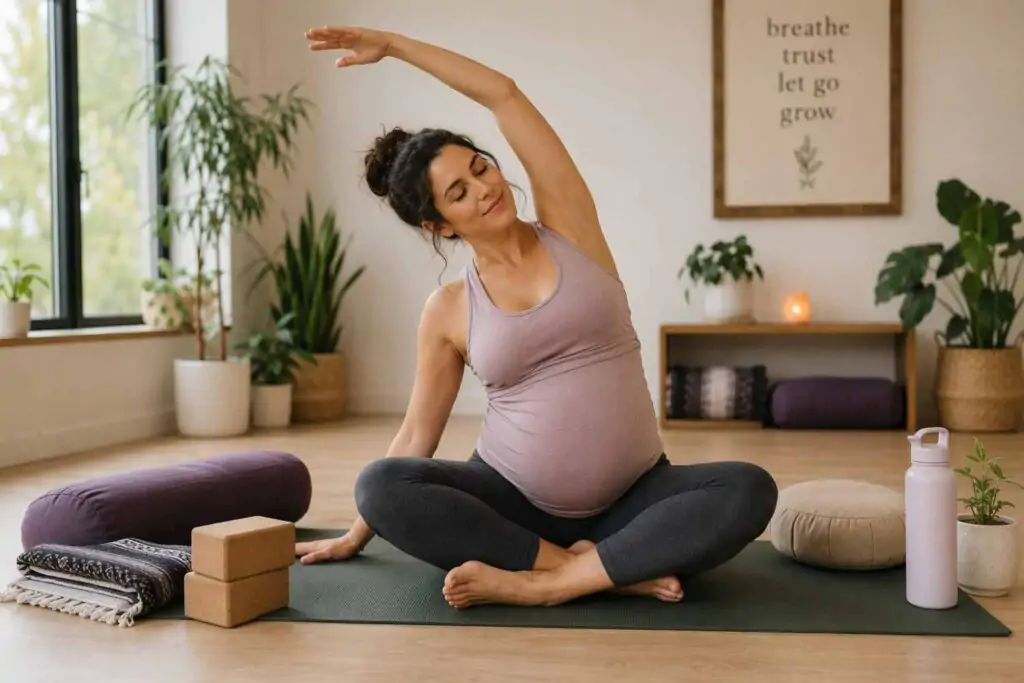
You do not need a long list of equipment to begin prenatal Yoga Poses for Pregnancy, but a few props can make a big difference. They help with balance, reduce strain, and create more space for your growing belly during movement and rest.
Helpful options include:
- A bolster or pillows for supported child’s pose, side-lying rest, or a seated position
- Blocks, blankets, or cushions to support bound angle pose and other floor-based shapes
- A wall or chair for extra stability in standing Yoga Poses for Pregnancy
These tools are especially useful in a yoga class, where a yoga teacher may suggest changes based on how you feel. Props are not a shortcut. They are part of a smart, safe practice that helps your body stay supported through each trimester.
Choosing the Right Environment for Your Practice
Your practice environment shapes how safe and relaxed you feel. A calm space with room to move, steady support nearby, and no pressure to keep up can make prenatal yoga more enjoyable. That matters even more when your balance or energy changes from week to week.
For many people, prenatal yoga classes offer this kind of environment. They often include simple sequences, clear pacing, and a sense of community that can feel reassuring during pregnancy. You are surrounded by others going through similar body changes, which can make the experience feel less isolating.
If you choose a class, look for someone with prenatal teacher training. A well-prepared instructor understands how to adapt poses for beginners, how to support comfort, and how to build a setting where rest is just as valued as movement.
Step-by-Step Guide: How to Begin Prenatal Yoga Safely
You can begin prenatal yoga safely by taking a few simple steps before your first session. This is especially helpful if you are new to pregnancy yoga and want clear guidance from the start.
Begin with your healthcare provider, then choose a qualified yoga teacher or class that fits your needs. After that, learn basic breathing techniques and a gentle warm-up. These steps create a safer foundation and help you move into practice with more confidence.
Step 1: Consult with Your Healthcare Provider
Your first step should always be a conversation with your healthcare provider. Even gentle pregnancy yoga affects the body, so it helps to confirm that movement is appropriate for your current health and comfort.
This matters even more if you have never practiced before. Many beginners can start prenatal yoga safely, but your stage of pregnancy should guide the types of movement you choose. A provider can help you understand whether you need extra caution with balance, fatigue, or positions on the floor.
Once you have that approval, it becomes easier to build a plan that feels safe. You will know what to avoid, what to modify, and how to move forward without guessing. That clarity can make your first sessions feel much less intimidating.
Step 2: Find a Qualified Prenatal Yoga Instructor or Class
Next, choose prenatal yoga classes led by a yoga teacher with the right teacher training. This is one of the easiest ways to make sure the poses, pace, and instructions match the needs of pregnancy rather than a general yoga class.
A trained instructor can offer beginner-friendly sequences and explain how to adjust for each stage of pregnancy. That may include using a wall, widening your base, or avoiding positions that feel awkward with a growing belly. Clear guidance helps you feel steady instead of unsure.
Classes can also offer a real sense of community. Being around others at a similar stage of pregnancy can make the experience feel supportive and normal. If you prefer shared learning and guided structure, this setup can be especially helpful.
Step 3: Learn Proper Breathing and Warm-Up Techniques
Before moving into Yoga Poses for Pregnancy, learn a few simple breathing techniques and warm-up patterns. In prenatal yoga, the breath is not an extra detail. It helps guide movement, improve blood flow, and create a steadier pace from the very beginning.
Gentle options like Cat-Cow in a tabletop position are useful warm-ups because they mobilize the spine without adding pressure. Slow transitions also give pregnant women time to notice how the body responds. That awareness can help prevent strain and reduce the chance of dizziness.
Breathing also supports emotional well-being. Steady inhales and exhales can calm the nervous system and reduce stress, which is why breathwork is often central to prenatal yoga. When your breath feels steady, the rest of the practice often feels more manageable too.
Top Yoga Poses for Each Trimester
The safest Yoga Poses for Pregnancy during pregnancy often depend on the trimester. Your changing body, balance, and comfort level all affect what feels supportive. That is why prenatal yoga works best when it changes with you.
In the first trimester, simple strength and spinal mobility can help. During the second trimester, hip openers and supported standing work often fit well. In the third trimester, comfort, breathing, and release become the focus as your growing belly asks for more space and support.
Safe and Effective Poses for the First, Second, and Third Trimesters
A trimester-based approach makes prenatal Yoga Poses for Pregnancy easier to follow. The first trimester often focuses on stability and gentle movement. The second trimester usually supports posture and balance. By the third trimester, many poses are chosen for comfort, hip mobility, and rest.
| Trimester | Helpful prenatal yoga poses | Main support |
|---|---|---|
| First trimester | Cat-Cow Pose, Warrior II | Eases back tension, builds strength and stability |
| Second trimester | Goddess Pose, modified Seated Forward Bend, Side-Lying Leg Lifts | Supports hips, lower body, and lower back |
| Third trimester | Malasana, Child’s Pose, Bound Angle Pose, Side-Lying Savasana, Pelvic Tilts | Encourages comfort, pelvic floor support, and relaxation |
If you want help with backache, Cat-Cow, Child’s Pose, Pelvic Tilts, and a modified seated forward fold are especially useful. These poses can reduce lower back pain while supporting your growing belly with less strain.
Modifications and Variations as Pregnancy Progresses
As pregnancy progresses, Yoga Poses for Pregnancy should change to match your comfort and body changes. What feels easy in early weeks may need more support later. The goal is not to hold onto the same version of a pose. It is to keep the movement safe and useful.
Common modifications include:
- Widening the knees or feet to make room for a growing belly
- Using blocks, bolsters, cushions, a wall, or a chair for support
- Shifting rest into side-lying positions instead of lying flat on the back
These changes help your prenatal yoga practice stay comfortable through each stage of pregnancy. They also support balance as your center of gravity changes. If a pose feels cramped, shaky, or tiring, that is often a sign it is time to adjust the shape.
Conclusion
In conclusion, practicing yoga during pregnancy can be a transformative experience, offering numerous physical and emotional benefits for expectant mothers. By embracing the essential poses tailored for each trimester, you can enhance your overall well-being and prepare your body for childbirth. Remember to prioritize safety and consult with healthcare professionals when embarking on this journey. If you’re ready to start your prenatal yoga practice or want to learn more about how it can support you during this special time, don’t hesitate to book a free consultation with our experts today. Your journey to a healthier pregnancy begins with the right guidance and support!
Frequently Asked Questions
Avoid yoga poses that compress the abdomen, strain the abdominal muscles, or increase the risk of falling. Hot yoga is also not recommended in pregnancy yoga. Strong inversions, deep backbends, and belly-down positions are best skipped. In prenatal yoga, comfort and steady support matter more than intensity.
Yes, prenatal yoga can help with back pain and other pregnancy discomforts. Gentle yoga poses like Cat-Cow, Child’s Pose, Pelvic Tilts, and a modified seated forward bend can ease lower back tension. They also support posture, movement, and relaxation as your body carries more weight.
Yes, prenatal yoga is often suitable for beginners. Many pregnant women start with no past yoga practice at all. A beginner-friendly yoga class led by a qualified yoga teacher can help you move safely, learn simple breathing, and adjust poses to match your comfort and stage of pregnancy.
Yes. Useful props for prenatal yoga poses include bolsters, pillows, blocks, blankets, cushions, chairs, and wall support. These tools help pregnant women stay comfortable and balanced during class. A yoga teacher may also suggest props to create more space and reduce strain in floor and standing poses.
In the first trimester, Cat-Cow and Warrior II are common safe choices. In the second trimester, Goddess Pose, side-lying leg lifts, and a modified seated forward bend are often helpful. In the third trimester, Child’s Pose, Bound Angle Pose, Side-Lying Savasana, and Pelvic Tilts offer gentle support.
For safety reasons, avoid hot yoga, strong inversions, deep backbends, and poses that place pressure on the belly or abdominal muscles. It is also wise to limit lying flat on your back later in pregnancy. Prenatal yoga should protect comfort, balance, and healthy blood flow.
Prenatal yoga supports emotional well-being by using slow movement and steady breathing to calm the nervous system. This kind of yoga practice can reduce stress, support mental health, and help you feel more connected to your body. For many people, pregnancy yoga brings a greater sense of calm and control.
Yes, beginner-friendly yoga sequences are available for pregnant women, especially in prenatal yoga classes. A good yoga class may include grounding breathwork, gentle standing poses, Cat-Cow, supported hip openers, and rest. A trained yoga teacher can keep the sequence simple, safe, and easy to follow.