
Key Highlights
- This guide compares yoga teacher training options in Rishikesh India and Dharamshala for beginners.
- You will see how each yoga school setting shapes your yoga ttc experience and daily routine.
- Rishikesh stands out for tradition, the River Ganga, and many Yoga Alliance programs.
- Dharamshala offers calmer surroundings near the Himalayan mountains and a quieter pace.
- The blog covers costs, accommodation, food, styles, certification, and application steps.
- If you want a softer, less crowded start, Dharamshala can feel like the better option through Mahiyoga.
Introduction
Starting yoga teacher training is a big step, especially when you are choosing between two well-known destinations in India. Many beginners compare Rishikesh and Dharamshala because both support a meaningful yoga journey and strong personal growth. Still, the right place depends on how you want to learn, live, and feel each day. This guide helps you understand the real differences so you can choose with more clarity and begin your training with confidence.
Introducing Yoga Teacher Training Courses (TTC) in India
Yoga teacher training courses in India are designed to build your practice step by step. They usually combine asana, pranayama, meditation, philosophy, anatomy, and teaching practice. For many students, this creates a fuller yoga experience than regular studio classes.
Because India is the birthplace of yoga, many travelers see it as the natural place to begin yoga teacher training. If you are searching for the best yoga teacher training, it helps to first understand what a TTC is, why India matters, and why beginners keep choosing this path.
What is Yoga TTC and Who Should Consider It
A yoga ttc is an intensive learning program that teaches more than physical postures. It covers yoga philosophy, anatomy, meditation, pranayama, and teaching methodology. The aim is to help you deepen your own practice while also preparing you to grow into a yoga teacher if that is your goal.
You do not need to be advanced to join many teacher training courses. A 200-hour course is often made for beginners who want a strong base. It suits people who want structure, discipline, and a more serious yoga journey.
- Beginners who want guided yoga teacher training
- Practitioners who want to improve confidence and knowledge
- Future teachers who want skills to lead yoga classes safely
If you want both personal change and professional direction, a yoga ttc can be the right next step.
India as the Birthplace of Yoga
India holds a special place in yoga training because yoga began here. Many students feel that learning in India connects them more closely to yoga’s roots, traditional ideas, and long-standing practices. That sense of origin can make the whole experience feel more grounded.
Places such as Rishikesh are often called the yoga capital of the world. This reputation comes from the presence of yoga ashrams, experienced yoga gurus, and a setting linked with study, discipline, and inward work. For many people, that creates a strong pull.
At the same time, India is not only about tradition. It also offers a path for spiritual growth through daily practice, simple living, and focused study. If you want yoga in its original cultural setting, India remains one of the clearest choices.
The Growing Popularity of Yoga TTC Among Beginners
More beginners are joining yoga ttc programs because regular yoga classes often leave them wanting more depth. A training course offers routine, close guidance, and a chance to understand why yoga works, not just how to copy shapes on a mat.
Another reason is accessibility. Many yoga teacher training programs now welcome students with modest experience, especially at the 200-hour level. This makes the path less intimidating for beginners who are curious but unsure if they are ready.
International students also help drive this growth. In places like Rishikesh, people from many countries study together, which adds support and shared motivation. For a beginner, that kind of community can make the first training feel less overwhelming and much more encouraging.
Why Rishikesh and Dharamshala Are Top Choices for Yoga TTC
Rishikesh India and Dharamshala both attract students who want yoga training in a mountain setting. Each place offers a yoga school environment away from fast city life, which helps you focus on practice, rest, and daily discipline.
Even so, they do not feel the same. Rishikesh is known for its spiritual reputation and wide range of schools, while Dharamshala is loved for its quieter mood near the Himalayan foothills. To choose wisely, you need to look at what makes each destination special.
The Spiritual Significance of Rishikesh
Rishikesh India is widely known as the yoga capital of the world. Many students choose it because the city has a long yoga culture, many trained teachers, and a large number of registered schools. If you are asking what makes Rishikesh a popular destination for yoga teacher training courses, this strong foundation is a major reason.
The setting adds to its appeal. Rishikesh sits near the Ganges River, also called the River Ganga, and many schools describe the city as spiritually charged. Yoga ashram life, chanting, meditation, and visits to Ganga Aarti help create an immersive learning atmosphere.
There is also variety. Students can find short courses, 200-hour, 300-hour, and 500-hour programs, plus styles like Ashtanga, Vinyasa, Yin, Aerial, and Prenatal yoga. For someone who wants options and tradition together, Rishikesh feels rich and active.
The Himalayan Tranquility of Dharamshala
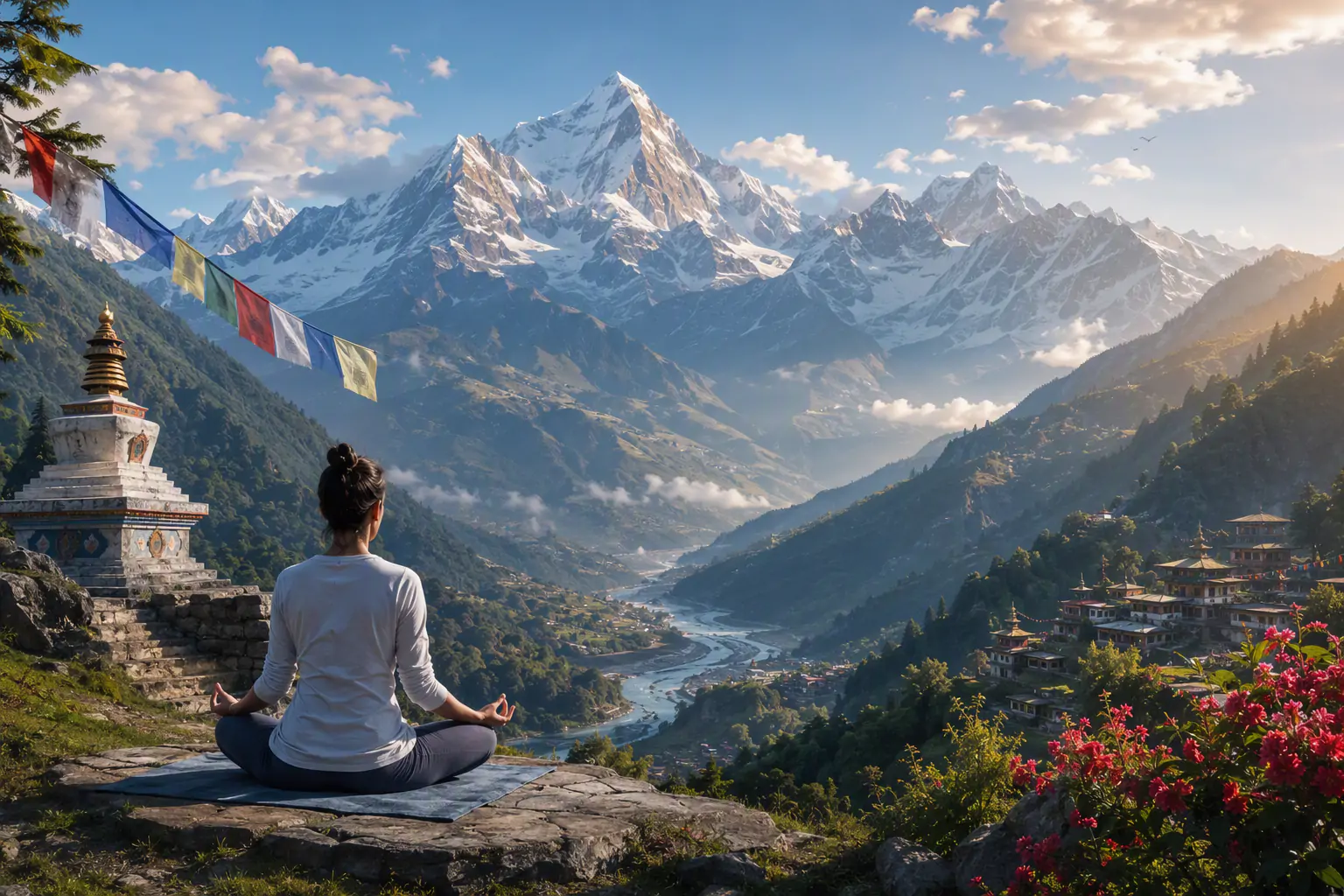
Dharamshala offers a different kind of pull. Instead of a busy yoga hub, you get a slower, quieter environment in the Himalayan mountains. That can be a real advantage if you are a beginner who wants fewer distractions and more space to settle into practice.
Many students look for spiritual energy, but not everyone wants constant movement around them. Dharamshala can give you that inward feeling in a gentler way. The mountain atmosphere, cooler climate, and peaceful surroundings support rest as much as effort.
This can shape your yoga experience in a meaningful way. If you learn better in calm places, Dharamshala may feel easier on your nervous system than a more crowded destination. For many first-time trainees, that simplicity is not a small detail. It can change everything.
How Both Destinations Attract International Students
Both destinations appeal to international students because they promise more than technical learning. People travel to India not only to study poses, but also to reset their lifestyle, meet like-minded people, and reconnect with purpose. That matters to many spiritual seekers.
Rishikesh attracts students with its global reputation, many course choices, and internationally recognized certification at schools registered with Yoga Alliance USA. Dharamshala, by contrast, appeals to those who want a quieter yoga journey and more reflective surroundings.
In both places, a yoga school can become a temporary home. Students share meals, practice together, and build friendships across cultures. That mix of study, support, and community is a big reason why people keep returning to India for teacher training.
Key Differences Between Yoga TTC in Rishikesh vs. Dharamshala
When you compare yoga ttc options in Rishikesh India and Dharamshala, the biggest differences are not only about course content. Your surroundings, daily rhythm, and the overall feel of the yoga school can shape how comfortable and focused you feel.
Rishikesh often gives you more choice, stronger visibility, and a classic yoga city atmosphere. Dharamshala usually offers more quiet, mountain calm, and a softer pace. These practical and emotional differences matter, especially when you are choosing your first training.
Climate and Natural Setting
Climate can affect your concentration more than you expect. Some students enjoy the warmth and energy of Rishikesh, while others feel better in cooler places. Since yoga training is intensive, your comfort with weather and altitude should be part of your decision.
Rishikesh is set in the Himalayan foothills near the River Ganga, with greenery, hills, and access to outdoor excursions. Dharamshala, closer to the higher mountain environment, generally feels quieter and more wrapped in nature. That changes the mood of your natural setting.
- Rishikesh: lively, spiritual, river-based, and active
- Dharamshala: cooler, calmer, and more mountain-centered
- Your ideal choice depends on whether you prefer energy or quiet
If you want a peaceful start with less outside stimulation, Dharamshala often feels more beginner-friendly.
Cultural Experience and Local Lifestyle
Rishikesh gives you a strong cultural experience tied closely to Indian culture, yoga traditions, ashram life, and public spiritual practices. You may attend Ganga Aarti, visit temples, and study in a place where yoga is part of daily identity. For many students, that feels powerful and memorable.
Still, a busy spiritual town is not the same as a calm local lifestyle. Rishikesh can feel full, social, and constantly active, especially in popular training areas. Some beginners love that energy, but others may find it a lot to absorb during an intensive course.
Dharamshala offers a different atmosphere. It still carries spiritual energy, but often in a quieter, more reflective way. If you want less crowd pressure and a slower rhythm outside class, Dharamshala may suit your learning style better.
Types of Yoga Schools Available
Rishikesh has a wide spread of yoga school options. Based on the available information, schools there offer beginner and advanced teacher training, specialized short courses, and a mix of traditional and modern methods. This gives students many choices, but it also means more research is needed.
Common course offerings in Rishikesh include Hatha yoga, Vinyasa yoga, Ashtanga yoga, Yin yoga, Aerial yoga, and Prenatal programs. Many are Yoga Alliance certified, which helps students looking for international recognition after graduation.
- Multi-style and specialized training are easier to find in Rishikesh
- Yoga Alliance certified schools are widely available there
- Dharamshala may offer fewer choices but a more focused environment
If you want a simpler decision with fewer competing options, Dharamshala can feel less overwhelming from the start.
Beginner’s Guide: How to Prepare for Your Yoga TTC Journey
Preparing well can change your yoga ttc from stressful to steady. Your first step is not only choosing a school. You also need to think about what to pack, how to compare reviews, and what budget fits your yoga journey.
A little planning helps you enjoy the yoga experience more once training begins. Instead of rushing through decisions, look at practical details early. The next sections break down equipment, school research, and money so you can arrive feeling ready rather than uncertain.
Essential Equipment and Packing List for Yoga TTC
Packing for yoga training should be simple but thoughtful. You do not need too much, but the right essentials can make daily life easier. Since teacher training is intense, comfort, hygiene, and a few practical tools matter more than extra clothing or travel extras.
The compiled guidance for Rishikesh suggests bringing comfortable footwear, personal medicine, and basic travel support items. These are useful for any long yoga journey in India, especially if you are adjusting to a new climate and routine.
- Comfortable sandals, flip-flops, and hiking shoes
- Prescription medicine, ORS packets, and spare glasses
- Hand sanitizer, tissues, sunscreen, and mosquito repellent
- A quick-dry towel, electrical adapter, flashlight, and some local cash
Good essential equipment supports consistency. When your daily needs are covered, you can stay focused on practice, study, and rest instead of solving small problems every day.
Researching Yoga TTC Programs and Reviews
Before booking any yoga ttc, spend time checking the yoga school carefully. The compiled information strongly advises students to look at review quality, number of reviews, and social media presence. This helps you avoid making a decision based only on marketing claims.
A smart approach is to shortlist schools with strong ratings and a good number of reviews. Then check their Instagram or Facebook presence, course details, teacher background, and what former students say about food, accommodation, class size, and support.
This matters because yoga teacher training programs vary a lot. Some feel organized and authentic, while others may not match your expectations. If you read reviews with care and compare details patiently, you are more likely to choose a school that fits your needs and your personality.
Budgeting for Your Yoga Teacher Training in India
Your budget for yoga teacher training in India should include more than course fees. Accommodation type, food, travel, and extra materials can affect the total cost. If you plan only for tuition, your yoga journey may feel tighter than expected once you arrive.
The compiled information explains that room choice can raise or lower prices. Shared or basic rooms cost less, while private or more comfortable stays cost more. Course length also matters. Short yoga courses are cheaper, and longer residential programs cost more because they include extended lodging and meals.
It helps to list your must-haves before booking. Do you want a private room, airport travel, or extra excursions? Once you know that, your budget becomes more realistic. That clarity makes it easier to choose between a busier center like Rishikesh and a quieter option like Dharamshala.
Step-by-Step Guide to Enrolling in Yoga TTC in Rishikesh or Dharamshala
Enrolling in a yoga ttc in Rishikesh India or Dharamshala becomes much easier when you break it into steps. You do not need to figure out everything at once. Start with your goals, then compare schools, certifications, and the application process.
This helps you choose a yoga teacher training course with less confusion. It also reduces the chance of picking a program that looks good online but does not match what you actually need. Let’s go step by step so your decision feels more solid.
Step 1: Identifying Your Goals and Preferred Yoga Style
Begin with your reason for joining. Do you want to become a teacher, deepen your practice, or build discipline? Your yoga goals should guide the whole process. If you skip this step, it becomes harder to judge whether a school is truly right for you.
Next, think about yoga style. Some students prefer the structure of Hatha yoga, while others enjoy the stronger flow of Ashtanga yoga. If your body or mood needs a slower approach, Yin yoga may feel more supportive. Each style creates a different training experience.
This first step matters because course content often reflects the school’s main identity. If you enjoy dynamic movement, a Vinyasa or Ashtanga-focused program may suit you. If you want a softer, balanced beginning, choose the environment and style that match your learning pace.
Step 2: Comparing Yoga TTC Schools and Course Structures
Once you know your goals, compare each yoga ttc by structure rather than by advertising words. A strong yoga school should clearly explain duration, style, level, subjects, accommodation, and whether meals are included. This gives you a better picture of daily life and study depth.
The compiled information for Rishikesh schools shows clear course structure differences: 12-day, 24-day, 27-day, and 8-week formats, each aimed at a different level. That kind of detail helps you judge whether a program is beginner-friendly or more advanced.
- Check duration and whether it suits your stamina
- Review subjects like anatomy, philosophy, and teaching practice
- Compare class size, housing, and meal support
The best yoga teacher training for you is not always the most famous one. It is the one whose course structure matches your needs from start to finish.
Step 3: Understanding Certification and Accreditation (Yoga Alliance, etc.)
Certification matters if you want formal recognition after training. Many students ask whether schools in Rishikesh are linked to Yoga Alliance. Based on the compiled information, several programs are run by a registered yoga school and are connected to Yoga Alliance USA.
This means that after successful completion of an eligible course, students may use that training toward recognized registration, such as RYT-200. For beginners, this can be helpful if you may want to teach later, either in India or abroad.
Still, yoga certification should not be your only filter. A certificate has more value when it comes from a school with experienced teachers, a strong curriculum, and real student support. Accreditation is important, but the quality of actual learning still matters just as much.
Step 4: Checking Eligibility Requirements and Application Process
Many beginners wonder about eligibility for a yoga ttc in Rishikesh. Based on the compiled information, 200-hour programs are designed for beginners who want to build a strong foundation. Schools also note that dedication, patience, and a stable state of mind are important for a yoga teacher training course.
The general application process is usually straightforward. First, you choose the level and style, then research the school, read reviews, and contact the team to clarify doubts. Some schools may also share practice videos or reading recommendations before you arrive.
- Select the course level and dates
- Check reviews, social profiles, and school details
- Contact the school and complete the application inquiry
If you are sincere, physically able to participate, and ready for an intensive schedule, you likely meet the basic eligibility expected from most beginner-level programs.
Step 5: Submitting Your Application and Securing a Spot
After choosing your school, complete the application without waiting too long. This is especially useful for popular yoga teacher training programs where room type, batch size, and course dates may fill early. Your first step should be followed by timely action.
Before paying, make sure you understand what is included. Check accommodation, meals, course level, and any exclusions such as airport transfer, local travel, or medical costs. This reduces surprises later and helps you feel clear about the commitment.
Once your application is accepted, confirm your booking properly to secure a spot. Then you can shift your focus from research to preparation. At that stage, your energy moves from comparing options to getting ready for the real work of practice and learning.
What to Expect in a 200-Hour Yoga Teacher Training Course
A 200-hour yoga teacher training is usually your entry point into structured yoga education. In Rishikesh, compiled course details show that beginner programs focus on building a strong foundation through asana, pranayama, meditation, alignment, philosophy, and teaching skills.
You should expect intensity, routine, and personal change. These hour yoga ttc programs are not casual yoga courses. They ask for daily effort and mental presence. At the same time, they are designed to help beginners improve practice, confidence, and understanding in a supportive residential setting.
Daily Schedule and Typical Routine
If you are wondering about the daily schedule during yoga teacher training in Rishikesh, the compiled example shows a full and disciplined yoga routine. Students often begin around 5:45 am and continue through evening, with practice, meals, theory classes, and rest periods built into the day.
The rhythm usually includes pranayama, cleansing, morning practice, breakfast, anatomy, philosophy, alignment, meditation, and evening Ashtanga practice. It is a long day, but each part supports the others and helps students build stamina and consistency.
- Early herbal tea followed by pranayama and cleansing
- Morning and evening yoga classes with theory in between
- Dinner followed by early bedtime
This type of structure is common in intensive yoga teacher training. You can expect long days, focused learning, and very little wasted time.
Curriculum Overview: Asana, Pranayama, Meditation, and Philosophy
The curriculum in an hour yoga teacher training usually aims to develop both practice and understanding. Based on the compiled course details, students study asana through styles such as Ashtanga and Vinyasa, while also learning alignment and how movement connects with breath.
Pranayama and meditation are central parts of the experience. They help you work with energy, attention, and inner steadiness, not only physical flexibility. This is important because teacher training is meant to shape your full relationship with yoga, not just your posture practice.
Yoga philosophy gives context to everything else. The available information mentions topics such as Patanjali’s Yoga Sutras, the eight limbs, ethical principles, Bhagavad Gita themes, and classical paths like Karma and Bhakti. These subjects help make the training more complete and meaningful.
Assessments and Certification Process
Assessment in yoga teacher training is not only about passing a test. The compiled information points to weekly supervised teaching assignments, practical guidance, and structured learning across theory and practice. This means your progress is often observed in real teaching situations as well as in class performance.
By the end of the course, successful students may receive yoga certification from schools registered with Yoga Alliance USA, depending on the program. This is one reason many people ask about certification before enrolling. It can support future teaching plans and international recognition.
Still, certification should reflect real capability. A meaningful yoga certification comes from consistent attendance, sincere effort, and the ability to teach with clarity and safety. The best programs help you earn more than a document. They help you build genuine confidence.
Main Yoga Styles Taught: Rishikesh vs. Dharamshala
When comparing yoga styles in Rishikesh India and Dharamshala, your main question should be simple: what kind of practice helps you learn best? The compiled information for Rishikesh highlights several styles, from Hatha yoga to Ashtanga yoga and Vinyasa yoga.
That variety is helpful, but it can also make the decision harder for beginners. Dharamshala may appeal more if you want a calmer setting while studying any of these traditions. To choose well, it helps to understand what each style generally asks from your body and mind.
Hatha Yoga
Hatha yoga is commonly understood as a foundational style that helps students work carefully with breath, alignment, and physical postures. In teacher training courses, it often supports beginners because it encourages steadiness and body awareness rather than constant speed.
For anyone asking about the main styles taught in Rishikesh TTC programs, Hatha yoga is part of the broader training conversation alongside Ashtanga and Vinyasa. Even when a school emphasizes dynamic forms, Hatha principles still shape alignment, breathing, and mindful movement.
This makes Hatha useful for a future yoga teacher. It can help you understand how to hold, guide, and explain poses with more care. If you want a slower and clearer entry into yoga ttc study, Hatha-based learning often gives that strong base.
Ashtanga Yoga
Ashtanga yoga is one of the clearest style identities in the compiled information for Rishikesh programs. Schools describe their beginner 200-hour courses as covering the Ashtanga Primary Series, while advanced levels move into deeper work. That makes Ashtanga a central part of many courses there.
This style is structured, disciplined, and physically demanding. In an ashtanga vinyasa approach, breath and movement are linked through a set sequence. For some students, that repeatable structure is very helpful because it creates consistency and shows progress over time.
Still, not everyone wants that intensity as their first yoga training experience. If you prefer a gentler start and less pressure from a strong physical method, learning in a calmer place like Dharamshala may feel more supportive even if Ashtanga is part of the curriculum.
Vinyasa Yoga
Vinyasa yoga is described in the compiled information as a flowing practice where one pose moves into the next with the breath. This vinyasa flow approach is dynamic and can build strength, flexibility, breath awareness, and mindfulness through movement.
In many Rishikesh yoga classes, Vinyasa appears as a major teaching style, often paired with Ashtanga. Schools also mention modern variations such as Power Vinyasa and Acro Vinyasa. For students who enjoy movement and rhythm, this can make the yoga experience engaging and energizing.
At the same time, dynamic flow is not the best fit for everyone. Beginners who want more ease between sessions may prefer practicing Vinyasa in a quieter destination. When the location itself feels calm, the stronger flow of the style can become easier to absorb.
Kundalini and Other Specialty Styles
Beyond the major styles, some programs include specialty elements that widen your practice. The compiled information mentions Yin yoga and sound healing, while broader wellness language also points toward holistic healing as part of the training environment. These additions can balance more active styles.
For beginners, specialty sessions can be valuable because they introduce stillness, recovery, and inner listening. Not every student thrives on strong physical practice every day. Slower or restorative elements may help you stay steady through an intensive course.
- Yin yoga supports deep rest and meditative stillness
- Sound healing adds another layer to relaxation and focus
- Holistic healing approaches can complement daily training
If you are looking for a softer overall journey, a peaceful place like Dharamshala may pair especially well with these gentler methods, and brands like Mahiyoga reflect that appeal.
Accommodation and Food During Yoga TTC
Accommodation and food shape your yoga ttc almost as much as the classes do. During an intensive course, you need rest, clean space, and meals that support your energy. That is why every good yoga school should explain these details clearly before you book.
In Rishikesh, compiled information shows that many programs include residential accommodation and vegetarian meals. Dharamshala options may differ by school, but the same principle applies. A comfortable stay can make your yoga journey much smoother, especially if you are new to India.
Typical Accommodation Standards in Rishikesh
Rishikesh India offers many residential training setups, and the compiled details show common features clearly. Students may stay in budget ashram-style rooms with private bathrooms, hot water, WiFi, balconies, and access to peaceful practice spaces. This kind of accommodation supports long training days without adding luxury-focused distraction.
Many schools also highlight their quiet setting away from hectic town areas. That can help with sleep, concentration, and recovery. When the yoga school is close enough to key places but not in the noisiest part of town, students often get the best balance.
- Private bathroom with hot water
- WiFi and basic room comfort
- Practice areas and yoga halls in a residential setting
If you ask what accommodation options are common in Rishikesh, the answer is usually simple, functional, and designed to support study rather than indulgence.
Accommodation Options in Dharamshala
Accommodation in Dharamshala is often appealing for a different reason. Instead of the classic yoga city feel, the draw is the surrounding stillness. Staying in the Himalayan mountains can support rest in a deep way, especially during a demanding yoga ttc.
For many beginners, sleep quality and mental quiet are just as important as room features. Dharamshala’s calmer environment may help you settle more easily after long practice days. That can improve how you absorb lessons, recover physically, and handle emotional ups and downs.
This is where spiritual energy becomes practical, not just poetic. A peaceful room in a mountain setting can reduce stress and help you stay centered. If you value that kind of support, Dharamshala may feel like the easier place to live while training.
Yogic Diet and Meal Plans
The compiled information for Rishikesh gives a clear picture of the typical yogic diet. Schools often provide fresh, organic, sattvic, vegetarian food, usually served three times a day, with herbal tea included in some programs. This style of eating is meant to support healthy eating and steady energy.
A yogic diet generally includes simple meals such as lentils, chapatti, rice, beans, soup, and vegetables. The idea is not heavy flavor or excess, but food that feels clean and useful for practice. For many students, this becomes an important part of the yoga experience.
- Vegetarian food served in a simple sattvic style
- Regular meal plans built around training hours
- Fresh ingredients that support light but steady energy
If you are worried about food during training, know that simplicity is usually intentional and designed to help your body perform and recover.
Cost Comparison: Yoga TTC in Rishikesh vs. Dharamshala
Cost is often one of the first things beginners check when comparing yoga ttc options in Rishikesh India and Dharamshala. Based on the compiled information, Rishikesh has a broad range of yoga courses, from short programs to full residential teacher trainings.
Your final spend depends on more than tuition. Room type, course length, meals, travel, and extras all matter. Dharamshala pricing is not detailed in the compiled material, so the safest comparison is to understand how Rishikesh costs are structured and use that as your reference point.
Tuition Fees Breakdown
If you are asking how much a typical yoga teacher training course in Rishikesh costs, the compiled information gives several examples. For a 200-hour beginner program, published fees around Rishikesh range roughly from $800 to $1350, depending on the school, accommodation, and what is included.
Some schools also list shorter and longer options, which changes tuition fees a lot. This is why comparing only one number can be misleading. A yoga school may look cheaper at first, but the duration or included services may be different.
| Course Type | Duration | Approximate Fee |
|---|---|---|
| 100-hour YTTC | 12 days | $950 |
| 200-hour YTTC | 24 days | $1000-$1350 |
| 300-hour YTTC | 27 days | $1300-$1400 |
| 500-hour YTTC | 8 weeks | $2700 |
| Short specialty courses | 5 nights/6 days | $249-$499 |
When you compare hour yoga teacher training prices, always check what the fee actually covers.
Additional Costs: Travel, Meals, and Materials
Tuition is only one part of the total costs. The compiled information notes several extra expenses students should keep in mind before booking yoga teacher training in India. These can shift your budget quickly if you do not plan ahead.
Travel is one major factor. You may need an international flight to Delhi, then a domestic flight to Dehradun Airport, or a train or bus to Rishikesh. Some schools also exclude airport transfer, local travel, medical costs, water rafting, or other optional outings.
- Travel from Delhi by air, bus, or train
- Extra materials, personal items, and local transport
- Medical expenses or activities not included in the fee
Meals are often included in residential courses, but not always in every format. So before paying, check the details carefully and calculate the full picture, not just the advertised course price.
Scholarships and Early Bird Discounts
The compiled information does not give detailed scholarship policies, so you should not assume they are available at every school. Still, some course listings do show varied pricing, such as a higher and lower fee range for the same program. That suggests discounts can exist.
When you research yoga courses, look closely at the listed fee structure. If a school shows two prices, there may be a seasonal offer, early booking reduction, or room-based pricing difference. The only way to know is to ask directly and get clear confirmation.
For any yoga ttc, price transparency matters more than a promotional number. A modest discount is helpful, but only if the course quality, accommodation, and teaching support remain strong. Choose value, not only the cheapest option.
Safety, Comfort, and Community for International Students
For international students, safety and comfort are part of learning well. If you feel unsure about food, communication, transport, or hygiene, it can affect your focus during yoga ttc. That is why practical support matters just as much as spiritual teaching.
The compiled information from Rishikesh shows that many schools attract a strong yoga community from around the world. That helps new students settle in. Still, it is wise to think about communication, health habits, and how you will build support once you arrive.
Language, Communication, and Support
Good language support can make your training much easier, especially if you are traveling to India for the first time. The compiled student feedback from Rishikesh suggests that organized staff and responsive school managers can be a big help with logistics, questions, and problem-solving.
This kind of communication matters before and during the course. Students may need help with visas, travel planning, room questions, or daily concerns after arrival. A well-run yoga school should answer clearly and guide you without making things harder than they need to be.
Support also shows up in small ways. Helpful staff, teachers who are approachable, and classmates from many countries can reduce anxiety quickly. If you want a smoother first training experience, choose a school that communicates with care and consistency from the start.
Health, Hygiene, and Well-being
Your health and well-being need attention during yoga teacher training because the schedule is demanding. The compiled safety advice for Rishikesh is practical: drink mineral water, eat freshly cooked food, and seek help early if you feel sick. These simple habits can prevent bigger problems.
It is also smart to carry personal medicine and basic support items. If you have any condition that may affect your practice, such as concerns around blood pressure, speak with the school and listen to your body. Intensive training is rewarding, but it still requires common sense.
- Drink sealed mineral water and avoid unsafe sources
- Choose fresh food and ask for help if you feel unwell
- Consider travel insurance and carry needed medication
A school can support you, but your own awareness matters too. Healthy routines make the whole experience more stable and enjoyable.
Making Friends and Building a Global Network
One of the best parts of training in India is the chance to meet people from many backgrounds. The compiled information about Rishikesh repeatedly notes that students come from around the world, which naturally creates a strong yoga community during shared living and study.
This makes it easier to build friends quickly. You eat together, practice together, and move through the same challenges day by day. That shared effort often creates honest connection much faster than in regular travel settings or drop-in yoga classes.
Over time, those friendships can become a global network. You may leave with classmates who become future collaborators, travel companions, or long-term support in your practice. For many international students, that sense of connection becomes one of the most lasting parts of the whole journey.
Unique Experiences: Exploring Rishikesh and Dharamshala Outside the Classroom
Your training does not end when class finishes. Both Rishikesh India and Dharamshala offer unique experiences outside scheduled lessons, and these moments often deepen your yoga journey in unexpected ways.
In Rishikesh, the compiled information highlights excursions, Ganga Aarti, and nearby nature spots. Dharamshala brings a different mood through mountain walks and Tibetan cultural presence. Add spiritual events and festi
vals, and your course can become more than study. It can feel like a full imm
ersion in place.
Local Sights and Weekend Activities in Rishikesh
Rishikesh India offers plenty to explore during off-hours. The compiled information mentions Ganga Aarti, Himalayan temples, waterfall outings, local wildlife picnics, and walks near Laxman Jhoola. These experiences add variety to an otherwise intense training schedule.
Because Rishikesh is known as the yoga capital of the world, much of the local atmosphere supports spiritual practice. Even a simple evening walk near the River Ganga can feel like part of your learning. That is one reason many students remember the place so vividly.
- Ganga Aarti and visits to temples
- Weekend excursions to waterfalls and nature spots
- Walks near market areas and the river
As for certification, many yoga teacher training courses in Rishikesh are indeed certified through Yoga Alliance if the school is properly registered. Always confirm that directly before booking.
Nature Walks, Monasteries, and Tibetan Culture in Dharamshala
Dharamshala offers a different kind of enrichment outside the classroom. Instead of a busier yoga town atmosphere, you are surrounded by the Himalayan mountains, where simple walks and quiet views can become part of your daily reset. For many beginners, this feels deeply supportive.
The presence of monasteries and Tibetan culture also gives Dharamshala a distinctive identity. That creates a spiritual setting that is calm without being loud or crowded. If you connect with reflective environments, this can shape your training in a very positive way.
That quiet spiritual energy is one reason Dharamshala stands apart. You may not get the same yoga-city intensity as Rishikesh, but you gain another kind of depth. For some students, especially first-timers, that can feel more nourishing and easier to integrate.
Spiritual Events and Yoga Festivals
Spiritual events can make your training feel more alive. In Rishikesh, the compiled information points to Ganga Aarti, chanting, meditation, and yoga ashram culture as regular parts of the wider environment. These are not just tourist moments. They often deepen the mood of practice.
Yoga festivals and shared gatherings can also strengthen your yoga community. Even when not formally part of the course, they give you a chance to experience yoga beyond the classroom and connect with other students and teachers in a more open way.
- Public spiritual events such as Ganga Aarti
- Ashram-based chanting and meditation culture
- Group excursions that strengthen community feeling
If you want a quieter approach to spirituality, Dharamshala may still suit you better. But if you want frequent visible spiritual events, Rishikesh offers more of that atmosphere.
How to Select the Best Yoga TTC School for Your Needs
Choosing the best yoga teacher training is not about picking the most advertised name. You need a yoga school that matches your goals, comfort level, learning style, and budget. This becomes even more important when comparing very active destinations with quieter ones.
Some students want a wide choice of yoga teacher training programs and Yoga Alliance links. Others want peace, personal attention, and less crowd energy. Both are valid. The best choice is the one that helps you learn well, not the one that simply looks impressive online.
Factors to Consider: Reviews, Teachers, and Facilities
If you are asking how to choose the best yoga teacher training school in Rishikesh, start with proof rather than promises. The compiled information recommends checking reviews, social media profiles, number of students, teacher background, and course structure before making any payment.
Teachers matter a lot. Look for experienced instructors, clear course details, and honest student feedback about teaching quality, not only scenery. Facilities also affect your yoga journey. A peaceful location, clean rooms, and dependable food can support learning in a very practical way.
- Read reviews across platforms, not only the website
- Check teacher experience and style focus
- Compare facilities such as accommodation and class environment
The best yoga teacher for you may not be the most famous one. It is the person and place that help you feel guided, safe, and ready to grow.
Yoga Alliance Certification and International Recognition
Yoga Alliance certification matters for many students because it supports international recognition after training. The compiled material clearly shows that some Rishikesh schools are registered with Yoga Alliance USA and offer 200-hour, 300-hour, and 500-hour programs linked to that system.
This can be useful if you want a structured path toward teaching in other countries. When a school is recognized through Yoga Alliance USA, students often feel more confident that the training meets a commonly understood standard. That said, certification is one part of the picture, not the whole picture.
Strong yoga teacher training programs need quality teaching, thoughtful curriculum, and a supportive environment. International recognition helps, but real transformation comes from what happens in the classroom, on the mat, and in your daily routine throughout the course.
Comparing Mahiyoga Dharamshala with Top Rishikesh Schools
Top schools in Rishikesh India often stand out for range. The compiled information shows extensive course choices, large student reach, Yoga Alliance registration, and strong visibility. For many students, that makes Rishikesh an easy place to find a registered yoga school with proven systems.
Yet more choice does not always mean a better personal fit. Mahiyoga in Dharamshala can be the better option if you want a less crowded setting, calmer surroundings, and a gentler beginning to training. That matters for beginners who learn best in quieter environments.
So when comparing Mahiyoga with top Rishikesh schools, ask yourself one honest question: do you want maximum variety, or the most supportive atmosphere for your first deep training? For many new students, Dharamshala answers that question more comfortably.
Advantages of Choosing Dharamshala for Your Yoga TTC
The tranquil atmosphere of Dharamshala offers an ideal sanctuary for yoga teacher training. Nestled in the mesmerizing Himalayan foothills, this location ensures cleaner air and a serene environment, enhancing one’s yoga practice. Additionally, smaller class sizes promote personalized attention from experienced yoga teachers, allowing for tailored guidance in your yoga journey. Combining Indian and Tibetan spirituality creates a unique cultural backdrop that enriches the overall learning experience. Spotlighting Mahiyoga, Dharamshala’s premier yoga school, offers an integrated approach to yoga education, fostering personal growth and a deeper understanding of yoga philosophy, making it a perfect place for aspiring yoga teachers.
Cleaner Air and Serene Mountain Environment
Nestled in the Himalayan foothills, Dharamshala offers an unparalleled atmosphere for yoga teacher training. The crisp, clean air enhances your yoga experience, allowing deeper breathing and grounding during practice. This serene mountain environment acts as a natural sanctuary, fostering spiritual growth and personal transformation. Daily rituals in such tranquility encourage mindfulness and introspection, vital components of effective yoga education. The stunning vistas and calming sounds of nature serve as a backdrop for yoga classes, enabling students to connect more profoundly with their inner selves amidst the majestic beauty of the mountains.
Smaller Class Sizes and Personalized Attention
In a setting like Dharamshala, smaller class sizes foster a unique yoga experience that enhances learning and growth. With fewer students per instructor, personalized attention becomes the norm. This means that each yoga practitioner receives tailored guidance, making it easier to master physical postures and develop a deeper understanding of yoga philosophy. Such intimate settings also encourage the formation of strong connections within the yoga community, allowing for a supportive atmosphere where spiritual seekers can share their journeys. This personalized approach ultimately leads to transformative experiences that amplify both personal growth and the effectiveness of training.
Unique Blend of Indian and Tibetan Spirituality
A fascinating aspect of Dharamshala is its unique blend of Indian and Tibetan spirituality. This harmonious fusion enriches the yoga teacher training experience, allowing students to explore a diverse spiritual landscape. The presence of Tibetan Buddhism, alongside traditional Indian practices, provides an expansive view of spiritual philosophies and teachings. Meditation techniques and rituals from both cultures enhance personal growth, fostering a deeper connection to one’s yoga journey. The local environment further supports this exploration, creating an ideal atmosphere for spiritual seekers looking to deepen their understanding of holistic healing and self-awareness through their practice of yoga.
Spotlight on Mahiyoga: Dharamshala’s Premier Yoga School
Mahiyoga stands out as a premier yoga school in Dharamshala, offering a unique blend of traditional teachings and modern approaches. With a focus on hatha yoga and vinyasa flow, students can delve deep into the practice of yoga, guided by experienced teachers who provide personalized attention. The serene environment enhances the learning experience, making it the perfect setting for spiritual seekers. Alongside daily classes, Mahiyoga offers workshops on yoga philosophy and holistic healing, ensuring a comprehensive education. For those pursuing yoga teacher training, this school presents an exceptional opportunity for transformative growth.
Common Challenges Faced by Yoga TTC Students and How to Overcome Them
Embracing the journey of yoga teacher training often brings excitement, but challenges are part of the process. Adapting to a new culture and environment can be daunting. Engaging with local customs and practices helps build connections, making the transition smoother. Managing homesickness is crucial; establishing a routine and connecting with fellow students can provide comfort and support. Staying motivated during intensive training can be challenging as well. Setting achievable goals, reminding oneself of the purpose behind enrolling in the program, and cultivating a positive mindset can enhance the overall experience. Each challenge presents an opportunity for growth.
Adapting to a New Culture and Environment
Transitioning to Dharamshala for your yoga teacher training can be a transformative experience. Embracing the unique blend of Indian and Tibetan cultures enriches your yoga journey, allowing for both spiritual and personal growth. The serene mountainous landscape adds to this experience, grounding your practice amidst nature’s beauty. Navigating a new environment requires openness and adaptability. Engaging with local traditions not only enhances your comfort but also deepens your understanding of yoga philosophy. Connect with fellow yoga students and teachers, forming a supportive community that encourages exploration and shared learning. This sense of belonging can make the adaptation process smoother.
Managing Homesickness and Self-Care
Navigating a new environment often brings feelings of homesickness, especially during intensive teacher training. Cultivating connections with fellow yoga students can help ease this transition, as sharing experiences fosters a supportive community. Regular self-care practices, such as mindful breathing or engaging in sound healing techniques, are essential for maintaining emotional balance. Establishing a routine that includes daily yoga sessions and quiet reflection can further enhance personal growth. Taking time to appreciate the beauty of the Himalayan foothills and the serenity of Dharamshala also boosts your overall well-being. Embrace this transformative journey with patience and compassion for yourself.
Staying Motivated Through Intensive Training
Intensive training can feel overwhelming at times, but maintaining motivation is crucial for your yoga journey. Engaging with the yoga community in Dharamshala offers a supportive environment, where fellow students share their experiences and challenges. Connecting with like-minded individuals can uplift your spirit and keep your enthusiasm alive.
Incorporating small, achievable goals into your daily practice creates a sense of accomplishment. Coupling this with mindfulness techniques, such as meditation or sound healing, allows you to stay present and aware of your growth. Embracing this holistic approach ensures that you remain focused and inspired throughout your teacher training experience.
Conclusion
Choosing Dharamshala for your yoga teacher training promises a unique blend of serenity and spiritual growth. With its clear mountain air and smaller class sizes, students often experience not only personalized guidance but also a deeper connection to their practice. The rich tapestry of Indian and Tibetan spirituality fosters a profound learning environment ideal for self-discovery. Mahiyoga, as Dharamshala’s premier yoga school, exemplifies this transformative journey, helping students evolve into skilled yoga teachers. Embarking on this yogic path in such a picturesque setting might just be the perfect next step on your yoga journey.
Short-Term Yoga Courses and Specialized Training Options (Prenatal, Postnatal, Aerial, Yin)
Short-term yoga courses and specialized training options have gained popularity as flexible and targeted choices for those looking to deepen their practice without committing to extensive programs. In Rishikesh and Dharamshala, these courses cover a variety of styles and needs, from prenatal and postnatal yoga to aerial and yin yoga. Prenatal yoga classes focus on supporting mothers-to-be through safe and gentle practices, helping to alleviate discomfort and cultivate a connection with the growing baby. Postnatal yoga emphasizes recovery and rebuilding strength, providing new mothers with a supportive space to share their experiences and learn techniques for nurturing themselves and their babies. Meanwhile, aerial yoga combines traditional yoga with the use of hammocks, offering a unique way to explore weightlessness and enhance flexibility. Yin yoga provides a slower-paced alternative, focusing on long-held poses that deepen relaxation and release tension in the connective tissues. By engaging in these specialized short-term courses, students have the opportunity to enrich their yoga journey while addressing specific interests and life stages, making it easier than ever to find a practice that resonates personally.
Yoga Retreats as an Alternative to TTC
Yoga retreats provide a flexible alternative to traditional teacher training courses (TTC), catering to those wanting to deepen their practice without the commitment of an intensive program. Unlike TTC, which encompasses rigorous schedules and certification, yoga retreats focus on relaxation, rejuvenation, and personal exploration. These retreats can range from weekend getaways to week-long immersions, offering participants the chance to unwind in serene settings, often surrounded by nature. In destinations like Rishikesh and Dharamshala, retreats frequently include daily yoga sessions, meditation practices, and workshops on various aspects of yoga philosophy. This approach allows individuals to reconnect with their inner selves at their own pace, fostering a unique blend of physical and spiritual growth. For beginners or those seeking a less structured environment, yoga retreats serve as an excellent option to nurture their journey while still enjoying the benefits of expert guidance and community support.
Experienced and Qualified Yoga Teachers – Profiles, Expertise, Mentorship
The quality of instruction you receive while pursuing your yoga teacher training significantly shapes your experience and growth. In both Rishikesh and Dharamshala, experienced and qualified yoga teachers play a pivotal role in guiding students through their journey. Many instructors come with rich backgrounds in different yoga traditions, often holding advanced certifications and multiple years of practice. Their expertise spans various styles, philosophies, and teaching methodologies, offering you a well-rounded learning approach. Beyond just imparting knowledge, these instructors often emphasize the importance of personal practice, mentorship, and creating a supportive community for students. In smaller class settings, particularly in Dharamshala, you may find teachers more accessible, allowing for tailored feedback and deeper discussions on topics such as anatomy, alignment, and the essence of yoga philosophy. This mentorship not only enhances your technical skills but also fosters personal growth and confidence as you prepare to step into your own role as a teacher one day. Engaging with such knowledgeable mentors can be a transformative experience, helping to cultivate your unique voice within the vast landscape of yoga.
Holistic Approach – Sattvic Diet, Ayurveda, Sound Healing, and Weekly Excursions
A holistic approach to yoga teacher training in Dharamshala not only integrates physical asanas but also emphasizes a comprehensive lifestyle that includes a sattvic diet, principles of Ayurveda, sound healing practices, and enriching weekly excursions. A sattvic diet, which consists of pure, nourishing vegetarian food, is designed to cultivate a peaceful mind and a healthy body, facilitating deeper yoga practices and meditation. The teachings of Ayurveda complement this by promoting balance within the body, guiding st
udents on how to align their nutritional intake with their individual doshas for optimal wellness. Sound healing sessions are also incorporated to harness the therapeutic vibrations of sound, which can help restore emotional balance and enhance mental clarity. Additionally, weekly excursions provide an opportunity for students to explore the stunning natural beauty of the Himalayas, immerse themselves in local culture, and practice mindfulness amidst serene landscapes. This well-rounded approach cultivates a deeper understanding of yoga as a lifestyle, encouraging personal growth and transformation throughout the training period.
Modern and Traditional Teaching Methods
In the world of yoga teacher training, the blend of modern and traditional teaching methods can create a rich and multilayered educational experience. Traditional approaches often emphasize classical texts, asana practice, meditation, and the philosophy of yoga as taught by revered gurus. Programs rooted in this methodology encourage students to explore ancient wisdom and develop a strong foundation grounded in the historical context of yoga. In contrast, modern teaching methods incorporate contemporary practices, such as technology-enhanced learning, creative sequencing, and new research in human anatomy. This not only makes training more accessible but also caters to diverse learning styles. Many schools in both Rishikesh and Dharamshala aim to harmonize these appr
oaches, providing students with a holistic understanding of yoga. By marrying time-honored traditions with innovative techniques, aspiring teachers can cultivate a deeper practice while preparing to guide others with knowledge and confidence. This fusion not only enhances your teaching capabilities but also enriches your personal journey as you learn to navigate and integrate various aspects of yoga in today’s dynamic world.
Schedule and Timing Details for Yoga TTC Programs
Understanding the schedule and timing details for yoga teacher training (TTC) programs in Rishikesh and Dharamshala is essential for planning your journey effectively. Typically, a day during a TTC is structured to maximize learning and practice. Most programs begin early in the morning, often around 5:30 or 6:00 am, when students are welcomed into a peaceful space for pranayama and meditation. Morning classes usually focus on asana practice, setting the tone for the day ahead. After sharing a nourishing breakfast, it’s common to engage in theory lessons covering topics such as yoga philosophy, anatomy, and teaching methodology. Afternoons may be dedicated to practices like alignment workshops and partner work, providing students opportunities to refine their skills in a supportive environment. Evenings often reconvene for a second asana class, promoting reflection and integration of the day’s teachings. The structured timetable not only encourages discipline but also creates a rhythm that supports deep immersion into yoga practices, ensuring that you receive both personal and professional growth throughout your training journey.
Pre-Requisites and Eligibility Criteria for Joining Yoga TTC
Joining a Yoga Teacher Training Course (TTC) in Rishikesh or Dharamshala requires certain pre-requisites and eligibility criteria to ensure a smooth and rewarding experience. Generally, aspiring participants do not need to be advanced practitioners; many courses welcome beginners who display a genuine interest in deepening their yoga practice. However, a minimum age requirement—typically around 18 years—is common, as it ensures a level of maturity necessary for handling the intensity of training. Physical fitness is also important, as the program can be physically demanding, and students are expected to actively engage in a variety of asana practices. Beyond physical readiness, it’s essential to possess an open mind, a willingness to learn, and a commitment to undertake the daily routines that come with intensive yoga education. Cultural sensitivity is an asset, as students will be immersed in the rich traditions of Indian yoga. Completing an application form and possibly having a brief interview or phone consultation with the school may also be part of the enrollment process, helping ensure that the course aligns with each individual’s goals and aspirations in their yoga journey.
Refund Policy and Fee Structure Transparency
Understanding the refund policy and fee structure transparency is crucial when enrolling in a yoga teacher training course, especially in popular destinations like Rishikesh and Dharamshala. Many reputable yoga schools recognize the importance of clarity in financial matters, providing potential students with comprehensive information upfront. This typically includes a detailed breakdown of course fees, additional expenses, and payment plans, ensuring there are no hidden costs that could lead to confusion later. It’s also common for schools to include specific clauses about refunds, outlining the conditions under which a refund can be requested, such as cancellations prior to a certain date or emergencies that may impede attendance. This kind of transparency cultivates trust, allowing students to commit to their training with confidence in their financial investment. Therefore, before finalizing your choice, it’s wise to thoroughly review this information, ask any lingering questions to the school directly, and ensure that you are comfortable with the terms of the agreement.
Free and Community-Based Yoga Teacher Training Opportunities in Rishikesh
Rishikesh, often referred to as the Yoga Capital of the World, is a thriving hub for yoga enthusiasts and aspiring instructors alike. Among the plethora of options available, free and community-based yoga teacher training courses offer a unique avenue for those looking to deepen their practice without the financial burden typically associated with such programs. These initiatives are often organized by local ashrams or yoga centers that focus on accessibility, allowing participants from diverse backgrounds to immerse themselves in the teachings of yoga. In addition to providing valuable instruction, these programs foster a sense of community, where learners can share experiences, support one another, and engage in the rich cultural tapestry that Rishikesh has to offer. Attending a community-based training not only equips you with the necessary skills to teach yoga but also connects you with a global network of like-minded individuals, inspiring lifelong friendships and collaborative opportunities. Each session is designed to honor the traditions of yoga while encouraging personal growth, making it an enriching experience for all involved.
Real-Life Success Stories and Honest Reviews from Past Rishikesh TTC Graduates
The transformative journey of our Yoga Teacher Training Course (TTC) in Rishikesh can be best understood through the inspiring narratives of our past graduates. Many have shared their eye-opening experiences, emphasizing not only the profound impact on their yoga practice but also on their personal lives. From discovering a newfound sense of purpose to overcoming mental and physical challenges, these individuals have walked the path and emerged as confident instructors. Honest reviews frequently highlight the exceptional guidance of our experienced teachers, the supportive community atmosphere, and the breathtaking surroundings that enhance the learning experience. As they weave their stories of triumph and growth, it becomes clear that this journey is not just about mastering asanas but about cultivating a holistic lifestyle that promotes wellness and mindfulness. Step into our graduates’ shoes and see how the Rishikesh TTC has helped shape their futures, inspiring them to spread the teachings of yoga across the globe.
Yoga TTC as a Career Path: Salary Expectations and Job Opportunities in Rishikesh
Embarking on a journey through a Yoga Teacher Training Course (TTC) in Rishikesh not only deepens your understanding and practice of yoga but also opens up a plethora of career opportunities in this ever-growing wellness industry. With Rishikesh being the birthplace of yoga, the demand for qualified instructors is significant, both locally and globally. Graduates can expect to earn a competitive salary, which can range from $200 to $500 per month for entry-level positions in Rishikesh itself, while experienced instructors can command upwards of $1,000 or more, especially when conducting private sessions or workshops. Moreover, many TTC alumni find employment at prestigious yoga studios, wellness retreats, and health resorts, as the holistic approach to health gains traction across cultures. The diverse opportunities, combined with the serene backdrop of the Himalayas, make pursuing a career in yoga not only fulfilling but also financially rewarding.
Age Restrictions, Eligibility, and Inclusivity in Rishikesh Yoga TTC Programs
When considering a Yoga Teacher Training Course (TTC) in Rishikesh, it’s important to note the age restrictions and eligibility criteria that may vary across different programs. Generally, most TTCs welcome participants from the age of 18 and above, recognizing that adulthood brings a level of maturity conducive to the learning process. However, some courses may have no upper age limit, embracing inclusivity and encouraging individuals of all backgrounds to pursue their passion for yoga, regardless of age. This openness is vital as it allows diverse life experiences to enrich the training environment, fostering a sense of community among practitioners. Furthermore, programs often assess participants based on their commitment and enthusiasm rather than solely on prior experience, enabling yogis of all levels to partake in the journey. Thus, whether you’re a young adult or a seasoned practitioner, Rishikesh’s yoga TTC programs offer a welcoming space to explore, learn, and grow in your yoga practice.
Flexible Scheduling and Customization for Busy Lifestyles in Rishikesh TTCs
Flexible scheduling and customization are essential features of Yoga Teacher Training Courses (TTCs) in Rishikesh, catering to the needs of participants with busy lifestyles. With an increasing number of people looking to deepen their yoga practice while balancing work and personal commitments, many schools in Rishikesh now offer programs that can be tailored to fit individual schedules. Whether it’s morning, afternoon, or weekend classes, aspiring teachers can choose timings that best suit their daily routines. Furthermore, some institutions provide modular courses, allowing students to choose specific modules that align with their interests and availability. This level of flexibility not only eases the pressure of a packed schedule but also fosters a more personalized learning experience, thus enhancing the overall journey of becoming a certified yoga instructor.
Short-Term Yoga Retreats vs. Long-Term TTC: How to Choose and What to Expect
When considering a yoga journey, the choice between short-term yoga retreats and long-term Teacher Training Courses (TTC) can greatly influence your experience. Short-term retreats typically focus on relaxation and rejuvenation, providing a condensed experience of yoga, meditation, and mindfulness aimed at unwinding from daily stresses. They often attract individuals wanting to dip their toes into yoga without a significant time commitment, making them perfect for beginners or those with busy schedules. In contrast, long-term TTC programs, especially in renowned locations like Rishikesh, delve deeper into the philosophy, alignment, and teaching methodologies of yoga. This immersive experience fosters a comprehensive understanding and develops a strong foundation for those looking to teach or deepen their practice. Participants in TTC can expect rigorous study, practical teaching exercises, and invaluable personal growth over several weeks or months, setting the stage for a transformative journey that extends beyond the yoga mat. Ultimately, the choice depends on your personal goals, lifestyle, and what you’re hoping to achieve on your yoga journey.
Global Recognition and Pathways: How Rishikesh TTCs Facilitate International Teaching Careers
Rishikesh has emerged as a global hub for yoga teacher training certifications (TTCs), attracting aspiring instructors from every corner of the world. This vibrant city, nestled in the foothills of the Himalayas, offers a unique blend of ancient wisdom and modern pedagogy, providing a robust foundation for both personal practice and professional growth. The TTCs in Rishikesh are not just about mastering asanas; they encompass a holistic approach that includes philosophy, anatomy, and teaching methodologies. Graduates leave these programs equipped with the skills and confidence to share their knowledge internationally, often finding opportunities in diverse settings such as studios, wellness retreats, and corporate wellness programs. Additionally, the organic connections fostered during training often lead to collaborative opportunities worldwide, making Rishikesh a catalyst for a fulfilling global teaching career.
Deep Dive into Unique Yogic Subjects: Meditation Techniques, Sitting Postures, and the Philosophy Curriculum
As you embark on your yoga teacher training course (TTC) in Rishikesh, delving into unique yogic subjects is an enriching aspect that sets the foundation for your evolution as a practitioner and teacher. Initially, meditation techniques are explored, revealing various schools of thought, such as mindfulness, transcendental meditation, and guided visualization. Each technique offers distinct benefits, fostering a sense of inner peace and clarity that enhances your overall practice. Additionally, the study of sitting postures emphasizes the importance of physical alignment and comfort, ensuring that your body is prepared for extended meditation sessions. From Sukhasana to Padmasana, mastering these positions cultivates stability essential for deepening your practice. Complementing these practical aspects, the philosophy curriculum introduces you to profound texts like the Yoga Sutras and the Bhagavad Gita, unraveling the theories and principles that underpin yoga. This holistic approach not only enriches your understanding but also equips you with the tools to inspire others on their yogic journey.
Frequently Asked Questions
Yes, both Rishikesh and Dharamshala offer internationally recognized yoga teacher training (YTT) programs. They adhere to standards set by Yoga Alliance and other certifying bodies, ensuring that graduates can teach yoga worldwide with recognized credentials from their respective schools in these spiritual hubs.
The ideal time to join a Yoga TTC in Rishikesh or Dharamshala is from September to November and March to May. These months provide pleasant weather, making it easier for students to focus on their training while enjoying the beautiful surroundings.
To prepare for your first day of yoga TTC, familiarize yourself with the schedule, pack essential items like yoga gear and personal supplies, maintain an open mind, and embrace the new experience. Staying hydrated and getting enough rest beforehand is also beneficial.