
Key Highlights
- Rishikesh India remains a major hub for yoga teacher training and yoga ttc rishikesh programs.
- Many students choose it for tradition, Yoga Alliance pathways, and strong yoga practice routines.
- Well-known schools offer Ashtanga, Vinyasa, Yin, and residential training formats.
- Still, overcrowding, commercialization, and uneven cost vs value can affect the learning experience.
- Dharamshala yoga stands out for calmer surroundings, smaller groups, and deeper focus.
- For many students seeking the best yoga teacher training, Dharamshala can be the better fit.
Yoga TTC Rishikesh Introduction
Choosing a yoga teacher training course can shape your entire yoga practice. You may be searching for a yoga ttc rishikesh to become a yoga teacher, deepen your daily routine, or begin a real journey of self. Rishikesh often gets the spotlight, but that does not always mean it is the best choice for you. Before you book, it helps to compare what you truly need from training, environment, guidance, and personal space to grow.
Yoga Teacher Training Courses (TTC) in India
A teacher training course in India is often more than a certificate. A yoga teacher training course usually combines physical training, yoga teaching methods, philosophy, anatomy, pranayama, meditation, and disciplined daily living. That is why many students travel here for the practice of yoga in a more traditional setting.
Rishikesh is widely called the yoga capital of the world, so it attracts many seekers. Its main benefits include access to registered schools, structured schedules, and an immersive yoga lifestyle. Yet benefits depend on the school, the group size, and whether the setting truly supports focused learning.

The Popularity of Rishikesh for Yoga TTC
Rishikesh India has earned a strong name in yoga teacher training because of its long connection with yogic study, the Himalayas, and the Ganges. Many schools present it as the yoga capital of the world, and that identity draws students from many countries every year.
Another reason for its popularity is variety. You can find short retreats, 100-hour programs, 200-hour courses, 300-hour training, and full 500-hour tracks. Many schools also offer Ashtanga, Vinyasa, Yin, meditation, pranayama, and philosophy under one roof, which sounds attractive if you want an all-in-one path.
At the same time, popularity itself is not always a benefit. Yes, Rishikesh offers spiritual energy, a known yoga culture, and many yoga courses. But when too many options compete in one place, it becomes harder for you to tell which school offers true depth and which one is selling a polished image.
Why Compare Rishikesh and Dharamshala for Yoga Teacher Training
You should compare locations because a yoga ttc rishikesh is not just about a syllabus. Your environment shapes your focus, your rest, your emotional balance, and the quality of your yoga journey. A crowded town and a quiet mountain setting can create very different experiences.
Rishikesh has fame and scale. Dharamshala yoga offers a calmer feeling in the Himalayan foothills, which many students find more supportive for reflection and steady practice. If you are joining a yoga retreat style training or a first teacher training, this difference matters more than many people expect.
There is also the question of what you want beyond the classroom. Do you want movement, noise, and many nearby schools? Or do you want space, stillness, and a stronger inward pull? That is why comparing Rishikesh and Dharamshala helps you choose with clarity, not marketing pressure.
What Makes a Yoga Teacher Training Course Stand Out
A strong yoga teacher training program stands out because it gives you more than busy days and a certificate. The best yoga teacher training should build real understanding, safe technique, discipline, and confidence. You need expert guidance, not just a packed schedule.
Some signs matter more than flashy claims. A program should show a clear curriculum, experienced teachers, a supportive setting, and a realistic path toward teaching skills. Yoga Alliance USA recognition can help if you want a globally familiar certification, but registration alone is not enough.
Look for these markers:
- A structured curriculum covering practice, philosophy, anatomy, and practicum
- Teachers with relevant experience and clear communication
- Small enough groups for correction and support
- Training that helps you teach, not only complete hours
These points will help you judge later sections more clearly.
Key Features of Yoga TTC Rishikesh
A yoga ttc Rishikesh India often includes traditional study, residential living, and classes near the Ganges River or in Tapovan settings. Many schools promote a mix of modern teaching and old yogic roots, which appeals to students who want both structure and atmosphere.
You will also see strong emphasis on registered yoga school status, global certificates, and daily discipline. For a future yoga teacher, these are useful features. Still, the real experience depends on teaching quality, living conditions, and how well the school balances attention, practice, and student support.
Types of Yoga Teacher Training Courses Available
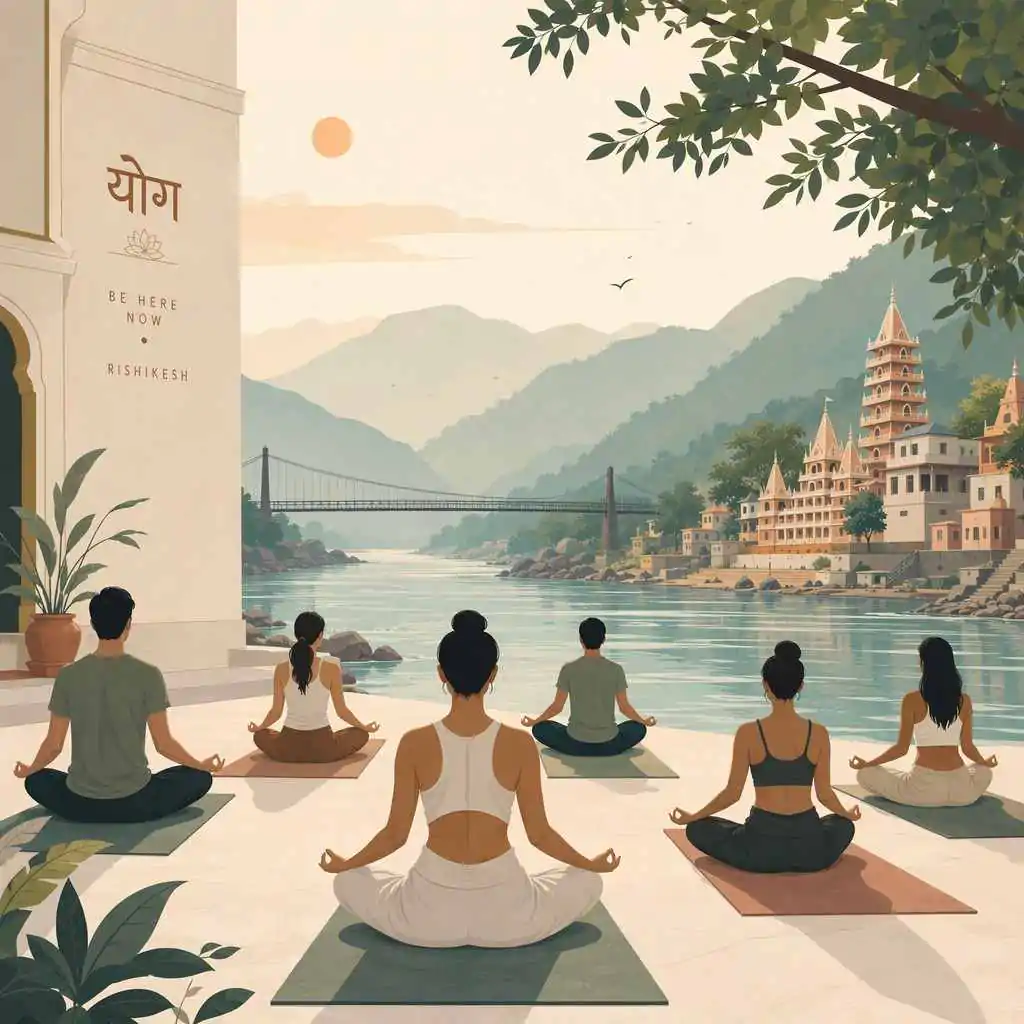
Rishikesh offers many yoga courses, so students can choose based on time, level, and style. Some schools provide short foundation programs, while others offer complete hour yoga teacher training pathways for beginners and advanced practitioners.
The most common styles taught include Ashtanga Yoga and Vinyasa Yoga. Some schools also include Yin Yoga and specialty courses such as prenatal, postnatal, or aerial training. This variety helps answer a common question: yes, multiple styles of yoga are taught in Rishikesh teacher training courses, though each school has its own focus.
Typical options include:
- 100-hour beginner training
- 200-hour yoga teacher training
- 300-hour advanced training after 200 hours
- 500-hour combined immersion
- Short Yin Yoga or specialty yoga courses
The key is not just the number of options. It is whether the course matches your goal, level, and learning style.
Notable Yoga Schools in Rishikesh
When students ask which yoga school options are best for yoga teacher training courses in Rishikesh India, the answer usually starts with checking reputation, teacher quality, course structure, and Yoga Alliance status. A registered yoga school can offer a clearer benchmark, though it should not be your only filter.
One school highlighted in the available information is Rishikesh Vinyasa Yoga School. It presents itself as an established school with Yoga Alliance registration, residential programs, experienced E-RYT teachers, and courses in Ashtanga and Vinyasa. It also reports a large international student base and multiple TTC formats.
Useful points to compare include:
- Yoga Alliance recognition and registered yoga school status
- Experience of lead teachers
- Residential setting and meal support
- Reviews, class size, and curriculum depth
Even among notable schools, fit matters more than popularity.
Yoga Styles Taught in Rishikesh TTCs
Rishikesh TTCs usually center on movement-based and traditional styles. In the compiled information, Ashtanga Yoga and Vinyasa Yoga are the strongest focus, with dynamic sequencing, breath-led movement, and disciplined repetition. Some schools also introduce Yin Yoga for slower, more meditative work.
You may also hear about Hatha Yoga in broader TTC discussions, especially when alignment, breath, and steady physical postures are emphasized. Even when a school brands itself around Ashtanga Vinyasa, many sessions still touch the principles commonly linked to Hatha-based learning.
This means your yoga asanas training can vary widely by school. One program may feel athletic and flow-based. Another may feel slower and more technique-focused. Before joining, check whether you want intensity, stillness, or a balanced blend. That choice shapes your body, mind, and teaching voice.
Certification and Accreditation (Yoga Alliance, etc.)
Certification matters because it affects where and how you can teach later. In Rishikesh, many schools highlight Yoga Alliance registration and promote yoga certification that can support international teaching goals. For many students, the most familiar first step is a 200-hour path.
A registered yoga school can issue training that helps you move toward RYT status when the course meets the required framework. In practical terms, a 200-hour yoga teacher program in Rishikesh often includes asana, pranayama, meditation, philosophy, anatomy, alignment, and teaching practice.
Common accreditation points include:
- Yoga Alliance registered school status
- 200, 300, and 500 hour yoga teacher pathways
- Internationally recognized certification claims
- Teaching methodology and practicum as part of the course
Still, accreditation is only part of the picture. Strong teaching and honest support matter just as much.
Residential vs. Non-Residential Programs
Yes, there are residential yoga teacher training courses available in Rishikesh. In fact, many schools present residential study as their main format. This means your yoga ttc rishikesh may include accommodation, a daily routine, community living, and vegetarian meals in one package.
Residential programs can make learning easier because your day is built around practice, study, rest, and meals. You do not have to spend energy planning transport or outside food. Some schools also mention nearby travel points such as Dehradun Airport, which helps international and out-of-town students plan arrival.
Non-residential options may offer more freedom, but they can reduce immersion. If your goal is focused learning, residential training often gives better continuity. Even so, quality depends on room conditions, food variety, and the atmosphere. A peaceful place supports progress; a noisy or crowded one can reduce it.
Daily Life During a Yoga TTC Rishikesh
Daily life during training is usually disciplined and full. Your daily schedule may start early and move through practice, theory, meals, and self-study. In a yoga ashram style setting, this rhythm can help you develop consistency and stronger habits.
You also live closely with a yoga community of classmates, teachers, and staff. For many spiritual seekers, this shared routine becomes a major part of the yoga journey. Still, the actual experience depends on the environment, pace, and how much personal space you have between classes.
Typical Daily Schedule and Routine
If you are wondering what the typical daily schedule is like during a yoga teacher training course in Rishikesh, expect early mornings and a full learning day. The compiled information describes an intensive format with daily practice, theory, and supervised teaching work.
Most programs include asana practice, meditation, pranayama, philosophy, anatomy, meals, and some form of yoga teaching practice. Residential courses often run six days a week, which means your body and mind stay in a steady rhythm for several weeks.

| Time Block | Typical Focus |
|---|---|
| Early morning | Meditation, pranayama, or mantra chanting |
| Morning session | Asana practice such as Ashtanga or Vinyasa |
| Midday | Vegetarian meals and short rest |
| Afternoon | Anatomy, philosophy, alignment, or methodology |
| Later session | Practice teaching, discussion, or additional yoga classes |
This structure works well for discipline, but it can feel intense if you are not prepared.
Accommodation and Meals
Accommodation in a Rishikesh yoga ttc rishikesh is often part of the package, especially in residential programs. Some schools describe budget ashram rooms, private bathrooms, hot water, WiFi, balconies, and peaceful locations away from the busiest part of town. That can make the stay feel more like a yoga retreat than a regular course.
Vegetarian meals are also a key feature. Schools commonly mention sattvic food, organic ingredients, and simple menus designed to support practice. This can help maintain energy, though personal taste and food variety may differ from one program to another.
Common course stay features include:
- Shared or private accommodation
- Vegetarian meals and herbal tea
- Residential ashram style environment
- Quiet surroundings that support spiritual energy
So, what are the accommodation options during the course? Usually residential rooms are included, but comfort levels can vary.
Student Community and Networking
One strong point of teacher training is the community you build during the program. You practice, study, eat, and reflect with the same group, so bonds form quickly. Many yoga students say this shared process becomes one of the most memorable parts of training.
A mixed international batch can also widen your learning experience. You hear different reasons for joining, different views on yoga teaching, and different ways people connect yoga with work, healing, or lifestyle. That exchange can make your own thinking more open and practical.
Later, these classmates often become part of your global community. Some stay friends, some become collaborators, and some turn into future hosts for retreats or workshops. Still, smaller and calmer groups often create deeper connection than larger, fast-moving training environments.
Cultural Immersion in Rishikesh
Training in Rishikesh often brings cultural immersion alongside classes. You may live near the Ganges River, attend Ganga Aarti, visit temples, and spend time in a ashram style setting. These elements can give your course a stronger sense of place.
Because Rishikesh is known as the capital of the world, many students arrive expecting a deeply spiritual atmosphere. In many cases, that expectation is partly met through rituals, chanting, vegetarian food, and a community built around yogic discipline. These experiences can support personal growth in meaningful ways.
At the same time, immersion depends on the school’s location and your own mindset. A peaceful hill setting can help you absorb more. A crowded or overly commercial area can make the cultural side feel thinner. So the environment around your training matters almost as much as the curriculum.
Core Curriculum of a 200-Hour Yoga TTC Rishikesh
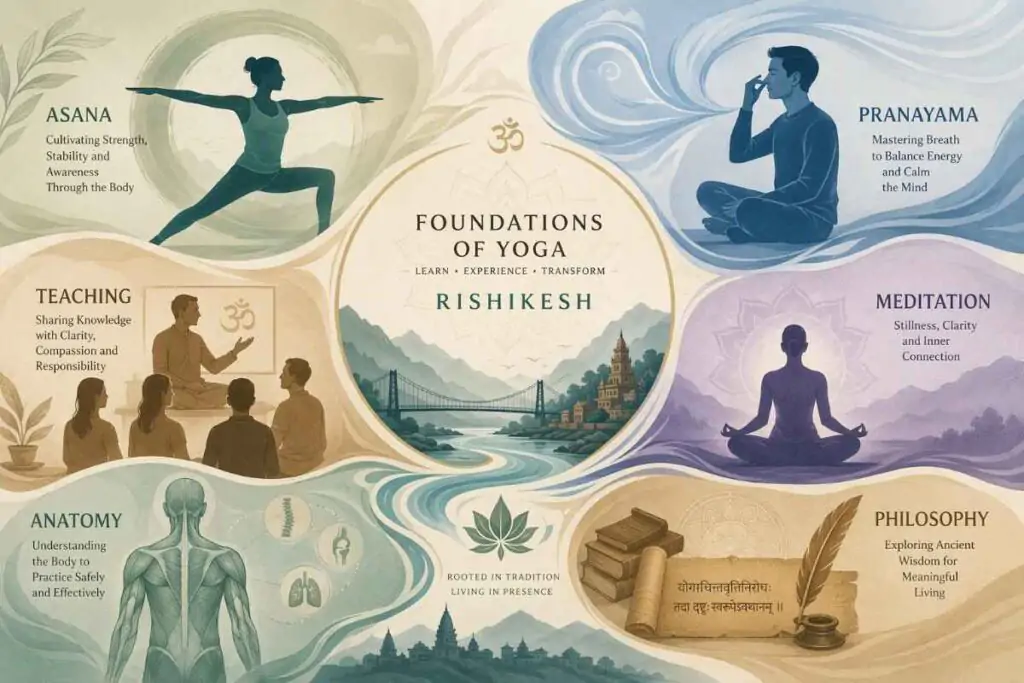
A 200-hour yoga ttc rishikesh usually includes both practical and theory-based study. Core subjects often cover asana, pranayama, meditation, philosophy, alignment, teaching methodology, and anatomy and physiology. Many programs use Ashtanga and Vinyasa as the main physical base.
You may also see hatha principles through breath, posture awareness, and steady technique work. Most schools present this level as the foundation for personal practice and future teaching skills. The next sections break down how these core elements are commonly taught during training.
Asana, Pranayama, and Meditation Practices
Asana practice is usually the visible center of a 200-hour course. In the compiled material, students work through Ashtanga, Vinyasa Flow, alignment, and breath-led movement. This helps you build strength, flexibility, rhythm, and body awareness over repeated daily sessions.
Pranayama and meditation are also core parts of the training. These practices help you understand breath control, attention, and mental steadiness. Many students join expecting postures alone, then realize that these quieter practices shape the deeper effect of the course.
Together, asana practice, pranayama, and meditation create the base of practice in TTC life. They support discipline and self-awareness, and regular practice is often linked with better balance, energy flow, and calmer stress response. Some students also look for support with overall wellness concerns, including tension and blood pressure management.
Anatomy and Physiology Modules
Anatomy and physiology modules help you understand what happens inside the body during practice. This is where yoga stops being imitation and becomes informed movement. You begin to see how muscles, joints, breath, and alignment connect inside asanas.
These classes are important because physical postures can look simple from the outside while placing very different demands on the body. A good anatomy and physiology section gives you practical safety awareness, not just technical terms. That supports better teaching and a more intelligent personal practice.
You may also study how breath and stress affect the nervous system. This builds broader knowledge of yoga and explains why certain practices feel energizing while others feel calming. For students who want lasting progress, anatomy is not extra theory. It is a core tool for practicing and teaching responsibly.
Yoga Philosophy and History
A serious TTC is not limited to posture work. Yoga philosophy and history help you understand the roots of the practice and why yoga is often described as a way of life rather than a fitness trend. This gives your training more depth and direction.
The compiled information points to Patanjali’s Sutras, the Eight Limbs, ethical living, the Bhagavad Gita, and classical paths such as Karma, Raja, Jnana, and Bhakti Yoga. These teachings give context to discipline, self-study, and daily conduct, not just what happens on the mat.
For many students, philosophy is where spiritual growth begins to feel real. It offers language for inner peace, self-observation, and values that can guide life beyond class hours. If taught well, these sessions help you connect movement with meaning and create a steadier long-term practice.
Teaching Methodology and Practicu0
Teaching methodology is the part of the training program that turns personal practice into something you can safely share. You learn how to guide a class, observe students, use clear cues, and plan sequences that make sense from beginning to end. This is where teaching skills begin to develop.
Many schools also include supervised practice teaching. That means you do not just study ideas. You actually stand in front of others, speak, adjust, and receive feedback. This can feel uncomfortable at first, but it is one of the most useful parts of the practice of in a teacher training setting.
For many students, this becomes a transformative experience. You start the course focusing on your own body and finish with a stronger voice, clearer communication, and more confidence. Good practicum work does not make you perfect. It gives you a real foundation for your next step.
Costs and Financial Considerations
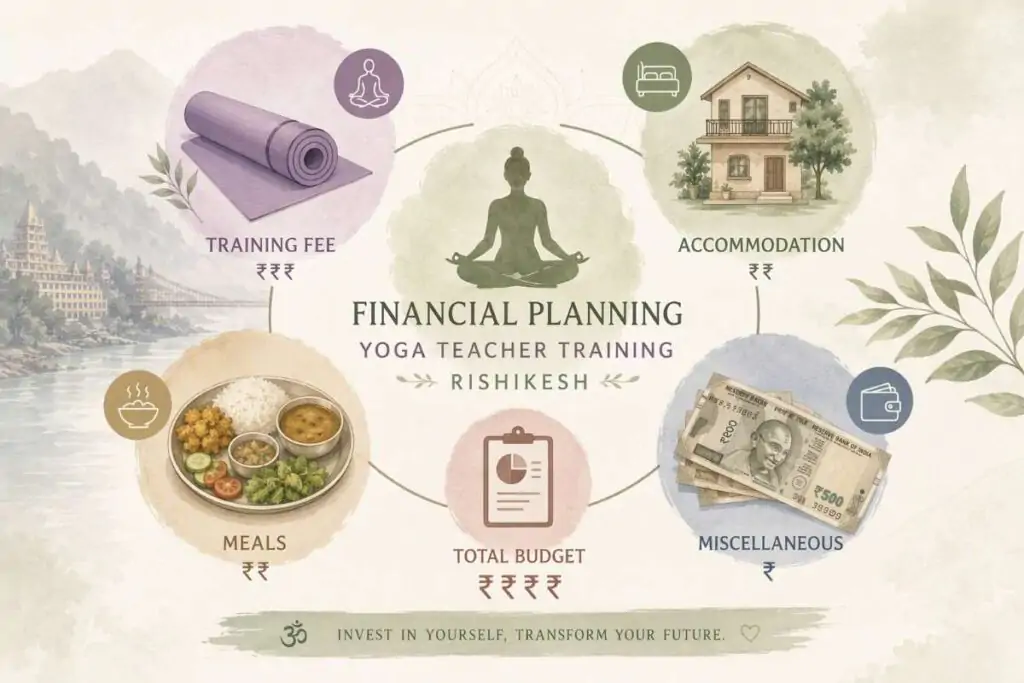
Cost matters because a yoga ttc rishikesh is both a learning choice and a financial commitment. Tuition fees vary by duration, level, and what the course fee includes. A short specialty course costs far less than a full residential 200-hour or 500-hour program.
You should also look beyond the headline price. Financial considerations include meals, room type, transport, and extra personal spending. Some schools promote scholarships or discounts, which can help. The next sections show average pricing patterns and what you should check before paying.
Average Tuition Fees for Yoga TTC Rishikesh
If you are asking how much a yoga teacher training course in Rishikesh typically costs, the compiled information gives a useful range. A beginner short course may start around $950, while a 200-hour residential program is listed around $1000 to $1350, depending on the offer.
A 300-hour program is shown around $1300 to $1400, and a full 500-hour course is listed at $2700. Specialty short courses such as prenatal, aerial, retreat, or Yin options can start from roughly $249 to $499. So the course fee changes a lot based on length and depth.
These tuition fees may look attractive when compared with training in many other countries. Still, price alone does not define the best teacher training. You need to compare the curriculum, teacher access, room standard, meals, and how much personal attention the hour yoga ttc rishikesh actually provides.
What’s Included in the Course Fee
The course fee in many Rishikesh programs usually covers the main pieces of the teacher training program. For a 200-hour residential format, this often means training classes, meals, shared living, and a certificate pathway. That is why some programs appear affordable at first glance.
Still, inclusions vary from school to school. Based on the compiled information, students can often expect a package that supports full immersion during the course period. This helps reduce daily planning and keeps your attention on study and practice.
Common inclusions are:
- Tuition for classes in asana, philosophy, anatomy, and methodology
- Meals, often vegetarian and sattvic
- Accommodation for the course duration
- Basic materials or preparation support
So, what is included in a 200-hour teacher training course in Rishikesh? Usually the essentials are covered, but always check details before you book.
Additional Expenses to Consider
Even when your yoga ttc rishikesh includes the basics, you should still expect additional expenses. Travel is the first one. You may need flights, taxis, local transfers, or airport connections. The compiled information also notes that some items, like airport transfer and local travel expense, may not be included.
You may also spend on extra materials, health needs, outings, or personal comfort items. Weekend activities, outside snacks, laundry, or room upgrades can add to the total. If the included meals are simple, you may occasionally buy extra food or drinks.
This does not mean the program is poor value. It just means you should budget carefully. Before joining, ask what is excluded, how often you will need outside spending money, and whether your learning style requires any extra books or support. Clear planning helps you avoid stress during training.
Scholarships and Discounts Options
Some students look for scholarships or discounts to make teacher training more manageable. The compiled information does not give a detailed scholarship framework, but it does show discounted pricing ranges on certain programs. That suggests some schools use promotional offers rather than formal aid systems.
This means you should contact the school directly and ask clear questions before booking. A small discount can make a difference, especially if you are paying for travel as well. Just make sure a lower price does not hide reduced value in food, support, or teaching quality.
Good questions to ask include:
- Are there early booking discounts?
- Is there a price difference for shared or private rooms?
- Are repeat-student offers available for advanced teacher training?
- Does the fee include certification processing support?
A discount is helpful, but your final choice should still center on quality.
Who Can Join a Yoga TTC Rishikesh?
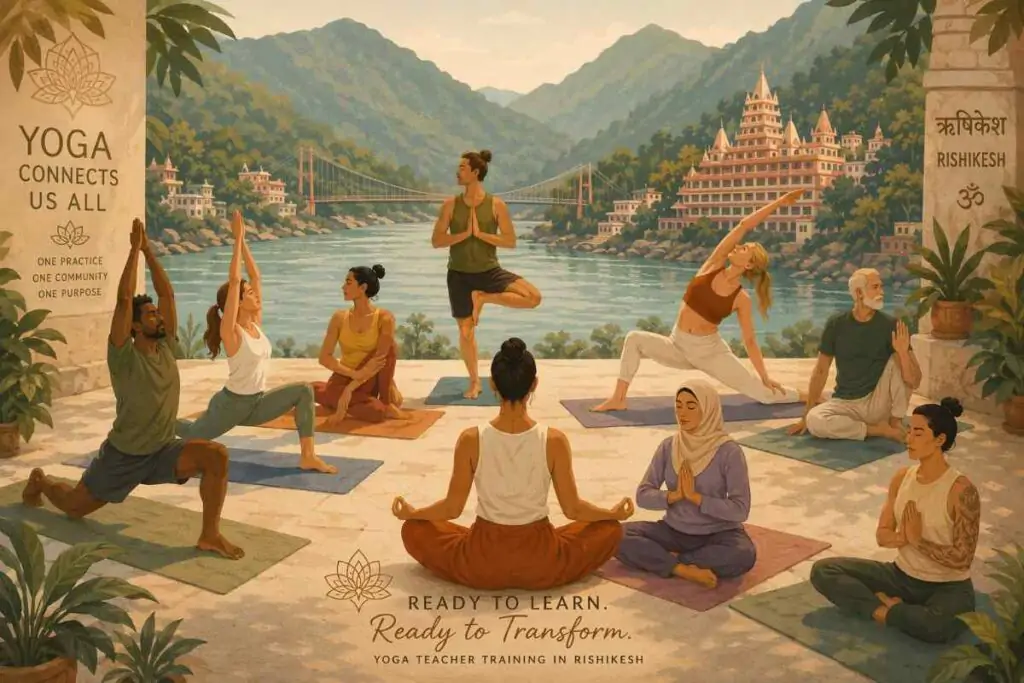
A yoga ttc Rishikesh can suit many people, from beginners to regular practitioners. Some join to strengthen their own routine. Others want the training required to become a certified teacher. In most cases, schools welcome students with different goals and different levels.
The key is meeting the basic requirements for participation, travel, and commitment. International students are also common in these programs, especially in residential schools. The next sections explain experience level, travel needs, and physical readiness in simple terms.
Is Prior Yoga Experience Necessary?
A common question is whether prior experience is required for joining a yoga TTC Rishikesh. Based on the compiled information, the answer is usually no for beginner-level 200-hour programs. Many schools describe this level as the first step for students who want a strong foundation.
That said, beginner-friendly does not mean effortless. A training course can still be intense, with early starts, repeated practice, theory classes, and teaching assignments. You do not need advanced flexibility, but you do need willingness, discipline, and openness to learn.
If your yoga practice is very new, it helps to understand the daily workload before you arrive. Some students join for personal growth rather than teaching, and that is completely valid. The course can support your journey even if you are not yet sure you want to teach professionally.
Requirements for International Students
Yes, international students can join yoga teacher training courses in Rishikesh. In fact, many schools actively welcome them and describe diverse student groups from many countries. Residential programs are often designed to make the move easier by combining stay, food, and classes in one place.
You still need to prepare your travel documents carefully. One student review in the compiled material even mentions support with an India e-visa situation, which shows that visa planning is a practical part of the process. Good communication with the school before arrival can reduce stress.
Prepare these basics:
- Valid passport
- Appropriate visa
- Flight and arrival details
- Emergency and health information
Once you are settled, the training itself focuses on teacher training, practice, and teaching skills rather than where you come from. That shared purpose often makes international groups feel connected quickly.
Age and Physical Fitness Criteria
Most TTC discussions focus less on strict age criteria and more on readiness. The compiled material does not present a narrow age rule. Instead, it emphasizes willingness to practice, study, and follow a steady routine. That means adults at different life stages may be able to join.
Physical fitness also does not mean you need to be highly athletic. Practice in a beginner course is meant to build capacity over time. What matters more is your ability to participate consistently, recover well, and listen to your body during demanding days.
If you have concerns, ask the school about the pace and style before applying. A dynamic Ashtanga or Vinyasa-heavy program may feel different from a gentler format. Honest self-assessment is useful here. When you choose well, the course can support both personal growth and steady progress.
Benefits of Doing Yoga TTC Rishikesh
A yoga TTC Rishikesh can offer strong benefits when the school is well chosen. These often include spiritual growth, disciplined routine, a deeper foundation, and practice in an environment known for traditional learning. For many students, that structure leads to meaningful personal transformation.
You may also gain teaching skills, international connections, and a clearer sense of direction. Rishikesh attracts a broad global community, which adds perspective and support. Still, the value of these benefits depends heavily on the quality of guidance and the learning environment.
Spiritual Growth and Personal Transformation
Many students are drawn to TTC for spiritual growth as much as for certification. A steady schedule of practice, pranayama, meditation, mantra work, and reflective study can shift how you feel, think, and respond to daily life. That is often where real change begins.
The setting can also help. Time near mountains, simple food, and fewer outside demands can create space for inner peace. In a strong program, you start noticing your habits more clearly. That awareness is part of the journey of self, not something separate from training.
For some, the course becomes a transformative experience because it builds discipline and honesty at the same time. You may arrive focused on poses and leave with more emotional steadiness, self-trust, and clarity. That kind of change is one reason people remember TTC long after the certificate is issued.
Building a Strong Yoga Foundation
A good TTC helps you build a real foundation instead of scattered knowledge. Daily asana practice creates familiarity with movement, alignment, breath rhythm, and physical endurance. Repetition matters because it turns information into embodied learning.
At the same time, anatomy and physiology give you the logic behind the movement. You begin to understand what safe practice means and why different bodies need different approaches. This makes your own practice more stable and your future teaching more responsible.
Teaching skills also begin here. Even if you do not plan to teach right away, learning how to cue, observe, and structure a class sharpens your understanding. That is one reason the best teacher training is not just about depth of feeling. It is also about clarity, method, and consistency.
Career Opportunities After Certification
A first certification can open several practical paths. After completing a recognized course, many students begin as a yoga teacher in part-time roles while continuing to learn. Others use the training to add value to wellness, fitness, or retreat work.
Career opportunities depend on your confidence, continued practice, and how clearly you want to teach. Becoming a registered teacher can support credibility, especially when your school follows a recognized format. Some graduates also build their path slowly through private sessions or online work.
Common directions include:
- Teaching in studios or wellness centers
- Offering private or small group classes
- Assisting at retreats or yoga courses
- Combining with another wellness profession
Certification opens the door. Your long-term career grows through experience, integrity, and consistent teaching.
Becoming Part of a Global Yoga Community
One overlooked benefit of yoga teacher training courses is the network they create. You share weeks of challenge, growth, and routine with people from different places and backgrounds. That shared effort builds a community fast.
For many yoga students, these relationships continue long after the course ends. Classmates may become friends, hosts, collaborators, or simply trusted peers who understand your journey in a way others may not. This can be especially valuable if you plan to teach later.
A strong global community also expands your perspective. You see how people live yoga in different cultures and different careers. That makes your own approach richer and less narrow. In the right course, these connections feel natural rather than forced, especially when class size allows genuine interaction.
Major Challenges of Yoga TTC Rishikesh
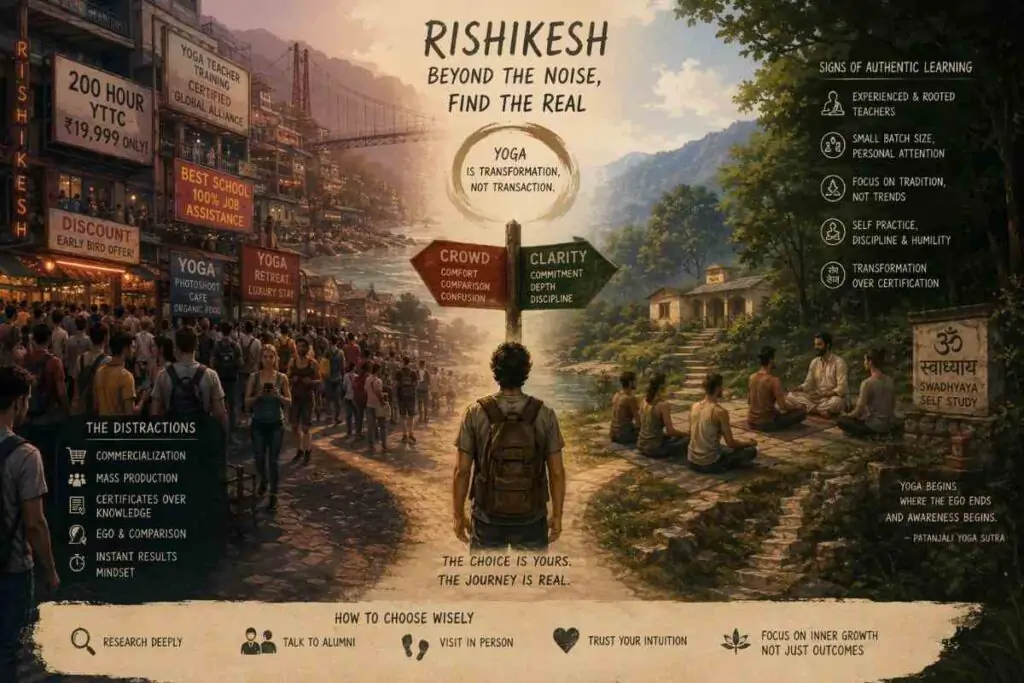
Rishikesh offers many positives, but it also brings real challenges. Overcrowding, rising commercialization, and mixed teaching standards can affect your experience. When a school is surrounded by constant competition, it becomes harder for you to judge where authentic learning is actually happening.
There is also the issue of cost vs value. A lower fee may not always be a bargain, and a higher price may not guarantee quality. These concerns matter if you want a focused training rather than a busy destination course.
Overcrowding and Commercialization
Rishikesh benefits from its fame, but that fame also creates pressure. Because it is widely known as the capital of the world, many yoga courses compete for attention in the same area. This can lead to overcrowding, especially during busy seasons.
Commercialization becomes a problem when presentation matters more than depth. A training program may look impressive online, yet offer limited personal guidance or a rushed classroom experience. When too many schools use the same language, you have to work harder to identify real quality.
This does not mean every course is weak. It means you should be cautious. Overcrowding can affect housing, atmosphere, and teacher access, while commercialization can blur the line between sincere study and packaged branding. If you value depth, these issues are worth considering before you choose Rishikesh.
Seasonal Weather Extremes
Weather can shape your training more than you expect. In Rishikesh India, different seasons bring different conditions, and weather extremes may affect your sleep, energy, and focus. This matters a lot during intensive training, where the days are already demanding.
In a simple ashram or budget accommodation, strong heat, heavy rain, or other seasonal discomforts can change the learning experience. If your room is basic and your schedule is full, even small climate stress can feel bigger over time. That is why timing matters.
Before booking, ask about the season, room setup, and how the school supports student comfort. A beautiful location does not always mean ideal study conditions. If your goal is steady practice and mental clarity, the surrounding environment should help you, not quietly drain your energy day after day.
Distraction from Authentic Learning
A strong training course needs concentration. In a place with many events, visitors, shops, and competing schools, it can be easy to get pulled away from the main work. For spiritual seekers, this can be confusing because the outer image may feel rich while the inner study feels thinner.
Authentic learning depends on routine, reflection, and expert guidance. If your environment is too busy, your attention may scatter between tourism, social plans, and constant comparison with other schools. That can reduce the depth of your teaching preparation.
This issue is not always obvious before arrival. A school may sound peaceful online but sit close to a hectic area. If you need stillness to absorb philosophy, recover after practice, and stay centered, this matters. For many students, a quieter place supports more honest and lasting learning.
Cost vs. Value Comparison
The cost vs value question matters because a yoga ttc rishikesh is not cheap once travel and personal spending are added. A modest course fee can seem appealing, but if class sizes are large, food is repetitive, or guidance is limited, the real value may feel lower than expected.
The opposite can also happen. A school may charge more and still not deliver the best teacher training experience for you. Value depends on curriculum, teacher quality, room comfort, group size, atmosphere, and how supported you feel from start to finish.
If your goal includes holistic healing and deep self-work, then environment matters as much as the timetable. This is where Dharamshala often compares well. A calmer setting with better focus and personal attention may offer stronger value than a more famous but more crowded destination.
Introduction to Yoga TTC in Dharamshala
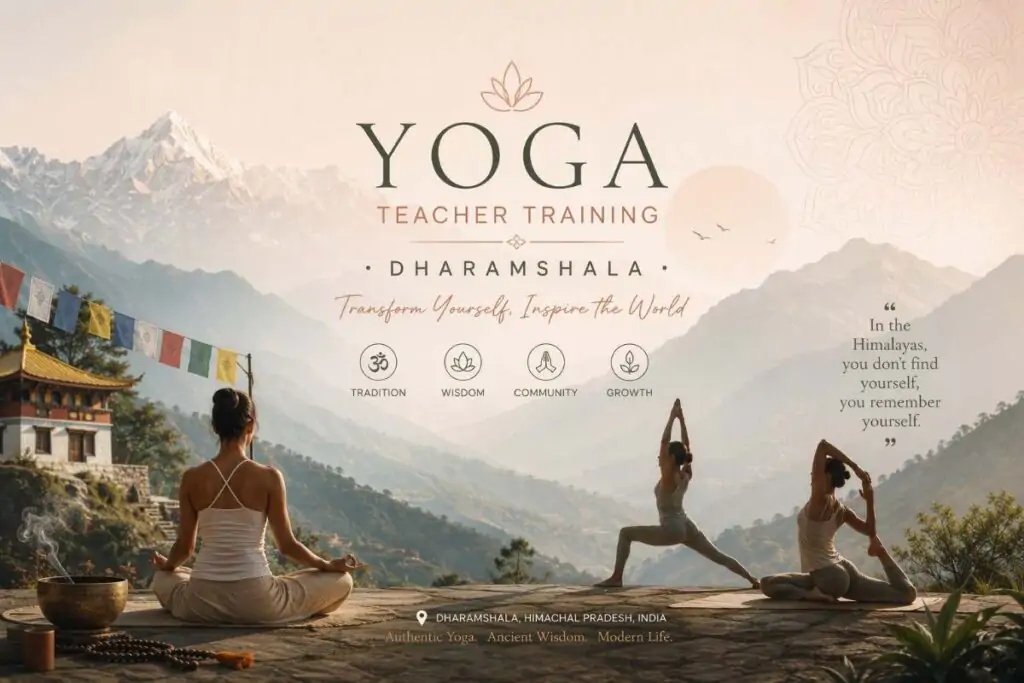
Dharamshala yoga appeals to students who want a quieter and more inward-facing teacher training experience. Set in a mountain environment, it offers a different feeling from busier yoga hubs. For many people, that shift alone changes the quality of practice and rest.
It also suits those drawn to Himalayan, simple living, and retreat-like study. When training includes healing elements such as reiki healing, meditation, or reflective space, Dharamshala can feel closer to a true yoga retreat than a commercial training center.
Unique Aspects of Yoga Training in Dharamshala
One of the unique aspects of Dharamshala is its quieter pace. You are not entering a place mainly known for volume. You are entering a mountain setting that naturally supports slower attention and steadier absorption. That alone can improve training in practical ways.
For students drawn to Himalayan, Dharamshala feels more aligned with that image of depth, simplicity, and focused living. Practices such as meditation, breathwork, and reflective study often land differently when the environment is calmer. The spiritual energy feels less crowded and more spacious.
This setting also pairs well with complementary practices such as sound healing or reiki healing. When included thoughtfully, these elements can support relaxation and self-awareness without overwhelming the core curriculum. That combination makes Dharamshala especially attractive for students seeking both skill and inward balance.
Natural Environment and Tranquility
The natural environment in Dharamshala is one of its strongest advantages. Surrounded by the Himalayan foothills, it offers visual quiet and physical space that many students find deeply supportive. You can feel the difference when your day begins and ends in a calmer landscape.
Tranquility matters because your yoga journey is shaped by more than class hours. Rest, reflection, and emotional steadiness are easier when the place around you is not constantly busy. For many people, this makes practice feel less like a task and more like a lived process.
A peaceful setting can also improve consistency. You are less tempted to scatter your focus, and more likely to stay with your routine. That does not guarantee a better course on its own, but it creates better conditions for one. In this area, Dharamshala often has a clear advantage.
Types of Yoga Courses Offered in Dharamshala
Dharamshala is often chosen by students who want training in a calmer environment, whether for foundational study or deeper healing work. While course menus differ by school, the setting naturally suits both active and reflective formats. Many students look for smaller, better-held courses here.
Programs may include movement-based styles and slower therapeutic approaches. Vinyasa Flow can suit students who want dynamic practice, while Yin Yoga teacher training can appeal to those seeking stillness, recovery, and subtle awareness. This makes Dharamshala a strong match for Himalayan seekers.
You may commonly look for:
- Foundational teacher training formats
- Vinyasa Flow based programs
- Yin Yoga teacher training
- Retreat-style immersion with healing elements
The key attraction is not only the type of course. It is the chance to study in a place that supports depth.
Why Dharamshala is a Better Choice for Yoga TTC Rishikesh
For many students, Dharamshala is the better choice because it offers a more peaceful base for yoga teacher training. If your goal is focus, rest, and consistent practice, a quieter mountain setting can support far more than a famous but crowded destination.
It also feels closer to authentic Himalayan for people seeking inward work and personal growth. A good training program needs attention, reflection, and space. Dharamshala often provides these conditions more naturally, which can make the overall learning experience stronger and more honest.

Smaller Class Sizes and Personal Attention
Smaller class sizes can change everything in a TTC. You get seen more clearly, corrected more often, and supported more personally. That matters in physical practice, but it matters even more when you begin teaching and need real-time feedback.
Personal attention improves your learning experience because questions do not get lost. Your progress becomes easier to track, and teachers can respond to your pace, not just the group average. This creates a stronger foundation and reduces the feeling of being one face in a crowd.
That is one reason many students see quieter places as better for the best teacher training. Expert guidance lands better in smaller groups. If Dharamshala programs offer that more consistently than crowded alternatives, then the choice becomes practical, not just emotional. Better attention usually means better integration.
Authentic Himalayan Yoga Lineage
Students looking for Himalayan often want more than exercise. They want a setting and teaching approach that feel rooted, steady, and less commercial. Dharamshala speaks to that desire because the mountain atmosphere naturally supports contemplative study and deeper listening.
Yoga lineage matters when it is reflected in how teachings are transmitted. A course does not need to be dramatic to feel authentic. It needs consistency, sincerity, and space for philosophy to be lived, not rushed. Spiritual seekers usually notice this difference quickly.
When healing practices such as reiki healing are integrated with care, they can complement that deeper orientation. The result is not a mix for entertainment. It is a more holistic environment that can support both skill and reflection. For students wanting meaning as well as method, Dharamshala often feels more aligned.
Serene Surroundings for Deep Practice
Serene surroundings are not a luxury in teacher training. They directly influence how deeply you can practice. When the area around you is calm, your breath settles faster, your mind wanders less, and your body recovers better between sessions.
This is especially important if you want deep practice rather than surface-level completion. Training asks a lot from you each day. Without enough quiet, the nervous system stays busy and inner work can become harder. In a mountain setting, the pace of the place often supports the pace of the practice.
For many students, this creates more inner peace across the whole journey. You are not fighting the environment. You are working with it. That is one of Dharamshala’s biggest advantages and one reason many people leave feeling more grounded, not just technically trained.
Balanced Cost and Value Proposition
Dharamshala can offer a better cost vs value balance when you care about the full experience, not only the location name. A yoga ttc rishikesh should be measured by attention, quality of rest, clarity of teaching, and how supported you feel. These things shape the real value of the course fee.
If a training course in a quieter place gives you smaller groups, steadier focus, and more meaningful integration, then even a similar price can deliver more. You may not be paying for a famous address, but you may receive a stronger day-to-day experience.
That matters whether you want to become the best teacher you can be or simply want a solid first training. Value is not about the biggest market. It is about what actually helps you learn. For many students, Dharamshala wins that comparison clearly.
Beginner’s Guide: How to Choose Between Rishikesh and Dharamshala for Your Yoga TTC Rishikesh
If you are choosing yoga ttc rishikesh options for the first time, start with honesty. Ask what kind of journey you want. Do you need a lively hub with many choices, or a quieter mountain setting for steady immersion? Your answer matters more than trends.
Also compare each yoga school on practical points, not image alone. Check the curriculum, group size, teacher background, and whether it is a registered school. If your goal is to grow into a thoughtful teacher, choose the place that supports your way of learning.

What You Need to Get Started (Documents, Gear, Mindset)
Starting your yoga teacher training requires a mix of practical preparations and a positive mindset. Essential documents such as your identification and previous certificates might be necessary for enrollment. Gather comfortable gear, including mats, blocks, and appropriate attire, to ensure a seamless training experience. Equally important is cultivating the right mindset. Embrace openness to learning and commitment to personal growth as you delve into philosophy and asana practice. Connect with your inner energy and approach this transformative journey positively, laying a solid foundation for your life as a certified teacher.
Step-by-Step Guide to Making the Right Decision
Making a thoughtful choice involves several important steps. Start by researching various yoga schools that offer comprehensive yoga teacher training in the holy city. Look for programs registered with Yoga Alliance to ensure quality and recognition. Next, evaluate course syllabi thoroughly to see how they align with your aspirations, including the teaching staff’s credentials and their teaching styles. As you dive deeper, consider the unique environment of Rishikesh versus Dharamshala. Both locations offer distinct experiences, from the serenity of the Himalayan foothills to a vibrant community. This holistic approach will guide your journey toward becoming a certified teacher.
Step 1: Research Yoga Schools and Certifications
Identifying the right yoga school is essential for an enriching teacher training experience. Begin by exploring various registered schools in Rishikesh, and examine their certifications accredited by Alliance. Comparing their programs—whether they focus on Hatha, Ashtanga, or Vinyasa yoga—can significantly influence your learning path. Look for insight into the faculty’s expertise and teaching philosophies, as they play a crucial role in your journey. This research establishes a solid foundation, ensuring that the school aligns with your personal growth objectives and aspirations in your practice.
Step 2: Evaluate Course Syllabus and Teaching Teams
Understanding the course syllabus is crucial in assessing the alignment with your personal goals and yoga practice. Look for a well-structured outline that incorporates a balance of yoga philosophy, asana practice, and teaching methodologies. The syllabus should also reflect the school’s commitment to holistic healing and spiritual growth. Teaching teams play a pivotal role in your journey. Research their qualifications, experience, and teaching styles. The best yoga teachers embody knowledge and passion for their craft, fostering an environment that encourages personal growth. Engaging with experienced instructors can enrich your teacher training experience immensely.
Step 3: Consider Location, Weather, and Lifestyle
Choosing the right location for your yoga teacher training is crucial for your overall experience. Rishikesh, nestled in the Himalayan foothills, offers a serene backdrop for spiritual seekers. However, Dharamshala presents a unique charm with its Tibetan influence and stunning mountain views. Weather can significantly impact your practice; Rishikesh is warm and humid in summer, while Dharamshala maintains a more temperate climate. Lifestyle considerations also play a key role. Assess what kind of community you wish to engage with — whether it’s vibrant and bustling or calm and introspective. Engaging with fellow practitioners can enhance your journey of self-discovery.
Step 4: Calculate Total Costs and Scholarships
Calculating the overall costs for a yoga teacher training course is crucial for budget-conscious spiritual seekers. Begin by itemizing tuition fees, accommodation, and additional expenses such as meals and gear. Many registered schools in Rishikesh may also provide options for scholarships or financial aid, which can alleviate some of the financial burden. Look for programs affiliated with the Alliance, as they often have transparent pricing structures. Taking all of these factors into account will help you make informed financial decisions about your transformative journey.
Step 5: Read Student Reviews and Testimonials
Genuine insights from previous students often illuminate what to expect during the yoga teacher training. Reviews and testimonials can reveal the nuances of a program, from the effectiveness of teaching styles to the overall atmosphere within the school. Pay attention not only to the star ratings but also to specific experiences that resonate with your own journey in practice. Engaging with fellow practitioners through these narratives can enhance your understanding and help you gauge which training program aligns with your spiritual growth and teaching aspirations. This step is crucial for making an informed choice.
Frequently Asked Questions (FAQ)
Exploring yoga ttc rishikesh programs in India often raises numerous questions for prospective students. Are international students welcomed in these transformative experiences? Absolutely! Many schools embrace diversity, attracting practitioners from around the globe. Questions about typical inclusions in a 200-hour yoga ttc rishikesh are common too; these often comprise comprehensive training in asana practice, yoga philosophy, and teaching skills. Determining readiness for a teacher training course can be introspective; seeking self-discovery is key. Accommodation options vary widely during courses, ranging from ashrams to modern facilities, facilitating a holistic healing environment that nurtures personal growth.
Yes, international students are widely welcomed in yoga ttc rishikesh programs across India. Many schools actively encourage participation from global participants, offering diverse perspectives and experiences. It’s advisable to check each program’s specific admission criteria and support services for international attendees.
A typical 200-hour yoga ttc rishikesh includes comprehensive training in asanas, pranayama, meditation techniques, teaching methodology, and anatomy. Additionally, you’ll receive course materials, often meals and accommodation, along with mentorship from experienced instructors to support your journey into teaching yoga.
Assess your physical fitness, mental preparedness, and commitment to daily practice. It’s crucial to have a genuine interest in philosophy and teaching. Reflect on your motivations and ensure you’re ready for an immersive experience that demands dedication and growth.
Accommodation options during your teacher training course in India typically include shared dormitories, private rooms, or guesthouses. Some schools offer meals and additional amenities. yoga ttc rishikesh It’s essential to check each school’s offerings to find the best fit for your needs and preferences.
Conclusion
A fulfilling yoga journey begins with careful consideration of your options and aspirations. While the allure of Rishikesh is undeniable, exploring Dharamshala could provide a more enriching experience for many. With its stunning scenery, vibrant community, and a diverse range of courses, it fosters both personal and spiritual growth. Before embarking on your teacher training course, reflect on your individual needs and preferences. Ultimately, this transformative experience will shape not only your yoga practice but your life. Choose wisely, embrace the journey, and let your practice lead you to inner peace and fulfillment.