Yoga Exercises: Yoga Asana Guide
Stepping onto a yoga mat for the first time can feel both exciting and a little overwhelming. There are dozens of poses, unfamiliar Sanskrit names, and conflicting advice scattered across the internet. This yoga asana guide is designed to cut through that noise and give you a clear, practical starting point.
Whether you’re rolling out a mat at home or preparing for your first studio class, this guide walks you through what yoga exercises actually are, how a traditional class is structured, which poses beginners should focus on first, and the safety principles that keep your practice sustainable for years to come.
What Is an Asana, Really?
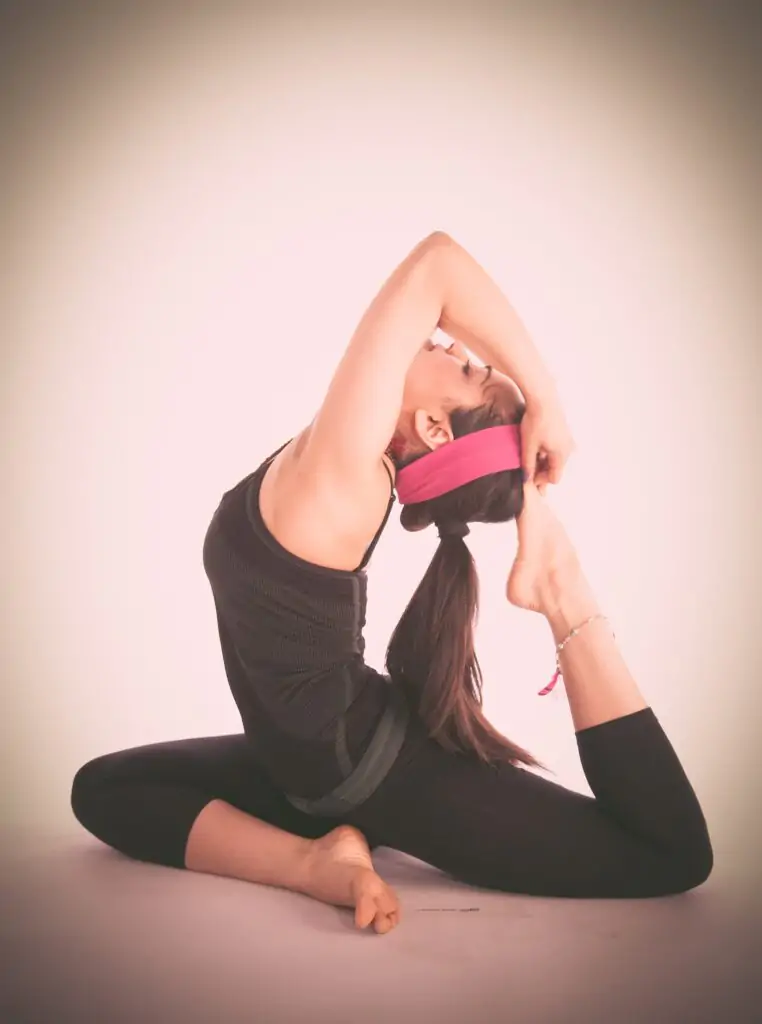
The word “asana” is often translated simply as “pose” or “posture,” but that definition only tells half the story. In the classical yoga tradition, an asana is a position held with steady effort and an easy, relaxed mind. It’s not about how flexible you look or how deep you can fold — it’s about finding a posture you can hold comfortably while breathing smoothly.
This idea matters more than most beginners realize. Many new students rush toward the “final” version of a pose they’ve seen in photos, only to feel wobbly, strained, or out of breath. A more sustainable approach is to build each posture gradually, paying attention to alignment first and depth second. Asana practice is actually just one piece of a much larger system. In classical yoga philosophy, postures are one of the Eight Limbs of yoga, sitting alongside ethical guidelines, breath control, and meditation — a reminder that physical practice was always meant to support a calmer, more focused mind, not just a more flexible body.
How a Traditional Yoga Class Is Structured
If you’ve ever wondered why a yoga class follows a particular order rather than jumping randomly between poses, there’s good reason for it. A well-structured class typically moves through five stages, each one preparing the body for the next.
- Opening relaxation – A few minutes of stillness to settle the breath and mind before any movement begins.
- Breathing exercises (pranayama) – Techniques such as skull-shining breath or alternate nostril breathing help clear the mind and warm up the respiratory system.
- Warm-up – A dynamic sequence, most commonly Surya Namaskar, that gently raises the heart rate and loosens the major muscle groups.
- The asana sequence – A planned series of postures, usually balancing forward bends with backbends, and twists with their counterposes.
- Closing relaxation – Lying still for several minutes to let the nervous system absorb the benefits of the practice.
This structure isn’t arbitrary. Inversions like headstands are typically practiced earlier in a sequence when energy is highest, while gentler seated and restorative poses come later to help the body wind down. Skipping straight to advanced poses without this build-up is one of the most common reasons beginners feel sore or off-balance after a session.
Essential Yoga Exercises and Poses for Beginners
Below is a practical breakdown of foundational poses that appear in almost every beginner-friendly class. You don’t need to master all of them at once — even three or four practiced consistently will build a strong foundation.
Standing and Balance Poses
Standing poses build strength in the legs and core while teaching you how to distribute weight evenly through your feet.
- Mountain Pose (Tadasana): The starting and ending point of most standing sequences. It looks simple, but it teaches the postural awareness that every other pose depends on.
- Triangle Pose (Trikonasana): A sideways stretch that opens the hips, hamstrings, and spine while building stability through the legs.
- Warrior Pose: A family of strong, grounding postures that build leg strength, open the hips, and develop the confident, steady stance that carries into the rest of your practice.
Many standing postures double as Balance Poses, such as Tree Pose, which challenge concentration as much as physical stability. These are especially useful for building the kind of focus that makes the rest of your practice feel calmer and more controlled.
Forward Bends and Backbends
These two pose families work together as natural counterbalances.
- Seated Forward Bend (Paschimottanasana): Stretches the entire back of the body, from the calves to the spine, and has a calming, introspective quality.
- Cobra Pose (Bhujangasana): A gentle backbend that strengthens the muscles along the spine while opening the chest — a useful counter to hours spent sitting at a desk.
- Locust Pose (Shalabhasana): Strengthens the lower back, glutes, and thighs without putting pressure on the wrists or knees.
Twists and Inversions
- Half Spinal Twist (Ardha Matsyendrasana): Improves spinal mobility and is often used to release tension built up after backbends.
- Shoulderstand (Sarvangasana): Sometimes called the “queen of asanas,” this gentle inversion is believed to support thyroid function and circulation.
- Headstand (Sirshasana): A more advanced inversion that builds focus, balance, and upper body strength, ideally learned under the guidance of an experienced teacher.
Restorative and Relaxation Poses
- Child’s Pose (Shashankasana): A resting posture used between more demanding poses or inversions.
- Corpse Pose (Shavasana): Practiced at the very start and end of a session to allow full physical and mental relaxation.
| Pose Category | Example Poses | Primary Benefit |
|---|---|---|
| Standing | Mountain Pose, Triangle Pose, Warrior Pose | Strength and grounding |
| Balance | Tree Pose, Eagle Pose | Focus and stability |
| Forward Bend | Seated Forward Bend, Child’s Pose | Flexibility and calming |
| Backbend | Cobra Pose, Locust Pose, Bow Pose | Spinal strength and chest opening |
| Twist | Half Spinal Twist | Spinal mobility |
| Inversion | Shoulderstand, Headstand | Circulation and focus |
| Restorative | Corpse Pose, Child’s Pose | Recovery and relaxation |
For a deeper, illustrated breakdown of each posture along with step-by-step cues, our complete Asana Guide covers alignment, modifications, and common mistakes for every pose listed above.
How to Build a Simple Practice Sequence
You don’t need an hour-long class to benefit from yoga. A short, well-balanced sequence is often more sustainable than an ambitious one you can’t stick to. Here’s a simple framework for a 20–30 minute home practice:
- Begin with 2–3 minutes of seated stillness and a few slow, deep breaths.
- Move through 3–5 rounds of Surya Namaskar to warm the whole body.
- Practice one standing pose (such as Warrior Pose or Triangle Pose) on each side.
- Add one forward bend and one gentle backbend to balance the spine.
- Finish with a seated twist and 3–5 minutes of Corpse Pose.
This sequence touches every major movement pattern — forward, backward, sideways, and rotational — without overwhelming a beginner’s body or schedule.
Practical Tips Before You Begin
A few practical details make a noticeable difference in how comfortable and effective your practice feels:
- Practice on an empty stomach. Aim to leave at least two hours after a main meal before practicing.
- Choose a calm, ventilated space. A cluttered or stuffy room makes it harder to focus and breathe deeply.
- Wear breathable, non-restrictive clothing. Natural fabrics allow easier movement and help regulate body temperature.
- Keep the room temperature moderate. Muscles that are too cold stay tight, while excessive heat can encourage overstretching.
- Avoid practicing when seriously unwell or extremely fatigued. Gentle, supervised practice can support recovery, but it shouldn’t replace medical advice.
Six Principles That Help Prevent Yoga Injuries
Yoga has an excellent safety record compared to many other forms of exercise, but injuries still happen — almost always from rushing or ignoring the body’s signals. Keeping these six training principles in mind will help your practice stay sustainable for the long run.
- Individual Difference – Every body responds differently. There’s no universal “correct” depth or hold time for any pose.
- Overload – Progress requires a degree of controlled challenge, but it should always feel intentional, never forced.
- Progression – Increase intensity or duration gradually. Adding too much too soon raises the risk of strain.
- Adaptation – The body adjusts to repeated practice over time, which is why a sequence that felt difficult in week one often feels manageable by week four.
- Use and Disuse – Flexibility and strength built through yoga fade without consistent practice, so regular, even if shorter, sessions beat occasional long ones.
- Rest – Genuine progress happens during recovery, not just during the practice itself. Listen to your body’s need for rest days.
Frequently Asked Questions
Most beginners do well starting with five to seven foundational poses — such as Mountain Pose, Child’s Pose, Cobra Pose, a basic standing pose, and Corpse Pose — and practicing them consistently for a few weeks before adding more.
As a general guideline, active poses are held for about five breaths (roughly 20–30 seconds), while restorative poses like Child’s Pose or Corpse Pose can be held for several minutes.
Yoga exercises” is a broader term that can include breathing techniques and warm-ups, while “asanas” specifically refers to the physical postures themselves.
Yes, most foundational asanas are safe for daily practice. The key is balancing effort with adequate rest, especially when including more intense poses like backbends or inversions.
No. Flexibility is a result of consistent practice, not a prerequisite for starting. Every pose can be modified to match your current ability.
A strong yoga practice isn’t built in a single session — it’s built through small, consistent steps that respect what your body needs on any given day. Focus on alignment before depth, breath before effort, and consistency before intensity, and the rest will follow naturally over time.
If you’re ready to take the next step, explore our complete Asana Guide for detailed instructions on every pose mentioned here, or start your morning with a few rounds of Surya Namaskar to feel the difference for yourself. Found this guide helpful? Share it with a friend who’s just starting their yoga journey, or drop a comment below with the pose you’d like us to cover next.