
Key Highlights
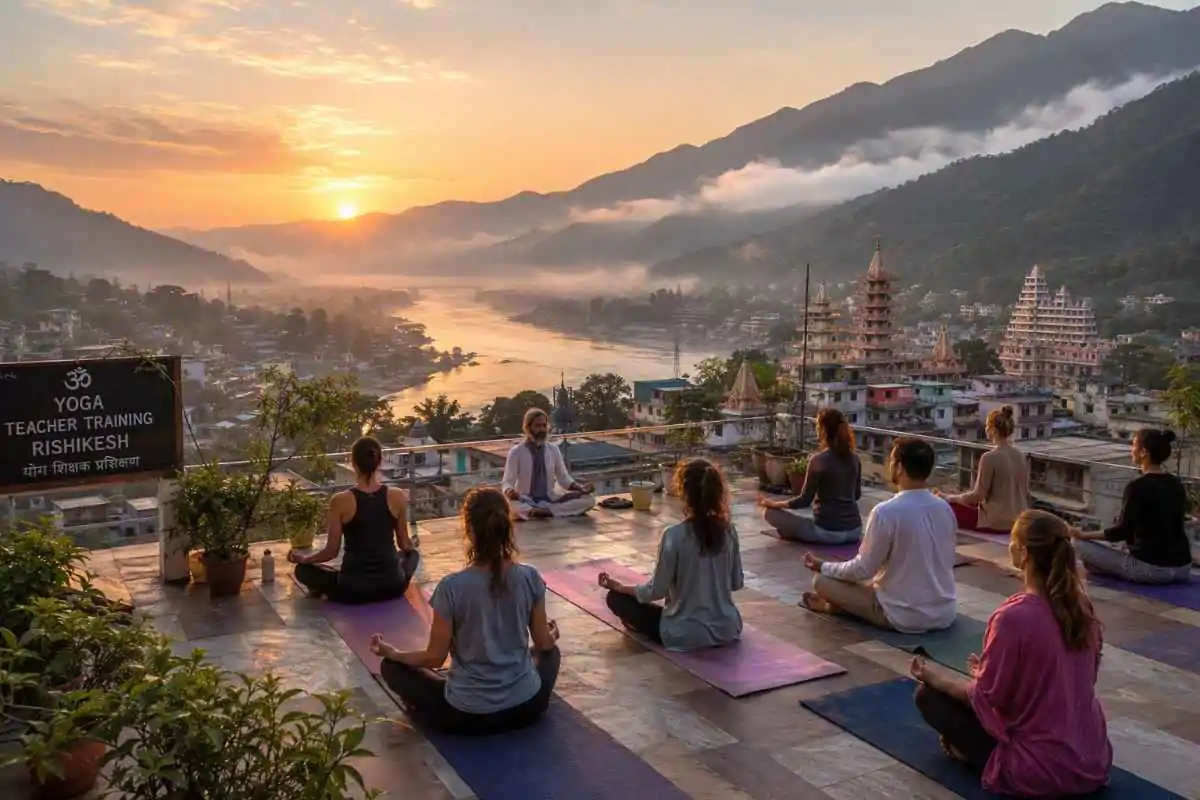
- Yoga teacher training in Rishikesh combines disciplined yoga practice with a supportive yoga school setting.
- Most courses are Yoga Alliance recognized and offered in 200, 300, or 500-hour formats.
- Your training usually covers asana, pranayama, meditation, anatomy, and philosophy.
- Daily life follows a structured routine with 6–8 hours of guided learning and practice.
- You build teaching skills through class planning, cueing, and student interaction.
- Rishikesh offers authentic teachings, spiritual energy, and a global learning community.
Introduction of what to expect yoga teacher training rishikesh
Starting yoga teacher training in Rishikesh can feel exciting, inspiring, and a little unknown at the same time. You may be wondering what your days will look like, how challenging the course will be, and whether you are truly ready for this step. The good news is that your yoga journey does not need perfect flexibility or years of experience. What matters most is your willingness to learn, stay consistent, and deepen your yoga practice with an open mind.

Why Choose Rishikesh for Yoga Teacher Training
Rishikesh is often called the yoga capital of the world, and that reputation comes from its deep connection to traditional learning. When you choose yoga teacher training here, you step into a place known as a global hub of yoga, where authentic teachings remain central to daily study.
You also gain access to some of the best yoga schools, experienced teachers, and a setting filled with spiritual energy. That mix can strengthen your understanding, sharpen your practice, and make your course feel more meaningful. To see why this place stands out, start with its roots and learning environment.
Spiritual Significance and Authentic Tradition
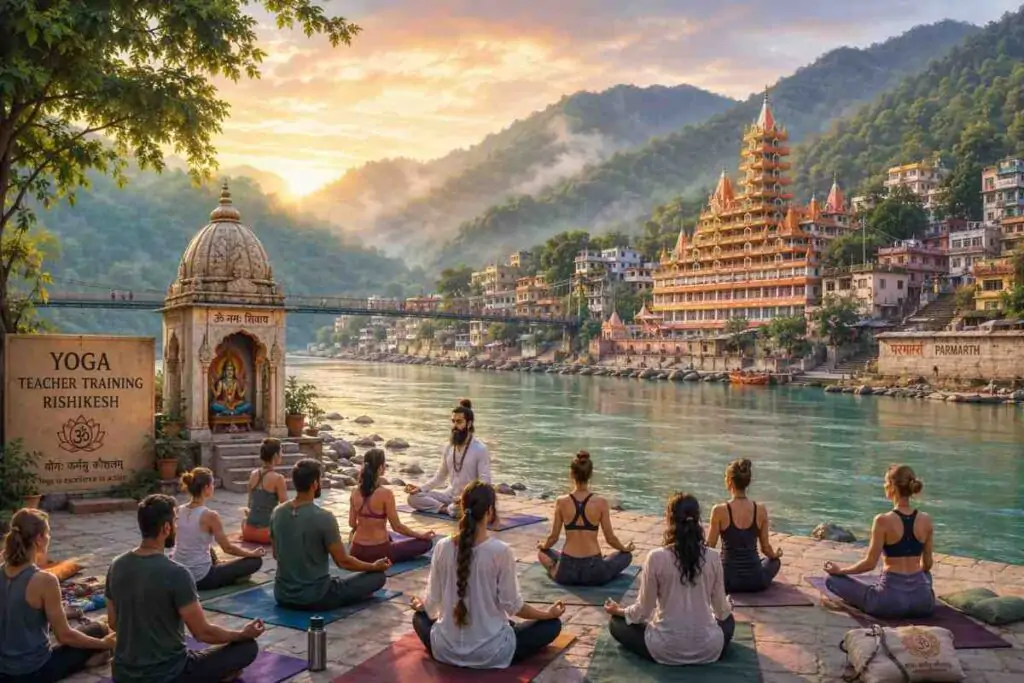
What makes Rishikesh special is not just the location. It is the feeling of studying in a spiritual environment connected to the roots of yoga. That setting can help you focus, slow down, and take your training more seriously from the very beginning.
In many courses, yoga philosophy is not treated like extra theory. It is presented as a core part of your understanding. You may study the eight limbs of yoga, learn key ideas from the yoga sutras, and build a clearer view of yogic lifestyle in a way that supports your daily practice.
This is one of the main benefits of training here. You are not only learning movement. You are also gaining a stronger link to the yoga sutras of patanjali and the traditional foundation behind modern teaching. That can shape both your practice and your long-term growth as a student or teacher.
Global Community and Learning Environment
Another part that surprises many students is the people around them. In Rishikesh, you often study with a global community of learners from different countries, backgrounds, and experience levels. That creates a culturally enriching experience and keeps the classroom dynamic.
The teaching environment is usually focused and supportive. With expert guidance from experienced teachers, you learn how to improve your personal practice while also developing the mindset of a yoga instructor. Good schools place real attention on proper alignment, safe practice, and clear communication.
Life at many schools is simple, peaceful, and centered on learning. You are there to train, rest, eat, and grow within a shared community. This kind of atmosphere, paired with access to a certified instructor and structured lessons, often makes the quality of instruction feel stronger and more grounded than in casual drop-in settings elsewhere.
What to Expect from Your First Day in Rishikesh
Your first day of yoga teacher training in Rishikesh usually feels like a mix of arrival, orientation, and quiet observation. You begin to understand your school, meet teachers and classmates, and get a first look at the daily schedule that will guide your weeks ahead.
At the same time, your yoga journey starts becoming a cultural experience. The pace, routines, and surroundings may feel different from home, but that is part of the learning. To make those first hours easier, it helps to know both the welcome process and the local lifestyle you are stepping into.

Orientation and Welcome Process
On arrival, orientation helps you settle in and understand how the course will run. Whether you joined a 200-hour yoga teacher training or another level, your school usually introduces the structure early so you know what is expected from day one.
You are often guided through the main parts of the program, including class timing, meals, rest, and study blocks. This first session can also give you a clear picture of the daily routine and how teaching techniques will be introduced over time.
You may receive details such as:
- Class hours for morning meditation, pranayama, asana, and afternoon study
- Basic expectations around attendance, discipline, and rest
- Practical information about meals, rooms, and shared spaces
A typical day often starts around 6:00 AM and includes meditation, breathwork, posture practice, philosophy or anatomy, teaching practice, an evening session, dinner, and early rest.
Adjusting to the Local Culture and Lifestyle
For many students, the biggest adjustment is not the classes. It is the local culture and the simple rhythm of daily life. Rishikesh has a calmer pace, and that can feel refreshing if you are used to noise, rushing, and late nights.
Your cultural experience may include quiet mornings, time near the ganges river, and habits that support yoga practice in a very direct way. Some students also notice small details that make the environment feel different but memorable.
You might come across things like:
- Mantra chanting as part of class or the wider atmosphere
- Herbal tea during breaks instead of your usual routine
- A weekly rest day that encourages recovery and reflection
These differences are usually easy to adapt to. In fact, they often help you feel more present. The lifestyle may seem simple at first, but it supports focus, steadiness, and a deeper connection to the training.
Beginner’s Guide: Preparing for Yoga Teacher Training in Rishikesh
Before your yoga teacher training begins, a little planning can make your start much smoother. Good practical preparation helps you feel calmer, especially if this is your first time joining a yoga school or committing to an hour ttc format.
You do not need to overcomplicate your yoga journey. A few useful items, basic physical readiness, and realistic expectations are enough. If you are thinking about the intensity of an hour yoga teacher program, it is smart to prepare for both the physical demands and the mental focus required each day.

Essential Items to Pack and Practical Preparations
Packing for training is easier when you keep it simple. Most practical preparations should support comfort, consistency, and your ability to take part fully in daily lessons. You are preparing for focused study, not a packed vacation schedule.
Think first about what helps you stay comfortable through daily practice and long learning days at your yoga school. The goal is to arrive ready, not overloaded. Since the routine is disciplined, useful basics matter more than extras.
A helpful packing list includes:
- Comfortable clothing for movement, rest, and repeated daily practice
- Your mat if you prefer practicing on your own familiar surface
- Personal basics for a simple stay and early starts
- Anything that helps you stay organized and focused during classes
It also helps to prepare physically with some basic yoga before arrival. You do not need advanced ability, but a little consistency beforehand can make the transition into the course feel much smoother.
Setting Expectations: Physical, Mental, and Emotional Readiness
The workload in training can be intense, especially if you are new to long, structured learning days. Most students spend 6–8 hours in classes and practice, so your body and mind both need attention. That does not mean it is unmanageable. It means you should arrive with realistic expectations.
Physical practice may bring muscle soreness and fatigue, especially during the first week. Breathwork can improve lung capacity, while meditation and routine can support mental clarity and help calm the nervous system. At the same time, self-reflection may bring emotional ups and downs.
It helps to expect:
- Tired muscles and a need for steady rest
- New concepts that require focus and patience
- Moments of self-reflection that test emotional stability
This training asks for effort, but not perfection. If you stay open, consistent, and willing to learn, the experience becomes more rewarding than overwhelming.
Step-by-Step Process: How to Start Your Yoga Teacher Training Journey
Beginning yoga teacher training in Rishikesh is usually simpler than people expect. You choose a yoga school, complete the enrollment steps, arrange travel, and then settle into a structured learning environment designed to build your teaching skills step by step.
You also do not need years of experience before starting. Many courses welcome beginners, especially in hour yoga teacher training formats that build foundations carefully. If your school follows Yoga Alliance standards and offers experienced guidance, you can begin your path toward becoming a instructor with more confidence.
Step 1: Selecting the Right Yoga School and Course
Choosing the right yoga school is one of the best decisions you will make before training starts. The strongest programs offer a structured curriculum, experienced teachers, and a beginner-friendly setting. That combination helps you feel supported while learning both practice and teaching techniques.
Rishikesh is considered an ideal place because many schools focus on traditional knowledge while still using modern teaching methods. You should look for course format, certification, learning environment, and teacher support instead of choosing only by price.
| What to Compare | What to Look For |
|---|---|
| Course Duration | 200, 300, or 500 hours based on your current goal |
| Certification | Yoga Alliance recognized training |
| Learning Focus | Asana, pranayama, meditation, philosophy, anatomy, teaching methodology |
| Teaching Quality | Experienced teachers, safe practice, alignment-focused instruction |
| Student Support | Small classes, beginner-friendly approach, structured guidance |
Course fees vary by school, but many programs include training, accommodation, and meals as part of the package.
Step 2: Application, Registration, and Travel Arrangements
Once you choose your course, the next part is the application process and registration. This stage is usually straightforward, and it helps confirm your place before you begin making full travel arrangements for yoga training in Rishikesh.
As you plan, keep your focus on timing, arrival, and what your school provides. Many students want to know about cost here too. While exact pricing depends on the program, course packages often include core training, meals, and accommodation, which simplifies the planning process.
Your checklist may include:
- Completing registration with your chosen yoga teacher training school
- Confirming course dates, stay details, and inclusions
- Booking travel through Jolly Grant Airport for easier arrival planning
Keeping these steps organized reduces stress before departure. Once your place and travel are sorted, you can stop overthinking logistics and start preparing for the actual learning experience ahead.
Step 3: Arriving and Settling In at Your Yoga School
Arriving at your yoga school is often the moment when everything starts to feel real. After the planning stage, you finally enter the environment where your yoga training will unfold day by day. That first impression is usually calm, simple, and centered on learning.
The living environment at many schools is designed to support focus rather than distraction. You are likely to spend your time between classes, meals, rest, and shared spaces with other students. This can feel very different from ordinary travel, but that is part of the value.
As you settle in, the sense of community becomes important. You are surrounded by people working toward similar goals, whether they want deeper study or a future as a yoga instructor. That shared purpose can make it easier to adapt, ask questions, and feel at home in a new place.
Step 4: Engaging in Classes, Workshops, and Community Activities
Once classes begin, your days become more structured and purposeful. A typical schedule often includes early meditation and pranayama, morning posture practice, breakfast, philosophy or anatomy, afternoon teaching practice, an evening session, dinner, and rest by night. This steady rhythm is a key part of the training.
Beyond regular classes, workshops and community activities help round out the experience. They give you more chances to absorb traditional knowledge, improve communication, and learn in different formats. This is also where many students begin to notice real progress in teaching skills and confidence.
You may work through:
- Guided classes focused on alignment and safe practice
- Workshops that strengthen understanding and practical teaching
- Community activities that support personal growth and connection
Common challenges still show up, especially fatigue, sore muscles, adjusting to routine, and processing self-reflection. Yet these are often the moments that deepen the learning most.
Benefits of Yoga Teacher Training
Engaging in yoga teacher training in Rishikesh offers numerous benefits that extend far beyond mastering asanas. One of the primary advantages is the deepened self-awareness and personal growth that often comes from immersive learning. The structured curriculum encourages introspection and helps trainees confront their limitations, both physically and mentally, fostering resilience and confidence. Furthermore, the opportunity to learn from experienced instructors in a spiritually rich environment enhances theoretical knowledge and practical skills, leading to a more profound understanding of philosophy and techniques. Students also benefit from building a supportive network of like-minded individuals who share similar goals and aspirations, creating lasting friendships and a sense of community. This blend of personal transformation, structured education, and community support ultimately empowers participants to embrace their unique teaching styles and inspire others through their yoga practice.
Who Should Consider Yoga Teacher Training?
Yoga teacher training is a significant commitment, and it’s essential to consider whether it aligns with your personal goals and lifestyle. This program is ideal for those who have a genuine passion for yoga and a desire to deepen their practice, whether you’re a seasoned practitioner or a curious beginner. If you’ve found joy and transformation through and want to share that experience with others, training can provide the skills and knowledge necessary to do so effectively. Additionally, individuals seeking career changes or looking to incorporate yoga into their professional lives, such as wellness coaches, fitness trainers, or therapists, may also benefit immensely from this comprehensive training. Moreover, if you’re interested in personal development—gaining a deeper understanding of yogic philosophy, anatomy, and teaching methodologies—this journey can elevate your practice, enhance your life, and provide a lifelong support network of fellow yogis. Ultimately, if you’re ready to commit to self-discovery and share the gift, this training could be the perfect next step.
When Yoga Teacher Training May Not Be Right Yet / Who Should Not Join
While yoga teacher training can be a transformative experience for many, it may not be the right choice for everyone at this moment. Those who are facing significant life challenges—such as personal instability, ongoing health issues, or high levels of stress—might find the added commitment of training overwhelming. It’s crucial to approach this journey when you feel ready, both mentally and emotionally. Additionally, individuals with unrealistic expectations—such as immediately mastering complex poses or rapidly transitioning into a teaching role—might benefit from first solidifying their practice and understanding. If you’re in a transitional phase in your career or personal life and unable to commit fully to a structured program, it may be wiser to wait until you’re able to devote the necessary time and energy to the training. Ultimately, the journey of yoga is deeply personal, and recognizing your current readiness can lead to a more fulfilling experience later on, when you’re truly prepared to absorb and share the depth of teachings available.
Career Scope After Yoga Teacher Training
Upon completing yoga teacher training in Rishikesh, the career scope is broad and filled with diverse opportunities. Graduates often find themselves in various roles, ranging from yoga instructors in studios and wellness centers to corporate wellness consultants and personal trainers. Many also explore avenues such as retreat facilitators, where they can combine travel and teaching while sharing their passion for yoga with like-minded individuals. Additionally, there are options for online teaching, which has gained popularity in recent years, allowing instructors to reach global audiences from the comfort of their homes. Some graduates even choose to specialize in specific styles or demographics, such as prenatal yoga, children’s yoga, or therapeutic, further enhancing their marketability. As the demand for holistic health and wellness practices continues to rise, the skills acquired during yoga teacher training can lead to fulfilling careers that not only promote personal growth but also contribute positively to the well-being of others. Ultimately, embarking on this journey opens doors to a vibrant community of practitioners, entrepreneurs, and wellness advocates driven by a shared mission of cultivating mindfulness and compassion in their lives and in the world around them.
Is It Worth the Investment?
Investing in yoga teacher training in Rishikesh is a decision that many ponder deeply, but the rewards can far outweigh the costs. From a financial perspective, while the initial fee might seem substantial, the value gained in skills, knowledge, and personal development is priceless. Students consistently find that the training experience enriches not just their practice, but also their lives outside the yoga studio. Rather than viewing it merely as an expenditure, consider it a transformative journey that opens doors to new career paths and deepens your understanding of philosophy. The ability to share this ancient practice with others, combined with the supportive community of fellow trainees, often leads to lasting friendships and professional connections. Furthermore, many graduates report increased confidence, improved mental clarity, and an enhanced sense of purpose. When reflecting on this investment, remember it’s not solely about the number of hours logged in training; it’s about the holistic growth you can achieve and the potential to impact the lives of others through yoga.
Questions to Ask Before Joining a Yoga Teacher Training Course
Before committing to a yoga teacher training course in Rishikesh, asking the right questions can significantly enhance your experience and ensure you choose a program that aligns with your goals and needs. Consider starting with inquiries about the course curriculum—what topics will be covered, and how many hours are dedicated to asana, philosophy, and teaching practice? It’s also vital to understand the qualifications and experience of the instructors; their backgrounds can greatly impact the depth of your learning. Additionally, clarifying the expected class size will give you insights into the level of individualized attention you can anticipate during your training. Don’t hesitate to ask about the type of certifications offered and whether the school is recognized by Yoga Alliance, which can influence your future teaching opportunities. Lastly, understanding the support system available for students, including how they facilitate a community atmosphere and provide resources for questions and personal growth, is essential. Gathering this information can empower you to make an informed decision and embark on a fulfilling journey.
Where to Stay in Rishikesh
When it comes to choosing where to stay in Rishikesh during your yoga teacher training, you’ll find a variety of options that cater to different preferences and budgets. Many yoga schools offer accommodation packages that provide a comfortable and conducive environment for your training, allowing you to focus fully on your studies and practice. These facilities often come with essential amenities, including clean rooms, shared spaces for relaxation, and nutritious meals, making them ideal for those who aim to immerse themselves fully in the experience. Additionally, you might want to explore local guesthouses or hostels, which offer more affordable stays and the chance to connect with fellow travelers. If you’re seeking a more luxury experience, boutique hotels along the banks of the Ganges provide stunning views and a serene atmosphere, perfect for unwinding after a long day of classes. No matter where you choose to stay, ensure it is in proximity to your school and offers the comfort you need to support your practice and learning in this vibrant spiritual hub.
A Detailed Look at Course Curriculum/Program Structure
The course curriculum for yoga teacher training in Rishikesh is typically structured to provide a comprehensive foundation in both practical and theoretical aspects. It often begins with an in-depth exploration of asanas, where students learn a variety of postures along with their alignment techniques and modifications to cater to different body types and abilities. This is complemented by pranayama, or breath work, which emphasizes the importance of controlled breathing for enhancing physical practice and mental clarity. The philosophy component delves into the ancient texts of yoga, including the Sutras of Patanjali, where learners examine the ethical principles and spiritual insights that form the bedrock of yogic practice. Anatomy is another critical aspect of the curriculum, focusing on the human body’s musculoskeletal system and understanding how it relates to movement and posture in yoga. Additionally, teaching methodology is a vital part of the training, guiding students in effective communication skills, class sequencing, and the art of cueing, which fosters confidence in their role as future instructors. Throughout the program, students are encouraged to engage in reflective practice and group discussions, promoting a community learning environment that enhances their understanding and personal growth within the world of yoga.
Honest Reflections—What Surprised Graduates Most
Many graduates of yoga teacher training in Rishikesh express surprise at the deep sense of community fostered during their program. Beyond the flow of asanas and philosophical teachings, the connections made with fellow trainees often become the highlight of their experience. Participants frequently mention how sharing personal journeys, struggles, and triumphs in such an encouraging environment led to profound friendships that extend far beyond the training. Another common revelation is the holistic approach to wellness promoted throughout the course, emphasizing not only physical practice but also mental and emotional well-being. This comprehensive perspective encourages graduates to cultivate a more mindful lifestyle, integrating the lessons learned into their daily routines.
What Happens If You Miss a Class
Missing a class during yoga teacher training can significantly impact your learning experience. Each session is meticulously designed to build upon the previous one, incorporating essential theory, practice, and group discussions. If you find yourself unable to attend, it’s important to communicate with your instructors and classmates to catch up on missed content. Often, schools provide resources or recorded sessions, but actively engaging with fellow trainees can deepen your understanding. Missing a class might also mean missing vital hands-on practice or personalized feedback, which are crucial for honing your teaching skills. Therefore, even if attendance is sometimes unavoidable, ensure you have a strategy in place to revisit the missed material and seek clarification where necessary for a seamless learning journey.
Lead Teacher Backgrounds and Teaching Styles
When embarking on a yoga teacher training program in Rishikesh, it’s essential to delve into the diverse backgrounds and teaching styles of the lead instructors. These educators often come with a rich tapestry of experiences, having studied under renowned masters and traveled extensively to deepen their practice. Some may specialize in Hatha, focusing on physical postures and alignment, while others might emphasize the philosophical aspects, integrating teachings from ancient texts like the Yoga Sutras. This variety not only enriches your learning experience but also exposes you to different methodologies, allowing you to discover what resonates best with your style of teaching. Engaging with instructors who have unique life stories and a passion for sharing their knowledge can inspire and motivate you throughout your training journey. As you explore the various lead teacher backgrounds, you’ll gain insights into how their personal journeys shape their approach, encouraging you to reflect on your own path and goals as an aspiring teacher.
Understanding Shatkarmas and Cleansing Rituals
Understanding Shatkarmas and Cleansing Rituals during your yoga teacher training in Rishikesh is essential for fully embracing the yogic lifestyle. Shatkarmas, or the six purification techniques, include practices such as neti (nasal cleansing), dhauti (cleansing the digestive tract), and basti (colon cleansing). These rituals serve to detoxify the body, enhance pranic energy flow, and prepare you for deeper meditation and physical practice. As you immerse yourself in these ancient techniques, you will learn how to effectively incorporate them into your daily routine, fostering not only personal growth but also a deeper understanding of the holistic aspects. Engaging in these cleansing rituals under the guidance of experienced instructors will empower you with the knowledge and skills needed to support your future students, creating a solid foundation for their journey and your own.
Yoga Training for Non-Teachers
Yoga training isn’t just for those who aspire to teach; it’s a transformative journey for anyone looking to deepen their practice and enhance their understanding of yoga. Whether you are a seasoned practitioner or someone who has just discovered the beauty, enrolling in a teacher training course in Rishikesh offers a unique opportunity to delve into the philosophy and principles of this ancient discipline. Participants can expect to engage in enriching sessions covering not only asanas but also meditation, yoga anatomy, and the spiritual aspects that make yoga a holistic practice. This experience helps cultivate a stronger personal practice, accentuating the connection between body and mind while providing tools to incorporate into daily life. As you immerse yourself in the serene landscapes of Rishikesh, you will discover that the essence of yoga is more about personal growth than merely acquiring teaching skills.
Realistic Daily Schedules—Strictness and Personal Time
When embarking on a yoga teacher training in Rishikesh, understanding the daily schedules is crucial. Expect a structured routine that begins early in the morning, often around 6 AM, with invigorating morning practices that set the tone for the day. Classes may include asana sessions, theory lectures, and pranayama practices interspersed throughout, leading up to lunch, typically at noon. The afternoons offer personal time for reflection, self-study, or exploring the serene surroundings; this balance is essential for processing the depth of what you’re learning. Evenings may culminate with a community gathering, meditation, or chanting, reinforcing the camaraderie of your cohort. While the training is rigorous with high expectations, this format ensures that each participant is not only absorbing the teachings but also integrating personal time for growth, making the experience both challenging and enriching.
Navigating Cultural Adjustment and Homesickness
Embarking on a yoga teacher training program in Rishikesh is not only a journey into the depths of yoga practice but also an immersion into a rich cultural tapestry. As you navigate this transformative experience, feelings of homesickness may arise. It’s crucial to acknowledge these emotions and understand that they are a natural part of this significant transition. Embrace the opportunity to connect with local traditions, culinary practices, and the serene rhythms of life by the Ganges, as each moment spent in this sacred land presents a chance for growth and connection. Engage with fellow trainees and build a support network, for sharing experiences often alleviates feelings of isolation. Remember that while the transition may present challenges, the lessons learned in Rishikesh will not only enrich your practice but will also provide a new perspective on home, allowing you to bring a piece of Rishikesh back with you, wherever you may go.
Refunds, Cancellations, and Dealing with Unforeseen Issues
When embarking on a yoga teacher training journey in Rishikesh, it’s essential to have a clear understanding of the policies regarding refunds, cancellations, and how to navigate unforeseen issues. Most reputable schools outline their cancellation policies explicitly, so it’s advisable to review these details carefully before committing. Typically, a partial refund may be available if you cancel within a specific time frame prior to the training start date, but deposits are often non-refundable. Additionally, those facing emergencies or unforeseen circumstances should communicate promptly with the training center, as many are willing to discuss alternative options such as rescheduling or credit toward future training. Remember, open communication is key, so don’t hesitate to reach out for clarification or assistance if any hiccups arise during your planning process. Being prepared for these scenarios ensures a smoother experience as you embark on your transformative spiritual journey in the heart of yoga.
Conclusion
As you embark on your journey of yoga teacher training in Rishikesh, remember it’s not just about mastering poses; it’s about immersing yourself in a transformative experience. From the spiritual atmosphere of the city to the supportive community of fellow yogis, Rishikesh offers a unique opportunity for growth and learning. Prepare to face challenges, embrace new cultures, and cultivate both physical and mental strength. Each step you take will not only deepen your practice but also connect you with the essence. Are you ready to transform your life and inspire others? Don’t wait any longer—get started on your yoga teacher training journey today by booking a free consultation to discuss your options!
Frequently Asked Questions
No, previous experience is not always required. Many yoga teacher training programs in Rishikesh welcome beginners, especially when the yoga school offers a structured, beginner-friendly approach. If the course follows Alliance standards, you can build strong education and yoga practice foundations as you learn.
A typical daily schedule often starts around 6:00 AM with meditation and pranayama, followed by practice, meals, philosophy or anatomy, teaching practice, an evening session, dinner, and rest. In an hour yoga teacher training course, this daily routine usually fills 6–8 focused hours at your yoga school.
The course fee usually depends on the yoga school, but many yoga teacher training packages include the training itself, accommodation, and meals. Some of the best schools combine these essentials with a structured curriculum, which helps you focus on learning teaching skills instead of managing separate arrangements.
The most common challenges during yoga teacher training are muscle soreness, fatigue, adjusting to a strict routine, and absorbing new concepts quickly. In an hour teacher training course, self-reflection can also test emotional stability. You do not need advanced practice, but you do need patience, consistency, and openness.