
Key Highlights
- Goa is a top destination for yoga teacher training because it blends authentic yoga education with a relaxed beach setting.
- Many yoga schools offer a yoga teacher training course in styles like Hatha, Vinyasa, Ashtanga, and Yin.
- In yoga teacher training India, Goa stands out for affordability, accessibility, and a welcoming international community.
- A 200-hour yoga teacher training is the most common starting point for beginners.
- South Goa suits focused study, while North Goa offers variety and a lively atmosphere.
- Most programs include lodging, vegetarian meals, and daily practice.
Introduction
Starting yoga teacher training in Goa can feel exciting and a little overwhelming. You may be wondering where to study, what course to choose, and what daily life will really look like. At mahiyoga.com, this guide is here to make your journey simpler. YTTC in Goa offers a strong mix of yoga education, natural beauty, and accessible programs for beginners. If you want to deepen your practice or move toward teaching, this is a smart place to begin.
Why Choose Goa for Your Yoga Teacher Training Course (YTTC in goa)
Goa is one of the most popular places for a teacher training course in India, and it is easy to see why. You get authentic teachings in the birthplace, but in a setting that feels approachable for international students.
With beautiful beaches, a tropical climate, and a wide range of schools, Goa can be the perfect place to begin. It combines strong yoga teacher training India options with a relaxed environment that helps you settle into learning. The next sections break down what makes the experience so appealing.
Unique Benefits of a YTTC in Goa Experience
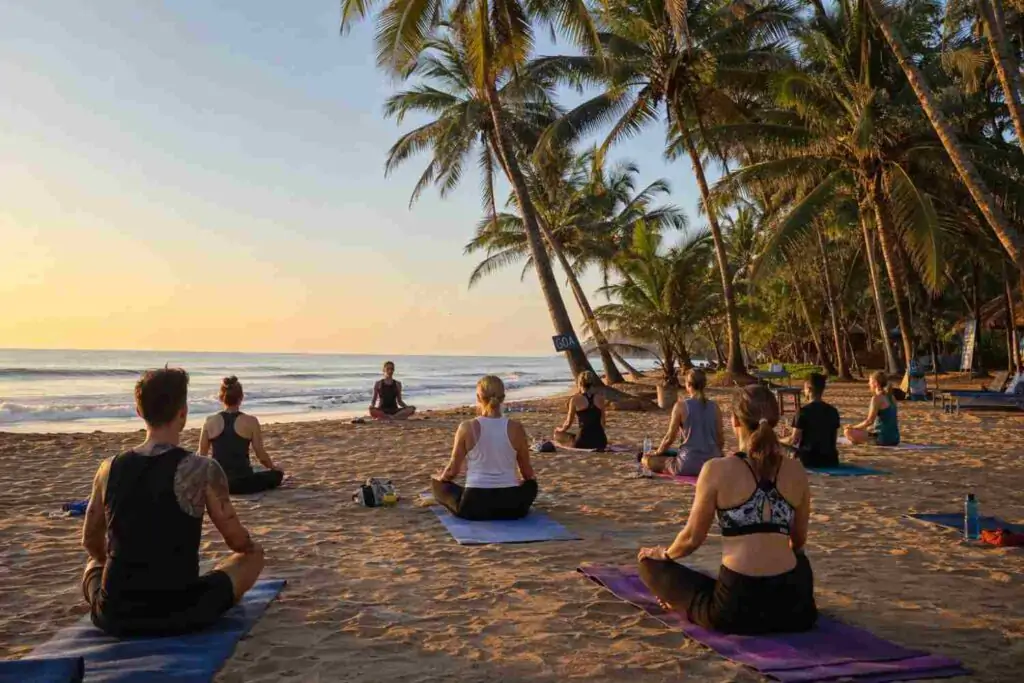
Transformative experiences await participants of a YTTC in Goa. Nestled between beautiful beaches and a vibrant culture, this setting offers a unique atmosphere that enhances the journey of becoming a certified yoga teacher. With an emphasis on both personal growth and philosophy, students dive deep into various styles like Ashtanga, Hatha, and Vinyasa flow. The tropical climate complements daily practices and encourages connections with like-minded individuals, ensuring that your time in YTTC in Goa is not just about education but an unforgettable adventure.
The Vibrant Yoga Culture and Community in Goa
One reason yoga teacher training in Goa feels so memorable is the yoga culture around you. Students from North America, Europe, Australia, and India come together to study, practice, and share daily life. That mix creates a warm and open community.
You are not just learning poses. You are exposed to different aspects, including meditation, breathwork, philosophy, and a more intentional lifestyle. In many schools, the shared routine helps people form close friendships quickly.
Location also shapes the experience. Quieter parts of South Goa, such as Agonda, Palolem, and Patnem, are known for calm and focus. In North Goa, Mandrem, Arambol, and Assagao attract students who want both yoga training and a more social environment. This balance is part of YTTC in Goa appeal.
Ideal Climate and Natural Beauty for Deepening Your Practice
Goa’s tropical climate and coastal scenery make it easier to settle into steady practices. Open-air shalas, palm trees, and sea air can create a calm backdrop for long study days. For many students, the setting supports both discipline and relaxation.
The best time to train is usually from November to March. This period is drier and cooler by local standards, which makes daily classes more comfortable. From April to May, the heat rises, and from June to October, monsoon weather affects many schools.
- November to March is often the best time to visit for training.
- South Goa’s beautiful beaches usually feel quieter and more suited to focus.
- Natural beauty can help you stay grounded during an intensive course.
If environment matters to you, Goa offers a strong balance of study and calm.
Exploring Yoga Teacher Training Course (YTTC in Goa) Options
Before you enroll, it helps to understand how many yoga teacher training course options YTTC in Goa – offers. You will find beginner-friendly programs, advanced certifications, and specialized training styles across both North and South Goa.
Some students choose a standard 200-hour yoga teacher training course, while others look at a 300-hour or combined 500-hour yoga ttc path. There are also shorter foundation programs in some schools. Because YTTC in Goa varies a lot, comparing levels, styles, and prices is the best next step.
Understanding the Different YTTC in Goa Levels: 200-Hour vs. 500-Hour
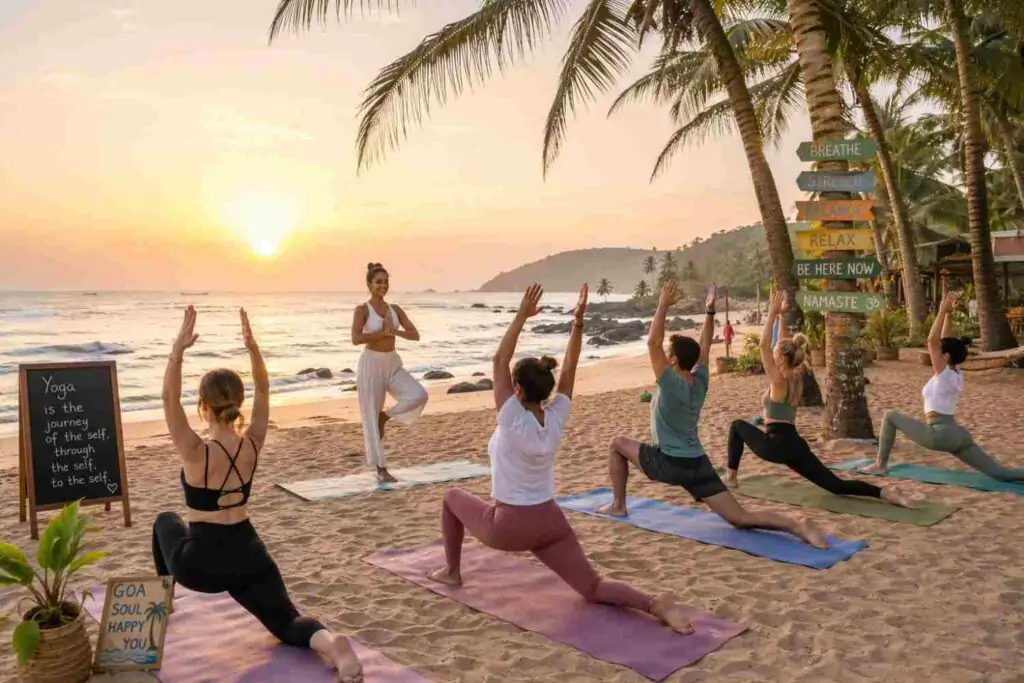
If you are new, a 200-hour yoga teacher training is usually the starting point. It gives you the core education needed to understand practice, teaching basics, and foundational subjects. Many beginners in Goa choose this route first.
A 500-hour yttc is more advanced. In many cases, it combines a 200-hour program with a 300-hour follow-up. That means more study, more practice teaching, and more time to deepen your understanding.
| Program Level | Best For | Typical Focus | Duration |
|---|---|---|---|
| 200-hour yoga ttc | Beginners | Foundations, teaching basics, philosophy, anatomy, practice | About 21 to 30 days |
| 300-hour | Graduates of 200-hour programs | Advanced study and deeper teaching development | About 28 to 30 days |
| 500-hour yttc | Students wanting full progression | Combined foundational and advanced learning | Longer combined format |
If you want to start teaching sooner, the 200-hour course is usually enough to begin.
Specialized Yoga Teacher Training Programs (Yin, Ashtanga, Vinyasa & More)
Goa offers far more than one style of training. Many schools run multi-style courses, but some put stronger focus on one path, such as hatha yoga, ashtanga yoga, or vinyasa yoga. This gives you room to match the course to your interests.
Some programs also include yin yoga, restorative practices, yoga nidra, meditation, or Ayurveda-based lifestyle learning. That can be especially useful if you want a broader teaching toolkit rather than one narrow method.
- Yin yoga appears in several multi-style Goa programs.
- Ashtanga yoga is often taught in more structured, discipline-focused schools.
- Vinyasa yoga and hatha yoga are common in beginner-friendly courses.
So yes, specialized YTTC options are available in Goa, though many schools blend several traditions in one program.
How to Find Affordable YTTC Courses in Goa
If budget matters, Goa is one of the better places to look. India is known for affordable yoga teacher training, and Goa offers strong value compared with the United States or Europe. Many residential programs include accommodation and meals in the package.
Most 200-hour options fall within a broad budget-friendly range, and simpler schools often cost less because they focus on teaching rather than luxury features. That can be a smart trade if your priority is solid learning.
- Compare what each yoga ttc includes, not just the base fee.
- Look for packages with meals, lodging, and airport pickup.
- Be cautious of schools that market heavily but lack clear quality signals.
Affordable does not have to mean low quality. In Goa, it often means practical, simple, and focused.
Beginner’s Guide: How to Start Your YTTC in Goa Journey
Beginning your first yoga teacher training course can bring up a lot of questions. Do you need experience? What should you pack? How do you know if a school is right for you? These are normal concerns at the start of any journey.
Most beginners do best when they break the process into simple steps. From choosing a yoga ttc to getting ready for travel, the path becomes easier when you handle one decision at a time. The next sections walk you through that process like a future instructor in training.
What You’ll Need: Essential Equipment, Mindset, and Resources
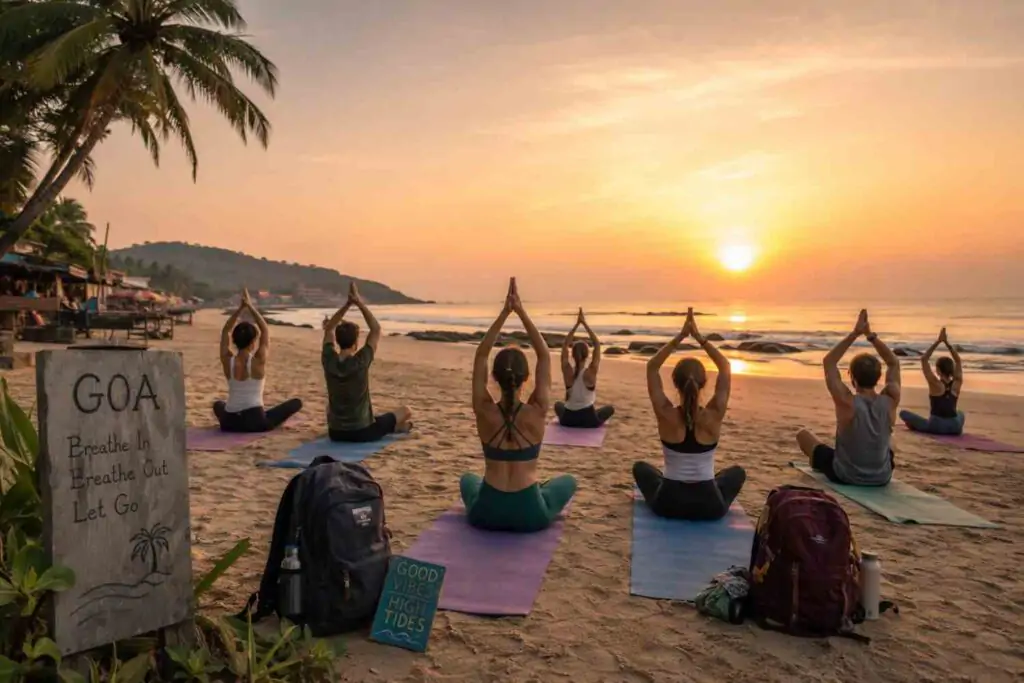
You do not need fancy gear to begin yoga teacher training. Most schools focus more on consistency, openness, and willingness to learn than on what brand of mat you bring. A calm mindset is often more valuable than extra equipment.
You should come ready to study more than movement. YTTC in Goa usually includes philosophy, breathwork, anatomy, and teaching methodology, so expect a full learning experience. Think of yourself as a student first, not yet a instructor.
- Pack light, loose clothes for warm weather and daily practice.
- Bring basic essentials you use often, rather than overpacking.
- Arrive with curiosity and respect for the discipline.
If you have around six months of regular practice, you will usually feel more prepared, but some beginner-friendly programs also welcome newer students.
Step-by-Step Process for Enrolling in Your First YTTC in Goa
Enrolling in your first teacher training does not need to feel complicated. When you take it step by step, the process becomes much easier. Start with your goals. Do you want a career shift, deeper personal study, or both? That answer shapes the right yoga teacher training course.
Once you know your aim, compare courses by style, location, schedule, and budget. Then look at reviews, teacher background, and what is included in the fee. This part matters because your journey deserves careful planning.
- Decide which style and setting fit you best.
- Shortlist accredited schools with clear curriculum details.
- Ask questions about housing, meals, and support.
- Apply early and secure your spot with a deposit if needed.
A little planning up front can save you stress later.
Step 1: Research Accredited and Reputable Yoga Schools
Start by checking whether the yoga schools you like are properly registered and recognized. A credible yoga teacher training center should clearly state its accreditation and explain the type of certificate you will receive after graduation.
Next, look beyond search rankings. Some schools appear high online because of marketing, not because they offer the strongest yoga teacher training program. Read real student feedback and look for honest comments on teaching quality, safety, and organization.
It also helps to review teacher bios and course details carefully. A school that is transparent about faculty, syllabus, and expectations usually has less to hide. Since this is a major investment of time and money, solid research is one of the most important early steps you can take.
Step 2: Compare Course Syllabi, Timings, and Fees
Once you have a shortlist, compare the actual learning structure. A yoga teacher training course may sound appealing on a website, but the course syllabi will show whether it really covers the essentials. You want more than asana classes.
Look at how the teacher training center schedules its day. Most 200-hour programs are intensive and usually run for about a month, with one day off per week. Timing matters because you need enough rest to absorb the material.
- Check if philosophy, anatomy, pranayama, and teaching practice are included.
- Compare how many contact hours are devoted to practical teaching.
- Review the total fee and what it covers.
A cheaper course is not always the best deal if it leaves out meals, accommodation, or key subjects.
Step 3: Prepare Application Materials and Secure Your Spot
After choosing your school, the next step is the application. Many programs keep this simple, but you should still prepare carefully. Be honest about your background, your current practice, and what you want from yoga teacher training.
Some schools may ask about your regular yoga practice or prior experience, especially if the course has a stronger style focus such as Ashtanga. Even when a program is beginner-friendly, sharing accurate details helps the school place you well and support you properly.
Once accepted, pay the required deposit early to secure your place. Good programs fill up, especially in the peak season from November to March. If your goal is to become a certified yoga teacher, it helps to lock in your training dates before flights and other travel plans rise in cost.
Step 4: Plan Your Travel, Accommodation, and Packing List
Preparing for your journey to a yoga teacher training course is essential. Start by booking your travel to Goa, ensuring you consider connecting flights if needed. Once your arrival is confirmed, choose accommodation that aligns with your budget and offers a conducive environment for your yoga training. Packing should include essentials such as comfortable yoga attire, eco-friendly toiletries, and any personal items that support your regular yoga practice. Don’t forget a journal to document your transformative experiences!
Daily Life During a YTTC in Goa
Many students wonder what daily life feels like during yoga teacher training in Goa. The short answer is this: your days are full, structured, and centered around practice, study, and simple living. It is immersive, not a casual vacation.
You can expect early starts, multiple yoga classes, lectures, and time set aside for meals and some rest. Most residential programs also include vegetarian meals, which support the rhythm of yoga training. To make this easier to picture, here is what a typical day may look like.
Sample Schedule: Classes, Meals, and Free Time
A typical day in an hour yoga teacher training course is structured and quite full. You may begin with morning practice, continue with theory classes, and finish with evening sessions. This routine is demanding, but it helps build discipline quickly.
Meals are usually simple and nourishing. Many schools include vegetarian meals, and students often appreciate not having to think about food planning during training. Free time may be limited, but there is often space for beach walks, journaling, or rest.
| Time | Activity |
|---|---|
| Early morning | Meditation, pranayama, or chanting |
| Morning | Asana practice or yoga classes |
| Midday | Breakfast or lunch, short rest |
| Afternoon | Anatomy, philosophy, alignment, teaching methods |
| Evening | Practice session, discussion, or reflection |
This daily life helps students stay focused while still having small moments to recharge.
Community Support and Wellness Activities
One of the strongest parts of yoga training in Goa is the sense of connection that builds over time. Living, practicing, and learning with the same group creates a close yoga community. That support can make hard days feel much easier.
Some schools go beyond classes and include wellness activities or social events. These are not always the focus, but they can help students relax and bond. In a residential yoga retreat setting, community often becomes part of the learning itself.
- Group walks and shared meals can strengthen trust.
- Events like ecstatic dance may appear in some schools.
- Quiet beach time often becomes a form of recovery too.
Even in an intensive course, these moments of support matter. They help balance effort with ease.
What to Expect From a 200-Hour Yoga Teacher Training Curriculum
A 200-hour yoga teacher training is usually the first full certification that prepares you to teach. In Goa, these programs are often immersive, practical, and wide-ranging. You study movement, breath, philosophy, and teaching methods as part of one complete yoga education.
This means your yoga teacher training course is not just about memorizing poses. You build a broader understanding of yoga and how to share it responsibly. The next sections cover the subjects most students see in a 200-hour curriculum.
Core Subjects: Asana, Pranayama, Philosophy, and Anatomy
Most 200-hour courses in Goa cover the same core foundations. You practice asana daily, but you also study the systems behind the practice. This is where many students realize how much broader yoga is than they first expected.
Breathwork and philosophy are standard parts of training. Schools also teach anatomy, alignment, and the history of yoga so you can understand how practice affects the body and mind. These subjects help you move from student to teacher with more confidence.
- Asana practice and posture alignment
- Pranayama and meditation methods
- Philosophy, including classic teachings
- Anatomy and body awareness for safe instruction
Together, these subjects build a strong base for both personal growth and future teaching.
Practical Teaching Experience and Assessment
A strong yoga teacher training program does not stop at theory. It gives you practical teaching experience so you can begin speaking, demonstrating, and guiding students with clarity. This part often feels challenging at first, but it is where real confidence grows.
Many schools include peer teaching, sequencing practice, and guided feedback from instructors. In some programs, you begin teaching early in the course. That helps turn information into usable teaching skills instead of leaving everything abstract.
Assessment usually happens through participation, teaching practice, and subject understanding rather than one single exam. By the end, you should feel more prepared to lead simple classes, communicate clearly, and support future students in a safe and thoughtful way.
YTTC Certification and Next Steps After Graduation
Finishing your course is a major milestone, but what happens next? In Goa, many schools offer teacher training certification that aligns with Yoga Alliance standards. That matters if you want your qualification to be recognized outside India. After a 200-hour course, many graduates become eligible to register as a registered yoga teacher, which helps when applying to studios or building your own path as a yoga instructor.
Graduation is also the start of a wider journey. Some students teach right away, while others continue practicing before stepping into a public role. There are different career opportunities, from studio teaching to retreats, private sessions, or further advanced training. Your certificate opens the door, but your growth continues after the course ends.
Recognized Qualifications and Yoga Alliance Accreditation
One of the first things to check before booking a teacher training course is accreditation. Many reputable Goa schools are recognized by Yoga Alliance, which gives your certification wider value. That can be helpful if you plan to teach internationally.
After completing an approved 200-hour program, you may be eligible to register as a registered yoga teacher. This does not replace experience, but it does give you a recognized starting point. It shows that your training meets a known standard.
| Course Completed | Typical Outcome |
|---|---|
| 100-hour foundation training | Personal development, but not usually enough for full teaching status |
| 200-hour program | Entry-level certification and possible Yoga Alliance registration |
| 300-hour program | Advanced study after a 200-hour qualification |
| 500-hour training | Broader and deeper credential combining foundational and advanced work |
Always verify accreditation directly before paying a deposit.
Career Opportunities and Continuing Your Yoga Journey
Once you graduate, your options depend on your goals. Some people become a yoga teacher right away, while others take time to keep practicing before leading classes. Both paths are valid. Certification is a beginning, not a finish line.
As a certified instructor, you may teach in studios, support retreats, offer private sessions, or continue studying through a 300-hour program. Some graduates simply use the training to deepen their personal practice, which is just as meaningful.
Your journey can keep unfolding in different directions. You may refine one style, explore meditation more deeply, or build confidence through regular teaching. What matters most is continuing with honesty, steady practice, and respect for the training you received in YTTC in Goa.
Average Cost and Affordability of Yoga Teacher Training in Goa
One reason Goa remains so popular is value. Compared with many Western countries, an affordable YTTC in Goa often includes much more for the price. A typical yoga teacher training course can range from about $900 to $2,000, with the average 200-hour yoga ttc costing around $1,500. For many students, that package includes simple accommodation and daily meals, which makes the total feel more manageable.
Still, cost breakdown matters. Some schools include airport transfers, massages, or local outings, while others keep things very basic. Lower cost does not always mean poor quality, but it may mean simpler rooms and fewer extras. If your main goal is strong teaching and immersion rather than luxury, Goa can be one of the smartest places to study without overspending.
Tips for Planning Your Yoga Trip (Travel, Visas, Best Time to Visit, What to Wear)
Planning well can make your yoga teacher training India experience much smoother. The best time to visit Goa is usually from November to March, when the weather is drier and cooler. Many students fly into Dabolim airport, and some schools include pickup. If there is no direct route, a connecting flight through major Indian cities may be needed. Visa rules vary by nationality, so it is important to apply early and double-check current requirements before travel.
Packing should be simple and climate-appropriate. YTTC in Goa is more relaxed than many parts of India, so light clothes work well, though it still makes sense to dress with some awareness. If your course includes meals, expect simple food that may feature local ingredients and a vegetarian focus. The less you overpack, the easier your arrival and adjustment will feel.
Pros and Cons of Doing Yoga Teacher Training in Goa
YTTC in Goa offers a lot of advantages for yoga teacher training. You get beachside surroundings, a welcoming international student mix, strong affordability, and access to many course styles. For beginners, it can feel like a softer introduction to India while still supporting serious practices. Many schools also include housing and meals, which simplifies planning and helps you focus on your teacher training course.
That said, there are trade-offs. School quality is uneven, so research matters. Some parts of North Goa can feel tourist-heavy and distracting if you want deep quiet. Seasonal limits also matter, since monsoon months affect schedules and comfort. If your journey needs calm, South Goa often works better. The key is not asking whether Goa is good in general, but whether a specific school and location suit your learning style.
Yoa Styles Offered – YTTC in Goa (Hatha, Vinyasa, Ashtanga, etc.)
Goa offers a wide variety of training styles, which is one reason so many students choose it. You will commonly find hatha yoga, vinyasa yoga, and ashtanga vinyasa in both beginner and advanced programs. Multi-style courses are especially popular because they help new teachers explore different methods before deciding what suits them best.
Beyond the better-known active styles, many schools also include yin yoga and restorative as part of the curriculum. These slower methods can balance the intensity of daily training and give you a broader teaching range after graduation. Some programs even include yoga nidra, meditation, and breathwork. If you are unsure where to start, a multi-style 200-hour training is often the most flexible entry point.
Yoga Alliance Certification Details and Importance
When you compare schools, Yoga Alliance recognition is one of the most important details to check. A teacher training course that is properly accredited gives your certification broader value and may allow you to register as a registered yoga teacher after graduation. For students who want to teach in different countries, this can make a real difference.
Just as important, accreditation gives you a basic quality benchmark. It does not guarantee the perfect experience, but it helps you avoid programs with weak structure or unclear standards. In Goa, many of the better-known schools use Yoga Alliance recognition as part of their training model. Before paying, confirm the school’s listing and ask what support they provide after the course if you plan to register formally.
Cost Breakdown and Affordability of Yoga Teacher Training in Goa
Looking at cost breakdown helps you compare courses more accurately. An affordableteacher training package in Goa often includes much more than tuition alone. Many schools bundle your yoga teacher training course with accommodation, vegetarian meals, and sometimes airport pickup. That changes the real value of the price.
A yoga ttc with a lower fee may still cost more overall if you need to arrange food, transport, and housing on your own. On the other hand, a mid-range course that covers the basics can be the better deal. Since most programs in Goa aim for practical living rather than luxury, students often get solid training at a price that is still far below Western options. Always compare inclusions before deciding what is truly affordable.
Tips for Planning Your Yoga Trip to Goa (Logistics & Essentials)
Good logistics can make the first week of yoga teacher training much smoother. Start with your travel route, arrival timing, and airport transfer. If your school does not provide pickup, confirm how you will reach the campus safely. Since many courses begin early the next morning, arriving a little before the start date can help you settle into daily life without rushing.
Your visa should be sorted well ahead of departure, and you should also check what the school provides in terms of rooms, meals, and essentials. This avoids overpacking and helps you plan around the actual logistics of residential study. Keep things simple. Comfortable clothing, documents, payment methods, and basic daily items are usually enough. The easier your setup, the more attention you can give to practice and study.
Pros and Cons of Doing Yoga Teacher Training in Goa
For many students, Goa makes yoga teacher training feel both inspiring and manageable. The beaches, warm weather, and international student community can support a positive journey. There is also great variety. You can find quiet schools, social schools, strict programs, and more relaxed teacher training course options depending on where you look. That flexibility is a major strength.
Still, Goa is not automatically right for everyone. Tourist areas can distract from focused practices, especially if you pick the wrong location. Heat and humidity can also feel intense outside the cooler season. Another concern is inconsistency across schools, so careful research matters. If you choose wisely, Goa can be excellent. If you choose only by photos or price, the experience may fall short of what you hoped for.
Yoga Styles Offered in Goa
Goa is known for variety, and that shows up clearly in its styles. Many schools teach hatha yoga as a foundation because it helps beginners build alignment, steadiness, and body awareness. Others center their programs around vinyasa yoga or ashtanga vinyasa yoga for students who want a more dynamic and disciplined practice.
You will also see softer approaches woven into many courses. Yin yoga and restorative are often included to balance the stronger daily schedule and support recovery. This is useful if you plan to teach a wider range of students later. Because many Goa trainings are multi-style, you do not always need to choose just one path right away. That can be especially helpful when you are still discovering your teaching voice.
Choosing the Right Yoga School or Course—Key Tips
Choosing course options in Goa can feel difficult because there are so many yoga schools competing for attention. Start by asking practical questions. Is the school accredited? What style does it emphasize? Is the setting quiet enough for study? A yoga teacher training course should fit your goals, not just your budget or dream beach photo.
It also helps to compare how each yoga ttc presents its curriculum and teacher background. Strong schools are clear about what you will learn, who will teach you, and what support is included. Look for real reviews, not just polished testimonials. If you are a beginner, a multi-style 200-hour course in a calmer part of Goa is often a smart first choice. Fit and transparency matter more than hype.
Yoga Alliance Certification Details
Yoga Alliance comes up often when you research training, and for good reason. It is one of the main reference points students use to judge whether a yoga teacher training course meets recognized teaching standards. If the school is properly registered, your certification may carry more weight when you later apply to studios or start work as a instructor.
Still, the certificate alone is not everything. You also want a school with solid teaching, ethical standards, and a clear syllabus. Yoga Alliance recognition helps, but your actual learning experience matters just as much. In Goa, many respected schools combine both: formal accreditation and a practical training environment. That mix can give beginners a strong start without making the process feel overly complicated.
Seasonal Considerations and Limitations
Goa’s tropical climate is one of its biggest attractions, but it also affects training plans. The best time to visit for yoga teacher training India programs is usually November through March. These months are drier and more comfortable for daily practice, especially in open-air spaces near the coast. You still get the beautiful beaches, but with less weather disruption.
Outside that season, conditions change quickly. April and May can be very hot, which may make a full training day more tiring. From June to October, monsoon weather affects many schools, and some close or move to indoor setups only. That does not mean training is impossible, but your experience may be very different. If flexibility, comfort, and availability matter, timing your course well is one of the smartest choices you can make.
Navigating Online Versus In-Person YTTC in Goa
When comparing online yoga teacher training with in-person yoga teacher training, the biggest difference is immersion. Goa is known for residential learning, shared daily routines, and direct teacher feedback. That kind of yoga ttc environment can be hard to match through a screen, especially if you value community and hands-on correction.
Based on the available information, Goa’s strongest advantage is the lived experience of studying in place. You are surrounded by the schedule, the school setting, the food, and the group dynamic. That supports education in a fuller way than just watching classes from home. If you need convenience, online formats may seem easier. But if you want the complete atmosphere that makes Goa special, in-person training is usually the better fit.
Specialized Yoga TTCs (e.g., Yin, Hatha) in Goa: What Makes Them Unique?
Specialized courses in Goa stand out because they let you go deeper into a style instead of sampling everything lightly. A hatha yoga-focused yoga teacher training program may emphasize alignment, steadiness, breath, and classic foundations. That can be ideal if you want a traditional base before expanding into other methods.
A yoga ttc that includes yin yoga or restorative elements offers something different. It adds slower, more reflective work that can balance the stronger pace of intensive training. These specialized courses are useful if you already know what type of teaching or practice interests you most. At the same time, many Goa schools still blend styles, so even targeted programs often give you enough variety to build a broader skill set.
Real Student Demographics and Course Dynamics
One of the appealing parts of a Goa yoga teacher training course is the mix of people it attracts. Students come from different countries, age groups, and life stages. Some want a career change. Others simply want to deepen their understanding. This variety can make the learning environment feel open, supportive, and broad-minded.
Course dynamics often depend on the school. Smaller groups may feel more personal and community-driven, while larger ones can bring more social energy. The available information shows that Goa regularly attracts international students from places like North America, Europe, and Australia, which shapes student demographics in a meaningful way. If you like learning with people from different backgrounds, Goa often offers that experience naturally.
Addressing Special Needs: Pregnancy, Medical Conditions, and Accessibility
If you have pregnancy-related concerns, medical conditions, or accessibility needs, you should contact the school directly before enrolling. The available information does not give detailed medical policies across Goa programs, so it is important not to make assumptions. A responsible yoga teacher training center should be willing to explain what support it can and cannot offer.
This step matters because every school is different in structure, housing, and physical demands. Intensive schedules may not suit everyone, and an ethical instructor team will want honest communication from the start. Ask about room access, class modifications, rest options, and whether teachers can support your situation safely. Clear answers early on help protect your health and make sure the program is a realistic fit.
Practical Advice on Study Materials, Pre-Reading, and Preparation
Preparation does not have to be complicated, but it does help. Before your yoga teacher training course begins, review the syllabus and ask whether the school recommends any study materials or pre-reading. Since most programs cover philosophy, anatomy, breathwork, and teaching methods, arriving with a basic sense of these areas can make the first week feel less intense.
It also helps to strengthen your personal routine before departure. A little regular practice, better sleep, and simple mental preparation can go a long way. You do not need to master anything in advance. The point of preparation is just to arrive ready to learn. If the school sends guidance, follow it closely. If it does not, focus on consistency, openness, and realistic expectations rather than trying to over-prepare.
Integrating Yamas and Niyamas Practically in Goa YTTC in Goa
In Goa, philosophy is usually taught as part of the wider training, not as a separate abstract topic. That means ideas like the yamas and niyamas are often experienced through daily rhythm as much as through lectures. Shared space, simple meals, regular practice, and mindful communication all give these teachings practical shape.
A yoga ttc becomes a living environment where your habits are easier to notice. How do you respond to stress, tiredness, or group dynamics? How do you care for your body and speak to others? These are simple but powerful wayspractices connect with philosophy. Even if schools do not frame every moment in those exact terms, the structure of training in Goa often gives you a direct way to understand and apply them.
Online vs. In-Person YTTC in Goa—Is Virtual Worth It?
When considering YTTC in Goa, weigh the benefits of in-person interactions, community bonding, and hands-on practice against the flexibility and accessibility of online courses. Each option has unique advantages; your choice depends on personal priorities and learning preferences.
Specialized Yoga Styles and Unique Programs in Goa
Exploring various specialized styles in Goa enhances the overall training experience. Programs often include Ashtanga Vinyasa yoga, Hatha yoga, and even Yin yoga, allowing participants to immerse fully in diverse practices. Each yoga teacher training course offers a distinct approach, focusing on unique aspects of philosophy and techniques. Additionally, many schools emphasize local ingredients during meal preparation, catering to the healthy lifestyle embraced by yogis. This combination of practices fosters personal growth while deepening the understanding in an inspiring environment.
Managing Health, Injuries, and Special Conditions During YTTC in Goa
Maintaining well-being throughout your yoga teacher training course is vital. Prioritize communication with your instructors about any existing injuries or health conditions, ensuring they can guide you safely through asanas. Consider keeping a journal to track physical sensations and progress during sessions. Incorporating restorative practices like yin yoga can help ease tension and enhance recovery. Lastly, remember that yoga education doesn’t just involve the physical; nurturing your mental health is equally important on this transformative journey.
Insider Info: Average Age, Class Size, and Learning Environment
The diverse learning environment in Goa’s yoga teacher training programs welcomes students of varying ages, typically ranging from their early twenties to late fifties. Class sizes usually fluctuate between 10 to 20 participants, enabling personalized attention from instructors, which enhances the journey. With a focus on both individual growth and community connection, training sessions often encompass a blend of traditional hatha and dynamic vinyasa flow, fostering a rich understanding of philosophies amidst the backdrop of beautiful beaches and tropical climate.
Required Pre-Reads, Study Materials, and Preparation Tips
Preparation for a yoga teacher training course can be both exciting and rewarding. Essential pre-reads include the Yoga Sutras and foundational texts on philosophy to deepen your understanding and enhance your teaching skills. Consider studying various styles such as Hatha, Ashtanga, or Vinyasa to diversify your knowledge. Bringing along a journal for personal reflections and notes can be incredibly beneficial, alongside comfortable clothing for practice. Lastly, staying open-minded is key, as this transformative experience will guide your journey.
Turning YTTC in Goa Into a Career—From to Global Teaching
Completing a YTTC in Goa can be a transformative stepping stone toward a fulfilling career as a certified instructor. With the skills gained during your training, including teaching methods and an understanding of philosophy, you can confidently share your knowledge across the globe. Many graduates start by offering classes in local studios or even leading retreats in breathtaking locations like Agonda Beach. This journey not only enhances personal growth but introduces future students to the beauty of yoga education and Indian culture.
Real World: Applying Yamas and Niyamas in Daily Goa Life
Embracing yamas and niyamas in your daily life in Goa enriches not just your journey but also enhances personal growth. Simple practices like non-violence (ahimsa) can be observed through kindness to oneself and others, while contentment (santosha) can be found in enjoying the beauty of Goa’s beaches. Integrating these principles into your routine fosters a deeper understanding of philosophy, creating harmony between your inner self and the vibrant culture around you, turning daily experiences into meaningful lessons.
Conclusion
Embarking on a yoga teacher training course in Goa can truly transform your practice and understanding. Whether you choose online or in-person options, the journey offers immense personal growth and connection to Indian culture. Each experience, whether on the beautiful beaches of North or South Goa, enhances your teaching skills and opens doors to new opportunities. Ultimately, the choice between virtual or on-site training hinges on your personal goals, schedule, and commitment to becoming a certified yoga teacher with Mahiyoga.
Frequently Asked Questions
The best time for a YTTC in Goa is generally between October and March. During these months, the weather is pleasant with cooler temperatures and less humidity, creating an ideal environment for practice and exploration of the vibrant local culture.
Consider your personal goals, preferred style, and the program’s accreditation. Research instructors’ credentials and reviews from past students. Additionally, evaluate the curriculum, class size, and accommodation options to ensure the program aligns with your learning preferences and expectations.
Yes, Goa offers various affordable teacher training options. Many local studios and resorts provide competitive pricing, especially during off-peak seasons. Scholarships and package deals can also help reduce costs, making it accessible for aspiring yogis on a budget.
Upon completing your YTTC in Goa, you will typically receive a certification recognized by Yoga Alliance or similar organizations. This credential qualifies you to teach globally, enhancing your credibility and opening doors to various teaching opportunities in diverse settings.
When selecting the best Hatha Yoga Teacher Training Course (TTC) in Goa, consider factors like certified instructors, class size, student reviews, and course curriculum. Research unique offerings that cater to your personal growth and teaching aspirations for a fulfilling experience.
Goa offers a unique blend of serene beaches, vibrant culture, and diverse schools, making it an excellent choice for Yoga Teacher Training Courses (YTTC in Goa). The tranquil environment encourages deep practice and personal growth, enhancing the overall experience for aspiring yogis.
Deciding if a 200-hour yoga teacher training in Goa is right for you depends on your goals, commitment level, and previous experience. Consider the immersive learning environment, unique cultural aspects, and personal growth opportunities that can significantly enhance your journey.
Many Yoga Teacher Training Courses (YTTC in Goa) include food and accommodation in their fees, enhancing convenience for students. However, it’s essential to verify with your chosen program as inclusions may vary. Always check the details before finalizing your enrollment.
Applying yamas and niyamas in daily life involves integrating ethical principles and personal observances into your routine. This can include practicing non-violence (ahimsa), truthfulness (satya), contentment (santosha), and self-discipline (tapas) to foster a more mindful, harmonious existence.
Taking (Y TTC) in Goa offers unique benefits such as immersion in a serene environment, experienced instructors, diverse styles, and opportunities for personal growth. This setting fosters connections with like-minded individuals while deepening your practice amidst stunning natural beauty.
To choose the best teacher training program in Goa, assess your goals, preferred styles, and schedule. Research different schools, read reviews, and consider instructors’ credentials. Visiting potential locations or attending trial classes can also help you make an informed decision.