
Key Highlights
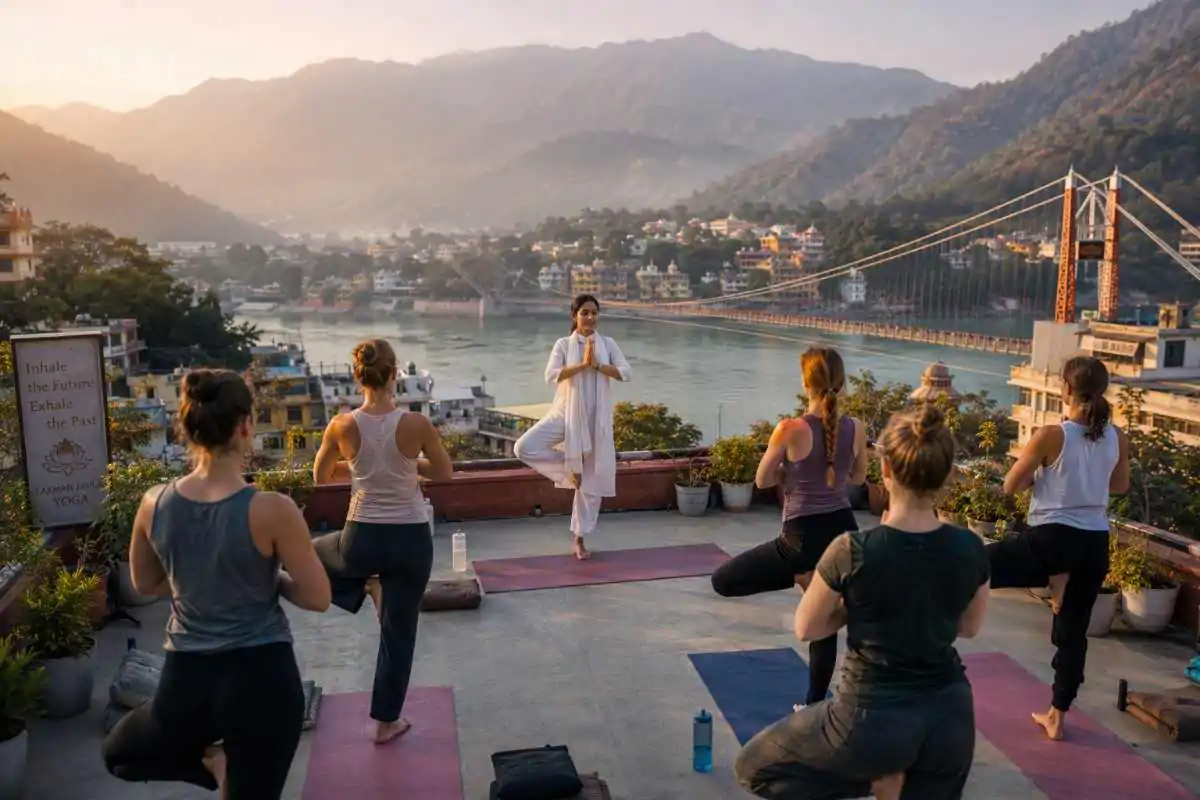
- Yoga teacher training Laxman Jhula gives you access to many yoga school options in a famous yoga capital setting.
- You can find a teacher training course in different formats, including 100, 200, 300, and 500-hour programs.
- Strong points include experienced teachers, Yoga Alliance pathways, and a rich spiritual atmosphere near the river.
- Main drawbacks include crowding, noise, commercialization, and higher costs.
- If Laxman Jhula feels too busy, quieter alternatives may suit your learning style better.
Introduction
If you are considering yoga teacher training Laxman Jhula, you are looking at one of the best-known yoga hubs in Rishikesh. This area attracts students from the United States and many other countries because of its riverside setting, spiritual atmosphere, and access to Yoga Alliance pathways. Still, fame comes with trade-offs. Before you book, it helps to look at the real advantages and challenges, so you can decide whether Laxman Jhula truly matches your goals and learning style.
Pros and Cons of Yoga Teacher Training Laxman Jhula
Laxman Jhula sits within Rishikesh, a place many call the yoga capital of the world. That brings clear benefits for your Yoga Teacher Training Laxman Jhula journey. You get many yoga school choices, experienced yoga teacher guidance, and strong spiritual energy that supports serious practice.
At the same time, a popular teacher training course destination can feel busy and commercial. Some of the best yoga teacher training programs available in Laxman Jhula are those with smaller groups, experienced faculty, and Yoga Alliance standards. To help you compare wisely, let’s break down the main pros and cons one by one.
1. Pro: Abundance of Renowned Yoga Schools
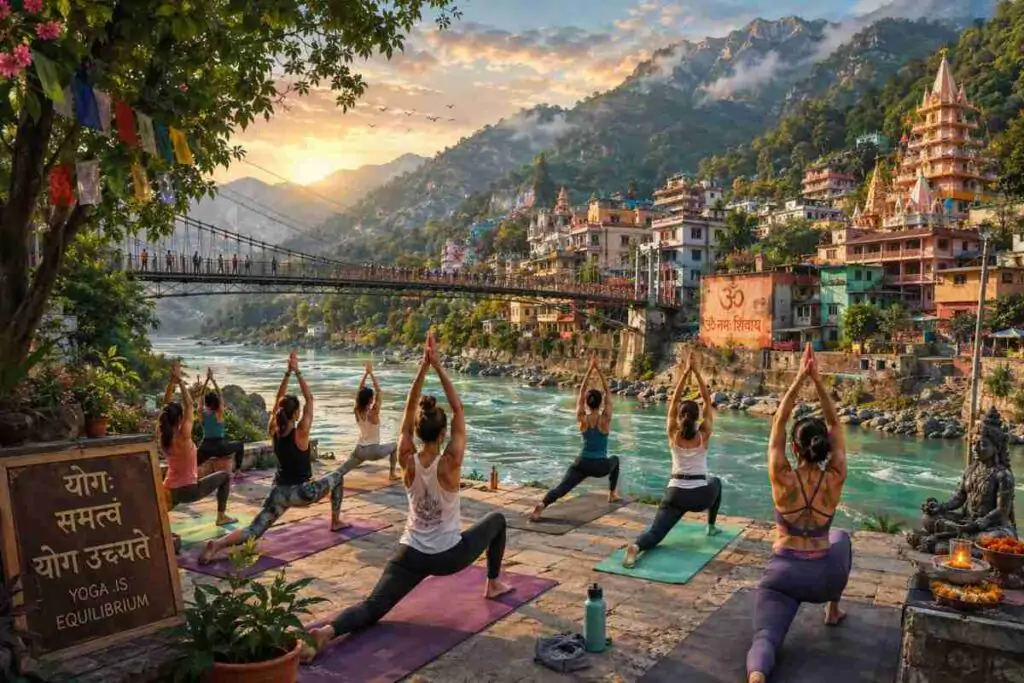
One major reason students choose Laxman Jhula is the sheer number of yoga school options nearby. In the wider Rishikesh area, there are many established centers offering Yoga Teacher Training Laxman Jhula for beginners and serious practitioners alike. That gives you more room to compare teaching style, schedule, and course structure.
Because the area is so well known, schools often offer a full teacher training course lineup, including multistyle formats and traditional Hatha-based study. Some schools are recognized for 200-hour and 300-hour training, while others also provide shorter or advanced pathways. This variety helps you find a program that fits your timeline and budget.
So, what are the best Yoga Teacher Training Laxman Jhula programs available in Laxman Jhula? Based on the available information, the strongest options are those connected to experienced instructors, Yoga Alliance standards, supportive learning environments, and well-defined syllabi covering philosophy, anatomy, alignment, and teaching methodology.
2. Pro: Access to Highly Experienced Yoga Teachers
Not every destination gives you direct contact with deeply trained instructors. In and around Laxman Jhula, many teachers come from long traditions of yoga practice and teaching. That matters when you want more than surface-level instruction.
A strong Yoga Teacher Training Laxman Jhula experience depends heavily on who teaches you. In Rishikesh, many schools highlight experienced yoga teacher teams who guide students through asana, meditation, alignment, philosophy, and teaching skills. For many international students, this depth is one of the biggest reasons to train here.
You also benefit from teachers who understand both personal growth and professional development. A good training program does not only improve your poses. It helps you build confidence, ask better questions, and understand why yoga is taught in a certain way. That depth can shape your whole teaching journey.
3. Pro: Wide Range of Yoga Teacher Training Programs
Another clear strength is program variety. If you want a short foundation course or a more serious certification path, the Laxman Jhula area gives you several choices. This flexibility is helpful if you are balancing work, travel, and personal practice goals.
Many schools in the wider Rishikesh region offer 100, 200, 300, and 500-hour Yoga Teacher Training Laxman Jhula course formats. You may also see multistyle courses that include Hatha, Ashtanga, Vinyasa Flow, Iyengar, Yin, and Kundalini elements. That range lets you step into teacher training at your own pace.
For some students, a 100-hour yoga teacher training is a starting point. Others go straight into a 200-hour format to become eligible for entry-level registration. More advanced students may choose 300-hour or 500-hour study for deeper learning. In short, Laxman Jhula works well if you want options rather than one fixed path.
4. Pro: Immersive Yogic Culture and Spiritual Vibe
Few places offer the same kind of yogic atmosphere as this part of Rishikesh. Laxman Jhula draws spiritual seekers who want to study in a setting where yoga feels connected to daily life, not just scheduled classes. That can make your training feel more meaningful.
The wider area is linked with ashrams, temples, river rituals, and a long-standing spiritual identity. As part of the yoga capital environment, you are surrounded by spaces that support reflection, discipline, and inward focus. For students interested in the philosophy of yoga, this backdrop adds real value.
Just being in such a place can change how you experience practice. You are not only learning postures in a room. You are studying in a destination that has inspired seekers for generations. If spiritual atmosphere matters to you, Laxman Jhula has a strong pull that many students appreciate.
5. Pro: Diverse Yoga Styles Available (Hatha, Ashtanga, Iyengar, Kundalini)
A big benefit of training in this region is exposure to different traditions. Instead of seeing yoga through one narrow lens, you can explore multiple approaches in your yoga classes and understand how each style serves different students and teaching goals.
Available training and course descriptions in the Rishikesh area commonly include styles such as:
- Hatha yoga for foundational alignment, steadiness, and classical practice
- Ashtanga for structured sequences and disciplined physical training
- Iyengar and Kundalini elements in some multistyle programs
So, are there any Iyengar Yoga Teacher Training Laxman Jhula options in Laxman Jhula? Based on the compiled program information, Iyengar appears within some multistyle offerings rather than as a clearly separate standalone certification. If Iyengar is your priority, you should compare syllabus details carefully before joining and confirm how much of the course is truly dedicated to that method.
6. Pro: Internationally Recognized Certifications (Yoga Alliance, RYT 200/300/500)
For many students, certification is a major deciding factor. Laxman Jhula stands out because schools in the surrounding Rishikesh region often follow Yoga Alliance standards. That means your training can support future teaching plans beyond India.
A Yoga Alliance USA registered school typically aligns its curriculum with recognized requirements. After completing an eligible hour Yoga Teacher Training Laxman Jhula course, graduates may register according to their level. This is useful if you want a yoga teacher certification that is widely understood by studios and students.
The practical value is simple. You are not just learning for yourself. You may also be building a professional foundation. Whether you complete a 200-hour, 300-hour, or 500-hour path, Yoga Alliance recognition can add credibility to your training. If global recognition matters to you, this is one of Laxman Jhula’s strongest advantages.
7. Pro: Scenic Ganges River Views and Himalayan Foothills
The setting is a powerful part of the appeal. Laxman Jhula lies near the banks of the holy river, with the wider Rishikesh region framed by hills and open natural views. For many students, that environment supports calm and focus from day one.
You are studying in a place linked with the foothills of the Himalayas, river walks, sunrise moments, and a generally peaceful visual landscape. That matters more than you may think. Your surroundings affect your energy, mood, and willingness to stay present during long training days.
This scenic side is one reason Rishikesh remains a global yoga capital. Even outside formal class hours, the area invites reflection. A simple walk by the river can feel restorative after anatomy, teaching practice, or meditation sessions. If location strongly shapes your learning experience, this is a serious advantage.
8. Pro: Networking with Global Yoga Community
Laxman Jhula attracts students from many countries, especially those coming for serious study in Rishikesh. That creates a lively yoga community where you meet people with different backgrounds, goals, and teaching interests. For many trainees, these relationships become part of the value of the course.
During a teacher training course, you share practice rooms, meal spaces, excursions, and discussions with other aspiring teachers. That gives you a chance to learn from peers, not only from the lead yoga teacher. Hearing how others understand yoga can expand your own perspective.
In a well-known yoga capital, your classmates may go on to teach around the world. Those connections can support future collaborations, retreats, and referrals. Even if you are not focused on career growth right now, being part of an international yoga community can make your training feel richer, more human, and more memorable.
9. Pro: Opportunities for Cultural Immersion and Pilgrimage
Training here can offer more than classroom learning. You also step into a place where spiritual landmarks, local rituals, and daily life create strong opportunities for cultural immersion. If you want your training to feel connected to place, this is a real benefit.
Students in the Rishikesh area often explore nearby sites that deepen the sense of pilgrimage, such as:
- Parmarth Niketan for its spiritual atmosphere and Ganga Aarti
- Ram Jhula for riverside walks and access to surrounding ashrams
- Triveni Ghat and Kunjapuri Devi Temple for ritual and sunrise experiences
These places can add context to your yoga journey. You start to see yoga not just as technique, but as part of a living cultural and spiritual setting. If that matters to you, Laxman Jhula offers a meaningful gateway into the broader experience of practice in Rishikesh.
10. Pro: Variety of Accommodation and Healthy Food Options
Practical comfort plays a bigger role than many students expect. During Yoga Teacher Training Laxman Jhula, your ability to rest, eat well, and recover affects everything from concentration to mood. In the wider Rishikesh area, many schools include residential accommodation and regular meals.
Some program details and student guidelines suggest features such as:
- Clean accommodation designed to support rest after training days
- Three daily meals, usually breakfast, lunch, and dinner
- Advance notice options for food allergies or other dietary requirements
Healthy food is especially important in an intensive course. When meals and accommodation are handled well, you can focus more on practice and less on logistics. This setup is helpful for international travelers and solo students who want structure. A comfortable stay can make a demanding yoga teacher training journey far easier to manage.
11. Con: Overcrowding During Peak Season
Popularity has a downside. Because Laxman Jhula sits in a globally known yoga capital, it can feel crowded during busy months. That affects the pace of daily life and may reduce the calm you expected when choosing India for training.
When many visitors arrive at once, roads, cafes, and riverside areas can become packed. A yoga school may still offer quality teaching, but your experience outside class can feel less peaceful. If you hoped for silence and space, the busy atmosphere may be disappointing.
Weather conditions can also shape how crowded the area feels. Pleasant seasons often attract more travelers, which adds pressure on accommodation and local transport. If you prefer a quieter learning environment, this is one of the most important drawbacks to consider before booking your course in Laxman Jhula.
12. Con: Tourist Commercialization Affecting Spiritual Ambiance
Rishikesh is often praised for authentic roots, yet popular zones can still feel commercial. In Laxman Jhula, the growth of tourism can sometimes pull attention away from the quiet, reflective spirit many students are seeking in a teacher training course.
This does not mean meaningful study is impossible. Many excellent programs still exist. The issue is that the surrounding atmosphere may not always match the image of a simple spiritual retreat. Shops, promotions, and a steady visitor flow can change how the area feels from moment to moment.
If you are drawn to a yoga capital because you want deeper stillness, this is worth thinking about. Some students thrive in an active destination. Others feel distracted by visible commercialization. Your experience will depend on how much you value convenience and energy versus simplicity and inward focus.
13. Con: Noise Pollution from Marketplaces and Traffic
Sound matters during intensive training. In a place like Laxman Jhula, noise from traffic, cafes, and market activity can interfere with the quiet rhythm many students expect from a yoga school environment. This can be especially noticeable if your room or classroom is near busy roads.
A teacher training course asks a lot from your nervous system. You wake early, practice hard, study philosophy, and often spend long hours in focused learning. Extra noise can make it harder to rest between sessions or settle into meditation and breathwork.
Some students adapt easily. Others find constant background sound draining over time. That is why location within Laxman Jhula matters just as much as the school itself. Before enrolling, it helps to understand whether your chosen program is set in a quieter corner or in the middle of a busy stretch.
14. Con: Higher Course Fees Compared to Other Regions
A famous location can come with higher course fees. In the Laxman Jhula area, demand, reputation, and convenience may push prices above what you might find in less visited places. That does not always mean better teaching, so you need to compare value carefully.
The compiled course information shows a residential 200-hour program from $440 all-inclusive in the wider Rishikesh market. While that gives a useful reference point, actual hour Yoga Teacher Training Laxman Jhula pricing can vary depending on accommodation type, inclusions, and school positioning. Popular areas often cost more because they attract international students year-round.
If budget matters, look beyond the headline number. Ask what the fee includes, how many students are in each batch, and whether the training offers personal guidance. A higher price in Laxman Jhula may be worth it for some students, but not for everyone.
15. Con: Limited Personalized Attention in Large Batches
Personal feedback can make or break your learning experience. In a busy destination like Laxman Jhula, some schools may run larger groups to meet demand. When that happens, it can be harder for teachers to track your posture, progress, and questions closely.
This matters in Yoga Teacher Training Laxman Jhula because you are not only attending classes. You are learning how to teach, cue safely, and understand bodies with care. In a large hour YTT setting, you may get less one-on-one correction during asana, practicum, or alignment work.
The compiled information points out that smaller class sizes help teachers focus on individual needs. That is a strong reminder to check batch size before joining any training program. If you value close mentorship, avoid assuming every school in Laxman Jhula offers the same level of personal attention.
16. Con: Intense Competition Among Yoga Schools
Choice is helpful, but too much competition can create confusion. In Laxman Jhula, many schools are trying to attract the same global student base. That means you may see similar promises repeated across websites and course descriptions.
For you, this can make decision-making harder. One yoga school highlights tradition. Another highlights comfort. A third focuses on certification or multistyle teaching. Since many teacher training course offers look strong on the surface, it takes more effort to judge what is truly right for your needs.
Competition is not always bad. It can improve standards. Still, in a crowded market like Laxman Jhula, marketing may sometimes feel louder than substance. That is why you should pay attention to curriculum, faculty experience, class size, and whether the learning environment feels genuinely supportive rather than overly promotional.
17. Con: Potential for Inconsistent Quality Among Providers
Not every program delivers the same standard. In a place known for Yoga Teacher Training Laxman Jhula, the number of available courses can be a strength, but it also means quality may vary from one provider to another. This is a real issue for students who assume all schools in famous locations are equal.
A good hour yoga teacher training program should offer a clear syllabus, experienced teachers, and a learning structure that supports both practice and teaching development. If any of those pieces are weak, your overall experience may suffer even if the school looks appealing online.
This matters even more when your goal is yoga teacher certification. You want a course that prepares you properly, not one that only hands out a document. The safest approach is to look for transparent curriculum details, recognized standards, and signs that the school prioritizes education over volume.
18. Con: Challenging Weather (Heat, Monsoon, or Chilly Winters)
Weather can shape your training more than you expect. Laxman Jhula and the wider Rishikesh area may feel beautiful, but changing seasons can also make a training program physically demanding. Heat, rain, or colder periods can affect comfort, sleep, and energy levels.
Before booking, think about how these weather conditions may influence your experience:
- Hot periods may make long practice days feel heavier
- Monsoon conditions can affect movement around town and daily convenience
- Chilly mornings or evenings may surprise students who expected only warm weather
The compiled school information even highlights cooling and heating systems as useful campus features, which shows how relevant climate can be. If you are sensitive to seasonal shifts, your timing matters. Choosing the right month may improve your focus, recovery, and overall satisfaction with training in Laxman Jhula.
19. Con: Need for Advance Booking Due to High Demand
Because Rishikesh attracts students from around the world, places can fill quickly. If you are planning yoga teacher training Laxman Jhula, waiting too long may limit your choice of course dates, room type, or preferred school. High demand is a practical challenge, not just a marketing phrase.
This is especially true for recognized hour YTTC programs or schools known for supportive teaching and good accommodation. Once popular batches fill, you may have to shift your travel plans or settle for a course that is not your first choice. That can affect the quality of your entire experience.
The lesson is simple: plan early. Advance booking gives you more control over cost, timing, and school selection. It also helps if you need to arrange flights, visas, and time off from work. In a sought-after place like Laxman Jhula, last-minute decisions are riskier.
20. Con: Difficulties Finding Authentic Ashram Experiences
Many students arrive hoping for an ashram-like experience rooted in authentic yoga. In a famous yoga capital, that desire is understandable. Yet finding a setting that truly feels simple, traditional, and deeply inward can be harder than expected in a busy area like Laxman Jhula.
Some schools offer strong spiritual teaching, but not every course will feel like a classic ashram environment. Modern comforts, busy schedules, and commercial surroundings can shift the tone. If your idea of Yoga Teacher Training Laxman Jhula includes quiet discipline and minimal distraction, you may need to search carefully.
This does not mean authentic learning is absent. It means you should be clear about what you want. Ask whether the program emphasizes philosophy, meditation, daily routine, and a focused lifestyle. In Laxman Jhula, the best fit depends on how close you want your training to feel to a true ashram experience.
Key Features of Yoga Teacher Training Programs in Laxman Jhula
Most Yoga Teacher Training Laxman Jhula program options in Laxman Jhula follow a familiar structure. You will usually find different hour yoga teacher training levels, multistyle teaching, philosophy study, and some link to Yoga Alliance standards. This makes the area attractive if you want recognized training and a broad learning experience.
So how do you choose the right course for your needs? Start with the basics: program duration, class size, teacher experience, curriculum depth, and whether the school’s atmosphere matches your learning style. The following features will help you compare options more clearly.
Variety of Program Durations: 100, 200, 300, and 500 Hours
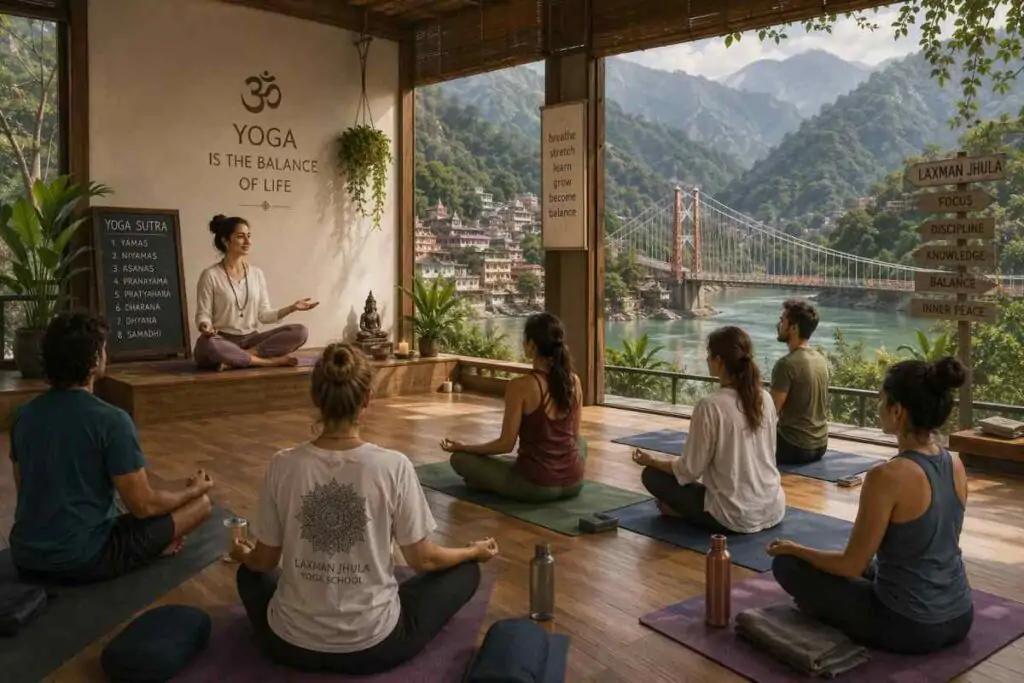
Program length is one of the first things to consider. In the wider Rishikesh market around Laxman Jhula, schools commonly offer 100, 200, 300, and 500-hour formats. This helps students choose a yoga teacher training course that fits their background and long-term goals.
In simple terms, the difference often looks like this:
- 100-hour Yoga Teacher Training Laxman Jhula: a shorter foundation or introductory experience
- 200-hour YTT: the standard starting point for many aspiring teachers
- 500-hour path: a more advanced and deeper level of study, often built from earlier training
If you are wondering which one suits you, think about where you are now. A beginner may prefer 100 or 200 hours. A student with prior certification may aim for 300 or 500. The best hour YTT choice depends on your experience, available time, and whether you want personal growth, professional teaching, or both.
Yoga Alliance Accreditation and Global Recognition
Accreditation is a key feature many students look for. In and around Laxman Jhula, several schools promote alignment with Yoga Alliance USA standards. This matters if you want your training to be recognized beyond the local setting.
What certification will you receive after completing yoga teacher training Laxman Jhula? If your school is properly registered and you complete the required course, you may receive a yoga teacher certification tied to that training level, such as 200-hour or 300-hour. Eligible graduates can then pursue Yoga Alliance certification or registration according to those standards.
For many students, this adds peace of mind. A recognized qualification can support teaching opportunities in different countries and studios. Still, it is wise to confirm a school’s current status before enrolling. Yoga Alliance recognition is valuable, but only when the provider genuinely meets the required educational framework.
Multi-style Curriculum: Hatha, Ashtanga, Iyengar, Kundalini
A multistyle curriculum is a strong selling point in this region. Instead of focusing only on one school of movement, many yoga teacher training courses expose you to several traditions. This can help you discover what fits your body, interests, and future teaching direction.
Commonly listed styles include:
- Hatha yoga for classical foundations and alignment awareness
- Ashtanga for dynamic sequencing and discipline
- Iyengar and Kundalini elements in some broader training formats
If you are specifically asking about Iyengar Yoga Teacher Training Laxman Jhula options, the available material points more toward multistyle inclusion than fully separate Iyengar-only certification. That can still be useful. You get exposure to different systems through classes, but you should verify how deeply each style is taught before making your final choice.
Experienced and Qualified Indian Yoga Teachers
Teacher quality remains one of the strongest features in this region. Many schools near Laxman Jhula highlight Indian instructors with years of experience, traditional knowledge, and practical teaching ability. That combination is valuable when you want more than basic posture instruction.
An experienced yoga teacher can help you understand alignment, philosophy, meditation, and class delivery in a more integrated way. This becomes even more important in an hour yoga teacher training setting, where your days are full and the material moves quickly. Clear guidance keeps the learning grounded.
For international students, qualified teachers also help bridge cultures and expectations. A strong teacher training course should feel structured, supportive, and disciplined without becoming confusing. If you want depth with accessibility, experienced faculty in the Laxman Jhula area can be one of the biggest reasons to train there.
Emphasis on Traditional Philosophy and Modern Practice
A good training should teach more than movement, and many programs in this region reflect that. Alongside posture work, schools often include the philosophy of yoga so you can understand the purpose and roots behind what you practice and later teach.
This may involve study of yoga philosophy texts and ideas such as the Patanjali Sutras, broader yogic ethics, and classic references like the Hatha Yoga Pradipika. When these subjects are taught clearly, they give depth to your practice and help you move beyond treating yoga as exercise alone.
At the same time, schools often balance tradition with modern teaching needs. You may study anatomy, alignment, and teaching skills while also exploring ancient concepts. That blend is useful if you want your training to feel authentic yet practical. For many students, this combination is one of the region’s most appealing features.
Typical Yoga Teacher Training Curriculum in Laxman Jhula
A typical yoga teacher training course in Laxman Jhula is designed to be immersive. You do not just attend a few yoga practice sessions and go home. Instead, you move through a full daily routine that blends physical training, theory, reflection, and teaching development.
So, what is included in a typical hour Yoga Teacher Training Laxman Jhula curriculum? Most programs cover asana, pranayama, philosophy, anatomy, meditation, teaching methodology, and practicum. The sections below show how these pieces usually come together during training.

Daily Asana and Pranayama Practice
Daily repetition is central to progress. In most programs, your morning and daytime schedule includes regular classes focused on asana and pranayama. This rhythm helps your body adapt while also building discipline and awareness over time.
The practice of yoga in a training setting is different from casual drop-in classes. You are not only following along. You are learning why specific postures are taught, how breathing supports them, and how to observe effects in yourself. That makes the experience much deeper.
A strong Yoga Teacher Training Laxman Jhula course uses daily practice to develop both skill and sensitivity. Asana work helps with alignment and steadiness, while pranayama supports energy regulation and mental focus. Together, they create the practical base you need before stepping into teaching methodology and class leadership.
Philosophy, Anatomy, and Physiology
Training is not complete without theory. Most hour yoga teacher training programs in this area include yoga philosophy along with anatomy and physiology, helping you understand both the inner and physical dimensions of practice. This balance is useful whether you teach or simply want a smarter personal practice.
These study areas often include:
- Core philosophy and ethical principles
- Basic anatomy related to posture, movement, and safety
- Physiology concepts that help explain breath, energy, and body response
For many students, this part of the course is eye-opening. You begin to connect what you feel in class with what is happening in the body and mind. That makes your teaching clearer and your own practice safer. It also adds depth beyond memorizing poses or class sequences.
Teaching Methodology and Practicum
If your goal is to become a teacher, this section is essential. Yoga teacher training should not stop at personal improvement. It also needs to show you how to guide others safely and clearly. That is where teaching methodology and practicum come in.
In an hour Yoga Teacher Training Laxman Jhula course, methodology usually covers cueing, class structure, observation, and communication. You learn how to sequence practice, explain techniques, and create a better experience for students. This turns knowledge into something you can actually use in a teaching setting.
Practicum gives you space to apply those skills. Instead of only studying theory, you practice leading, receiving feedback, and adjusting your approach. That hands-on learning builds confidence. By the end of training, you should feel more prepared not just to know, but to share it responsibly.
Meditation, Mantra, and Chanting Sessions
A complete training usually includes stillness practices as well as movement. In the Rishikesh learning environment, meditation, mantra, and chanting are often treated as important parts of yoga teacher training rather than optional extras. This helps round out your experience.
These sessions can support concentration, emotional balance, and deeper self-awareness. Through mantra repetition, guided silence, or related practices such as yoga nidra, students often discover a quieter side of that goes beyond physical achievement. That can be especially helpful during an intensive schedule.
You do not need prior experience to benefit. In fact, many students first connect with these practices during training. While this is not always labeled meditation teacher training, it still provides a meaningful introduction to internal practices that strengthen your presence, attention, and ability to hold space for others.
Ayurveda, Nutrition, and Lifestyle Guidance
Many students are surprised to find that Yoga Teacher Training Laxman Jhula often extends into daily living. In this setting, ayurveda, nutrition, and lifestyle guidance can be part of the broader educational experience. This supports a more holistic approach to well-being.
The compiled information points to yogic meal routines, dietary rules on some campuses, and wellness offerings connected to dosha-based thinking. That suggests students may be exposed to ayurveda-informed ideas about food, balance, and personal care during their stay. Even simple meal structure can become part of the learning.
This matters because your lifestyle influences your practice. Sleep, digestion, recovery, and food habits all affect how you feel in class. When a course includes guidance in these areas, teacher training becomes more than a technical program. It starts shaping how you live, not just how you move.
Costs and Inclusions for Yoga Teacher Training Laxman Jhula
Cost is one of the first questions most students ask, and rightly so. A yoga teacher training course in Laxman Jhula can vary in price depending on program length, accommodation, and what is included. Looking only at the cheapest option rarely gives you the full picture.
So, how much does hour Yoga Teacher Training Laxman Jhula cost? The compiled information gives one clear reference: a 22-day residential 200-hour training program from $440 all-inclusive. To judge value properly, you also need to look at meals, materials, excursions, and other extras.
Range of Course Fees and What’s Included
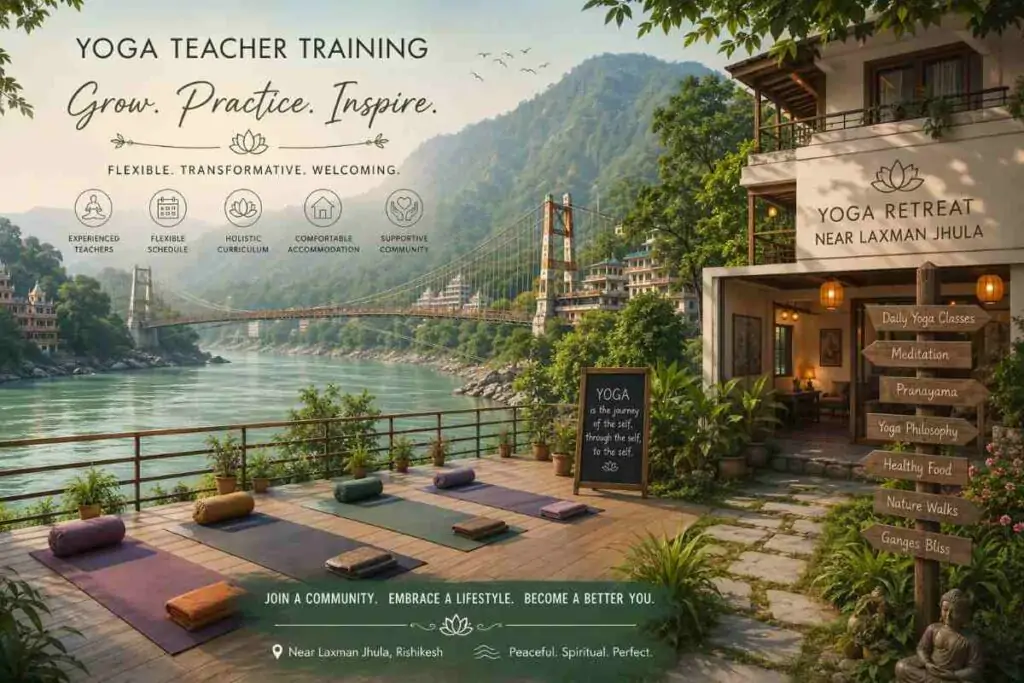
Prices can differ from one school to another, but the available information gives a useful starting point. One listed yoga teacher training course in the wider Rishikesh market offers a 22-day residential 200-hour program from $440 all-inclusive. That is a helpful benchmark when comparing course fees.
Still, “all-inclusive” can mean different things. Before you book any hour YTT, check what is covered and what is not. A lower price is only a good deal if the inclusions support a comfortable and complete learning experience.
| Program Reference | Duration | Starting Price | Inclusions Mentioned |
|---|---|---|---|
| 200 Hour Residential TTC | 22 days | From $440 | Residential stay, course structure, all-inclusive format |
| 200/300 Hour Registered School Options | Varies | Not specified | Yoga Alliance-linked training, curriculum-based study |
| Short Yoga Retreats | 3, 5, or 7 days | From $100 | Shorter riverside experience, not full certification |
Accommodation and Meal Plans
Accommodation and food are often built into residential training, which can make planning much easier. During yoga teacher training, this setup allows you to focus on study and practice instead of searching daily for meals or a place to stay. For international students, that convenience is a big plus.
The compiled school details mention comfortable, clean accommodation and three meals a day: breakfast, lunch, and dinner. This kind of meal plan helps create routine during an intensive schedule. It also supports recovery after long practice and study sessions.
Dietary requirements matter too. Students are advised to inform the school in advance about food allergies or injuries. That tells you something important: not every meal setup is automatically flexible, so communication matters. Before booking, ask about room type, attached facilities, and how dietary needs are managed during the course.
Additional Expenses: Study Materials, Excursions, Visa
Even when a course looks affordable, extra costs can appear quickly. During yoga teacher training, you should budget for items outside the main fee so you are not caught off guard after arrival. Small expenses can add up over several weeks.
Possible additional expenses may include:
- Visa and related travel documentation
- Excursions to local sites such as Triveni Ghat or Kunjapuri Devi Temple
- Personal items, transport, or optional wellness services
Study materials may also vary by school. The compiled information notes that some manuals are provided digitally in PDF format instead of printed copies. That can save printing costs, but you may still want a notebook, your own reference texts, or device access. Planning these extras early helps you manage your budget with less stress.
Scholarships and Early-bird Discounts
Price-conscious students often ask about savings, and that is smart. In a popular yoga teacher training market, early planning can make a difference. The compiled information clearly mentions limited-time special offers and encouragement to book in advance, which suggests discounts may be available at certain times.
When reviewing schools, look out for:
- Early-bird discounts tied to specific booking dates
- Time-sensitive promotional offers
- Advance reservation benefits when demand is high
Direct information about scholarships is not provided in the compiled material, so you should not assume every school offers them. Still, asking is worthwhile, especially if you plan to join an hour yoga teacher training months ahead of time. If Laxman Jhula feels expensive, booking early may be one of the easiest ways to lower your total cost.
Alternatives to Laxman Jhula: Why Consider Dharamshala?
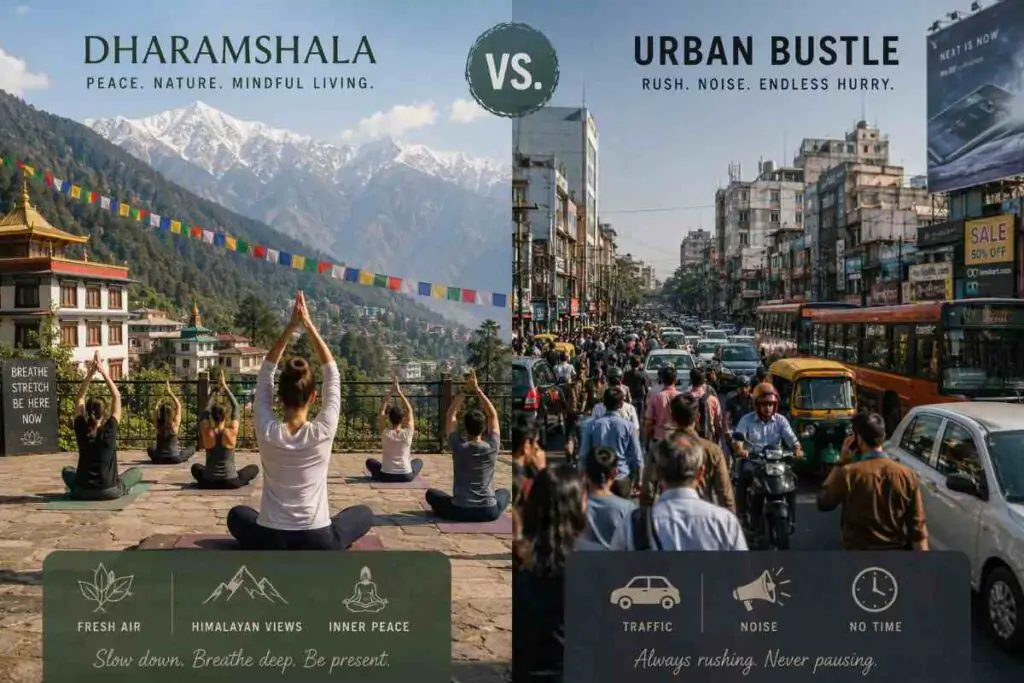
If you like the idea of India for yoga teacher training but worry that Laxman Jhula may be too crowded, looking at Dharamshala can make sense. The right teacher training course is not only about reputation. It is also about where you feel able to focus, breathe, and learn well.
A school in a calmer setting may suit you better if you want less noise and fewer distractions. This is especially important when choosing between busy hubs and quieter mountain destinations. Here is why Dharamshala may appeal to some students.
Quieter Setting and Smaller Class Sizes
For some students, the biggest issue with Laxman Jhula is not the course itself. It is the surrounding pace. If you are sensitive to crowds, noise, or constant movement, Dharamshala may feel more manageable for teacher training.
A quieter setting can help you settle into a yoga teacher training course with more ease. You may find it easier to rest between sessions, absorb theory, and stay mentally clear through long days of practice. That kind of environment often matters more than students expect.
Smaller class sizes can also support stronger learning. When groups are limited, teachers usually have more room to notice alignment details, answer questions, and support your progress. If personal attention is high on your list, Dharamshala may offer a better match than a busier destination built around heavy visitor flow.
Distinct Mountain Vibes and Natural Beauty
Environment shapes experience. If Laxman Jhula draws you because of river views and spiritual energy, Dharamshala may attract you for different reasons. Its mountain vibes and natural beauty can create a mood that feels quieter, cooler, and more inward for yoga teacher training.
A destination like Dharamshala may appeal if you value:
- Mountain views over busier riverside pathways
- A calmer sense of natural beauty
- More space for reflection away from high-traffic zones
This does not make one place better for everyone. It simply means your ideal setting depends on your personality and goals. If you want a training experience that feels less crowded and more spacious, Dharamshala may offer a kind of atmosphere that supports deeper concentration and steadier focus.
Unique Local Culture and Opportunity for Deep Focus
Another reason to consider Dharamshala is the possibility of a different cultural experience. When you choose a less crowded destination for yoga teacher training, you may connect with local culture in a more direct and less hurried way. That can change the tone of your stay.
A calmer environment often gives you more mental space. During a teacher training course, that can help you stay attentive to your own process rather than constantly responding to outside activity. If your goal is deep focus, this matters.
In the end, the best destination is the one that helps you learn well. Some students thrive in the energy of Laxman Jhula. Others do better in Dharamshala, where a quieter setting may support steadier practice, clearer thinking, and a more inward training journey.
Typical Daily Schedule and Structure of Yoga Teacher Training
A typical daily schedule for Yoga Teacher Training Laxman Jhula is designed to immerse students in a structured yet holistic learning environment. Each day usually begins early, often with a sunrise asana practice that sets the tone for the day. Following this, students may engage in a nutritious breakfast, essential for sustaining energy through the rigorous training ahead. Morning sessions typically focus on deepening postural knowledge and refining alignment with guided practice, which is pivotal in developing teaching skills. This is often interspersed with philosophy lessons that enlighten students on the fundamental principles of yoga. After a fulfilling lunch, students may delve into anatomy and teaching methodology, ensuring they understand both the physical and mental aspects of yoga practice. Evening sessions frequently conclude with restorative practices such as meditation or pranayama, designed to foster inner peace and reflection after a full day. Such a comprehensive schedule not only cultivates a dedicated practice but also aligns with the spiritual ambiance of Laxman Jhula, enriching the overall teacher training experience.
Types of Specialized Yoga Teacher Trainings & Short Courses Offered (e.g., Sound Healing, Aerial Yoga, Detoxification)
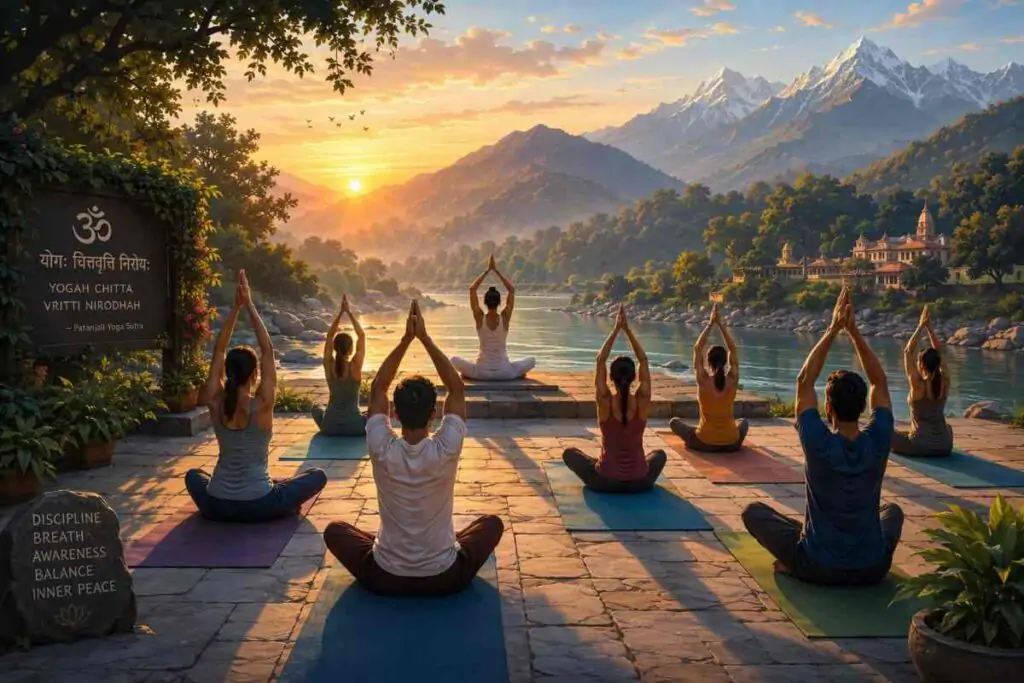
In addition to traditional yoga teacher training courses, Laxman Jhula boasts a variety of specialized programs that cater to diverse interests and personal growth areas. Students can explore types of training like Sound Healing, which teaches the therapeutic use of sound vibrations for holistic healing, helping practitioners deepen their understanding of energy and vibrational frequencies. Aerial Yoga is another exciting option, allowing students to experience traditional asanas while using silk hammocks for support and stability, enhancing flexibility and strength in a unique way. Additionally, detoxification courses focus on cleansing the body both physically and emotionally, often incorporating practices like specific dietary guidelines, yoga, and mindfulness techniques to rejuvenate the spirit. With such a wide array of specialized courses available, aspiring teachers can customize their learning journey, gaining skills that align with their interests and future teaching endeavors. These options enrich the Laxman Jhula experience, offering profound insights and unique methodologies to enhance one’s yoga practice and teaching repertoire.

Unique Experiences for Solo Travelers & Community Building
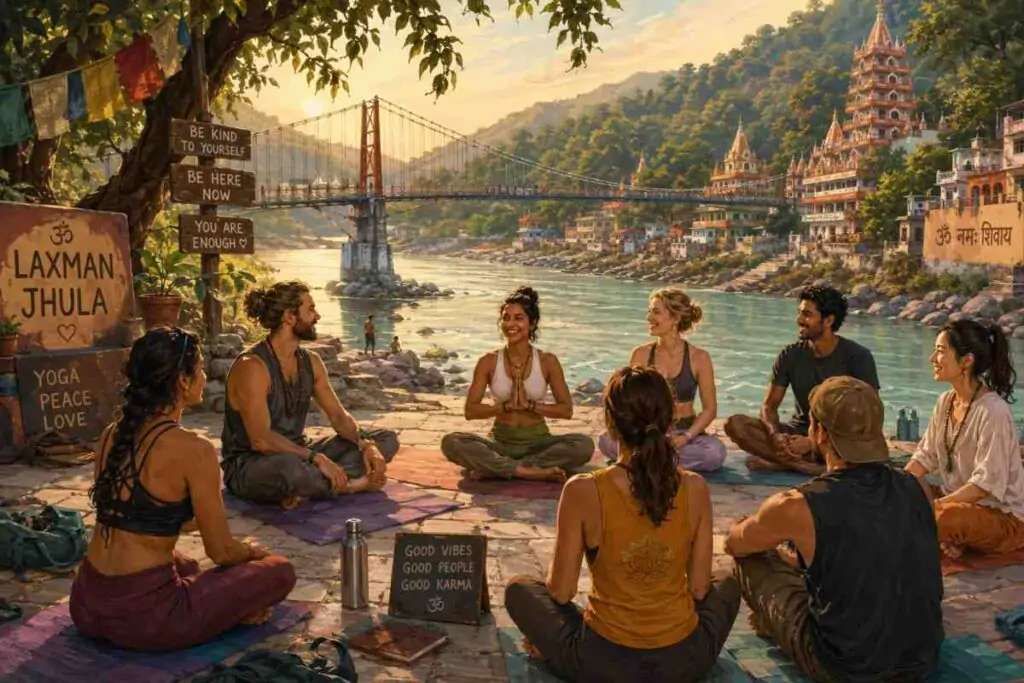
Yoga teacher training Laxman Jhula offers unique experiences for solo travelers, making it an ideal destination for those seeking personal growth and a sense of community. Many yoga schools understand the value of building connections among participants, often promoting events and activities designed for social engagement. Sharing meals, participating in group excursions to local spiritual sites, and engaging in discussions during classes fosters a warm, inclusive atmosphere. Solo travelers can find comfort and camaraderie with fellow students, forming friendships that extend beyond the classroom. These connections can provide emotional support during the intensive training, helping individuals navigate challenges together. Additionally, group practices and community activities encourage collaboration and the sharing of diverse perspectives, enriching the learning experience. For those wanting to embrace the essence of yoga beyond the mat, Laxman Jhula presents a chance to create lasting bonds while immersing oneself in a spiritually vibrant environment.
Special Offers, Discounts, and Promotions for Yoga Teacher Trainings
When considering Yoga Teacher Training Laxman Jhula, it’s beneficial to look for special offers, discounts, and promotions that many schools provide to make their programs more accessible. These incentives can significantly reduce the financial burden, especially for international students traveling from afar. Some schools may offer early-bird rates, encouraging students to register well in advance to secure a lower price. Additionally, certain programs might feature seasonal discounts during less busy months, providing an opportunity to enjoy the same quality training at a fraction of the cost. Many schools also have referral bonuses or loyalty programs for returning students, which can further enhance the affordability of the experience. It’s advisable to frequently check the websites or contact the schools directly for any limited-time promotions that may not be widely advertised. Taking advantage of these offers can not only make your yoga training journey more budget-friendly but also allow you to invest more into your overall experience in the spiritual heart of Rishikesh.
Recent Reviews and Testimonials from Yoga Teacher Training Participants
Recent reviews and testimonials from participants of Yoga Teacher Training Laxman Jhula reveal a mix of profound experiences and heartfelt reflections that highlight the uniqueness of this training journey. Many graduates emphasize the life-changing impact of the structured programs, noting the supportive environment created by dedicated instructors who possess deep knowledge and passion for yoga. Participants often describe the immersive approach as a blend of rigorous practice and philosophical exploration, which allowed them to connect with their inner selves on a new level. Students appreciate the vibrant community fostered during training, frequently mentioning that bonding with fellow trainees enriched their learning process and provided a sense of belonging. While some reviews acknowledge the hustle and bustle of the surroundings, they also appreciate the richness added to their experience by being in such a spiritual hub. Overall, the testimonials underscore the transformative power of training in Laxman Jhula, emphasizing that the skills and friendships gained during the program extend far beyond the course duration, shaping their journeys as teachers and practitioners alike.
Life After Yoga Teacher Training Laxman Jhula
Life after completing your yoga teacher training Laxman Jhula is often transformative, offering myriad opportunities for growth, both personally and professionally. Many graduates find that their practice deepens significantly as they integrate the teachings into their daily lives. The serene surroundings of Laxman Jhula, with its spiritual energy and vibrant community, provide a nurturing backdrop for continued exploration of philosophy, postures, and meditation techniques. Additionally, graduates often feel compelled to share their newfound knowledge, whether through teaching classes, leading workshops, or engaging in community outreach initiatives. As you step into this new chapter, you’ll likely discover your unique voice as a yoga instructor, empowering others on their own journeys while continuing to strengthen your practice. The connections forged during your training can offer ongoing support and collaboration, enriching your experience and inspiring a lifelong commitment to learning and teaching within the ever-evolving realm of yoga.
Comparing the Authenticity of Yoga in India vs. the West
When evaluating the authenticity of yoga, one must consider the deep cultural and historical roots found in India, particularly in places like Laxman Jhula. Here, traditions are woven into the very fabric of daily life, where ancient practices converge with modern interpretations. In contrast, the West often tends to commercialize, focusing on its fitness aspects while sometimes neglecting its spiritual and philosophical dimensions. While Western practitioners may bring innovation and accessibility to the practice, they may lack the nuanced understanding of the yogic lifestyle that can be fully experienced through immersion in its place of origin. This difference underscores the importance of seeking yoga teacher training in India, where students are not only taught asanas but also the rich tapestry of yogic philosophy, ethics, and community living. Thus, aspiring teachers or serious practitioners should weigh their options thoughtfully, considering the profound benefits of learning in an environment steeped in authenticity and tradition.
Community, Solo Travel, and Social Support for Foreigners in Laxman Jhula
Laxman Jhula is not just a place for yoga teacher training, but a vibrant community that welcomes solo travelers from around the globe. This enchanting town, nestled along the banks of the Ganges, offers a unique blend of spiritual growth and social connection. Foreigners find solace in the shared experience of learning and practicing yoga together, fostering friendships that last well beyond their stay. The welcoming atmosphere encourages interaction among students and locals alike, enabling visitors to immerse themselves in the rich cultural milieu. As one navigates the streets bustling with shops, cafes, and retreats, the opportunity to meet like-minded individuals amplifies the transformative experience of training. Whether enjoying a communal meal or participating in local festivals, the supportive social fabric of Laxman Jhula nurtures an enriching environment, making it an ideal destination for travelers seeking both personal growth and a sense of belonging.
Managing Dietary Needs and Wellness During Your Training
During your yoga teacher training Laxman Jhula, it’s essential to pay close attention to your dietary needs and overall wellness. The demands of an intensive training schedule can take a toll on your body and mind, making it crucial to nourish yourself with wholesome, balanced meals. Consider incorporating a variety of fruits, vegetables, whole grains, and lean proteins into your diet to maintain energy levels and support your physical practice. Staying hydrated is equally important, especially in the warm, inspiring environment of Laxman Jhula. Don’t hesitate to communicate any specific dietary restrictions or preferences to your trainers; they are there to support you in every aspect of your journey. Furthermore, integrating mindfulness practices, such as meditation and breathwork, can bolster your overall wellness, helping you to stay grounded and focused throughout the training. Remember, this experience is not just about learning the physical aspects of yoga, but also about nurturing your body and spirit with care and intention.
Environmental and Spiritual Experience: Beyond the Classroom
Participating in yoga teacher training Laxman Jhula offers a unique environmental and spiritual experience that transcends traditional classroom learning. Nestled along the banks of the sacred Ganges River, the natural beauty of this region serves as a living backdrop for deep personal growth and connection with nature. Here, each sunrise brings an opportunity for meditation and reflection, allowing aspiring teachers to immerse themselves fully in their practice. The energy of the surrounding hills and the sound of flowing water create an inviting atmosphere conducive to exploration and self-discovery. In addition, the spiritual essence of Laxman Jhula is palpable; the ancient temples and ashrams resonate with centuries of wisdom, inspiring students to integrate these values into their teaching journey. This harmonious blend of environmental beauty and spiritual richness enriches the training experience, fostering a deeper understanding of yoga that goes well beyond mere physical postures.
Navigating Practical Concerns—Packing, Room Sharing, and Facilities
When preparing for your yoga teacher training Laxman Jhula, it’s essential to be mindful of practical concerns such as packing appropriately, room-sharing arrangements, and the available facilities. Start by packing versatile clothing suitable for both yoga practice and daily wear, considering the climate and environment of Laxman Jhula. It’s wise to include essentials like a yoga mat, water bottle, and personal hygiene items. Room sharing can enhance your experience by fostering connections with fellow trainees; however, be sure to communicate your preferences and establish boundaries early on. Most training centers provide basic amenities, but understanding what is included—like Wi-Fi access, kitchen facilities, and laundry services—will help you feel more at home. Properly addressing these practical aspects ensures a seamless transition into your training environment, allowing you to focus on your growth as a yoga instructor.
Alumni Testimonials and Honest Reviews from Laxman Jhula
The experiences of our alumni truly capture the essence of the transformative journey that awaits at our yoga teacher training Laxman Jhula. Graduates consistently share how the serene surroundings and spiritual atmosphere in this sacred town not only deepened their understanding of yoga but also fostered personal growth and self-discovery. Many of them highlight the highly skilled instructors, whose passion and dedication ignited their own love for teaching. From heartwarming stories of overcoming challenges to tales of building lifelong friendships, the testimonials paint a vibrant picture of community and support. As they embark on their own teaching careers, our alumni often express gratitude for the strong foundation laid during their training, emphasizing how it equipped them with the tools needed to inspire others on their yoga journeys.
Conclusion
In conclusion, pursuing yoga teacher training Laxman Jhula offers a wealth of opportunities and experiences for aspiring instructors. With its renowned schools, experienced teachers, and the vibrant yogic culture, it presents many advantages that draw students from around the world. However, it’s essential to weigh the cons, such as overcrowding and higher course fees, before making a decision. If you’re looking for a quieter, more personalized experience, consider alternatives like Dharamshala. Whatever path you choose, embrace the journey of learning and growth in your practice. To explore your options further, get a free trial or consultation with our experts today!
Frequently Asked Questions
If your yoga teacher training is completed at a registered school, your teacher training course may lead to a yoga teacher certification at the level studied, such as 200 or 300 hours. Eligible graduates can then pursue Yoga Alliance certification or registration, depending on the school’s current Alliance status.
For international students, yoga teacher training Laxman Jhula can feel immersive and eye-opening. You study in a well-known yoga school environment, meet people from many countries, and experience local spiritual culture. At the same time, busy surroundings, noise, and seasonal crowds can shape your overall teacher training course experience.
For a yoga teacher training course in Laxman Jhula, bring comfortable practice clothes, a personal medical kit, prescription medicines, a towel, travel insurance details, and anything that supports your personal practice. Since food needs vary, inform the school in advance about injuries, allergies, or other dietary requirements before your hour teacher training begins.