
Every now and then, life catches up with us — long hours at the desk, irregular meals, broken sleep, and the quiet buildup of everyday stress. When that happens, the body starts sending signals: sluggish digestion, low energy, a foggy mind. Detox Yoga is one of the most holistic and time-tested ways to respond to those signals — not with a crash diet or a juice cleanse, but with intentional movement, conscious breathing, and mindful rest.
Unlike fad detox programs, yoga works with the body’s own waste-removal systems — the lymphatic system, the liver, the kidneys, the lungs, and the digestive tract — enhancing their natural efficiency. Whether you’re a complete beginner stepping onto the mat for the first time or an intermediate practitioner looking to deepen your practice, this guide walks you through everything you need to know about detox yoga: what it is, how it works, which poses to try, and how to build a sustainable routine.
What Is Detox Yoga?
Detox yoga is a style of yoga practice specifically designed to stimulate and support the body’s natural detoxification pathways. Rather than introducing anything foreign into the body, it amplifies what’s already happening — helping organs do their jobs more effectively.
The practice combines three key elements: targeted asanas (poses), controlled breathing known as Pranayama Techniques, and sometimes traditional cleansing practices called Shat Kriyas. Together, these tools support toxin removal at a cellular level, helping the body feel lighter, cleaner, and more energised.
💡 Quick Fact: The word ‘detox’ comes from ‘detoxification,’ which refers to the process by which the body neutralises and eliminates harmful substances. Your body already does this continuously — yoga simply helps it do so more effectively.
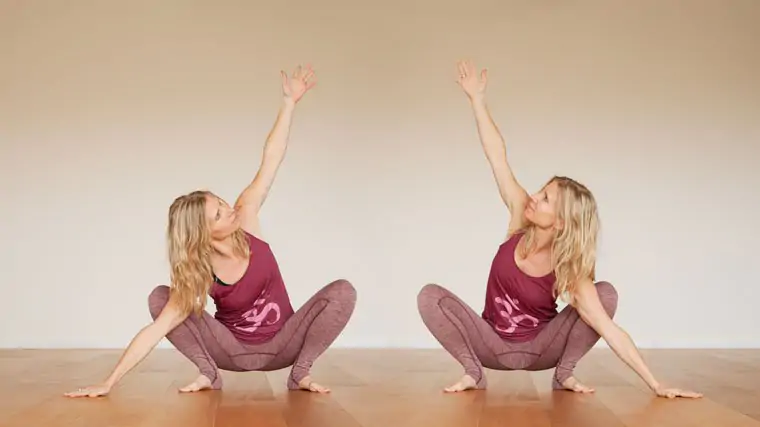
How Detox Yoga Works: The Science Behind It
To understand why detox yoga is effective, it helps to look at the body system it benefits most: the lymphatic system.
Unlike the cardiovascular system, the lymphatic network has no central pump. It relies on muscle contractions, body movement, and breathing to keep lymph fluid circulating. When this flow slows down — due to a sedentary lifestyle, poor posture, or chronic stress — waste products accumulate in the tissues, leading to fatigue, puffiness, and a weakened immune response.
Yoga addresses this in four key ways:
- Inversions reverse gravity, helping lymph drain from the legs toward the core.
- Twists, forward folds, and backbends compress and release internal organs, flushing stagnant fluids and encouraging fresh, oxygenated blood to reach the digestive and filtering organs.
- Conscious breathing acts as a lymphatic pump — deep, rhythmic Pranayama Techniques move lymph through the deep vessels of the chest with each inhale and exhale.
- Muscle contractions during dynamic sequences like Sun Salutations push lymph toward the lymph nodes for processing and elimination.
The liver, kidneys, and digestive tract also respond well to yoga. Abdominal compression poses massage these organs directly, improving their ability to filter blood, break down food, and eliminate waste.
Key Benefits of a Regular Detox Yoga Practice
The advantages go well beyond the physical. Here’s a summary of what consistent practice can offer:
| Benefit | How Yoga Helps |
| Improved Digestion | Twists and forward folds massage digestive organs and reduce bloating |
| Toxin Elimination | Sweating, deep breathing, and organ stimulation remove waste |
| Increased Energy | Better circulation and sleep quality restore vitality |
| Mental Clarity | Breathing techniques calm the nervous system and reduce brain fog |
| Stronger Immunity | Lymphatic stimulation helps the body fight pathogens more effectively |
| Reduced Bloating | Abdominal poses relieve gas and ease the digestive process |
| Better Mood | Yoga regulates cortisol, supporting emotional balance |
Essential Detox Yoga Poses to Try
The following asanas form the backbone of most Detox Yoga routines. They are suitable for beginners with minor modifications, and can be deepened as your practice evolves.
1. Ardha Matsyendrasana — Half Spinal Twist
This seated twist is one of the most celebrated detox poses in classical yoga. As you rotate the torso, it applies a gentle but effective squeeze to the abdominal organs — including the liver, spleen, and pancreas — which promotes better filtration and stimulates the Solar Plexus Chakra. Hold for 30 to 60 seconds on each side.
- Sit with one leg extended, cross the other over it
- Twist your torso toward the raised knee
- Place the opposite elbow outside the knee for leverage
- Keep the spine long and breathe slowly and deeply
Modification: If the full twist is too intense, simply hug the bent knee and gently rotate without using the elbow as a lever.
2. Parivrtta Parsvakonasana — Revolved Side Angle Pose
This standing twist offers one of the deepest rotations available in yoga, stimulating lymph flow throughout the entire torso. It also strengthens the legs and improves overall balance. Hold for 30 to 45 seconds per side, returning to a neutral pose before switching.
- Step into a lunge and lower the back knee if needed
- Rotate the chest and hook the opposite elbow over the front knee
- Press palms together and gaze upward when stable
3. Apanasana — Knees-to-Chest Pose
Apanasana is a grounding, restorative pose that directly massages the colon and lower digestive organs. Its name comes from the Sanskrit word ‘apana,’ referring to the downward-moving energy associated with elimination. This makes it particularly useful for relieving bloating, constipation, and abdominal tension.
- Lie on your back and draw both knees toward the chest
- Wrap your arms around your shins and breathe deeply
- Rock gently side to side for an additional massage effect
4. Uttanasana — Standing Forward Fold
Forward folds are foundational to detox yoga because they gently compress the abdominal cavity and support healthy Digestion. Uttanasana also calms the nervous system, makes the hamstrings more supple, and encourages blood flow to the brain — a useful combination when fatigue and brain fog are present.
- Stand tall, then hinge from the hips (not the waist) as you fold forward
- Let your head hang heavy and allow gravity to do the work
- Bend your knees generously if the hamstrings are tight
5. Janu Sirsasana — Head-to-Knee Forward Bend
This asymmetric seated forward fold targets one side of the body at a time, making it especially effective for stimulating the kidneys and liver. Holding for one to two minutes per side gives the organs time to respond to the gentle compression.
- Sit with one leg straight and the other bent, sole against the inner thigh
- Extend the spine on an inhale, then fold forward over the straight leg on the exhale
- Use a strap around the foot if you cannot reach it comfortably
6. Salabhasana — Locust Pose
A backbend that targets the entire posterior chain, Salabhasana presses the abdomen against the floor, creating a firm internal massage that stimulates the digestive organs and increases appetite. It also opens the chest for deeper breathing.
- Lie face down, arms by the sides, palms facing upward
- Inhale and lift the chest, arms, and legs simultaneously
- Hold for 10 to 20 seconds, breathing steadily
Pranayama: The Breathing Backbone of Detox Yoga
No Detox Yoga practice is complete without intentional breathwork. The lungs are one of the body’s primary routes for expelling waste — we exhale carbon dioxide and other gaseous by-products with every breath. Specific Pranayama Techniques accelerate this process significantly.
Kapalbhati — Skull-Shining Breath
Kapalbhati involves short, forceful exhalations through the nose followed by passive inhalations. This rhythmic pumping action stimulates the abdominal organs, clears the respiratory tract, and increases the movement of lymph through the chest. It is traditionally classified as one of the Shat Kriyas — the ancient cleansing exercises of Hatha Yoga.
Learn more about these traditional practices in our guide to Shat Kriyas.
- Sit in a comfortable cross-legged position with the spine erect
- Take a gentle inhale, then forcefully exhale through the nose by contracting the abdomen
- Allow the inhalation to happen passively — do not actively inhale
- Begin with 30 pumps per set and work up to three sets
- Skip this exercise if you have hypertension, anxiety, or are pregnant
Nadi Shodhana — Alternate Nostril Breathing
This balancing pranayama calms the nervous system and improves the efficiency of oxygen exchange in the lungs. Practiced at the end of a detox session, it helps consolidate the benefits of the physical practice and supports mental clarity.
The Role of Shat Kriyas in Deep Detoxification
Beyond asanas and pranayama, classical Hatha Yoga includes six purification practices known as Shat Kriyas (also spelled Shatkarmas). These techniques — including Jala Neti (nasal irrigation), Trataka (concentrated gazing), and Kapalbhati — were traditionally used to prepare the body for meditation by removing physical and energetic obstructions.
While some of these practices require guidance from an experienced teacher, understanding their purpose enriches your broader detox yoga approach. They remind us that yoga’s vision of cleansing has always extended beyond the muscles and joints — it encompasses the breath, the senses, and the nervous system as a whole.
How to Build a Simple Detox Yoga Routine at Home
You do not need a studio membership or specialist equipment to enjoy the benefits of detox yoga. A mat, a quiet space, and 30 to 45 minutes three to four times per week is enough to begin feeling a difference. Here is a simple template for a home session:
- 5 minutes — Breathwork: Begin with Nadi Shodhana or 3 rounds of Kapalbhati to awaken the system
- 10 minutes — Sun Salutations: 4 to 6 rounds to warm the body and promote lymph flow
- 15 minutes — Targeted detox poses: Choose 4 to 5 poses from the list above, holding each for 30 to 60 seconds per side
- 5 minutes — Restorative close: Apanasana and a supine twist to calm the nervous system
- 5 minutes — Savasana: Full rest to allow the body to integrate the session
📌 Tip: Practice in the morning on an empty stomach for the greatest digestive benefit, or in the early evening to release accumulated tension from the day.
Supporting Your Detox Yoga Practice With Nutrition
Yoga sets the foundation; nutrition builds on it. While a full nutritional plan is beyond the scope of this article, certain dietary habits complement a detox yoga practice particularly well:
- Start the day with warm lemon water to gently stimulate liver function
- Favour whole, plant-based foods and minimise processed, fried, or high-sugar items
- Stay well-hydrated — water is the primary vehicle through which the kidneys eliminate waste
- Include naturally detoxifying foods such as leafy greens, beets, turmeric, garlic, and cruciferous vegetables
- Consider light green juices (cucumber, lemon, mint, celery) between meals for gentle internal cleansing
Good Digestion is central to effective detoxification. What you eat directly influences how well your gut, liver, and lymphatic system function — making nutrition an inseparable part of any holistic detox approach.
Important Safety Considerations
Detox yoga is gentle and broadly accessible, but a few precautions are worth keeping in mind:
- Avoid deep twists and strong abdominal exercises during pregnancy or menstruation
- People with disc injuries, recent surgery, or high blood pressure should consult a doctor before beginning
- Practice on a light or empty stomach — especially for stronger breathing exercises and inversions
- Never force a pose: discomfort is instructive; sharp pain is a signal to stop
- If you are new to yoga, start with a beginner class or guided video before attempting a self-led session
Frequently Asked Questions About Detox Yoga
Most practitioners notice improvements in energy, digestion, and mood within two to three weeks of practising three to four times per week. Consistency matters more than intensity — a shorter daily session will generally outperform an occasional long one.
Yes. Poses like Apanasana, seated twists, and forward folds directly massage the digestive organs, stimulate peristalsis (the wave-like muscle contractions that move food through the gut), and help relieve both bloating and constipation. Pairing the practice with adequate water intake amplifies these effects.
Absolutely. Most detox yoga poses can be modified to suit all levels of flexibility and strength. The key for beginners is to move slowly, listen to the body, and prioritise proper alignment over depth. Using props such as blocks, straps, and bolsters makes poses more accessible.
All forms of yoga offer some degree of physical and mental cleansing. Detox yoga, however, is specifically sequenced to target the body’s elimination systems — the lymphatic system, digestive tract, liver, and kidneys — through a deliberate combination of twists, inversions, forward folds, and breathwork. The intention behind the practice is more focused than in a general yoga class.
A special diet is not strictly required, but eating clean, whole foods will amplify your results. Focus on reducing processed foods, alcohol, and refined sugar during your detox period. Staying well-hydrated and including fresh vegetables, fruits, and herbal teas supports what your yoga practice is already doing for your body’s detox systems.
Conclusion
Detox Yoga is not a trend — it is a time-honoured approach to health that treats the body as an intelligent, self-regulating system. By practising targeted poses, mindful breathing, and occasionally incorporating the ancient Shat Kriyas, you give your body exactly what it needs to cleanse, restore, and renew.
Whether your goal is to improve Digestion, boost energy, sharpen mental focus, or simply press the reset button after a hectic period, there is a form of detox yoga that fits where you are right now.
Start small, stay consistent, and let the practice grow with you. Even ten minutes a day of conscious movement and breathwork can shift how your body feels — and how clearly your mind thinks.