
Key Highlights
- Rishikesh is widely known for yoga teacher training, but beginners should compare it with Dharamshala before choosing their yoga journey.
- Many school in Rishikesh offer yoga alliance courses, including beginner yoga programs in 100-hour and 200-hour formats.
- A registered yoga school can give structure, certification, and a clear path for a first teacher training experience.
- Daily life often includes practice, study, vegetarian meals, and shared community living.
- Dharamshala can feel calmer, cooler, and more personal for beginners, especially at Mahiyoga School in Dharamshala.
Introduction of Yoga Teacher Training Rishikesh for Beginners
Starting your yoga teacher training is a big step, especially if you are new to practice and unsure where to begin your yoga journey. Many students first think of Rishikesh because it is famous and full of options, but choosing the right yoga school matters more than choosing the most popular name. Beginners often need calm surroundings, supportive teachers, and a steady pace. That is why it helps to look beyond the usual choice and consider Dharamshala with an open mind.
Understanding Yoga Teacher Training in India for Beginners
India attracts students from around the world because teacher training here is closely tied to the roots of yoga education. For a beginner, that can feel exciting, but also overwhelming. You may see many styles, schedules, and promises.
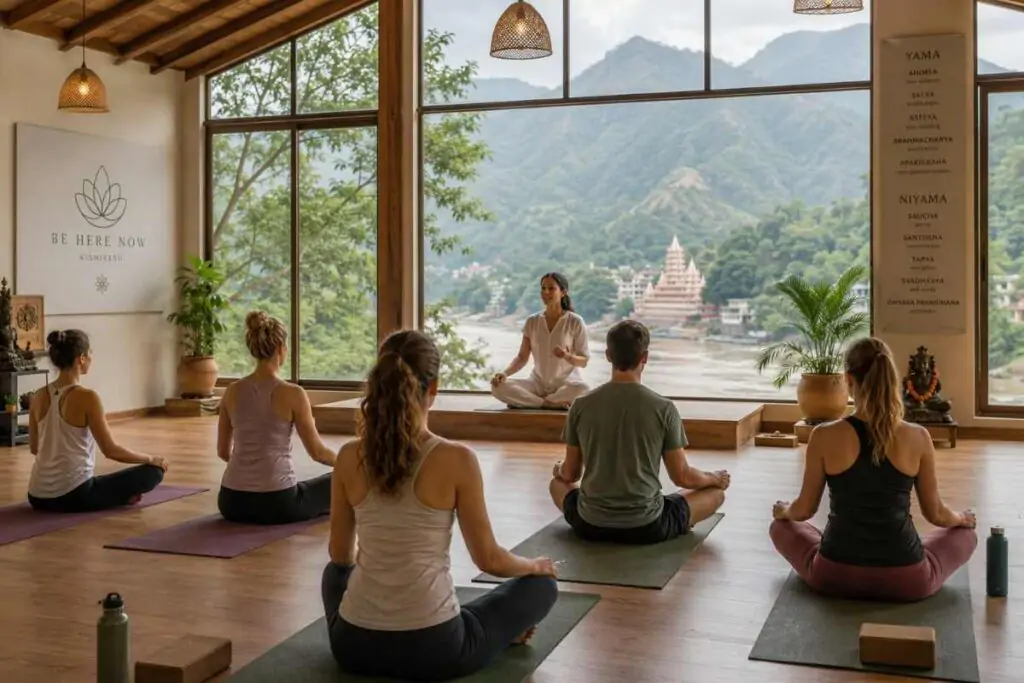
A good yoga training experience should build your confidence step by step. The right program helps you grow into a yoga teacher through guided practice, theory, and support. Many schools also offer yoga alliance pathways, which matter if you want recognized credentials. To choose well, it helps to understand why places like Rishikesh became so well known.
Why India is the Global Hub for Yoga Teacher Training
India is often seen as the birthplace of yoga, so many students feel drawn here for traditional yoga learning. That connection matters. You are not only joining a course. You are stepping into a wider yoga tradition shaped by philosophy, practice, and daily discipline. For many beginners, that deeper setting gives more meaning to the training.
At the same time, India also supports modern yoga education. Schools combine ancient teachings with structured class formats, anatomy lessons, and yoga certification pathways. This makes it easier for international students to learn in a clear, organized way while still staying connected to the source.
What should beginners look for when choosing a yoga teacher training program in Rishikesh? Start with authenticity, teacher experience, course structure, and whether the school offers recognized certification. A supportive setting matters just as much as reputation.
The Rise of Rishikesh as a Yoga Destination
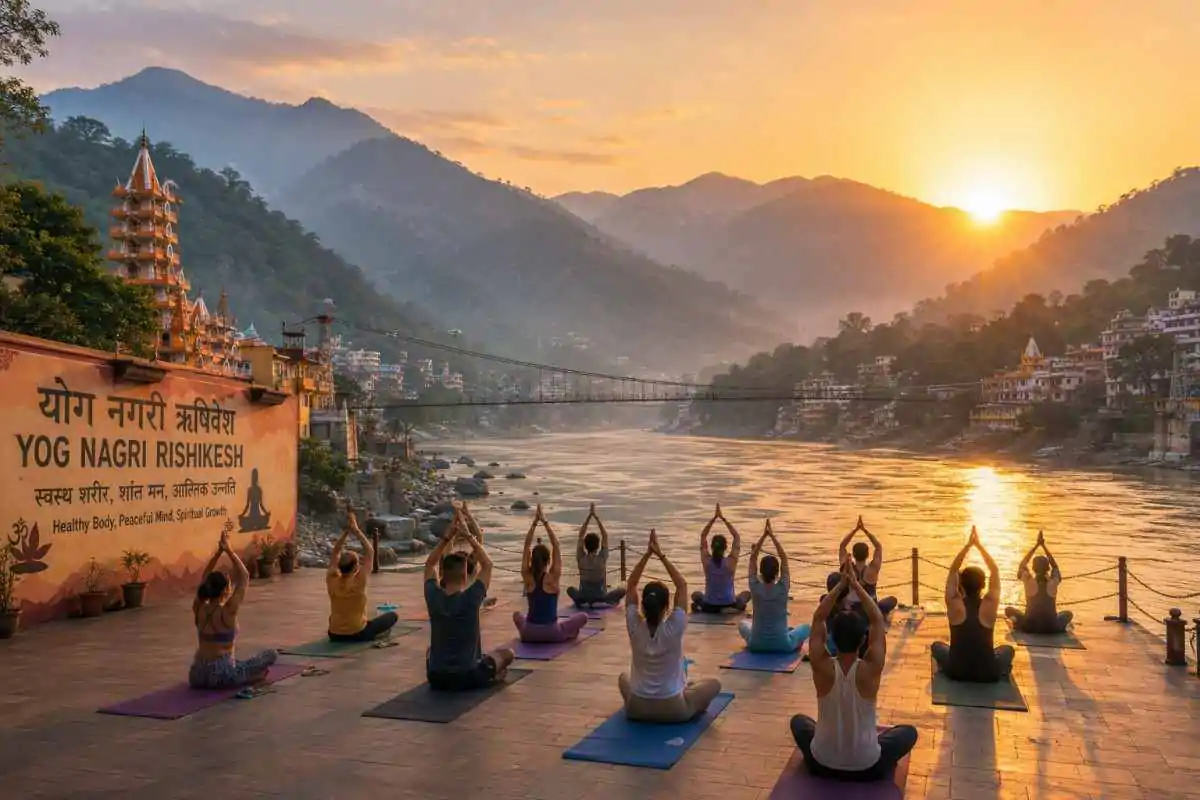
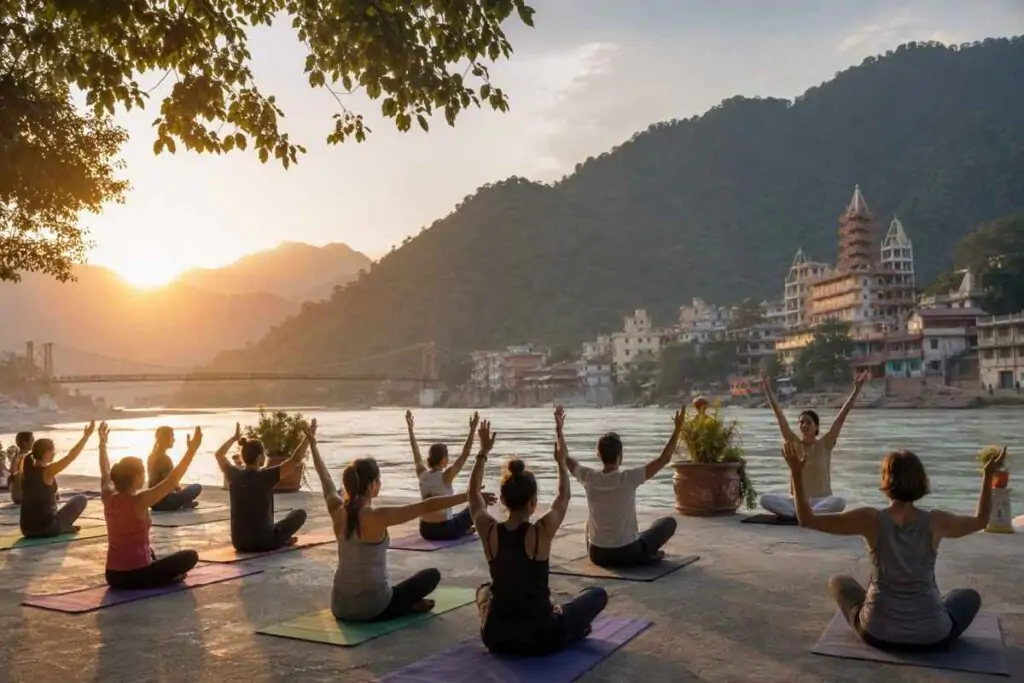
Rishikesh India became a major stop on the global yoga journey because it combines nature, spirituality, and long-standing teaching traditions. Set near the Ganges River and surrounded by mountain views, it gives students the setting many imagine when they think about yoga in India. That image has helped build its identity as a yoga capital.
Over time, more schools opened and began offering every kind of yoga teacher training course, from short foundations to full residential programs. This made Rishikeshaccessible to beginners, intermediate students, and future teachers from many countries. Large numbers of international visitors also strengthened its reputation.
What are the top-rated yoga schools in Rishikesh offering teacher training for beginners? Based on the available information, schools such as Rishikesh Vinyasa Yoga School and Rishikesh Yoga Teacher Training Center are presented as well-known beginner-friendly options with Yoga Alliance registration and structured programs.
What Makes Rishikesh Popular for Yoga Teacher Training
Many students choose Rishikesh because it offers more than a yoga course. The town is linked with spiritual energy, ashram living, and a strong focus on yogic lifestyle. For someone starting a serious yoga practice, that atmosphere can feel inspiring and focused. You are surrounded by people who came for similar reasons.
Schools there often present a full training experience instead of only physical classes. In a registered yoga school, your days may include meditation, philosophy, breathwork, and shared meals. That mix gives beginners a better sense of what yoga really asks from daily life.
Popular reasons often include:
- Access to structured yoga course options for different levels
- Practice in a place associated with spiritual energy
- Exposure to a simple yogic lifestyle
- Training with experienced teachers in residential settings
- Recognition through registered yoga school programs
Key Considerations Before Choosing Your First Training Program
Before joining any of the many teacher training courses in India, pause and look at what you actually need. A beginner usually benefits from a training program that explains basics clearly, welcomes questions, and avoids pushing too fast. The best yoga teacher training for you is not always the most famous one. It is the one that matches your level and learning style.
You should also check whether the yoga teacher training program is tied to Yoga Alliance USA, how long it runs, and what is included in the fee. Some schools offer 100-hour foundations, while others offer a full 200-hour path designed for first-time trainees.
Focus on points like these:
- Beginner-friendly curriculum and realistic pace
- Teacher experience and student support
- Clear certification pathway through Yoga Alliance USA
- Residential environment, meals, and daily schedule
- Total cost, including extras beyond tuition
Who Should Pursue Yoga Teacher Training in Rishikesh?
Rishikesh can suit people who want more than an occasional yoga class. It often appeals to students looking for personal growth, stronger discipline, and deeper knowledge of practice beyond studio routines. If you want immersion, shared learning, and exposure to traditional teachings, it may feel like the right environment.
It can also work for those who hope to teach later. Many programs are designed to build confidence through practice, study, and supervised teaching. That said, you should be honest about your comfort with busy schedules, group living, and an intense routine.
Can someone with no prior yoga experience join a teacher training program in Rishikesh? Based on the course descriptions provided, yes. Some schools clearly state that beginner-level 100-hour and 200-hour options are made for complete starters, especially when the community and teachers are supportive.
Common Myths and Realities About Yoga Teacher Training in Rishikesh
Many first-time students build ideas about yoga teacher training in Rishikesh India before they arrive. Some think every yoga course is only for advanced students. Others expect a mystical escape with no academic pressure. Both views miss the full picture.
In reality, strong programs balance physical training, theory, daily routine, and guidance from instructors. The experience can be meaningful, but it also asks for effort, discipline, and openness. To choose wisely, it helps to clear up the most common myths beginners carry.
Misconceptions About Yoga Experience Requirements
A common belief is that only experienced practitioners belong in teacher training. That is not always true. Several schools in Rishikesh present beginner-level options built for complete beginners. These programs focus on creating a steady base rather than expecting polished performance on day one.
Another misunderstanding is that your yoga journey must already include years of advanced postures. In fact, some hour yoga TTC courses are designed to teach fundamentals first. Breath, alignment, philosophy, and safe movement often matter more than flexibility or impressive shapes.
Can someone with no prior experience join a teacher training program in Rishikesh? Yes, based on the available course information. Beginner formats such as 100-hour and 200-hour training are offered specifically for newcomers. What matters most is your willingness to learn, follow the schedule, and stay consistent through the training.
Expectations Versus Reality: The Learning Environment
Some beginners imagine yoga training as a quiet retreat with endless free time. Others fear a harsh boot camp. The real learning environment usually sits somewhere in between. A good yoga school gives structure, daily classes, and study expectations, but it also creates space for growth and adjustment.
In many programs, the day includes physical practice, breathwork, philosophy, anatomy, and rest. That means beginner yoga students are not only moving. They are learning how to understand the body, mind, and teaching process. Individual attention becomes important here, especially when students are still building confidence.
Is the 200-hour yoga teacher training in Rishikesh suitable for complete beginners? It can be, when the school clearly labels it as beginner level and offers a supportive learning environment. Programs that combine guidance, manageable group size, and experienced teachers tend to work best for first-timers.
The Truth About Beginner-Friendly Courses
Beginner-friendly does not mean easy or casual. A good beginner yoga teacher training course still asks for discipline, daily attendance, and a willingness to study. What makes it beginner-friendly is the way the material is taught. Clear instruction matters more than speed.
Most programs start with basics of movement, breathing, and posture awareness before expecting students to lead others. In that sense, teacher training becomes a bridge between personal practice and future teaching. Some schools also blend traditional subjects with modern yoga methods to make learning more practical for today’s students.
What topics and skills are usually covered in beginner-friendly yoga teacher training courses in Rishikesh? Based on the provided material, students commonly study class sequencing, breathing, meditation, alignment, anatomy, philosophy, and practical teaching foundations. That makes the course broad, not just physical.
Is 200-Hour Yoga Teacher Training in Rishikesh Right for Beginners?
For many students, the 200-hour yoga teacher training is the standard starting point. It gives enough time to build a foundation in practice, philosophy, anatomy, and teaching skills without moving into advanced material too soon. When the course is described as beginner level, it is usually meant to support first-time trainees.
The value of a 200-hour course is that it can improve your own practice while also introducing the basics of instruction. That dual focus helps students decide whether they want yoga certification for teaching or simply deeper personal study. Some of the best yoga schools in Rishikesh present this format as their main beginner pathway.
Is the 200-hour yoga teacher training in Rishikesh suitable for complete beginners? Yes, if the school states that the hour course is designed for newcomers and offers structured support, qualified teachers, and realistic expectations from the start.
Can Complete Beginners Join Yoga Teacher Training in Rishikesh?
Yes, complete beginners can join many programs in Rishikesh, but choosing the right school is essential. A registered yoga school that clearly says its yoga course is open to newcomers is a safer option than one aimed at mixed or advanced groups. Course labeling matters.
Beginners should not assume every program will suit them equally well. Some are intensive and expect students to adapt quickly. Others are more gradual and explain each class in a step-by-step way. If you are just beginning your yoga practice, look for programs that mention foundation building and teacher support.
Can someone with no prior yoga experience join a teacher training program in Rishikesh? The available course descriptions say yes. Beginner-focused 100-hour and 200-hour trainings are specifically offered for students who want a strong start rather than advanced performance.
Exploring the Curriculum: What Beginners Learn in Rishikesh
When beginners join a yoga teacher training course, they often wonder what the curriculum really includes. It is usually broader than expected. You do not just memorize yoga postures. You study breath, body awareness, philosophy, and the basics of teaching.
A well-planned curriculum shapes the whole learning environment. It helps you move from student to future teacher with more clarity. In Rishikesh, many schools organize this education through a blend of practice, theory, and supervised application. The next sections break that down more clearly.
Core Topics in Yoga Teacher Training for Beginners
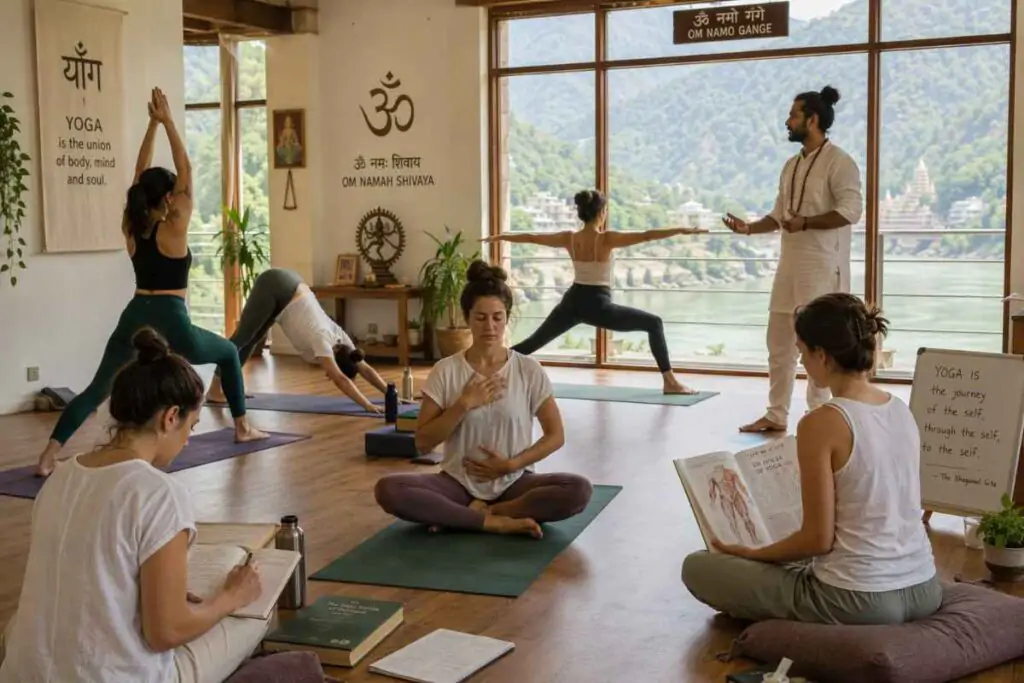
A beginner yoga teacher training usually covers the major pillars needed for a safe and balanced start. This includes movement practice, breathwork, meditation, anatomy, and the first steps in teaching. When a school follows a clear yoga curriculum, students are less likely to feel lost during the process.
Programs linked to Yoga Alliance often organize these topics in a structured way. That helps beginners understand what they are learning and why. Some schools in Rishikesh also highlight Ashtanga Vinyasa practice as a central part of training, which gives students both discipline and flow-based movement experience.
Core topics often include:
- Yoga teacher training foundations and personal practice
- Alliance aligned course structure
- Teaching skills such as cueing and class guidance
- Ashtanga Vinyasa or Vinyasa Flow sequences
- Anatomy, meditation, breath awareness, and philosophy
Introduction to Asanas, Pranayama, and Meditation
For most beginners, the first big step is learning how asanas are practiced with awareness. These physical postures are not just shapes. Teachers often guide students on alignment, breath, and purpose within each movement. That helps the body work more safely and with more understanding.
Pranayama is another key part of training. Here, students learn breathing methods that support focus, steadiness, and energy regulation. In many schools, this sits beside meditation rather than apart from it. The result is a fuller daily practice, not only a physical one.
Some programs also include mantra chanting as part of morning or opening sessions. This gives students a direct experience of rhythm, attention, and sound within practice. Together, asanas, pranayama, and meditation create the base from which deeper yoga learning can grow during training.
Anatomy and Physiology for New Yoga Teachers
Anatomy and physiology help beginners understand what is happening inside the body during yoga practice. This part of education is important because it turns movement into informed movement. Instead of copying shapes, students begin to see how joints, muscles, and breath patterns work together.
A useful anatomy class also teaches limits. New teachers need to know how strain can happen, how alignment affects comfort, and why bodies respond differently to the same posture. Learning about the nervous system is especially helpful because it connects physical practice with stress, relaxation, and mental steadiness.
For beginners, this subject can feel technical at first. Good schools keep it simple and practical. The goal is not medical expertise. The goal is understanding enough anatomy and physiology to teach and practice with more safety, clarity, and respect for individual differences.
Philosophy and History of Yoga in Rishikesh Programs
Yoga is not only a system of movement. In many Rishikesh programs, students also study yoga philosophy and the broader history that shaped today’s practice. This often gives context to what happens on the mat. It helps you see as a life path, not just an exercise routine.
Texts and ideas linked with the Bhagavad Gita, Patanjali’s Yoga Sutras, and the wider tradition are often introduced in accessible ways. For beginners, these teachings can make the experience richer because they connect discipline, ethics, and self-study with everyday life.
Since India is seen as the birthplace of yoga, many students expect this subject to be central, and it usually is. Philosophy classes help explain why traditional practices still matter, even inside modern training formats. That balance often becomes one of the most memorable parts of the course.
Teaching Methodology and Practice Sessions
One of the biggest shifts in training happens when you move from doing yoga to explaining it. Teaching methodology helps beginners learn how to give instructions, build class flow, and speak clearly under pressure. This is where teaching skills begin to take practical shape.
In many programs, students practice short class segments before guiding longer sessions. That gradual approach reduces fear and helps beginners find their voice. Schools that teach vinyasa yoga or Vinyasa Flow often place strong attention on sequence logic, transitions, and the link between breath and movement.
Teaching practice is essential because confidence rarely appears from theory alone. You build it by standing in front of peers, making mistakes, adjusting, and trying again. A strong yoga teacher training program gives space for this process, so beginners can leave with real classroom experience, not just notes.
Assessments and Certification Requirements
Most teacher training courses include some form of assessment. This does not always mean a formal exam in the usual sense. It can also include attendance, participation, teaching demonstrations, and how well you understand the required material. These checks help schools see whether students are ready for certification.
For many beginners, yoga certification matters because it creates a recognized next step after training. Schools registered with Yoga Alliance USA often explain how completing the course can support registration as a certified yoga teacher, depending on the hour level finished. That can be useful if you plan to teach internationally.
You should still read the requirements carefully before enrolling. Ask what counts toward successful completion, whether teaching practice is assessed, and how certificates are issued. A clear assessment process usually reflects a more organized school and a more reliable learning experience overall.
Types of Yoga Teacher Training Courses for Beginners in Rishikesh
Beginners in Rishikesh can choose from more than one type of yoga training. Some want a short introduction. Others want a full training program that leads toward teaching. The right choice depends on your time, confidence, and goals.
A registered yoga school may offer 100-hour, 200-hour, and short specialized formats. Each serves a different purpose. If you are comparing the best yoga teacher training options, look at the structure, duration, and level rather than assuming the longest course is always the best first step for you.
100-Hour Yoga Teacher Training for Starters
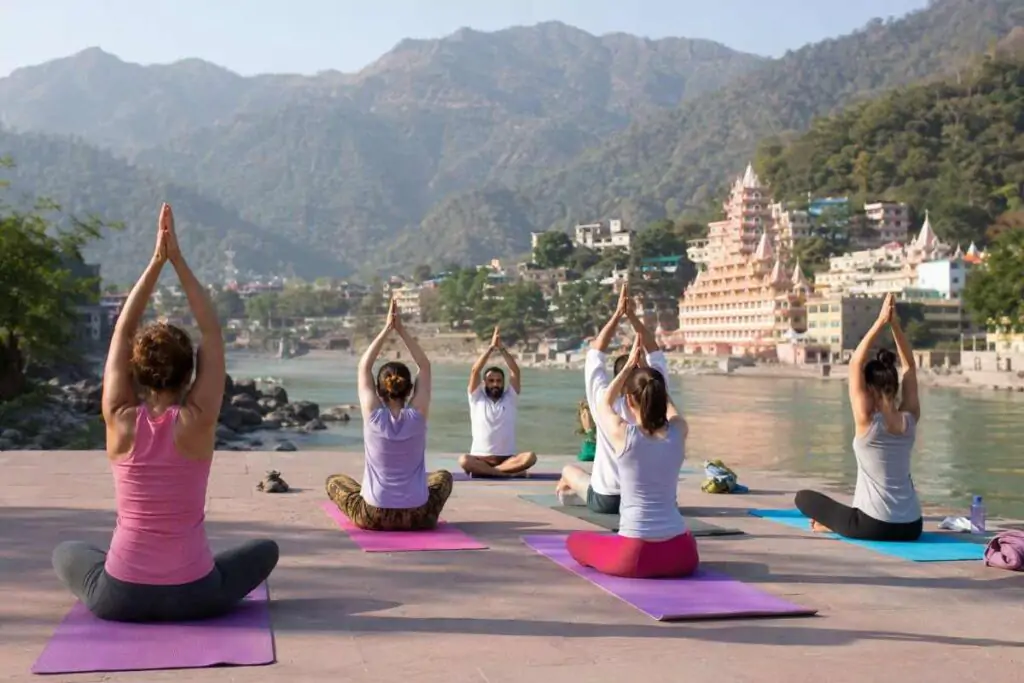
A 100-hour yoga teacher training is often the easiest entry point for beginners who want to test the experience without committing to a full month. It is usually presented as a foundation program and can work well if you are still early in your journey. The shorter format reduces pressure while still giving a real introduction to structured learning.
Many schools describe this hour yoga TTC as covering fundamentals, basic asana work, breathing techniques, and early teaching basics. That makes it helpful for students who want orientation first before deciding on a longer course.
Compared with a 200-hour program, it is usually:
- Shorter and easier to fit into travel plans
- Better for beginner students exploring training for the first time
- More focused on basics than full teaching readiness
- A useful first step before a longer certification path
200-Hour Yoga Teacher Training: The Standard Path
The 200-hour yoga teacher training is often treated as the standard path because it offers a fuller foundation than shorter options. Beginners usually get enough time to settle into practice, absorb theory, and develop early teaching skills. This makes it a stronger bridge between personal interest and professional direction.
In the available school information, 200-hour programs are described as beginner level and include areas such as Ashtanga, Vinyasa Flow, pranayama, meditation, anatomy, and teaching methodology. That broad coverage is one reason many students choose it over a shorter hour TTC. It supports both self-development and future class leadership.
If you want a course that can lead toward Yoga Alliance registration, the 200-hour format often makes the most sense. It gives structure, recognized scope, and enough depth to begin teaching responsibly after further practice.
Specialized Short-Term and Weekend Courses
Not every beginner wants a full certification course right away. Some students prefer short-term yoga courses that let them experience one branch of practice in a focused way. In the information provided, schools offer brief programs in yin yoga, aerial yoga, prenatal and postnatal yoga, and yoga retreat formats. These can introduce you to a niche without demanding a long stay.
A short course may suit you if your goal is exploration, rest, or skill sampling rather than becoming a teacher immediately. Weekend-style or 5-night formats also work for travelers with limited time. They can still offer meaningful exposure to practice and community life.
Are there any short-term or weekend yoga teacher training options for beginners? Based on the listed courses, yes. Options such as Yin Yoga Teacher Training, Aerial Yoga Teacher Training, and short retreats are available in condensed formats with accommodation and food included.
Online Yoga Teacher Training Options
Online yoga teacher training has become another pathway for beginners who cannot travel right away. The provided material mentions yoga teacher training online as one of the available options connected with Rishikesh-based schools. That can make yoga training more accessible if time, budget, or distance limits your choices.
The main advantage is flexibility. You can study from home and begin learning theory, sequencing, and practice foundations without relocating. For some students, this is the most realistic first step toward yoga certification. It may also help you decide later whether an in-person yoga course is the right next move.
Still, beginners should compare carefully. Check whether the online format is linked to a registered yoga school, what support is available, and how practical teaching is handled. The more clearly the structure is explained, the easier it is to trust the program.
Comparison: 100-Hour vs 200-Hour Courses for Beginners
Choosing between a 100-hour yoga TTC and a 200-hour yoga TTC depends on how ready you feel for immersion. The shorter option gives a gentle start. The longer one usually offers a more complete route toward becoming a certified yoga teacher. Both can support beginners, but they serve different goals.
If you want a trial experience, the 100-hour format may be enough. If you want stronger teaching skills, fuller curriculum coverage, and a more developed learning environment, the 200-hour path often fits better.
| Feature | 100-hour yoga TTC | 200-hour yoga TTC |
|---|---|---|
| Best for | First-time exploration | Full beginner training |
| Duration | Around 12-14 days | Around 24-28 days |
| Depth | Foundational | More complete |
| Teaching skills | Basic introduction | Stronger practice and methodology |
| Outcome | Early learning step | Better base for certified yoga teacher pathway |
Daily Life During Yoga Teacher Training in Rishikesh
Daily life in training is often simple, structured, and full. Your yoga journey becomes shaped by early mornings, repeated practice, study hours, and shared routines. This rhythm can feel intense at first, but it also creates focus.
Living closely with a yoga community is part of the experience. You eat together, learn together, and often support each other through the harder days. That shared yogic lifestyle is one reason residential programs feel so different from drop-in classes. To understand whether it suits you, it helps to look at the day-to-day details.
Typical Daily Schedule for Beginners
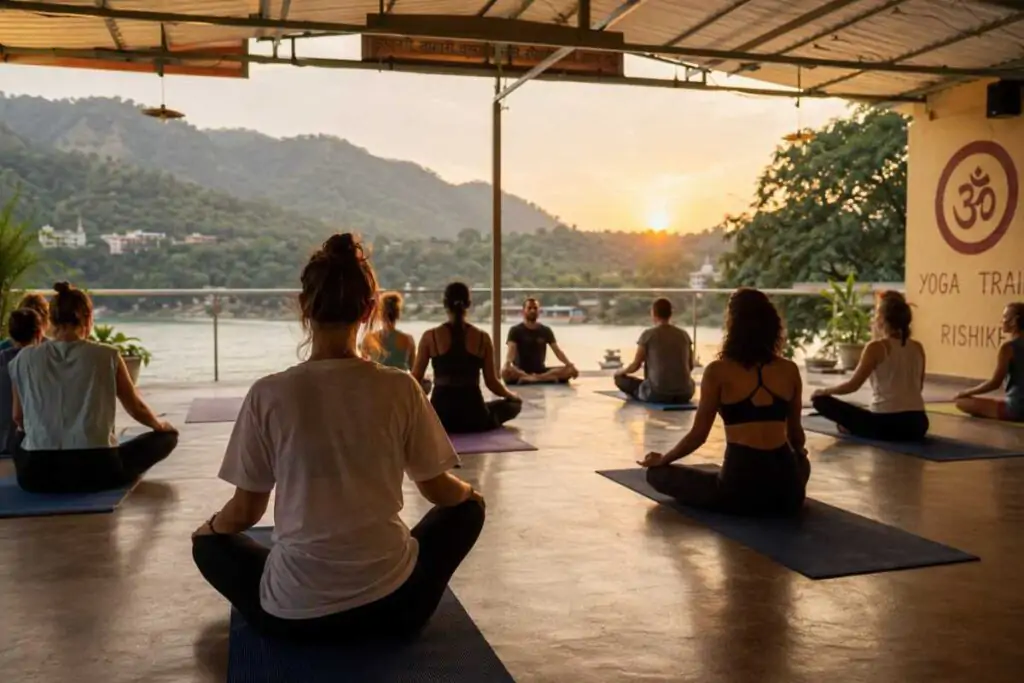
A beginner schedule in Rishikesh is usually built around steady repetition. Schools often begin early and combine movement, theory, meditation, and rest into one full day. This structure helps students settle into daily life quickly, though the first few days can feel demanding if you are not used to such routine.
Based on the provided information, students may practice more than once a day and also attend philosophy, anatomy, or teaching sessions. Some schools include nidra, mantra chanting, and supervised class practice, creating a balanced training rhythm.
A typical day may include:
- Early morning mantra chanting or meditation
- Morning yoga class with asana and breathwork
- Theory sessions such as philosophy or anatomy
- Afternoon teaching practice or alignment work
- Evening relaxation, meditation, or yoga nidra
Accommodation and Living Arrangements
Accommodation during training in Rishikesh is often part of the residential package. The provided information describes ashram-style or budget rooms with basic comforts such as private bathrooms, hot water, WiFi, and sometimes a balcony. This setup supports immersion by keeping students close to classes and the school community.
Living arrangements in some of the best yoga schools are simple rather than luxurious. The focus is usually on quiet surroundings, convenience, and a setting that supports study and practice. For beginners, this can be helpful because it removes daily travel stress and keeps attention on the training course.
What kind of accommodation and food can beginners expect during yoga teacher training in Rishikesh? Based on the available details, expect residential rooms, shared or simple private living, and planned meals as part of a structured training stay.
Food and Nutrition: What to Expect
Food is usually a central part of the training environment. Many schools describe serving vegetarian meals designed to support practice and keep energy steady through long days. In the provided information, schools mention daily sattvic and organic vegetarian food, often with herbal tea included.
For beginners, this can be an adjustment if you are used to more variety or a different diet. Still, the purpose is clear. Simple vegetarian meals are meant to support digestion, focus, and the wider yogic approach to living. When meals are provided on schedule, they also make the routine easier to manage.
What kind of accommodation and food can beginners expect during yoga teacher training in Rishikesh? In food terms, expect regular vegetarian food, often three meals a day, prepared to match the tone of the course. Nutrition is treated as part of the training experience, not a separate service.
Community, Support, and Peer Interaction
One of the strongest parts of teacher training is often the yoga community formed during the course. Students arrive from different countries and backgrounds, yet they share similar challenges: nerves, fatigue, curiosity, and hope. That common ground creates quick bonds. For beginners, this can make a big difference.
Peer interaction is built into daily life. You practice together, study together, and often complete teaching practice in front of each other. These moments can feel uncomfortable at first, but they also create trust. Watching classmates learn can help you feel less alone in your own struggles.
Support usually comes from both staff and fellow students. In a good program, questions are welcomed and progress is encouraged without pressure. That kind of environment can turn a demanding yoga journey into a more grounded and rewarding experience for first-time trainees.
Cultural Experiences Beyond the Classroom
Training in Rishikesh often includes more than classes. Cultural experiences around the Ganges River and the wider town are part of what draws students there. The information provided mentions Ganga Aarti, temple visits, kirtan, local excursions, and outdoor activities as part of the broader stay. These experiences shape the atmosphere around the training.
For many beginners, this is their first close encounter with spiritual practice in India. Seeing evening rituals, hearing chanting, or visiting temple spaces can deepen the sense that yoga is connected to a wider way of living. It helps the course feel more rooted in place.
As a result, Rishikesh India is often remembered not only as a yoga capital but also as a cultural and spiritual destination. The classroom teaches technique, but the town itself often teaches context, mood, and perspective.
Cost and Budgeting for Yoga Teacher Training in Rishikesh
Budgeting matters because teacher training usually includes more than tuition. Program fees may cover classes, stay, and meals, but travel and extra costs can still add up. Beginners should look at the full picture before booking a yoga course.
A clear teacher training program should explain what is included and what is not. That helps you compare one yoga school with another in a fair way. Some schools in Rishikesh also present lower-cost options, which can help beginners manage expenses without giving up a structured learning experience.
Tuition Fees and Inclusions
Tuition fees in Rishikesh vary by course length and level. Based on the available information, shorter and beginner-level yoga training options can start around $950, while 200-hour programs are listed around $1000 to $1350. Advanced and longer yoga course formats cost more. This shows that beginners have more than one price point to consider.
What matters just as much as the number is what the fee includes. Some schools package accommodation, food, and classes together. Others may also include excursions, herbal tea, or additional experiences. A registered yoga school that explains these inclusions clearly makes budgeting much easier.
Are there any budget-friendly yoga teacher training programs for beginners in Rishikesh? Yes, based on the listed prices, beginner-level foundation and 200-hour programs appear available at different fee levels, making some options more budget-friendly than others for first-time students.
Accommodation and Meal Costs
In many residential programs, accommodation and vegetarian meals are bundled into the overall course price. That can be helpful for beginners because it reduces the need to budget for daily living separately. The provided information mentions room stay, three meals, and herbal tea in some training packages.
Still, you should confirm details before booking. Room type, private versus shared setup, and the number of meals included can affect value. Meal costs may feel low when food is already part of the package, but separate snacks or outside dining can increase spending.
Check points such as:
- Whether accommodation is included in the full fee
- If vegetarian meals are served three times daily
- Whether herbal tea or extra drinks are provided
- Room type, bathroom access, and WiFi details
- If any meal costs fall outside the training package
Additional Expenses: Travel, Materials, and Certification
Even when your teacher training program includes stay and meals, extra costs still matter. Travel to Rishikesh can be a major expense depending on where you are coming from. The information provided also notes that airport transfer, local travel, rafting, and medical expenses may not be included. Beginners should prepare for those separately.
Training material and certification-related costs should also be checked in advance. Some schools include preparation material and certificates within the tuition, while others may handle certain items differently. Asking early can prevent surprises later.
Plan for additional expenses such as:
- Travel to India and local transport to the yoga school
- Training material or personal study supplies
- Certification or registration-related costs if separate
- Personal spending, excursions, and medical needs
Affordable and Budget-Friendly Programs
Affordable programs do exist in Rishikesh, especially for beginners. The course listings provided show several training options at different price levels, including shorter foundation programs and beginner-focused 200-hour courses. This means you do not always need to start with the most expensive package to receive yoga education in a structured setting.
Still, low cost should not be your only filter. A budget-friendly option is useful only if it also offers a reliable curriculum, qualified teachers, and a registered yoga school structure when certification matters to you. Cheap without support can become costly in other ways.
Are there any budget-friendly yoga teacher training programs for beginners in Rishikesh? Yes. Based on the listed fees, some programs appear designed to make affordable yoga teacher training possible while still including essentials like accommodation, food, and guided classes for beginners.
Are Scholarships or Discounts Available for Beginners?
The provided information does not clearly mention scholarships, but it does show discounted price ranges for some courses. For example, certain programs are listed with one price crossed by a lower current fee. That suggests discounts may be available at least in some cases, even if formal scholarship details are not given.
For beginners, this means it is worth asking a yoga school directly about offers, seasonal rates, or package adjustments. If you are comparing more than one teacher training program, small pricing changes can make a real difference. A direct question may reveal options not highlighted in a general listing.
While scholarships are not confirmed in the available material, discounts appear possible. If budget shapes your yoga journey, ask before booking. Clear communication about fees, inclusions, and current offers can help you choose a course that is realistic and sustainable.
Challenges Faced by Beginners in Rishikesh
Beginner yoga students often arrive in the yoga capital with excitement, then realize the training course asks for more stamina and focus than expected. That is normal. New routines, shared living, and long practice days can feel intense at first.
Still, most challenges are manageable when you know what to expect. Your yoga journey does not need to be perfect to be meaningful. It simply needs patience, support, and honest effort. The next sections cover the most common difficulties beginners face and how they can respond with more confidence.
Adapting to Intensive Schedules
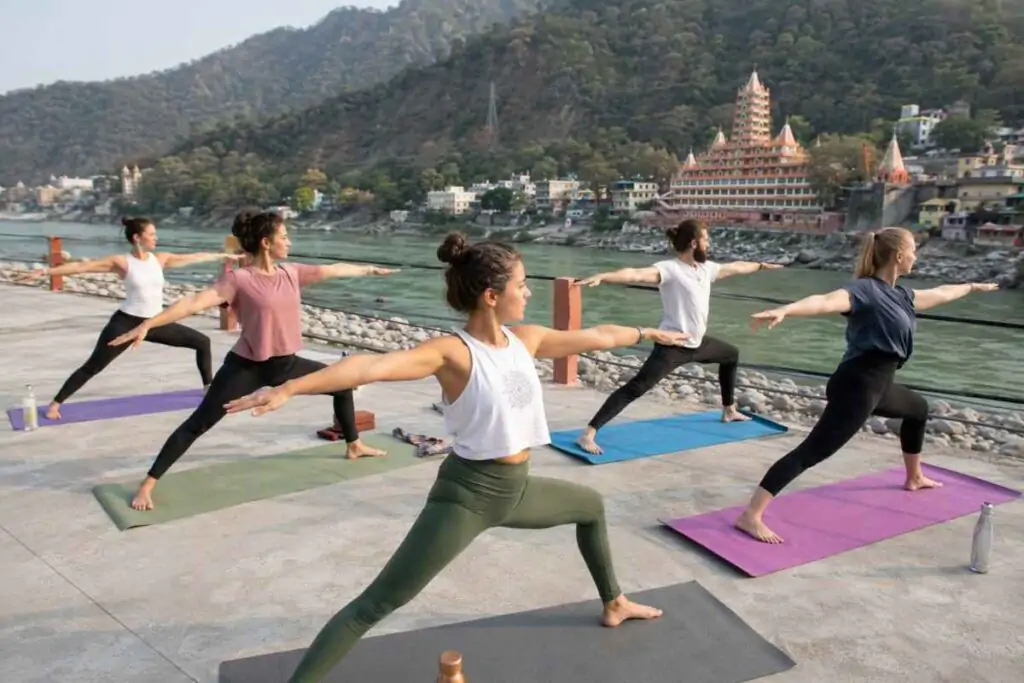
One of the first shocks for beginners is the intensive schedule. Early mornings, multiple classes, and very full days can feel tiring even when you are motivated. If your previous yoga class experience was once or twice a week, daily training may take time to adjust to.
The key is to accept that adaptation is part of the process. Most yoga school programs are designed to build rhythm through repetition. You may feel physically tired, mentally full, or emotionally stretched in the first week. That does not mean you are failing. It usually means your body and mind are meeting a new routine.
Teacher training courses are meant to be immersive. Rest when you can, eat well, and stay steady rather than trying to impress anyone. With consistency, the intensive schedule often becomes easier to handle and can even feel grounding by the end of the course.
Language and Communication Barriers
For international students, communication can sometimes be a challenge during yoga TTC. Accents, unfamiliar teaching styles, or a fast pace in theory classes may leave beginners unsure about what was said. This can feel stressful, especially when you are already adjusting to a new place.
A language barrier does not always stop learning, but it can slow your comfort level. That is why communication style matters when choosing a school. Teachers who explain clearly, repeat key points, and welcome questions often make the experience much easier for beginners from different backgrounds.
The yoga community can help here as well. Classmates often support each other by sharing notes, practicing together, or clarifying instructions after class. If you are worried about understanding everything, ask before enrolling how the yoga instructor team handles mixed-language groups and student questions during the course.
Managing Expectations and Overcoming Self-Doubt
Many beginners arrive with strong hopes and quiet fears at the same time. You may want personal growth, deeper understanding, and a memorable experience, yet still doubt whether you are capable enough. This mix is common, especially in an immersive learning environment where everyone seems committed and confident.
Self-doubt often appears when you compare yourself to others. Maybe someone is more flexible, speaks more easily in teaching practice, or seems quicker to understand philosophy. None of that defines your potential. Progress in yoga is rarely equal from person to person, and support matters more than speed.
Your personal experience becomes stronger when you stay focused on your own path. Accept that mistakes are part of learning. Ask questions, use the support around you, and give yourself time. In many cases, the students who doubt themselves most at first end up growing the most through training.
Staying Healthy and Safe During Training
Health and safety matter just as much as discipline in yoga training. Beginners sometimes push too hard because they want to keep up or prove they belong. That can lead to strain, exhaustion, or a negative experience. A safe approach starts with honesty about your body and your limits.
A good yoga course should support this. Teachers need to guide students with care, explain alignment clearly, and encourage sensible pacing. The best environment is not the one that pushes hardest. It is the one that helps you grow steadily in a supportive environment. Food, rest, hydration, and personal awareness all play a role.
The provided information also notes that some costs, such as medical expenses, may not be included. That makes self-care even more important. Stay aware, communicate discomfort early, and treat your health as part of your training rather than something separate from it.
Tips for Thriving as a Beginner
Thriving as a beginner does not mean doing everything perfectly. It means staying teachable, steady, and open through the ups and downs of the process. Your yoga journey will feel stronger when you focus on learning rather than performance. Small habits can make a big difference.
Before and during your yoga teacher training program, keep things simple. Eat regularly, sleep enough, ask questions, and respect your pace. Personal growth often comes from consistency more than intensity.
Helpful tips include:
- Choose a beginner yoga course with clear structure
- Read what is included before you book
- Arrive ready for practice, study, and routine
- Avoid comparing your progress with others
- Use teacher and peer support when doubts appear
- Stay focused on long-term growth, not quick results
Why Consider Dharamshala Over Rishikesh for Your Yoga Journey
Rishikesh has fame, variety, and a long reputation in yoga teacher training. Still, beginners do not always need the busiest or most talked-about setting for real personal growth. Sometimes a quieter yoga school environment serves your yoga journey better.
That is where Dharamshala deserves attention. If you want a more peaceful setting, cooler surroundings, and a community feel that seems less crowded, this alternative can make sense. For students comparing first options carefully, even Mahiyoga School in Dharamshala may feel more aligned than the expected Rishikesh route.
Introducing Dharamshala as a Yoga Destination
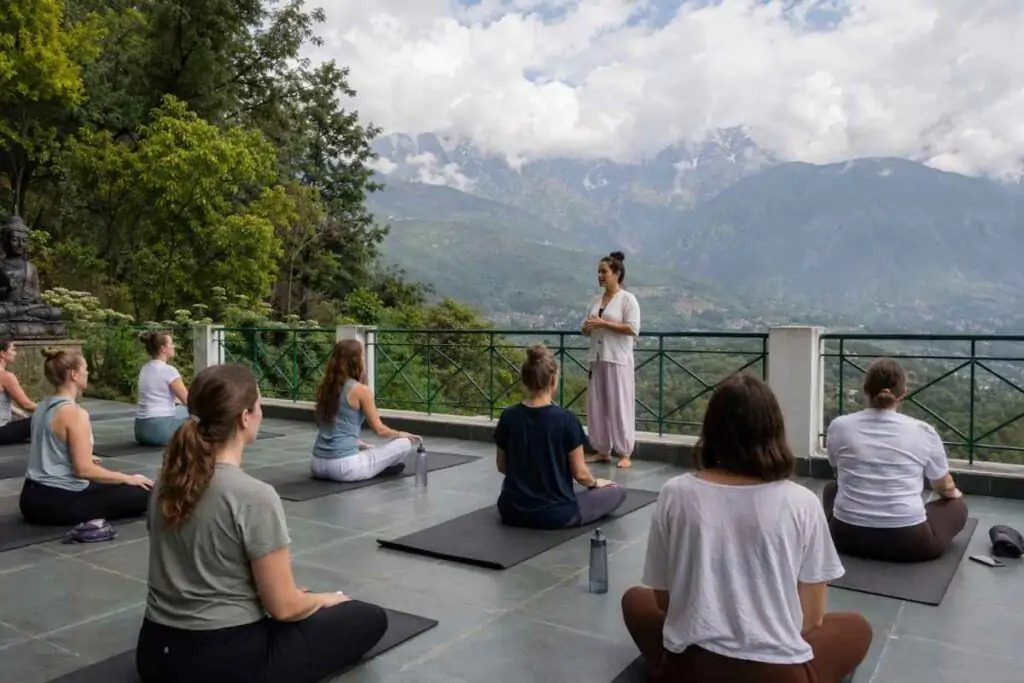
Dharamshala may not be promoted as loudly as Rishikesh, but that can be part of its appeal. For beginners, a yoga destination does not need to be the most famous place in India. It needs to feel supportive, calm, and suitable for learning. Dharamshala offers a setting many students may find more manageable for a first serious step.
When you compare destinations, think beyond marketing. A yoga school should help you build confidence, not add unnecessary noise. If a quieter teacher training program helps you absorb more, connect more, and reflect more, then Dharamshala becomes a serious option rather than a backup idea.
This matters especially if you want community without overload. A smaller-feeling yoga community can help beginners settle faster. That is one reason students looking at alternatives to Rishikesh may find Dharamshala worth stronger consideration from the start.
Climate, Scenery, and Spiritual Vibe
Setting affects learning more than many beginners expect. If the climate feels more comfortable and the scenery feels naturally calming, your yoga journey may become easier to sustain. Dharamshala stands out here because many students are drawn to mountain settings that feel spacious, quiet, and reflective.
For a beginner, spiritual energy is not only about rituals or reputation. It is also about whether the place helps you slow down and listen. Dharamshala can offer a different kind of spiritual vibe from busier destinations, one that feels grounded in stillness and atmosphere rather than constant movement.
Reasons the setting may appeal include:
- Cooler climate that may feel easier during training
- Scenic mountain surroundings that support focus
- A calmer pace that can reduce beginner overwhelm
- A quieter sense of spiritual energy in Dharamshala
The Distinct Culture of Yoga Schools in Dharamshala
The culture of a yoga school shapes your entire experience. In a place like Dharamshala, that culture may feel more intimate and less commercial to some beginners. If your goal is to build a steady yogic lifestyle and connect with spiritual practice in a quieter way, this kind of setting can be very appealing.
That is why comparing destinations matters. Rishikesh may offer more volume and visibility, but not every student learns best in a highly active environment. Some people grow more through smaller communities, closer guidance, and a more personal experience of place. Dharamshala can offer that contrast.
For those exploring alternatives seriously, Mahiyoga School in Dharamshala is worth considering as part of that decision. If you want your first training to feel less rushed and more centered, the distinct culture of yoga schools in Dharamshala may suit you better than the usual default choice.
Smaller Class Sizes and Personalized Instruction
A more intimate learning environment is created through smaller class sizes at Mahiyoga School. This format allows for personalized instruction, enabling yoga teachers to address each student’s unique needs and aspirations. Individual attention fosters deeper learning and enhances the overall yoga experience, allowing learners to explore various techniques like breathing exercises and yoga philosophy in a supportive atmosphere. This level of engagement is difficult to achieve in larger classes, making the Mahiyoga approach particularly beneficial for beginners seeking a solid foundation in their yoga journey. Personal growth is nurtured through a combination of hands-on guidance and collective learning.
Opportunities for Nature and Adventure Experiences
Immersing oneself in the breathtaking scenery surrounding Mahiyoga School offers a unique blend of yoga and adventure. The verdant hills of Dharamshala and the nearby mountains invite exploration through hiking, trekking, and serene nature walks. As the birthplace of yoga, this location enriches your yoga practice while fostering a deep connection with nature. Engaging in outdoor activities enhances the yoga journey, promoting a holistic approach to personal growth. Along with this, experiences like sound healing and meditation by the Ganges River create moments of tranquility that complement the rigorous workouts and yoga education, ensuring a well-rounded experience for every student.
Spotlight on Mahiyoga School in Dharamshala
Mahiyoga School in Dharamshala stands out for its serene environment and commitment to personalized learning. With smaller class sizes, students receive individual attention, fostering a supportive learning atmosphere. The school’s approach blends traditional yoga practices with modern techniques, ensuring an enriching yoga journey. Each course is designed to cultivate essential teaching skills while deepening practitioners’ understanding of yoga philosophy. Furthermore, Mahiyoga emphasizes holistic healing through various methodologies, including sound healing and pranayama. This nurturing environment not only enhances yoga education but also encourages personal growth and self-discovery among students.
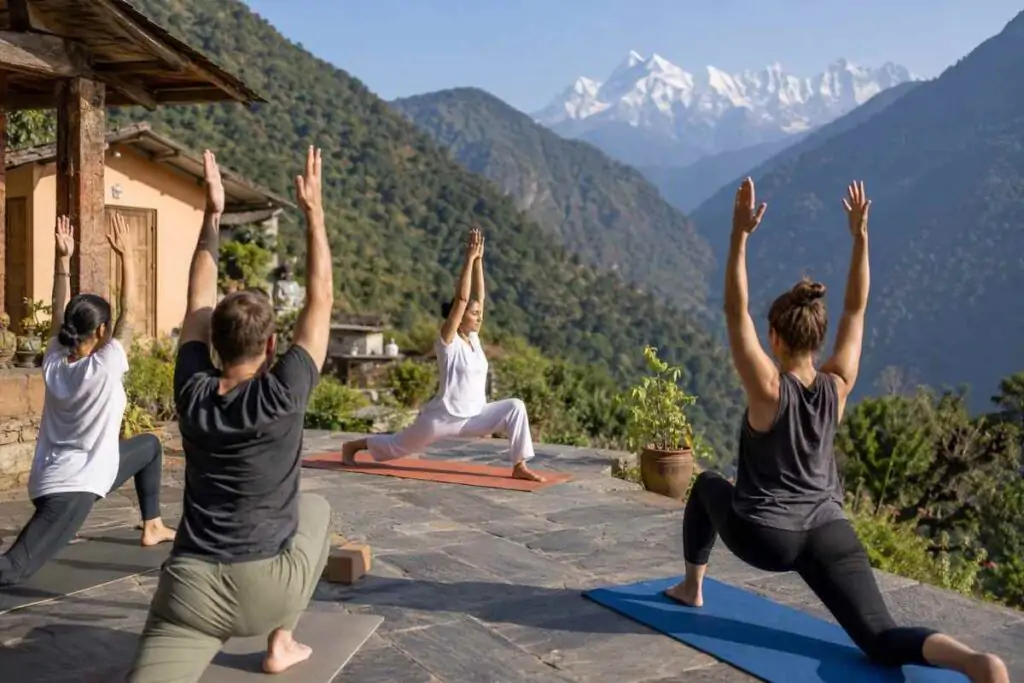
Overview of Mahiyoga’s Approach for Beginners
At Mahiyoga, the approach for beginners is designed with compassion and clarity, ensuring a gentle yet impactful entry into the world of yoga. Emphasizing individual attention, small class sizes allow for personalized instruction from seasoned yoga instructors, fostering a supportive learning environment. New students are introduced to foundational concepts of yoga philosophy and physical postures, encouraging them to explore their unique yoga journey. Practices such as sound healing and breath techniques are integrated, ensuring a well-rounded experience that nurtures personal growth and a deeper connection to the yogic lifestyle.
Course Offerings and Certification Levels
At Mahiyoga School in Dharamshala, course offerings cater to a wide range of interests and skill levels. Beginners can start with the foundational 200-hour Yoga Teacher Training Certification, covering essential aspects of yoga philosophy, postures, and teaching techniques. For those seeking advancement, a 300-hour course is available, deepening knowledge and skills in diverse styles like Hatha and Vinyasa. Each program emphasizes personalized instruction and encourages personal growth. Flexible scheduling options ensure a supportive learning environment, making it easier for students to find their ideal path within this transformative journey.
Teacher Expertise and Student Support
Expert instructors at Mahiyoga School bring years of experience to their teaching, ensuring a deep understanding of yoga philosophy and practice. The personalized attention in smaller class sizes fosters a supportive learning environment, where each student feels valued. Dedicated to nurturing personal growth, instructors provide tailored guidance, helping beginners hone their skills and overcome challenges. Students have ample opportunities for feedback, enhancing their yoga journey and building confidence. Whether practicing yoga as a traditional spiritual discipline or modern wellness approach, the expert support at Mahiyoga cultivates strong foundations for all students.
Accommodation, Meals, and Amenities at Mahiyoga
At Mahiyoga, students can enjoy comfortable accommodations designed to create a nurturing learning environment. The amenities include clean, cozy rooms that encourage relaxation after a fulfilling yoga class. Nutritious vegetarian meals are provided, focusing on wholesome ingredients to support a yogic lifestyle. Students can relish communal spaces where friendships grow, enriching the overall experience. Additional facilities like meditation zones and outdoor areas further enhance personal growth and exploration. This welcoming atmosphere, coupled with thoughtfully prepared meals, allows for a deeper immersion into yoga philosophy and practice, ensuring that each participant feels at home while embarking on their transformative journey.
Reviews and Testimonials from Past Students
The experiences shared by alumni of Mahiyoga School highlight the life-changing nature of their yoga teacher training. Many former students emphasize the smaller class sizes, allowing for personalized instruction and fostering a close-knit community. Reviews often mention the welcoming atmosphere created by experienced instructors, which enhances learning and growth. Testimonials showcase not only the depth of knowledge gained in yoga philosophy but also the practical skills applied in real-life settings. Feedback consistently applauds the holistic approach taken by Mahiyoga, ensuring each participant’s transformation through their unique yoga journey.
Beginner’s Guide: How to Prepare for Your Yoga Teacher Training
Embarking on a yoga teacher training journey requires mindfulness and preparation. Begin by clarifying your goals; understanding your motivations will shape your entire experience. Consider the right location and school that align with your values—Dharamshala’s Mahiyoga School is a fantastic choice, emphasizing personalized instruction and a supportive community. Next, arrange travel and accommodations that fit your needs. Packing essential equipment, from comfortable yoga clothing to personal meditation items, is crucial. Finally, set open-minded expectations for your training, allowing for personal growth and discovery within this transformative experience full of yogic philosophy and practices.
Essential Equipment and Packing Checklist
Embarking on your yoga teacher training journey requires a bit of preparation, especially when it comes to essential gear. Start with comfortable yoga attire, a durable mat, and any preferred props like blocks or straps to enhance your practice. Don’t forget a reusable water bottle to stay hydrated, especially during intensive sessions. For a balanced yoga lifestyle, include a journal for reflections, a yoga philosophy book, and perhaps a travel pillow for relaxation. Ensure to pack along some nourishing snacks, as well as a holistic first aid kit to support your wellness throughout this transformative experience.
Preparing Your Mind and Body for Intensive Learning
Preparation for intensive learning in a yoga teacher training program is essential for a fulfilling experience. Cultivating a mindful approach to both your mental and physical well-being can enhance your ability to absorb the teachings. Engage in daily meditation to quiet the mind, fostering focus and clarity. In tandem, practice hatha or vinyasa yoga to build strength and flexibility, vital for mastering various postures. Additionally, nourishing your body with vegetarian meals will support your energy levels during this transformative journey. An open mindset, ready to embrace challenges and growth, will enrich your overall experience in Dharamshala.
Researching Schools and Comparing Programs
Exploring various yoga teacher training programs can feel overwhelming, but breaking it down makes it manageable. Start by identifying what resonates most with your yoga journey—think about your preferred styles, such as Hatha or Ashtanga, and consider schools like Mahiyoga in Dharamshala that offer smaller class sizes and personalized instruction. Comparing programs should also include evaluating instructor expertise, course offerings, and the support provided throughout your training. Investigate reviews and testimonials to understand the student experience better, creating a clear vision of what aligns with your goals and aspirations in yoga education.
Application Process and Required Documentation
Navigating the application process for yoga teacher training can be straightforward. To enroll in Mahiyoga, prospective students should fill out an application form, which is often available on the school’s website. Essential documentation usually includes proof of prior yoga experience, identification, and any relevant certifications. Additionally, securing a spot often requires a deposit, so be prepared for that step. Once accepted, you’ll receive further instructions that may outline health forms or additional paperwork. This organized approach ensures that your journey into the transformative world of yoga begins smoothly and with all necessary support.
Step-by-Step Guide to Getting Started with Yoga Teacher Training
Embarking on the journey of yoga teacher training entails several essential steps. Initially, define your goals and motivations to align your passion with the right program. Next, research various schools, such as Mahiyoga in Dharamshala, known for its intimate class sizes and personalized instruction, ensuring a supportive learning environment. After selecting a school, arrange for travel and accommodations while considering the local yoga community. Lastly, cultivate an open mind and set realistic expectations to fully embrace this transformative experience. Each step will lead you closer to becoming a certified teacher.
Step 1: Clarify Your Goals and Motivations
Understanding personal objectives for embarking on a yoga journey lays a solid foundation for a transformative experience. Reflecting on your motivations can clarify whether you seek personal growth, teaching skills, or a deeper philosophy. This self-assessment not only guides your choice of programs and schools but also shapes your daily practice, enhancing your overall yogic lifestyle. Identifying specific goals allows for a more tailored approach to yoga teacher training, especially at institutions like Mahiyoga in Dharamshala. With a focus on individual attention and personalized instruction, your unique aspirations receive the recognition they deserve.
Step 2: Choose the Right Location and School
Selecting an ideal location and school is pivotal for your yoga journey. Dharamshala is an excellent choice, known not just for its breathtaking landscapes but also for its thriving community. Mahiyoga School stands out with its smaller class sizes, ensuring personalized instruction tailored to individual needs. This supportive environment fosters growth and deepens your practice, whether you lean towards hatha yoga, vinyasa flow, or traditional philosophies. Being in such a serene setting allows for greater focus on your training, enhancing both your teaching skills and personal development within the yogic lifestyle.
Step 3: Arrange Travel and Accommodations
Securing travel and accommodations is a crucial step in your yoga teacher training adventure. With Dharamshala’s serene surroundings, choosing a comfortable lodging option enhances your experience. Many yoga schools, such as Mahiyoga, offer packages that include accommodation, meals, and access to daily classes. Opt for a location close to your training center to save time, allowing for a smooth transition between relaxation and practice. Booking in advance can help prevent any last-minute stress, ensuring your focus remains on deepening your knowledge and personal growth. Enjoy this journey, harmonizing travel plans with the beauty of your surroundings!
Step 4: Set Expectations and Stay Open-Minded
Embracing the yoga teacher training journey in Dharamshala invites an array of experiences that transcend expectations. Begin by remaining flexible with your ambitions; personal growth often flourishes outside of comfort zones. Engaging with diverse philosophies, from hatha to vinyasa flow, can broaden your understanding and enrich your practice. Staying open-minded during this transformative experience is equally vital. You’ll discover the depth of yogic practices like mantra chanting and sound healing. Each lesson will not only refine your teaching skills but also foster a deeper connection with the yoga community, enhancing both your journey and those around you.
Conclusion
In summary, embarking on a yoga teacher training journey offers profound personal growth and connection to the yogic lifestyle. While Rishikesh is renowned as the yoga capital of the world, exploring options like Mahiyoga in Dharamshala can provide a unique experience. With smaller class sizes, individualized attention, and access to stunning natural scenery, this school promotes a holistic approach to learning. Prioritizing an authentic educational experience, Mahiyoga ensures students not only achieve their certifications but also deepen their understanding of philosophy. Embrace the transformative potential of your yoga journey—be it in Rishikesh or beyond.