
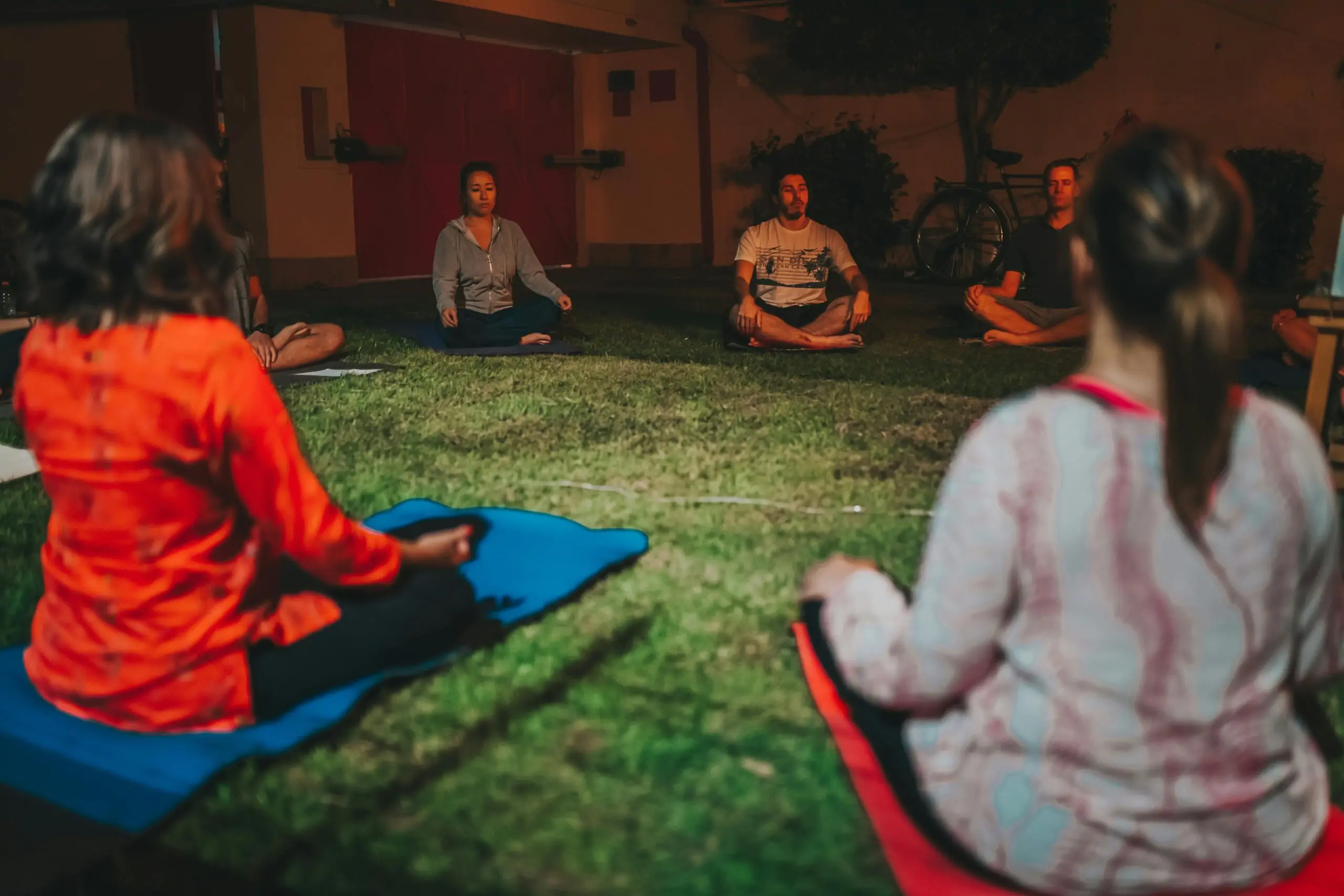
In a world that rarely slows down, meditation has quietly become one of the most searched wellness practices of the decade — and for good reason. Whether you are dealing with mounting work pressure, racing thoughts at bedti Ajna Chakra me, or simply a craving for inner stillness, meditation offers a proven, accessible path toward better mental and physical health.
But what exactly is meditation? What does the science say about its benefits and effects? And how do you actually begin? This comprehensive guide answers all of those questions in plain language, drawing on peer-reviewed research and ancient wisdom alike.
Key Takeaway: Research consistently shows that as little as 10–13 minutes of daily meditation can meaningfully improve attention, reduce stress hormones, ease anxiety, and support better sleep — with no equipment or special training required.
What is Meditation?
At its core, meditation is a deliberate mental practice in which you train your attention and awareness to achieve a state of clarity, calm, and focused presence. It is not about emptying your mind or escaping reality. Rather, it is about learning to observe your thoughts without being pulled in by them.
The practice has roots stretching back thousands of years across Hindu, Buddhist, Taoist, and Sufi traditions. The Sanskrit word for meditation — dhyana — reflects this deep heritage. Over time, modern science has studied and validated many of the benefits that ancient practitioners described purely through lived experience.
Today, meditation is practised by people of every background and belief system. Athletes use it to sharpen focus, executives use it to manage pressure, and therapists often recommend it as a complementary tool for anxiety and depression.
How Does Meditation Work in the Brain?
One of the most exciting discoveries of modern neuroscience is that the brain is not fixed — it is plastic. Regular meditation practice physically changes brain structure and function over time, a property researchers call neuroplasticity.
Studies using MRI scans have found that long-term meditators show increased grey matter density in areas governing self-awareness, compassion, and introspection. Meanwhile, the amygdala — the brain’s alarm system responsible for fear and the stress response — shows reduced reactivity in people who meditate regularly.
Additionally, meditation lowers cortisol, the primary stress hormone. It also activates the parasympathetic nervous system, shifting the body from a state of “fight or flight” into “rest and repair.” This is why even a single short session can leave you feeling noticeably calmer.
Deeper practices such as Yoga Nidra — sometimes called “yogic sleep” — take this further by guiding the practitioner into a hypnagogic state between wakefulness and sleep, producing profound levels of relaxation while maintaining a thread of conscious awareness.
Common Types of Meditation
| Type | Focus | Best For |
|---|---|---|
| Mindfulness Meditation | Present-moment awareness, breath | Stress, anxiety, everyday calm |
| Loving-Kindness (Metta) | Compassion toward self and others | Emotional healing, social connection |
| Transcendental Meditation | Silent mantra repetition | Deep rest, blood pressure reduction |
| Body Scan / Yoga Nidra | Progressive body awareness | Insomnia, chronic tension, deep relaxation |
| Focused Attention | Single object, sound, or flame | Concentration, productivity |
| Open Monitoring | Observing all thoughts without attachment | Self-inquiry, emotional intelligence |
| Chakra Meditation | Energy centres of the body | Energetic balance, spiritual growth |
Chakra meditation, for example, often focuses on the Ajna Chakra — the “third eye” energy centre located between the eyebrows. Working with this centre is believed to enhance intuition, mental clarity, and deeper states of awareness during practice.
12 Science-Backed Benefits of Meditation
Below are the most well-researched benefits of maintaining a consistent meditation practice, drawn from peer-reviewed clinical literature.
🧘
Reduces Stress
A 2017 review of 45 studies confirmed that multiple meditation styles significantly lower cortisol and physiological stress markers.
😌
Eases Anxiety
A meta-analysis of nearly 1,300 adults found meditation reduces anxiety — most powerfully in those with the highest initial anxiety levels.
💛
Lifts Emotional Health
Mindfulness practice has been shown to reduce depression symptoms and decrease the frequency of negative self-referential thinking.
🧠
Sharpens Focus
Just 13 minutes of daily meditation over 8 weeks improved both attention and working memory in participants who had no prior experience.
🤝
Builds Compassion
Loving-kindness meditation increases empathy and prosocial behaviour, with benefits compounding the longer the practice continues.
😴
Improves Sleep
Meditators fall asleep faster, stay asleep longer, and report less severe insomnia compared to non-meditating control groups.
❤️
Lowers Blood Pressure
A meta-analysis of 12 studies found meditation meaningfully reduces blood pressure, especially in older adults and those with hypertension.
🏃
Helps Manage Pain
A review of 38 studies linked mindfulness meditation with reduced pain intensity and improved quality of life in chronic pain patients.
🔍
Increases Self-Awareness
Practising self-inquiry meditation helps identify self-defeating thought patterns and shift toward more constructive inner dialogue.
🧬
Supports Memory
Older studies indicate that Kirtan Kriya and similar practices improve neuropsychological test performance in those experiencing age-related cognitive decline.
🚭
Reduces Addictive Tendencies
Transcendental meditation reduced alcohol cravings and consumption in a study of 60 people undergoing addiction treatment.
🌱
Cultivates Kindness
Loneliness dropped and social contact increased among participants who used a mindfulness app for just two weeks in a controlled trial.
Effects of Meditation on Daily Life
Mental and Emotional Effects
Most people notice mental effects within the first few weeks. Reactive emotional responses begin to soften. You might find that a stressful email no longer triggers the same surge of anxiety, or that you can move through a frustrating situation with more patience than before. These shifts are not magic — they are the byproduct of practising focused awareness consistently.
Over months, many practitioners report a general sense of inner stability that persists even outside of formal sitting sessions. This quality — called “trait mindfulness” in research literature — essentially means the calm starts to become who you are, not just something you do for ten minutes in the morning.
Physical Effects
The body responds to meditation in measurable ways. Heart rate variability — a reliable marker of cardiovascular health and nervous system balance — tends to improve. Inflammation markers may decrease. Sleep architecture improves, meaning the brain cycles through deeper, more restorative sleep phases more reliably.
For those dealing with chronic conditions, practices like Yoga Nidra for Sleep can be especially powerful. By systematically relaxing the physical body and withdrawing attention from external stimulation, Yoga Nidra creates the conditions for profound, therapeutic rest — even in people who struggle with conventional sleep.
Spiritual and Energetic Effects
Beyond the physical and psychological, many traditions describe deeper transformative effects through sustained practice. Working with the Ajna Chakra, for instance, is said to deepen one’s sense of intuition and inner vision. While these dimensions fall outside the scope of clinical measurement, millions of practitioners across traditions describe meaningful personal growth, a sense of interconnectedness, and heightened clarity of purpose as long-term fruits of the practice.
How to Start Meditating: A Simple Guide
Getting started does not require a retreat, an app subscription, or any prior experience. Here is a practical approach suited to complete beginners.
Step 1: Choose a Comfortable Meditation Position
A stable and comfortable posture is foundational. You can sit on a cushion, a chair, or on the floor — what matters is that your spine is gently upright and your body feels supported. If you are exploring formal seated practice, learning about the correct Meditation Position for your body type will help you meditate for longer without discomfort or distraction.
- Set a small, achievable goal. Start with just 5 minutes daily. Consistency over duration is what builds the habit and produces lasting change.
- Find a quiet space. Early morning, before the household stirs, is ideal. Even a corner of your bedroom with the door closed works well.
- Focus on the breath. Close your eyes and bring your full attention to the natural rhythm of your breathing — the rise and fall of your chest or belly. When your mind wanders (and it will), gently return without self-judgment.
- Use a timer. Watching the clock defeats the purpose. Set a gentle alarm so you can let go completely during the session.
- Be patient and consistent. The benefits compound over weeks, not sessions. Missing a day is fine — what matters is returning the next day.
Try Yoga Nidra for Deeper Rest
If you find it difficult to sit still, or if sleep is your primary concern, consider beginning with Yoga Nidra. Practised lying down, it guides you through layers of conscious relaxation using body awareness and guided imagery. It requires no prior experience and can be started immediately using audio guides. For specific sleep challenges, Yoga Nidra for Sleep protocols have been shown in clinical settings to reduce sleep onset time and improve overall sleep quality.
Beginner Tip: Do not try to stop your thoughts during meditation. The goal is to notice when your mind has wandered and bring it back — gently, without frustration. That act of returning is the practice.
Frequently Asked Questions
Start with just 5–10 minutes a day. Research suggests even 13 minutes of daily meditation improves attention and memory after 8 weeks. Consistency matters far more than duration when you are starting out.
Yes. Multiple peer-reviewed studies confirm that regular mindfulness meditation lowers cortisol levels, reduces anxiety symptoms, and improves how the body responds to stressors. The effects tend to strengthen with continued practice.
Morning works best for most people — it anchors the day in a calm, intentional state before demands accumulate. Evening meditation can also help wind down. The most important factor is choosing a time you can stick to daily.
Traditional sitting meditation keeps you alert and focused. Yoga Nidra guides you into a deeply relaxed state between waking and sleep, practised lying down. It is particularly effective for rest, emotional processing, and overcoming insomnia.
No. A quiet space and a comfortable Meditation Position are all you need. While cushions, timers, and apps can be helpful, none of them are necessary for a meaningful and effective practice.