If you have ever felt tightness in your hips after a long day at a desk, Frog Pose might be exactly what your body is asking for. Known in Sanskrit as Mandukasana or Bhekasana, Frog Pose is one of yoga’s most effective and deeply satisfying postures for releasing tension stored in the hips, groin, and inner thighs. Whether you are stepping onto the mat for the first time or deepening an existing practice, understanding the full range of Frog Pose benefits and positions will help you approach this pose with confidence and clarity.
This guide covers everything — from the origins of the pose to step-by-step instructions, variations for every fitness level, and practical tips to keep your practice safe and effective.
Frog Pose at a Glance
| Detail | Information |
| Sanskrit Name | Mandukasana / Bhekasana |
| English Name | Frog Pose |
| Pose Level | Beginner to Advanced |
| Pose Type | Hip Opener, Backbend |
| Primary Muscles | Hips, Inner Thighs, Groin, Spine |
| Hold Duration | 30 sec – 2 min (per level) |
What Is Frog Pose (Mandukasana)?
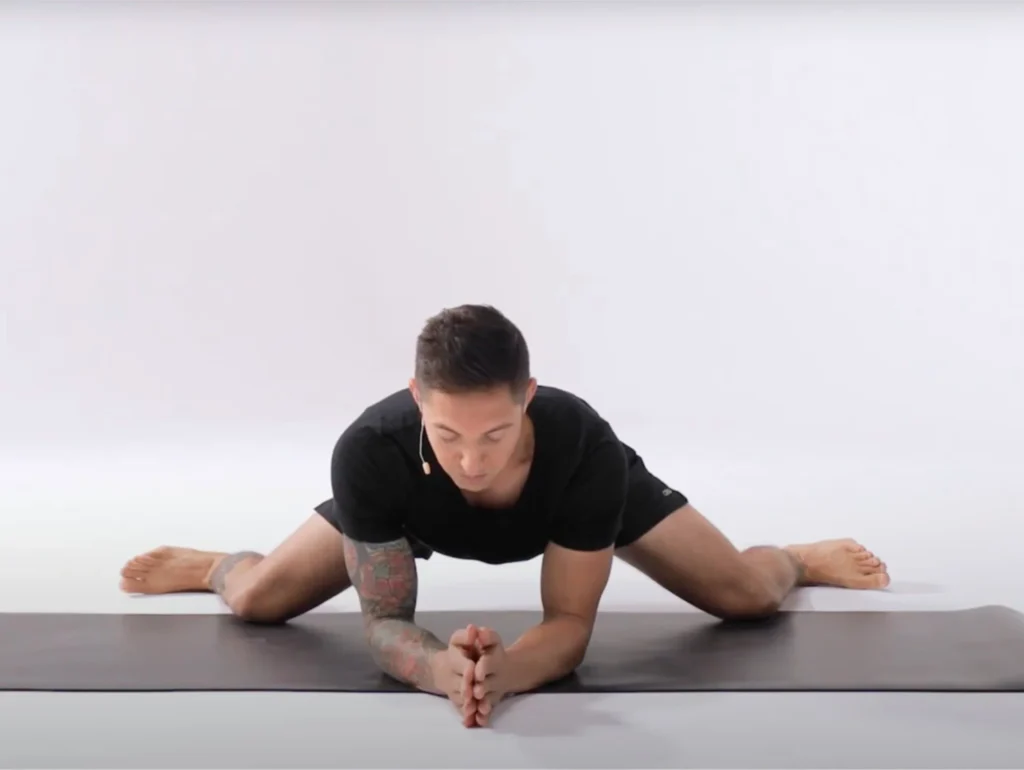
Frog Pose is a floor-based yoga posture that mimics the shape of a frog — wide knees, feet pointing outward, and hips settled low toward the ground. The pose exists in two main forms. The first, Mandukasana, is practiced on all fours with the knees spread wide. The second, Bhekasana, is a prone (face-down) backbend where the yogi reaches back to hold the feet and press them toward the floor beside the hips.
Both versions target similar muscle groups but create different sensations and suit different levels of practice. Mandukasana is generally more accessible for beginners and is a staple in Yin Yoga sequences, while Bhekasana carries more intensity and demands greater spinal mobility.
The word Manduka comes from Sanskrit and means frog. In Indian culture, the frog is a symbol of fertility, luck, and heightened consciousness — qualities that align beautifully with what a regular Frog Pose practice can cultivate in the body and mind.
Top Frog Pose Benefits You Should Know
There is a reason Frog Pose appears across so many yoga traditions, from Hatha to Yin to therapeutic yoga. Its benefits span the physical, physiological, and emotional domains — making it one of the most well-rounded asanas in the practice.
1. Deep Hip Opening
One of the standout Frog Pose benefits is its ability to create a profound stretch through the hip flexors, adductors, and groin. For people who sit for prolonged periods, the hip joints gradually tighten and shorten the surrounding musculature. Frog Pose works directly against this pattern by encouraging the hips to widen and release outward in a way that most daily movement simply does not allow. If you enjoy other Hip Openers, you will recognize the same quality of deep release that this pose delivers.
2. Improved Flexibility in the Inner Thighs and Groin
The inner thighs — also called the adductors — are a notoriously tight area for many people, especially athletes and office workers. Frog Pose places a gentle but firm stretch on the groin and inner legs, gradually lengthening these muscles over time. Consistency is key here. Holding the pose for one to two minutes several times a week can bring meaningful improvements in overall lower body flexibility within a few weeks.
3. Lower Back Relief
Tight hips and a compressed lumbar spine often go hand in hand. By creating space in the hip joints and releasing the hip flexors, Frog Pose indirectly helps lengthen and decompress the lower back. This makes it a popular recommendation for those managing mild lower back discomfort or recovering from long periods of sedentary activity.
4. Better Digestion and Organ Health
The gentle compression that occurs in the abdominal region during Mandukasana stimulates the digestive organs — including the stomach, intestines, and liver. Combining this physical compression with slow, diaphragmatic breathing further enhances the massage effect on the internal organs. Many practitioners report improved digestion and a reduction in bloating with regular Frog Pose practice.
5. Stress Relief and Emotional Release
The hips are often called the body’s emotional storage centre in yogic philosophy. Deep hip-opening postures like Frog Pose are widely observed to release stored tension and, for some, even provoke emotional responses like unexpected sadness or a sense of relief. This is especially true when the pose is held for longer durations, as is common in Yin Yoga. The stillness of the pose, paired with focused breathing, creates a meditative space where mental stress naturally begins to unwind.
6. Strengthened Core and Pelvic Floor
To remain stable in Frog Pose without collapsing the lower back, the core muscles must engage. This subtle but consistent activation strengthens the abdominal muscles and supports pelvic floor health over time. For women in particular, regular practice can contribute to improved pelvic stability and muscular tone.
7. Improved Posture and Spinal Alignment
Chronic hip tightness pulls the pelvis out of neutral alignment, which causes a domino effect up the spine — leading to rounded shoulders, a forward head posture, and general stiffness. Regularly practicing Frog Pose helps restore better hip positioning, which in turn supports healthier spinal alignment from the base upward.
8. Enhanced Blood Circulation
The wide-legged position of the pose encourages blood flow to the lower pelvis and inner legs — areas that can become congested with long periods of sitting. Improved circulation in this region supports reproductive health, reduces puffiness in the legs, and contributes to overall vitality.
How to Do Frog Pose: Step-by-Step Instructions
Preparatory Poses
Before moving into Frog Pose, spend a few minutes warming up with the following:
- Cat-Cow stretches — mobilises the spine and warms the lower back
- Child’s Pose — opens the hips gently and centres the breath
- Low Lunge (Anjaneyasana) — stretches the hip flexors in preparation for deeper opening
Mandukasana (Classic Floor Version) — Step by Step
- Begin in a tabletop position — hands under shoulders, knees under hips.
- Slowly walk your knees apart until you feel a comfortable stretch in the inner thighs. Your feet should point outward in line with your knees.
- Lower your forearms to the ground or rest on yoga blocks for support.
- Align your ankles directly behind your knees, creating roughly a 90-degree angle between your thighs and calves.
- Gently press your hips back and down toward the floor. Keep your spine long and avoid rounding through the lower back.
- Breathe slowly and deeply. Allow the weight of gravity to deepen the stretch with each exhale.
- Hold for 30 seconds to 2 minutes depending on your comfort and experience level.
- To exit, walk your knees gently back together and rest in Child’s Pose.
Bhekasana (Prone Backbend Version) — Step by Step
- Lie flat on your stomach with your legs extended behind you.
- Bend your right knee, reach back with your right hand, and grasp your right foot.
- Inhale and lift your chest off the mat, opening through the chest as in Cobra Pose.
- As you lift, rotate your elbow upward so it points toward the ceiling, and press your foot toward the ground beside your hip.
- Hold for a few steady breaths, then release and repeat on the left side.
- Once comfortable on each side individually, practise both legs simultaneously in the full Bhekasana.
Breath Awareness in Frog Pose
Breath is the anchor of this pose. Inhale to create length through the spine before you settle deeper. Exhale to soften and release tension. Never hold your breath — it will create muscular resistance and prevent the hips from opening fully.
Frog Pose Variations for Every Level
Beginner: Supported Frog Pose
Place a folded blanket or cushion beneath your pelvis for extra support. Use yoga blocks under your forearms to reduce the depth of the stretch. Focus on breathing deeply rather than pushing for maximum range of motion.
Intermediate: Ardha Bhekasana (Half Frog Pose)
Begin in Sphinx Pose. Bend one knee and reach back to grasp the foot with the same-side hand. Gently press the foot toward the floor beside your hip while keeping the elbow pointing upward. This is an excellent preparatory pose for full Bhekasana and a great complement to Pigeon Pose in a hip-focused sequence.
Advanced: Gherandasana I (Sage Gheranda’s Pose)
From Sphinx Pose, bend both knees and grasp both feet. Lift one knee off the mat while pressing the opposite foot down, then explore extending one arm while holding the other foot upward. This advanced variation demands considerable spinal flexibility and shoulder mobility.
Yin Style: Extended Hold
In Yin Yoga, Frog Pose is held passively for three to five minutes, allowing the connective tissue — fascia and ligaments — to gradually release. Use props generously and surrender the effort of muscular holding. This is where the deepest emotional and physical release tends to occur.
Safe Practice: When to Modify or Avoid Frog Pose
Frog Pose is accessible for most practitioners, but a few conditions require extra caution or avoidance:
- Knee pain or injury — use a folded blanket beneath the knees for cushioning
- Hip arthritis — consult your doctor before practising deep hip openers
- Chronic lower back pain — avoid the backbend version and focus on the gentler tabletop variation
- Pregnancy — skip Bhekasana and approach Mandukasana only with medical guidance
- Recent abdominal or spinal surgery — avoid until fully cleared by a healthcare provider
Listen closely to your body. A comfortable, sustainable stretch is always the goal — not pain or strain.
How to Integrate Frog Pose into Your Yoga Practice
Frog Pose works beautifully as part of any Hip Openers sequence. Pair it with Pigeon Pose, Butterfly Pose, and Low Lunge to create a complete hip-releasing flow. It is also an excellent counterpose after long runs, cycling sessions, or any activity that loads the hip flexors heavily.
For those drawn to restorative practice, Frog Pose fits naturally into Yin Yoga and restorative sequences alongside Balance Poses to create a well-rounded, full-body session.
After holding Frog Pose, always follow with a gentle counterpose such as Child’s Pose, Crocodile Pose (Makarasana), or a simple prone relaxation to allow the spine and hips to return to a neutral position.
Practical Tips for Getting the Most from Frog Pose
- Warm up first — cold muscles resist stretching; spend at least five minutes moving the body before settling in
- Use props freely — blocks, blankets, and bolsters are tools of wisdom, not weakness
- Go slow — gradual deepening over several breaths is safer and more effective than forcing depth immediately
- Stay consistent — hip opening is a long game; two to three sessions a week will produce visible results within a month
- Combine with breathwork — slow, belly-focused breathing dramatically increases the quality and depth of release
Frequently Asked Questions About Frog Pose
Yes, with modifications. Beginners should start with the tabletop version (Mandukasana) using props for support, rather than attempting the more demanding Bhekasana backbend. Focus on comfort over depth and build gradually.
Beginners can aim for 30 seconds to one minute. Intermediate practitioners can work toward one to two minutes. In a Yin Yoga context, three to five minutes is common. Always exit the pose if you experience sharp pain.
For many people, yes — releasing tight hip flexors reduces the pull on the lumbar spine and eases lower back tension. However, if you have a diagnosed back condition, consult your healthcare provider before practising.
Both are powerful Hip Openers but they target different areas. Pigeon Pose focuses more on the external rotators and piriformis of one hip at a time, while Frog Pose works both inner thighs and groin muscles simultaneously in a symmetrical stretch.
Mandukasana is the tabletop version — knees spread wide on all fours or on the forearms. Bhekasana is the prone (face-down) backbend version where the feet are held and pressed toward the ground. Both are called Frog Pose in English, but they feel and function quite differently.
Conclusion
Frog Pose is far more than a hip stretch. When practised consistently and mindfully, it becomes a gateway to greater physical freedom, improved organ function, and genuine emotional release. Whether you come to it through a dynamic Hatha class, a slow Yin Yoga session, or a solo home practice, the benefits accumulate meaningfully over time.
Start where you are, use props without hesitation, and let your breath lead the way. Explore related practices like Pigeon Pose, Balance Poses, and a full Hip Openers sequence to build a complete, body-loving yoga routine.
Have you tried Frog Pose? Share your experience in the comments below, and explore our related articles to keep your practice growing!