
The Anahata Chakra, commonly known as the heart chakra, serves as the energetic center of love, compassion, and emotional balance in your body. Located at the center of your chest, this powerful energy wheel bridges the physical and spiritual realms, connecting the lower three chakras with the upper three.
Understanding and balancing your heart chakra can transform your relationships, deepen your capacity for love, and restore emotional harmony in your life. Whether you’re experiencing feelings of isolation, struggling with forgiveness, or simply seeking to cultivate more compassion, working with your Anahata Chakra offers a pathway to profound healing.
What Is the Anahata Chakra?
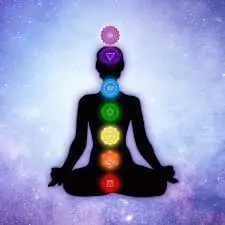
Among the 7 Chakras in the human energy system, the Anahata Chakra holds a unique position as the fourth primary energy center. This vital chakra acts as a bridge connecting the material concerns of the lower chakras with the spiritual awareness of the upper energy centers.
The Sanskrit word “Anahata” translates to “unstruck” or “unbeaten,” referring to a sound produced without physical contact. This poetic name captures the essence of pure, unconditional love that flows freely without conditions or expectations.
Located near your physical heart, the Anahata Chakra governs your ability to give and receive love, practice forgiveness, and maintain emotional equilibrium. When functioning optimally, this energy center radiates warmth, kindness, and genuine compassion toward yourself and others.
The Meaning and Symbolism of the Heart Chakra
Ancient Origins
The concept of Anahata comes from ancient Hindu and Buddhist traditions, dating back thousands of years. Yogis and spiritual practitioners recognized this energy center as the seat of the soul, where divine love manifests in human form.
The Heart Chakra Symbol
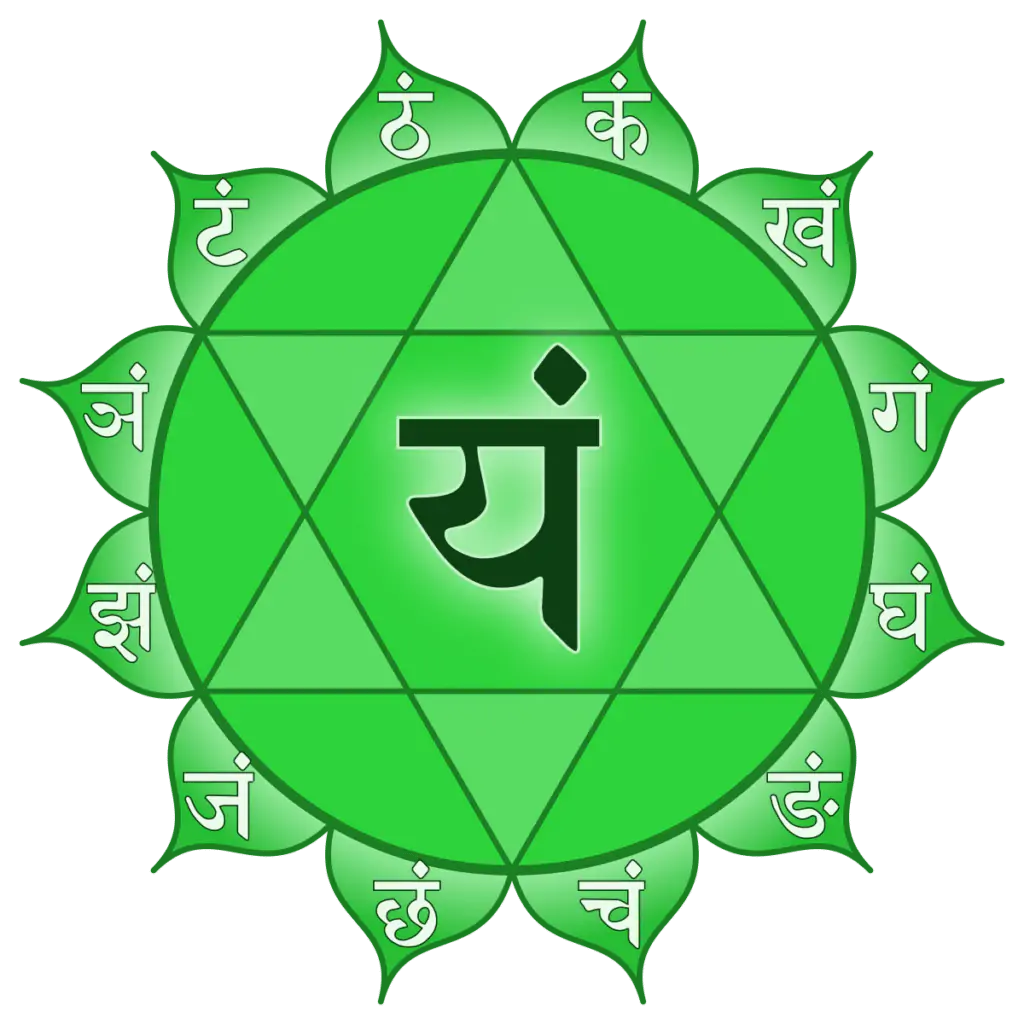
The traditional symbol for Anahata features a twelve-petaled lotus flower containing two intersecting triangles that form a six-pointed star, known as the Shatkona. Each element carries deep meaning:
- Twelve petals: Represent divine qualities including love, peace, harmony, understanding, empathy, clarity, purity, compassion, kindness, and forgiveness
- Upward-pointing triangle: Symbolizes Purusha (masculine energy and consciousness)
- Downward-pointing triangle: Represents Prakriti (feminine energy and matter)
- Green color: Reflects healing energy, growth, and renewal
Seed mantra “YAM”: The primordial sound associated with this chakra
Location and Physical Connections
The heart chakra resides in the center of your chest, aligned with your physical heart and positioned along the central energy channel of your spine. This strategic location places it between the Solar Plexus chakra below and the throat chakra above.
Associated Physical Systems
The Anahata Chakra influences several vital bodily systems:
- Heart and cardiovascular system
- Lungs and respiratory function
- Thymus gland (immune system regulation)
- Chest, shoulders, and upper back
- Arms and hands
- Circulatory system
When your heart chakra maintains balance, these physical systems often function more smoothly. Conversely, imbalances in Anahata may manifest as physical symptoms in these areas.
The Element and Energy of Anahata
Air Element
The heart chakra corresponds to the air element (Vayu in Sanskrit). Just as air moves freely in all directions, the energy of Anahata flows outward to others and inward for self-care. This element represents:
- Freedom and movement
- Breath and life force
- Freshness and renewal
- Lightness and expansion
Regular breathwork practices help refresh this air element, maintaining the vitality of your heart chakra.
The Color Green
Green serves as the primary color of the Anahata Chakra, though some traditions also associate it with pink. The soothing green hue represents:
- Nature and natural healing
- Growth and new beginnings
- Balance and harmony
- Renewal and rejuvenation
- Compassion and tenderness
This color emerges from the interplay between the yellow fire element from the Solar Plexus below and the blue sky element from the throat chakra above.
Signs of a Balanced Heart Chakra
When your Anahata Chakra functions harmoniously, you experience numerous positive qualities in your emotional and spiritual life:
Emotional Indicators
- Experiencing unconditional love for yourself and others
- Maintaining healthy boundaries in Relationships in Yoga
- Feeling genuinely content and at peace
- Expressing empathy naturally and effortlessly
- Trusting others while maintaining healthy discernment
- Embracing vulnerability without fear
- Practicing forgiveness with ease
Behavioral Signs
- Forming deep, meaningful connections
- Showing compassion without becoming depleted
- Accepting yourself fully, including your imperfections
- Experiencing joy in serving others
- Maintaining emotional balance during challenges
- Giving and receiving love freely
Symptoms of a Blocked Heart Chakra
Understanding the signs of an imbalanced or blocked Anahata Chakra empowers you to take corrective action before issues become deeply rooted.
Emotional and Mental Symptoms
A blocked heart chakra may manifest through various emotional challenges:
- Difficulty trusting others or forming close relationships
- Fear of rejection or abandonment
- Holding grudges and struggling with forgiveness
- Feeling emotionally numb or disconnected
- Experiencing loneliness even when surrounded by people
- Jealousy and possessiveness in relationships
- Codependency or emotional detachment
- Grief that feels overwhelming or unprocessed
- Lack of empathy for others
- Inability to love yourself
Physical Manifestations
- Heart palpitations or irregular heartbeat
- High or low blood pressure
- Respiratory issues like asthma or shortness of breath
- Chest pain or tightness
- Poor circulation
- Weakened immune system
- Tension in shoulders and upper back
- Chronic fatigue
These physical symptoms should always be evaluated by a healthcare professional, as addressing the energetic blockage complements but doesn’t replace medical care.
How to Open and Balance Your Heart Chakra
Healing your Anahata Chakra involves multiple approaches that work together to restore balance and harmony. The following practices can help you open your heart center and cultivate greater love and compassion.
Heart Chakra Meditation
Meditation provides one of the most powerful tools for healing the heart chakra. Regular practice helps clear energetic blockages and restore the natural flow of loving energy.
Basic Heart Chakra Meditation Practice
- Find a comfortable seated position in a quiet space
- Close your eyes and take several deep breaths
- Place your hands over your heart center
- Visualize a glowing green or pink light at the center of your chest
- With each breath, see this light expanding and brightening
- Chant the seed mantra “YAM” (pronounced “yum” or “yan-gm”)
- Feel the vibrations in your chest as you chant
- Continue for 10-20 minutes, focusing on feelings of love and compassion
Practice this Meditation daily for best results, ideally in the morning to set a loving tone for your day.
Healing Affirmations for the Heart Chakra
Positive affirmations reprogram limiting beliefs and open your heart to love. Repeat these statements daily, either during meditation or throughout your day:
- “I am worthy of love and belonging”
- “My heart is open to giving and receiving love”
- “I forgive myself and others completely”
- “Love flows freely through me”
- “I am connected to all beings through compassion”
- “I release past hurt and embrace the present”
- “My heart heals and grows stronger each day”
- “I attract loving Relationships in Yoga into my life”
- “Compassion guides my thoughts and actions”
- “I am enough exactly as I am”
Pranayama Breathing Exercises
Since the heart chakra corresponds to the air element, breathing exercises (pranayama) directly influence its balance and vitality.
Anulom Vilom (Alternate Nostril Breathing)
This practice balances both hemispheres of the brain while harmonizing the heart chakra:
- Sit comfortably with your spine straight
- Use your right thumb to close your right nostril
- Inhale slowly through your left nostril
- Close your left nostril with your ring finger
- Release your right nostril and exhale
- Inhale through the right nostril
- Close the right nostril and exhale through the left
- Continue for 5-10 minutes
Heart-Centered Breathing
This simple yet effective technique focuses energy directly on your heart center:
- Place both hands over your heart
- Breathe slowly and deeply
- Imagine breathing directly into your heart space
- Feel your chest expand with each inhalation
- Release tension with each exhalation
- Continue for several minutes
Yoga Poses for the Heart Chakra
Specific yoga postures open the chest and stimulate energy flow through the Anahata Chakra. Incorporate these poses into your practice:
Camel Pose (Ustrasana)
This deep backbend creates expansive opening in the chest:
- Kneel with your knees hip-width apart
- Place hands on your lower back for support
- Lift your chest toward the sky
- Arch back gradually, reaching for your heels if comfortable
- Breathe deeply, allowing your heart to open
- Hold for 30 seconds to 1 minute
Cobra Pose (Bhujangasana)
A gentler heart opener suitable for beginners:
- Lie face down with hands under your shoulders
- Press into your hands and lift your chest
- Keep your hips on the ground
- Draw your shoulders back and down
- Gaze upward, opening through your throat
- Hold for 5-10 breaths
Bridge Pose (Setu Bandhasana)
This accessible inversion brings fresh energy to the heart:
- Lie on your back with knees bent, feet flat
- Press into your feet and lift your hips
- Interlace your hands beneath you
- Roll your shoulders under
- Lift your chest toward your chin
- Hold for 30 seconds to 1 minute
Fish Pose (Matsyasana)
Creates a powerful stretch through the entire chest:
- Lie on your back with legs extended
- Place hands under your hips, palms down
- Press into your elbows and lift your chest
- Arch back until the crown of your head touches the floor
- Breathe deeply into your chest
- Hold for several breaths
Crystals and Stones for Heart Chakra Healing
Certain gemstones resonate with the frequency of the heart chakra, amplifying healing energy:
- Rose Quartz: The stone of unconditional love and self-acceptance
- Green Aventurine: Promotes emotional healing and releases negativity
- Jade: Attracts love and cultivates wisdom
- Emerald: Enhances compassion and opens the heart
- Malachite: Clears emotional blockages and old traumas
- Rhodonite: Balances emotions and heals relationship wounds
Use these stones during Meditation, carry them with you, or place them over your heart center while resting.
Heart-Healing Foods
Nourish your Anahata Chakra through diet by incorporating:
Green foods (aligned with the chakra’s color):
- Leafy greens like kale, spinach, and chard
- Green vegetables including broccoli, cucumber, and zucchini
- Green fruits like apples, kiwi, and avocado
- Green tea and matcha
Heart-healthy foods:
- Foods rich in healthy fats (nuts, seeds, olive oil)
- Fresh herbs like basil and cilantro
- Warming, slightly oily foods that balance the air element
Essential Oils for Anahata
Aromatherapy supports heart chakra healing through these essential oils:
- Rose: Opens the heart to love
- Lavender: Soothes emotional wounds
- Bergamot: Uplifts and releases grief
- Eucalyptus: Clears respiratory pathways and emotional blockages
- Ylang-ylang: Promotes joy and emotional balance
Diffuse these oils during Meditation or apply diluted versions to your chest area.
The Heart Chakra and Relationships
Your Anahata Chakra significantly influences all your Relationships in Yoga and daily life. When balanced, you can:
- Set healthy boundaries without building walls
- Express love authentically
- Receive love graciously
- Navigate conflicts with compassion
- Release relationships that no longer serve you
- Attract people who resonate with your vibration
- Maintain independence while staying connected
A blocked heart chakra, conversely, may lead to codependent patterns, fear of intimacy, or isolating behavior.
Connecting the Chakras: Heart as the Bridge
The Anahata Chakra’s position in the middle of the 7 Chakras system makes it uniquely important. It integrates energies from:
Lower Chakras (Material World)
- Root chakra: Physical security and survival
- Sacral chakra: Emotions and creativity
- Solar Plexus: Personal power and will
Upper Chakras (Spiritual Realm)
- Throat chakra: Communication and truth
- Third eye: Intuition and wisdom
- Crown: Spiritual connection and enlightenment
This bridging function means that blockages in the heart chakra can affect the entire energy system. Conversely, healing Anahata often creates positive ripple effects throughout all chakras.
Daily Practices for Maintaining Heart Chakra Balance
Incorporate these simple practices into your routine to keep your heart chakra healthy:
Morning Rituals
- Begin with three minutes of heart-centered breathing
- Recite heart chakra affirmations
- Set an intention to lead with love today
Throughout the Day
- Practice random acts of kindness
- Notice beauty in your surroundings
- Express gratitude for three things
- Place your hand on your heart when feeling stressed
Evening Practices
- Journal about moments of connection
- Forgive yourself for any perceived failures
- Send loving thoughts to those who challenged you
Practice loving-kindness Meditation before sleep
When to Seek Additional Support
While self-healing practices prove effective for many, sometimes additional support enhances your healing journey:
- If emotional pain feels overwhelming or persistent
- When physical symptoms accompany emotional challenges
- If trauma from past relationships continues affecting your present
- When you struggle to practice techniques consistently alone
Consider working with:
- Energy healers specializing in chakra work
- Therapists trained in somatic practices
- Yoga instructors experienced in chakra healing
Meditation teachers who can guide your practice
The Spiritual Dimension of Anahata
Beyond emotional healing, the heart chakra opens doorways to profound spiritual experiences:
Unconditional Love
When fully activated, Anahata allows you to experience divine, unconditional love that extends equally to all beings. This spiritual love transcends personal preferences and attachments.
Connection to the Divine
Many spiritual traditions recognize the heart as the dwelling place of the soul. Opening this chakra can deepen your sense of connection to something greater than yourself, whether you call it God, Source, Universe, or simply Life.
Transcending Duality
The heart chakra helps you move beyond binary thinking (good/bad, right/wrong) into a more nuanced understanding that embraces paradox and complexity.
Heart Chakra and the Concept of Anahata Nad
Traditional teachings describe “Anahata Nad” or “unstruck sound” – a celestial vibration that can be heard when consciousness becomes refined through spiritual practice. This mystical sound represents:
- The primordial vibration of creation
- The sound of the universe itself
- A bridge to higher states of consciousness
- Direct experience of spiritual reality
Advanced practitioners report hearing this inner sound during deep Meditation when the heart chakra opens fully.
Balancing Giving and Receiving
One of the most important lessons of the heart chakra involves balancing the flow of love in both directions. Many people excel at giving but struggle with receiving, or vice versa.
Signs of Imbalanced Giving
- Feeling depleted or resentful after helping others
- Difficulty saying no to requests
- Neglecting your own needs
- Seeking validation through service
Signs of Imbalanced Receiving
- Discomfort when others offer help
- Difficulty accepting compliments
- Feeling unworthy of love
- Always needing to reciprocate immediately
True heart chakra balance allows energy to flow freely in both directions, creating sustainable Relationships in Yoga and life patterns.
Cultural Perspectives on the Heart Center
While the chakra system originates in Hindu and Buddhist traditions, cultures worldwide recognize the heart as the center of love and emotion:
- Chinese medicine: Views the heart as housing the Shen (spirit)
- Sufi tradition: Describes three energy centers in the chest (Qalb, Ruh, and Sirr)
- Christian mysticism: Focuses on the Sacred Heart
- Ancient Egypt: Believed the heart held one’s character and would be weighed in the afterlife
These diverse perspectives all acknowledge the profound importance of the heart center in human experience.
Advanced Heart Chakra Practices
Once you’ve established foundational practices, these advanced techniques can deepen your work:
Loving-Kindness Meditation (Metta)
This Buddhist practice systematically extends compassion to all beings:
- Begin by directing loving wishes toward yourself
- Expand to someone you love easily
- Include a neutral person
- Extend to someone with whom you have difficulty
- Finally, include all beings everywhere
Heart Chakra Visualization
Create detailed visualizations of your heart chakra:
- See it as a spinning wheel of green light
- Visualize any blockages as dark spots dissolving
- Imagine roots growing from your heart connecting you to all beings
- Picture your heart radiating light in all directions
Working with the Minor Chakra
Below the Anahata lies a minor chakra called Hrit or Hridaya, with eight petals. Advanced practitioners work with this subtle energy center for manifestation and emotional refinement.
Common Misconceptions About the Heart Chakra
Myth 1: An Open Heart Chakra Means Never Setting Boundaries
Reality: Healthy boundaries actually indicate balanced heart chakra function. True compassion includes protecting your energy.
Myth 2: You Should Always Feel Loving
Reality: All emotions have their place. A balanced heart chakra allows you to feel the full spectrum of emotions while maintaining equanimity.
Myth 3: Heart Chakra Work Is Only for Relationships
Reality: While relationships reflect heart chakra health, this energy center influences your entire life, including your relationship with yourself and your life purpose.
Myth 4: Opening Your Heart Makes You Vulnerable to Hurt
Reality: An open heart coupled with wisdom actually provides resilience. It’s closed hearts that create suffering through isolation and rigidity.
Integrating Heart Chakra Wisdom into Daily Life
The ultimate goal of heart chakra work extends beyond formal practice into how you live each moment:
At Work
- Bring compassion to challenging interactions
- Set boundaries while maintaining kindness
- Find meaning beyond just earning money
- Build authentic connections with colleagues
At Home
- Create a peaceful, loving environment
- Practice forgiveness with family members
- Express appreciation regularly
- Make time for activities that open your heart
In Community
- Volunteer or contribute to causes you care about
- Build connections beyond your immediate circle
- Practice seeing the humanity in everyone
- Contribute to collective healing
The Journey of Heart Healing
Healing your heart chakra isn’t a destination but an ongoing journey. Some days your heart will feel wide open, radiating love freely. Other days you may feel closed and protected. Both states carry wisdom.
The key lies in approaching yourself with the same compassion you’re learning to extend to others. Each time you choose love over fear, forgiveness over resentment, or connection over isolation, you strengthen your heart chakra.
Remember that everyone carries heart wounds. The person who cut you off in traffic, the colleague who seems cold, the family member who disappointed you – all are navigating their own heart healing. This understanding itself becomes a practice of Anahata.
Frequently Asked Questions About the Heart Chakra
Healing timelines vary greatly depending on the depth of blockage and consistency of practice. Some people notice shifts within weeks, while deeper healing may unfold over months or years. The key is regular practice and patience with yourself.
Absolutely. In fact, challenging relationships often catalyze the most profound heart chakra healing. Your practice helps you respond with greater wisdom and compassion while maintaining healthy boundaries.
Yes. An overactive heart chakra may manifest as codependency, difficulty setting boundaries, or giving excessively at your own expense. Balance is the goal, allowing love to flow without depleting yourself.
Yes. An overactive heart chakra may manifest as codependency, difficulty setting boundaries, or giving excessively at your own expense. Balance is the goal, allowing love to flow without depleting yourself.
While the chakra system operates on an energetic level, many practitioners observe connections between energetic and physical health. A balanced heart chakra may support overall cardiovascular wellness, though it doesn’t replace medical care.
Conclusion: Living from Your Heart Center
The Anahata Chakra invites you into a life centered on love, compassion, and authentic connection. By understanding this vital energy center and actively working to keep it balanced, you open yourself to deeper relationships, greater emotional freedom, and profound spiritual growth.
Your journey with the heart chakra will be uniquely yours. Some practices will resonate deeply while others may not suit your path. Trust your intuition as you explore these teachings, taking what serves you and leaving the rest.
Remember that healing your heart chakra doesn’t mean never experiencing pain or closing yourself off from hurt. Rather, it means developing the capacity to feel deeply while maintaining your center, to love fully while honoring your boundaries, and to stay open even when opening feels risky.
Start where you are. Perhaps you’ll begin with five minutes of heart-centered breathing each morning, or maybe you’ll explore working with rose quartz. Each small step strengthens your connection to this powerful energy center.
As you continue this work, you may notice shifts not only in yourself but in your relationships and circumstances. Love attracts more love. Compassion invites compassion. The heart you heal becomes a gift not just to yourself but to everyone whose life you touch.
May your heart chakra open fully, radiating the unconditional love that is your birthright. May you know yourself as worthy of love, capable of profound compassion, and connected to the vast web of existence through the beautiful, unstruck sound of Anahata.