Key Highlights
- Goa is a friendly place to begin yoga teacher training, especially if you want a calm beach setting and a welcoming yoga school.
- You can find a yoga teacher training course in South Goa or North Goa, with quieter beaches often preferred for yoga ttc in goa.
- Most beginner programs focus on practice, philosophy, anatomy, meditation, and teaching basics.
- A 200-hour course is the usual first step toward becoming a certified yoga teacher.
- Many schools include accommodation and vegetarian meals in the package.
- Good research helps you choose a safe, supportive, and well-reviewed yoga school.
Introduction
Thinking about joining yoga teacher training in Goa? You are not alone. For many beginners, Goa feels like an easy and inspiring place to start. It combines beach life, traditional learning, and a more relaxed entry into India. Whether you want to become a yoga teacher or simply deepen your understanding, the right yoga school can shape your whole experience. This guide walks you through what to expect, what to pack, how much it may cost, and how to choose wisely.
Why Choose Goa for Your Yoga Teacher Training Course (TTC)
Goa is one of the most appealing places in India for yoga teacher training because it mixes authentic traditional yoga learning with a softer landing for first-time visitors. You get beaches, tropical weather, and a setting that feels less overwhelming than some other parts of the country.
That balance matters. In South Goa, places like Agonda, Palolem, and Patnem are known for quieter yoga ttc in goa experiences. North Goa also has options, especially around Mandrem Beach and Arambol. If you are asking whether Goa is a good destination compared to other places in India, the answer is yes for many beginners.
The Unique Appeal of Goa for Yoga Enthusiasts
What makes Goa special? It offers a yoga retreat atmosphere without feeling cut off from comfort. Many students want more than a classroom. They want space to breathe, rest, and settle into a new routine. Goa gives you that.
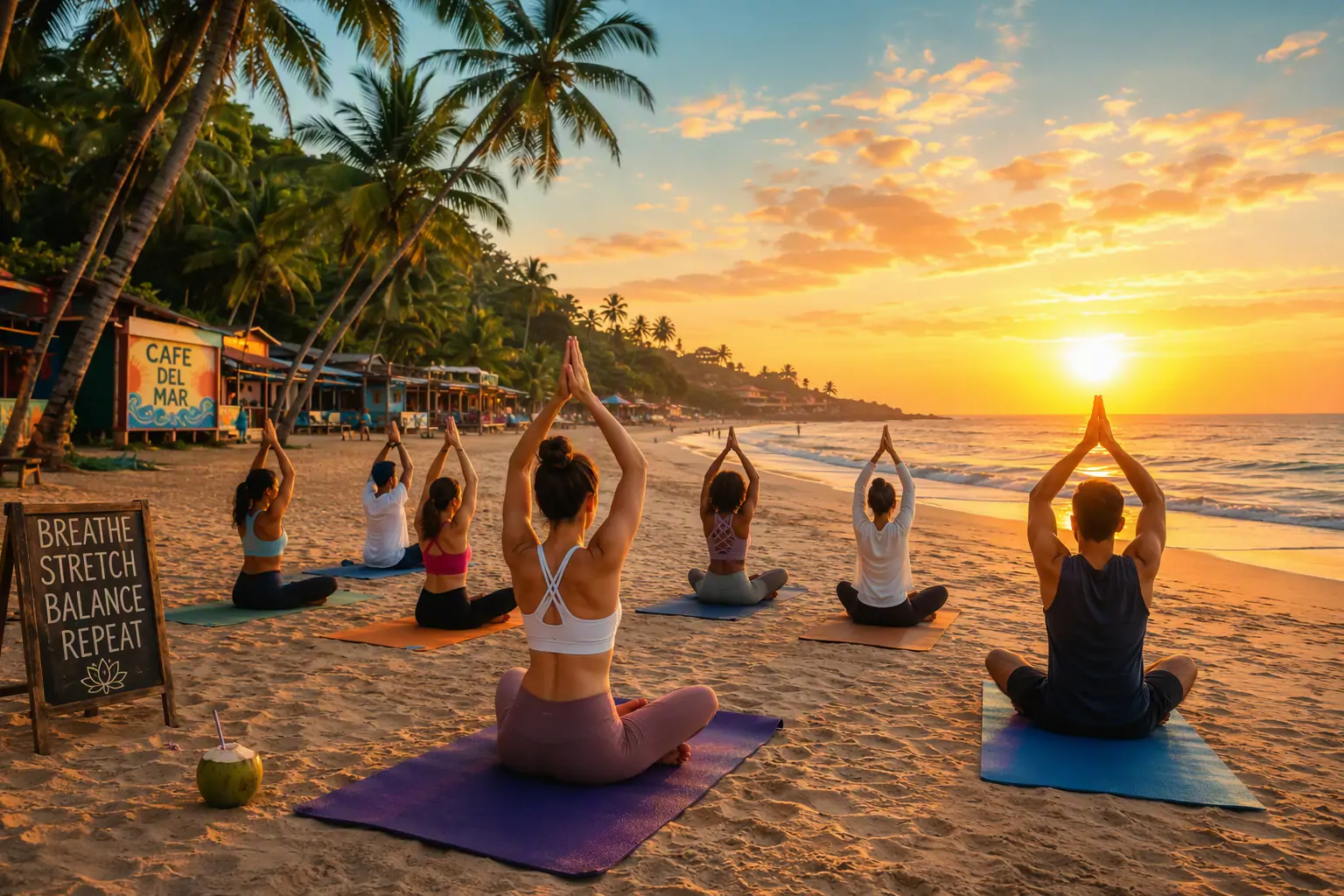
In places like Agonda, you may study near the Arabian Sea, stay on a beachside campus, and practice in open or sea-view shalas. A serene location can make a real difference when your days are full of movement, study, and self-reflection. Sampoorna Yoga, for example, highlights its peaceful campus just steps from the beach.
There is also a cultural side to Goa that feels distinct. Its blend of Indian and Portuguese influence, laid-back pace, and international student mix create an inviting setting for yoga practice. For many beginners, that combination makes starting feel less intimidating and more natural.
Goa vs. Other Popular Yoga Destinations in India
India has many yoga destinations, and each offers something different. Rishikesh is often seen as the yoga capital, but Goa stands out for students who want strong training in a coastal setting. If you love the beach as much as yoga, Goa can feel like the better fit.
A big advantage is range. You can train in quieter South Goa or look at calmer parts of North Goa such as Mandrem Beach. Instead of mountain views, you get sunsets over the Arabian Sea and a softer pace outside class hours.
- Goa is often easier for beginners who want a more relaxed first experience in India.
- It offers many yoga ttc in goa choices across styles, lengths, and budgets.
- The best yoga teacher training for you may be the one that combines good teaching with a location where you feel safe and focused.
Types of Yoga TTC Programs Available in Goa
One reason Goa is so popular is variety. You can find teacher training programs for different goals, schedules, and experience levels. Some are designed for complete beginners. Others are meant for students who already teach or have a strong personal practice.
Most yoga ttc in goa options fall into a few main groups: 200-hour foundational courses, 300-hour advanced courses, and shorter specialized trainings. Many schools also offer hybrid or online formats. To choose well, it helps to understand what each yoga teacher training school is trying to teach and who each course serves best.
200-Hour Yoga Teacher Training Courses
For most beginners, a 200 hour yoga teacher training is the starting point. This hour yoga teacher training builds the base you need in asana, breathing, meditation, anatomy, alignment, philosophy, and teaching methodology. It is also the most common format in Goa.
Many schools in Goa run these courses over about three to four weeks. They are intensive, with daily classes and usually one day off per week. Some schools teach multi-style programs, while others focus on Hatha, Ashtanga, or Vinyasa. A Yoga Alliance registered yoga teacher training course can also help you move toward recognized certification.
Compared with a 300-hour program, the 200-hour course is broader and more foundational. It is meant to help you understand the subject well enough to begin teaching or deepen your own practice. If you are new, this is usually the right first choice.
300-Hour and Advanced Yoga Teacher Training Courses
A 300 hour yoga teacher training in the United States is built for advanced practitioners or those who already completed a 200-hour course. It does not usually repeat the basics in the same way. Instead, it deepens your knowledge, your sequencing, and your confidence as a teacher.
In Goa, advanced training can include stronger focus on yoga philosophy, detailed alignment, more teaching practice, and refined study of breathwork or specific styles. Schools such as Sampoorna Yoga and Sarvaguna Yoga list 300-hour options for students ready to move further.
The main difference is purpose. A 200-hour training helps you build your foundation. A 300-hour training expands it. If you are still learning the basics of posture, anatomy, and class structure, start with the first level. If you already teach or have solid experience, an advanced track may suit you better.
Specialized Yoga Courses and Short-Term TTC Options
Not everyone can commit to a full month. Goa also has specialized and short-term options that let you focus on one area of study. These are useful if you want to sample training, add a skill, or build toward a longer course later.
Some schools offer shorter foundations such as 100-hour programs, while others provide focused study in meditation or restorative practices. Sampoorna Yoga lists online and hybrid options in pranayama, yoga nidra, and related subjects. Sarvaguna is also noted for a meditation teacher training program.
- Yin yoga courses can help you explore slower, longer-held postures.
- Yoga nidra training supports rest, guided relaxation, and nervous system awareness.
- Meditation teacher training is a strong option if you want to grow beyond movement-based yoga styles.
What to Expect from a Yoga TTC in Goa
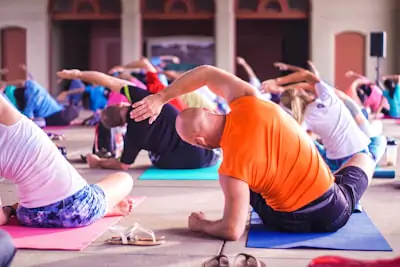
A yoga teacher training center in Goa is usually immersive. Your days will include movement, study, rest, and a lot of repetition. That is how progress happens. You will not just attend yoga classes. You will live inside a structured learning process for several weeks.
Expect your teacher training course to feel rewarding and demanding at the same time. Many students say the experience stretches them physically, mentally, emotionally, and spiritually. If you arrive with an open mind, steady effort, and realistic expectations, your yoga practice can change in a lasting way, making every single day count.
Typical Daily Schedule During a Yoga TTC in Goa
What does a normal day look like? In most hour yttc programs, you start early and stay engaged until late afternoon or evening. The structure is designed to balance physical work with theory and rest.
A common pattern includes morning meditation or pranayama, followed by asana practice. Later sessions often cover anatomy, teaching methods, alignment, or philosophy. Some schools add self-study, group discussion, or practice teaching. Yoga students usually have one day off each week.
- Early morning: meditation, breathwork, or silent sitting
- Morning to midday: asana practice, alignment, or traditional Hatha and Vinyasa work
- Afternoon: anatomy, philosophy, teaching practice, and review
This kind of rhythm can feel intense at first. Still, once your body adjusts, the routine often becomes one of the most valuable parts of the experience.
Curriculum Overview: Philosophy, Practice, and More
A good curriculum goes far beyond poses. In Goa, many programs include yoga philosophy, anatomy, alignment, pranayama, meditation, and teaching methodology alongside daily yoga practice. That mix helps you build a fuller understanding of yoga.
You may study Patanjali Yoga Sutra, history, classical ideas, and the relationship between body, breath, and mind. Some schools also cover Ayurveda, mindful living, and the business of teaching. Om Yoga Shala, for example, emphasizes philosophy, anatomy, and integrated learning where theory and practice support each other.
This matters because teaching is not only about demonstrating yoga classes. You need to understand why postures are taught, how to guide safely, and how yoga fits into daily life. For many students, this broader view becomes the most meaningful part of the course.
What You Need to Get Started as a Beginner
Starting as a beginner is possible in Goa. Many schools welcome students who want to deepen their yoga journey, not only those who already plan to teach. That is one reason yoga ttc in goa programs here appeal to so many first-time trainees.
You do not need to arrive as an expert. Still, you should come ready to learn, listen, and stay consistent. Some schools recommend a few months of regular practice before a yoga teacher training course, but many beginner-friendly options accept students with limited prior experience.

Essential Equipment and Packing List
Packing for yoga teacher training in Goa is easier when you keep it simple. You will want comfortable clothing, personal items, and a few basics for heat, beach weather, and long training days. Many schools provide meals, and some have mats or props, but it is smart to confirm in advance.
Since Goa is warm and tropical, light and loose clothes work best. The compiled guidance also notes that beachwear is fine on the beach, but practical and respectful clothing is best for everyday movement between your room, classes, and meals.
- Breathable clothes for yoga practice and downtime
- Essential equipment such as a reusable water bottle, notebook, and personal toiletries
- Beach-friendly basics like sandals, sun protection, and light layers
- Any personal snacks or supplements, though many programs include vegetarian meals
If your school includes accommodation and food, you can pack lighter than you think.
Prerequisites and Skill Level Requirements
Can you join without prior experience? In many cases, yes. Several Goa schools accept students from different backgrounds, especially in beginner 200-hour programs. The goal is often growth, not perfection.
That said, your skill level still matters in a practical way. If you have at least some personal practice, you may adapt more easily to the pace. One source recommends around six months of regular yoga before training for the best experience, though it also says many schools accept students with less.
A few courses are more demanding. Kranti Yoga, for instance, expects a regular practice and a basic understanding of the Ashtanga primary series for its main 200-hour course, while some others are more open to complete beginners. So yes, you can start in Goa, but choosing the right program is key.
Step-by-Step Guide to Joining a Yoga TTC in Goa
Joining a yoga ttc in goa becomes much easier when you break it into steps. Instead of trying to compare everything at once, focus on the basics: school style, course level, budget, reviews, and location. That gives you a clear starting point.
Once you shortlist a yoga school, look at accreditation, what is included, and whether the teaching style matches your goals. From there, your yoga teacher training course decision becomes more practical. The next sections walk you through each part so you can move forward with more confidence.
Step 1: Researching and Selecting the Right Yoga School
Your first job is research. Goa has many schools, and not all teacher training programs are equal. A beautiful website or strong search ranking does not guarantee a strong experience. You need to look deeper.
Start with the essentials. Is the yoga school clear about its curriculum, teachers, location, and student support? Does it seem beginner-friendly? Does it focus on the style you want? Small-batch schools may offer more individual attention, while larger schools may offer bigger facilities or broader communities.
Reviews can help a lot. Read what former students say about safety, teaching quality, and care from the staff. Look for comments about the best yoga teachers, not just the best rooms. Since yoga ttc in goa is a major investment, careful research is not optional. It is one of the smartest parts of the whole process.
Step 2: Understanding Course Accreditation and Certifications
Accreditation matters because it tells you whether a teacher training course meets a recognized standard. In Goa, many schools highlight Yoga Alliance registration. That is important if you want widely accepted certification after graduation.
When you complete a Yoga Alliance registered course, you typically receive a certificate from the school. If the school is properly registered and you meet the requirements, that certification may support your path toward becoming a registered yoga teacher. Several compiled sources state that such certificates are internationally recognized.
Still, read the details. Yoga Alliance USA is named in the source material, and some schools specifically describe their courses as Yoga Alliance certified or registered. If certification matters to you, confirm the exact status before paying your deposit. That small check can save you confusion later.
Step 3: Applying for Your Chosen Program
After choosing your school, the application step is usually simple. Most schools ask for basic personal details, your preferred dates, and a short note about your yoga experience. This helps them understand whether the program is a good match.
Take this part seriously. Be honest about your background, injuries, goals, and comfort level. If you are a beginner, say so. Some yoga programs are built exactly for that. Others expect stronger foundations, so clarity helps both you and the school.
- Fill out the application form fully and accurately
- Share your yoga experience, even if it is limited
- Ask questions about style, schedule, meals, and accommodation before confirming
A thoughtful application can also help you feel more prepared. It marks the point where the idea becomes real.
Step 4: Preparing Documentation and Travel Arrangements
Once accepted, shift your focus to documents and travel arrangements. Since Goa is in India, most international students need a visa before departure. The compiled information notes that many nationalities, including New Zealand, can apply online for an E-Visa, though rules vary by country.
Flights are usually easiest through Goa International Airport in Dabolim, or by connecting through major Indian cities such as Mumbai or Delhi. Some schools include airport pickup, which can remove stress when you first arrive. If not, prepaid government taxis are mentioned as a safer transport option.
As you organize travel, review your packing list too. Bring comfortable clothes, beach-friendly basics, and whatever supports your daily routine. Confirm whether your yoga school provides mats, toiletries, or laundry details. The more you prepare before leaving, the easier your first days will feel.
Step 5: Getting Ready for Your First Day
The first day often brings a mix of excitement and nerves. That is normal. You may be meeting new people, adjusting to heat, and stepping into a more disciplined routine than your usual life. Give yourself permission to settle in slowly.
A practical first step is to arrive with an open mind. Yoga training is not about performing perfectly from day one. It is about learning, absorbing feedback, and building trust in the process. Most schools begin by introducing the schedule, class expectations, and community guidelines.
Try to rest well the night before, eat lightly, and come to yoga classes ready to observe as much as you participate. If something feels unclear, ask. The students who gain the most from yoga teacher training are often the ones who stay curious, humble, and willing to grow.
Costs and Budgeting for Yoga Teacher Training in Goa
Cost is one of the biggest reasons students choose Goa. The compiled information describes India as one of the cheapest places in the world for yoga teacher training, and Goa offers many options across styles and comfort levels.
A typical yoga teacher training course in Goa can range from about $900 to $2,000, with the average 200-hour training course around $1,500. Many yoga ttc in goa packages include accommodation and meals, which makes budgeting easier. Affordable options do exist for beginners, especially if you are flexible about room type and extras.
Average Fees for Different Course Types
Prices vary by course length, school reputation, location, and what is included. Based on the compiled material, Goa offers a wide span of rates, with shorter or simpler setups often costing less and more complete packages costing more.
A 200-hour hour yoga teacher training course is the most common benchmark, and the source gives an average of about $1,500. Some schools also offer 100-hour, 300-hour, and 500-hour teacher training programs, though exact prices are not consistently listed in the compiled information.
| Course Type | Typical Cost Insight |
|---|---|
| 100-hour yoga ttc in goa | Usually lower than full certification courses; exact price varies by school |
| 200-hour yoga teacher training | Often around $900–$2,000 overall, with an average near $1,500 |
| 300-hour advanced training | Usually higher than a beginner course, depending on school and inclusions |
| 500-hour combined training | Likely the highest-priced option due to longer duration and broader curriculum |
This range gives you a realistic starting point for planning.
Affordable Options for Beginners
Yes, there are affordable options for beginners in Goa. The compiled information clearly says many schools offer authentic and budget-friendly training. You do not need luxury to get a meaningful experience. In fact, some lower-cost schools focus more on teaching than extra comforts.
Shiva Retreats is described as one of the cheapest choices because it prioritizes training and simplicity over creature comforts. Other yoga teacher training school options may also reduce costs through dorm rooms, simpler accommodation, or fewer added services.
- Choose shared accommodation instead of private rooms
- Look for packages that already include meals and airport pickup
- Focus on teaching quality and reviews rather than luxury features
If your main goal is a solid yoga ttc in goa, beginner-friendly and affordable choices are available.
Inclusions and Extra Expenses to Consider
Before booking, look at what your yoga school includes in the package. Many Goa programs cover accommodation and vegetarian meals, which removes two big expenses from your daily budget. Some schools also include airport transfers or occasional extras.
Still, not everything is always covered. You may need to budget for your flight, visa, insurance, laundry, local transport, snacks, massages, or outings on your day off. A few schools include excursions, but many do not. Read the yoga teacher training course details carefully.
- Included often: accommodation, daily classes, and vegetarian meals
- Sometimes included: airport pickup, massages, or local excursions
- Usually extra: flights, visa, insurance, personal spending, and transport outside the school
A clear budget helps you relax and focus once training begins.
Life During Your Yoga TTC in Goa: Accommodation, Food, and Community
Life during yoga teacher training is not just about class hours. Where you sleep, what you eat, and who you share the experience with all shape your month. In Goa, many schools design the program as a full living environment that incorporates a yogic lifestyle, not only a study schedule.
That means your accommodation, daily vegetarian meals, and the people around you become part of the learning. Many yoga students say the friendships and supportive communities they find at a yoga school are just as memorable as the formal lessons.
Typical Accommodation Options for Trainees
Accommodation in Goa varies from simple dorms to private beach huts and eco cottages. Most programs lean toward comfort over luxury, which fits the focused nature of yoga training. The key question is not whether it is fancy. It is whether it is clean, safe, and close to class.
Some schools are located on a beachside campus or just a short walk from the sea. Sampoorna Yoga, for instance, describes a retreat-style campus near Agonda Beach with sea-view shalas, a pool, and other facilities. Other schools keep things simpler and more rustic.
- Shared dorms for lower cost and easy connection with others
- Private or twin rooms for more rest and personal space
- Beach huts or eco cottages for a retreat-like feel
Choose the setup that supports your energy, budget, and need for quiet.
Food and Nutrition During Training
Food is a big part of the experience. Most Goa trainings include vegetarian meals, often served fresh each day. This makes practical sense because your body is working hard, and consistent meals help you stay steady through long training hours.
Many schools describe their food as nourishing, healthy, or sattvic. Some students also mention vegan adjustments being available, depending on the school. At Sampoorna Yoga, nourishing vegetarian meals are highlighted as one of the features students appreciate most.
This style of eating fits the wider spirit of mindful living that many programs encourage. During a yoga retreat or teacher training, food is often treated as support for yoga practice rather than entertainment. You may find that simpler meals help you feel lighter, more focused, and more in tune with the rhythm of the course.
Building Connections and Supportive Communities
One of the most powerful parts of a Goa training can be the people you meet. You arrive as strangers, but shared routines, early mornings, and honest effort can quickly build trust. That is why many students describe their training group as family by the end.
A strong yoga school often creates this through more than classes alone. Shared meals, beach walks, group discussions, and simple daily contact all help. Sampoorna Yoga talks about being a home away from home, and student stories repeatedly mention friendship, belonging, and support.
These supportive communities matter because yoga journey moments are not always easy. Some days you feel strong. Other days you feel tired, emotional, or unsure. Having other yoga students around who understand that process can make your training feel much more grounded and human.
Certification and Career Opportunities After Yoga TTC in Goa
When you finish yoga teacher training in Goa, you usually receive a school-issued certificate. If the course is registered with Yoga Alliance, that certificate can support your next step toward professional recognition, depending on the program and your registration path.
For many students, this means moving toward becoming a certified yoga teacher or registered yoga teacher. Others use the training for personal growth rather than work. Either way, the outcome of yoga training is not only a document. It is also the skills, confidence, and understanding you build through the course.
Yoga Alliance Certification Explained
Yoga Alliance is one of the most widely recognized names in modern yoga education. In the compiled material, many Goa schools emphasize that their courses are Yoga Alliance registered or certified. This matters if you want training that is recognized internationally.
Here is the simple version. You complete a registered teacher training course with an eligible school, receive your certificate, and then may use that as part of your application path to become a registered yoga teacher. Om Yoga Shala specifically notes Yoga Alliance USA in its course description, while other schools make similar claims about international acceptance.
It is still wise to verify details directly before enrolling. Terms like registered, certified, and approved are often used closely together. If your future teaching plans matter, confirm the exact Yoga Alliance status of the program and what your certificate will allow you to do after graduation.
Teaching and Non-Teaching Career Paths
Not everyone who finishes yoga teacher training becomes a full-time yoga teacher. Some do, and others use the experience in more personal or flexible ways. That is normal. A course can open doors without forcing one single outcome.
If you want to teach, your training helps build teaching skills, class structure awareness, cueing, alignment knowledge, and confidence. If you do not want to teach right away, you still gain a deeper personal practice and stronger understanding of the subject. Many students leave seeing yoga differently.
- Teach studio classes, beach classes, retreats, or small private sessions
- Use your training to support wellness, travel, or part-time work as a certified yoga instructor
- Apply the learning to your own lifestyle, mindful habits, and long-term personal growth
Both teaching and non-teaching career paths can grow from the same training foundation.
Tips for Making the Most of Your Goa Yoga TTC Experience
A Goa course can be deeply rewarding if you approach it with patience and curiosity. You do not need to chase perfection. You need to stay present, ask questions, and let the process work on you over time.
The best yoga experience usually comes from balancing effort with awareness. That means honoring your body, respecting the local setting, and seeing the course as more than physical training. A holistic approach helps you gain more from your yoga journey, both on and off the mat.
Adapting to the Local Culture and Environment
Goa may feel easier than other parts of India, but it still helps to adapt respectfully. The local culture is shaped by Indian traditions, beach life, and a multicultural history. You do not need to know everything before arriving, but basic awareness goes a long way.
South Goa usually feels calmer and more focused for yoga teacher training, while North Goa can be busier depending on the area. The compiled information suggests quieter beaches in both regions for serious study. That means your location choice should match the kind of environment you want.
- Dress practically and respectfully away from the beach
- Expect heat, humidity, and a slower local rhythm
- Stay open to Indian food, local customs, and a different daily pace
A little flexibility makes the whole stay smoother.
Self-Care and Wellness During Intensive Training
An intensive course can be powerful, but it also asks a lot from you. That is why self-care matters. You will be doing daily yoga practice, taking in new ideas, and adjusting to a new place. Rest is not laziness here. It is part of learning.
Keep your wellness simple. Sleep when you can, drink enough water, and avoid overloading your free time. You do not have to explore everything Goa offers while you are in training. Sometimes the best choice is to keep your energy for class and recovery.
- Use breaks for rest, journaling, or quiet beach walks
- Eat regularly and do not skip meals during yoga training
- Notice emotional shifts as part of personal growth, not a problem
When you care for yourself well, the course becomes easier to absorb.
Short-Term and Intensive Yoga Courses for Beginners
For beginners looking to dip their toes into yoga without a long-term commitment, short-term and intensive yoga courses in Goa present an ideal solution. These courses, often spanning from a few days to a couple of weeks, allow you to experience the essence of yoga teacher training in a condensed timeframe. Short-term options are excellent for those who want to test the waters before committing to a full 200-hour program or simply wish to immerse themselves in a focused learning environment. You’ll engage in daily asana practices alongside lessons in meditation, philosophy, and anatomy, tailored to suit newcomers. Schools like Kranti Yoga and Sampoorna Yoga offer specialized short courses that encourage personal exploration while providing foundational skills and knowledge. The beauty of these programs is the opportunity to connect with the vibrant yoga community in Goa, make lasting friendships, and return home inspired—ready to incorporate new practices into your daily life. So whether you’re on a vacation or seeking a transformative experience, a short-term intensive course can enhance your journey into the world of yoga.
Technical Workshops as Part of Yoga TTC
Technical workshops are an integral part of the yoga teacher training experience in Goa, enriching your learning and providing essential tools to advance your practice. These workshops often cover specialized topics such as anatomy, alignment, sequencing, and mindfulness techniques that go beyond traditional asana practice. By participating in these focused sessions, you gain a deeper understanding of how the body moves and how to adjust poses safely for yourself and future students. Schools like Sampoorna Yoga and Kranti Yoga frequently emphasize the importance of these workshops, allowing trainees to explore variations, refine their skills, and bridge the gap between theory and practice. You might also find workshops on teaching methodology, which can enhance your confidence as an instructor and strengthen your ability to communicate effectively in the classroom. Engaging actively in these settings not only deepens your knowledge but also fosters a collaborative environment where you can share insights and learn from peers—an invaluable opportunity to solidify your journey within the wider context of yoga education.
Safety and Security Considerations During Yoga TTC
Safety and security are paramount when embarking on a yoga teacher training course in Goa, especially for first-time travelers. It’s essential to choose a yoga school that prioritizes the well-being of its students, ensuring safe and secure accommodations, reliable transportation, and qualified instructors. Many schools offer guidance on health protocols, emergency contacts, and safety measures in the local environment. Additionally, be mindful of your personal belongings; using a lock for your accommodation and keeping valuables secure can reduce risks. Engaging with other students and fostering a sense of community can further enhance your sense of safety, as shared experiences often lead to stronger support networks. Lastly, familiarize yourself with the local area, cultural norms, and health services available, which not only boosts your security but also enriches your overall experience during your training. By taking these precautions, you can immerse yourself fully in your yoga journey with peace of mind.
Family-Like Environment and Community Experience
A significant aspect of yoga teacher training in Goa is the nurturing, family-like environment fostered within the yoga communities. Many schools deliberately cultivate a sense of belonging among students, emphasizing shared experiences that go beyond the classroom. From group meals to collaborative practice sessions, the connections formed during training often resemble those of a supportive family. This camaraderie not only enhances the learning experience but also creates an atmosphere of safety and trust, allowing trainees to openly express themselves and learn at their own pace. Schools like Sampoorna Yoga are praised for their inclusive culture, where students from diverse backgrounds come together, share their stories, and support one another through the ups and downs of this transformative journey. By immersing yourself in this close-knit community, you not only expand your yoga knowledge but also build lifelong friendships that can enrich both your personal and professional life as you transition into a yoga teacher.
Reputation and Reviews of Yoga Schools
The reputation and reviews of yoga schools in Goa play a crucial role in guiding new students toward choosing the right training program. Given the increasing popularity of yoga teacher training, many schools boast impressive online presences and appealing marketing materials. However, it’s vital to look beyond the surface. Credible reviews from former students often illuminate the true quality of the teaching staff, the supportive nature of the environment, and the overall training experience. Platforms such as Google, TripAdvisor, and yoga-specific forums provide valuable insights, allowing potential trainees to gauge how closely a school aligns with their expectations and needs. Schools with consistently high ratings and positive testimonials should raise a flag of assurance. Look for feedback regarding course content, instructor competence, and the school’s commitment to student well-being. Additionally, personal recommendations from friends or fellow yogis who’ve experienced these programs can serve as a reliable reference, ensuring that you make a well-informed decision that aligns with your yoga journey.
Sattvik Meals and Nutrition Specifics
Nutrition plays a vital role during your yoga teacher training in Goa, and many schools prioritize serving sattvik meals to enhance your physical and mental well-being. Sattvik food, often defined by its purity and wholesome nature, promotes clarity and positivity, aligning perfectly with the yogic lifestyle. Typically vegetarian, these meals are prepared with fresh, local ingredients, avoiding heavy spices and processed foods to keep you energized and focused throughout your training. Expect a variety of nourishing options, including fruits, vegetables, grains, legumes, and dairy, each designed to support your body’s needs and foster a sense of balance. Schools like Sampoorna Yoga are known for their delicious and balanced meal plans, which not only nourish but also accommodate various dietary preferences, including vegan and gluten-free options. Embracing this type of nutrition allows you to experience how food can impact your yoga practice, supporting clarity of mind and steadiness of body as you navigate the intense journey of teacher training.
Self-Discovery and Meditation Components
Self-discovery is a significant aspect of yoga teacher training in Goa, particularly through dedicated meditation practices woven into the curriculum. These components provide students with the opportunity to look inward and engage with their thoughts and feelings on a deeper level. Through guided meditations, many schools encourage trainees to explore self-awareness, mindfulness, and the emotional aspects of their yoga journey. For instance, morning practices often start with yoga Nidra or silent sitting, allowing you to connect with your inner self before diving into the physical aspects of the day. Additionally, meditation sessions may incorporate techniques such as breath awareness and visualization, further facilitating personal growth. The tranquil environment of Goa enhances this inner exploration, enabling you to quiet the chatter of everyday life and discover insights that can be transformative. Ultimately, these self-discovery and meditation components are fundamental not only to your development as a yoga practitioner but also to the overall holistic experience of your teacher training.
Holistic Life and Wellness as Part of TTC
Integrating holistic life and wellness into your yoga teacher training course (TTC) in Goa enriches your experience significantly. In a setting that embodies tranquility and natural beauty, many schools emphasize the importance of a balanced lifestyle throughout your training. This holistic approach involves not only the physical practice of yoga but also nurturing your emotional, mental, and spiritual well-being. Expect to engage in activities such as mindfulness practices, wellness workshops, and discussions on sustainable living and nutrition. The curriculum often encourages students to adopt healthier habits, explore Ayurvedic principles, and understand the energetic aspects of food, all aimed at fostering an environment of self-care and personal growth. By immersing yourself in this holistic framework, you’ll cultivate deeper connections with yourself, your peers, and the rich cultural backdrop of Goa, ultimately enhancing both your journey as a yoga practitioner and your ability to teach others authentically.
Customized and Corporate Yoga Offerings
Customized and corporate yoga offerings are increasingly popular in Goa, catering to businesses and organizations looking to enhance employee wellness and team cohesion. These programs are designed to meet the specific needs of corporate clients, offering tailored sessions that can be conducted on-site or at serene outdoor locations, allowing employees to escape the office environment and recharge. Companies can choose from a range of options, including stress-relief yoga, mindfulness meditation, and fitness-based classes focusing on flexibility and posture correction. Many schools in Goa connect with corporate entities to create packages that not only promote physical well-being but also foster mental clarity and team spirit. These corporate yoga initiatives are more than just a trend; they represent an investment in the health of employees, contributing to increased productivity, reduced stress levels, and overall job satisfaction, making them an attractive addition to any company’s wellness strategy. By aligning with the principles of yoga, organizations can create a healthier workplace culture that nurtures both individual growth and collective performance.
Navigating Yoga TTC in Goa with Medical Conditions or Pregnancy
Embarking on a Yoga Teacher Training Course (TTC) in Goa while managing medical conditions or pregnancy calls for special considerations and precautionary measures. It’s crucial to prioritize your health and well-being during this transformative experience. Before enrolling, consult with your healthcare provider to assess your physical capabilities and any necessary adjustments for your practice. Many yoga programs in Goa offer tailored classes for students with specific health concerns, enabling a supportive and understanding environment. Additionally, inform your instructors about your medical conditions or pregnancy so they can offer modifications and alternative poses that accommodate your needs. Remember to listen to your body, take breaks when necessary, and engage in practices that foster both physical and emotional well-being. With the right preparation and mindfulness, your journey through Yoga TTC in Goa can be both enriching and safe.
Understanding the “Yoga Vacation” Concept vs. Formal TTC
When considering a “Yoga Vacation,” it’s essential to distinguish it from a formal Teacher Training Course (TTC). A yoga vacation typically emphasizes relaxation and rejuvenation, allowing individuals to immerse themselves in yoga practices without the pressure of formal assessments or teaching responsibilities. Participants often enjoy a blend of yoga classes, wellness activities, and perhaps some leisure time on the beach, focusing on personal well-being and spiritual growth. In contrast, a formal TTC is a more structured program aimed at equipping students with the necessary skills and certifications to teach yoga professionally. Here, the curriculum is rigorous, encompassing in-depth study of yoga philosophy, anatomy, teaching methodologies, and hands-on practice. While both options provide rich experiences, understanding these differences can help aspiring yogis choose the right path based on their goals and intentions.
What to Expect in Your Goa TTC Welcome Kit and Study Materials
When you embark on your Yoga Teacher Training Course (TTC) in Goa, you’ll receive a comprehensive welcome kit designed to support your journey from the very first day. This kit typically includes a detailed course manual that outlines the curriculum, schedules, and essential resources to guide your learning. Alongside this, you will find high-quality yoga props—such as mats, blocks, and straps—to enhance your practice. Additionally, your welcome kit often contains informative literature on yogic philosophy, anatomy, and teaching methodologies, reflecting the holistic approach of the program. To ensure you’re prepared for the immersive experience ahead, many kits also feature local maps, wellness tips, and perhaps even a list of nearby attractions to explore during your downtime. This thoughtful assortment not only sets the tone for your training but also fosters a sense of community and excitement among fellow participants.
Managing Visas and Legal Requirements for U.S. Travelers Attending YTT in Goa
Navigating the visa and legal requirements is an essential step for U.S. travelers planning to attend a Yoga Teacher Training (YTT) program in Goa. First and foremost, it’s crucial to obtain the appropriate visa; most participants opt for a tourist visa, which generally allows them to engage in yoga training but not to work in India. Applying for this visa can be done online or at the nearest Indian consulate, and travelers should ensure they have an invitation or confirmation from their chosen YTT program, as this will be required during the visa application process. Additionally, it’s important to familiarize oneself with the local regulations, as restrictions may vary by state. Travelers should also consider acquiring health insurance that covers international travel, as it adds an extra layer of security during their stay. Having all necessary documentation in place not only helps in a smooth entry into India but enhances the overall experience of immersing oneself in the transformative journey of yoga in a serene environment like Goa.
Age Diversity and Building Intergenerational Connections During TTC
One of the most enriching aspects of a Yoga Teacher Training Course (TTC) in Goa is the remarkable age diversity among participants. This varied demographic does not only enhance the learning experience but also fosters invaluable intergenerational connections. Young aspiring yogis, eager to absorb new philosophies and practices, find their perspectives broadened by the wisdom and life experiences of older practitioners. Similarly, seasoned yogis can reignite their passion for the practice through the fresh enthusiasm displayed by younger students. This exchange of ideas and experiences cultivates a sense of community that transcends generational gaps, allowing for deeper understanding and shared growth. As students engage in group activities, discussions, and collaborative learning, they are encouraged to appreciate each other’s insights, ultimately enriching their training experience and personal journeys.
Conclusion
Embarking on a Yoga Teacher Training Course in Goa is not just a journey towards certification; it’s an opportunity for personal growth, connection, and transformation, allowing you to learn yoga amidst beautiful landscapes and a supportive community. Every aspect of your experience will contribute to your development as a yoga practitioner and teacher. As you prepare for this exciting adventure, remember to embrace the new challenges and insights that will come your way. By focusing on the essentials—researching schools, understanding course requirements, and participating fully in the community—you will maximize your time in Goa and truly benefit from the training. So, take the leap and immerse yourself in the world of yoga in this stunning coastal paradise! If you’re ready to start your journey, reach out for a free consultation to discuss your options and get started today.
Frequently Asked Questions
Yes, many schools accept a beginner for a yoga teacher training course in Goa, especially 200-hour and multi-style yoga ttc in goa options. You do not need to arrive ready to be a certified yoga teacher. You just need openness, consistency, and a school that clearly welcomes new students.
The best time for a yoga teacher training course in Goa is generally from November to March. This dry season is more comfortable for study and travel. Whether you choose South Goa or North Goa, most yoga ttc in goa students prefer these months for cooler weather and smoother logistics.
After a yoga teacher training course, you usually receive a certificate from the school. If the program is registered with Yoga Alliance, that certificate may support your path toward becoming a certified yoga teacher or registered teacher, depending on the school’s status and your next registration steps.
Bring light clothes for yoga practice, sandals, sun protection, toiletries, a notebook, and any personal essential equipment you prefer. Many yoga ttc in goa programs include vegetarian meals and basic stay arrangements, so you may not need much. Check with your school about mats, props, and laundry before packing.