Key Highlights
- A 100 hour yoga ttc in goa coures gives you a focused first step into teacher training without a long time commitment.
- You build confidence through yoga training that covers asana, breathwork, meditation, philosophy, and teaching basics.
- Goa offers a calm setting for personal growth, with beachside spaces, community living, and supportive yoga schools.
- Many schools keep groups small, which helps you get personal attention and clearer guidance.
- Some programs connect with Yoga Alliance pathways, making future training easier to plan.
- Accommodation and vegetarian meals are often included, which simplifies your stay.
Introduction
Your yoga journey can begin with a short, meaningful step that still feels deep and life-changing. A 100 hour yoga ttc in goa gives you time to strengthen your yoga practice, understand key teachings, and explore whether teacher training is right for you. You are not just learning poses. You are entering a space built for reflection, discipline, and growth. In Goa, that process feels even more special because the environment naturally supports focus, rest, and steady inner change.
Discovering the 100 Hour Yoga TTC in Goa
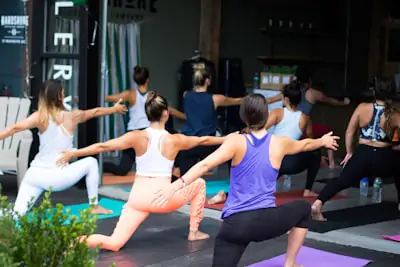
A 100 hour yoga ttc in goa is designed for students who want a shorter but serious immersion. It brings together daily yoga classes, self-study, and guided practice in a setting that encourages steady learning.
What makes this yoga ttc stand out is the mix of strong teaching, small groups, and peaceful locations. Whether you choose a yoga school in North Goa or South Goa, you can expect a training experience that supports both personal practice and a deeper understanding of yoga.
What is a 100 Hour Yoga Teacher Training Course?
A 100 hour yoga ttc in goa course is a short-format teacher training built to introduce you to foundational yoga in a structured way. It usually suits students who want a clear start without committing to a longer residential program right away. You learn through practice, study, and observation.
In most cases, the training includes asana, pranayama, meditation, yoga philosophy, anatomy, and basic teaching methodology. This makes it useful for yoga education, even if you are not sure you want to teach yet. It is often seen as a first step toward more advanced study.
Yes, beginner yoga students are generally eligible if they are healthy and physically fit. Some schools welcome complete beginners as well as experienced practitioners. In terms of yoga certification, a 100 hour course may serve as a partial foundation that can support later progress into a 200 hour pathway.
Why Goa is the Ideal Destination for Yoga Training
Goa has a relaxed atmosphere that supports serious yoga training without feeling rigid or overwhelming. You get warm weather, beach access, and a slower pace that helps you focus on your yoga journey. That combination matters when you are learning something that asks for both effort and reflection.
North Goa and South Goa each offer something different. Arambol in North Goa is known for active yoga communities and accessible training spaces. Agonda in South Goa offers a quieter beachside mood that many students find calming and deeply supportive.
If you are wondering which schools in Goa offer strong 100 hour programs, the compiled options include Mahiyoga Yoga in Agonda. Both highlight small groups, experienced teachers, traditional yoga roots, and supportive learning environments.
Who Should Consider a 100 Hour Yoga TTC?
A 100-hour yoga TTC is ideal for those seeking a foundational understanding of yoga practice, new teachers wanting to enhance their skills, or individuals looking to deepen their personal journey. It’s perfect for busy schedules or as an introduction before committing to a longer course.
Understanding the Benefits of a 100 Hour Yoga TTC in Goa
A 100 hour yoga TTC in Goa gives you more than a short course. It can support personal growth, better body awareness, and a clearer understanding of what yoga teacher training involves. You learn in a setting that encourages steady discipline without the pressure of a long program.
Just as importantly, you begin developing teaching skills, even if teaching is not your main goal yet. This balance of inner work and practical learning often makes the experience feel like a true transformative journey, which the next sections explore in more detail.
Personal Growth and Self-Discovery
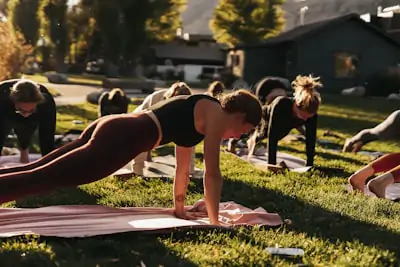
One of the biggest benefits of taking a 100 hour yoga ttc in goa course is personal growth. You step away from daily noise and enter a rhythm built around movement, breath, study, and rest. That shift alone can help you see your habits more clearly.
As the days unfold, self-discovery becomes part of your yoga practice. You begin to notice how you respond to challenge, stillness, community, and feedback. Schools described in the compiled information place real value on self-inquiry, mindfulness, and living yoga in a practical way.
There is also room for spiritual growth without pressure or performance. The holistic approach often includes meditation, philosophy, mantra, and breath awareness alongside physical practice. This makes the training useful for students who want depth, not just exercise, and who want yoga to influence daily life in a more grounded way.
Building Strong Foundations in Yoga Practice
A shorter course works best when it is built on essentials, and that is exactly where a 100 hour training can shine. It helps you create a strong foundation in posture work, breath awareness, and mindful discipline. You are not rushing through random topics. You are learning core principles that support your yoga journey over time.
What is included in the curriculum for a 100 hour yoga TTC in Goa often reflects the larger teacher training structure. Based on the compiled material, this may include asana practice, yoga philosophy, anatomy, pranayama, meditation, alignment, and teaching methodology.
Traditional yoga is also part of that base. You study not only how a pose looks, but why it matters, how to enter and exit safely, and how philosophy connects to real life. That creates a more stable and useful understanding from the start.
Opportunities for Networking and Community
Training in Goa often brings together people from different countries, careers, and life stages. That mix can become one of the most valuable parts of the course. In a yoga community, you learn from your teachers, but you also learn from the people practicing beside you each day.
Many schools keep a small group format, which makes conversations easier and the supportive environment more real. Beginners are often welcomed, so new yoga students do not need to feel out of place. In the yoga shala, shared effort naturally creates connection.
- You gain peer support during practice, study sessions, and personal challenges.
- You build friendships that may continue long after the course ends.
- You learn in a space where questions, feedback, and shared growth feel normal.
How to Begin: A Beginner’s Guide to 100 Hour Yoga TTC in Goa
Starting can feel simple once you know what to look for. This beginner’s guide is about helping you take the first step with more clarity, whether you are choosing dates, comparing schools, or deciding if a short yoga course fits your goals.
The right training program should match your experience level, budget, and preferred setting. Some students want beachside quiet. Others want a more active yoga hub. Before enrolling, it helps to understand the practical side of preparation, which the next sections break down clearly.
Essential Equipment and Resources Needed
You do not need a huge amount of yoga equipment to begin. Most schools provide the teaching structure and the main practice space. Your role is to arrive prepared with basic personal items that support comfort, hygiene, and focused yoga training.
What kind of accommodation can you expect during a 100 hour yoga ttc in goa? Based on the compiled information, many programs offer comfortable accommodations as part of the package. These may include shared or private rooms, and some places also mention air-conditioned options, clean spaces, and easy access to the beach.
Bring or confirm these essentials before arrival:
- Yoga mats and props, if your school asks you to carry your own
- Comfortable practice clothes for warm weather
- A notebook for philosophy, sequencing, and reflection
- Personal toiletries and simple health items
- Money or confirmation for meals if vegetarian meals are included in your package
Preparing Yourself Mentally and Physically
Before your training begins, give yourself time to settle into the idea of showing up fully. Mental preparation matters because a yoga journey is not only about flexibility or strength. It also asks for patience, openness, and the willingness to learn in a new environment.
Physical readiness does not mean you need to be advanced. Beginner yoga students are often eligible, provided they are in good health and able to take part safely. A regular personal practice before arrival can help, even if it is simple and short. Focus on consistency, not perfection.
It also helps to choose a school that feels like a safe space. Small groups, supportive teachers, and a non-competitive approach can make a big difference. If you have an injury or health concern, the compiled information suggests checking with your doctor and informing the school in advance.
Choosing the Right Time to Start Your Training
Timing shapes your experience more than many people expect. The right yoga course timing depends on your schedule, energy, and preferred setting. Some students want a quieter period to focus deeply, while others prefer a season when the local area feels more active and social.
When deciding how to choose the right yoga school for a 100 hour yoga ttc in goa, look beyond location alone. The compiled information points toward qualities like small batches, personal attention, experienced teachers, and a clear teaching approach grounded in traditional yoga and modern teaching methods.
Consider these factors before choosing dates:
- Batch size and whether the training program limits student numbers
- Whether the yoga school is in North Goa or South Goa
- How much personal attention and teacher access you want during the course
Step-by-Step Guide to Enrolling in a 100 Hour Yoga TTC
Enrolling becomes much easier when you break it into clear stages. This step-by-step guide helps you move from interest to action without missing the details that matter. It is especially useful if this is your first yoga teacher training program.
Most schools follow a simple application process. You research programs, compare schedules and fees, review entry requirements, sort out travel, and then confirm your place. The next five sections walk you through each stage so you can prepare with less stress and more confidence.

Step 1: Researching the Best Yoga Schools in Goa
Start by narrowing your search to schools that clearly explain their teaching style, setting, and class size. The best yoga teacher training option for you may not be the biggest one. A yoga school with a clear identity and strong student support often gives a better training experience.
The compiled information highlights a few known choices in Goa. Some have years of excellence, while others focus more on intimate groups and traditional learning. If possible, compare location, teacher background, and whether the school is a registered yoga school.
Step 2: Comparing Course Schedules and Fees
Once you shortlist schools, compare the course schedule carefully. Some students focus only on dates and miss what the day actually includes. Look at the balance of yoga classes, study sessions, rest time, and teacher contact. A shorter training should still feel organized and purposeful.
How much does a 100 hour yoga ttc in goa course typically cost in Goa? In the compiled information, AYM lists its 100 hour course at $449, including accommodation and food, with an Indian resident fee of ₹17,999. This gives you a useful reference point for course fees.
Value matters more than price alone. A comprehensive yoga teacher training should include core subjects, guided practice, and a learning environment that supports questions and feedback. Included meals, housing, and small-group teaching can make one program more worthwhile than a cheaper but less supportive option.
Step 3: Understanding Entry Requirements and Application Process
Before applying, check the entry requirements carefully. Many schools keep them simple. Based on the compiled information, there is no age restriction, and beginner students may join if they are healthy and physically fit. That makes the yoga course accessible to a wide range of students.
A registered yoga school will usually ask a few basic questions to understand your goals and readiness. This helps both sides decide if the training is a good match. You do not need to be trained by the best yoga teachers already. You just need honesty about your background and intentions.
Typical application process steps include:
- Fill out the online form with your details and training goals
- Wait for email or WhatsApp contact from the school
- Ask questions and discuss health or injury concerns
- Pay the deposit if accepted to secure your place
Step 4: Finalizing Accommodation and Travel Plans
After acceptance, it is time to confirm the practical details. Good travel plans reduce stress and help your yoga journey begin smoothly. Check your arrival date, payment instructions, and how far your chosen school is from the beach, town center, or transport points.
What kind of accommodation can you expect? The compiled information points to comfortable accommodations that may include shared or private rooms, simple cozy stays, clean spaces, and in some schools, upgraded rooms with air conditioning. Meals are often included, and vegetarian meals are common across residential programs.
Also look into onsite facilities before you travel. A yoga shala, dining area, study space, and quiet rest areas can shape your daily comfort. If you are traveling from abroad, ask the school about local transport support, especially if this is your first time visiting Goa.
Step 5: Registering and Getting Ready for Day One
The final step is yoga registration and basic preparation for arrival. Once your payment and documents are complete, you can shift your attention from logistics to mindset. This is where the course starts to feel real. Your focus should move toward rest, openness, and readiness to learn.
A good school makes the yoga course start feel welcoming, not confusing. If you are still deciding how to choose the right yoga school for a 100 hour yoga ttc in goa, ask yourself one last question: does this place feel aligned with your goals, your budget, and the kind of supportive environment you need?
Keep this final checklist in mind:
- Confirm your registration, deposit, and remaining fee details
- Pack for practice, study, and warm weather living
- Begin a gentle personal practice before departure
What to Expect from the 100 Hour Yoga TTC Curriculum
A strong yoga ttc curriculum gives you breadth without losing focus. In a 100 hour format, the course usually introduces core subjects while helping you build steady teaching skills, body awareness, and discipline. You get a practical sense of how a teacher training is structured.
You can also expect exposure to different yoga styles, guided study, and practical experience through observation or simple teaching tasks. The next sections explain the main modules, the styles often taught, and how assessment and assignments may be handled during the program.
Core Subjects and Modules Covered
If you are asking what is included in the curriculum for a 100 hour yoga TTC in Goa, the compiled information gives a clear direction. Schools often build the program around the same educational categories used in larger trainings, but in a shorter and more introductory format.
These subjects create a balanced entry into traditional yoga and modern teaching methods. You study both theory and lived practice, which helps the learning stay useful instead of abstract.
Core modules commonly include:
- Yoga philosophy, including ethical ideas and classical teachings
- Asana practice with alignment, modifications, and safe entry and exit
- Yoga anatomy and physiology, including breath and body systems
- Teaching methodology, such as cues, assists, sequencing, and observation
- Meditation, pranayama, mantra, and basic yogic practices
Yoga Styles and Techniques Taught
The exact styles depend on the school, but the compiled information shows a strong multi-style approach in Goa. This often includes hatha yoga, ashtanga vinyasa, and vinyasa flow, with attention to alignment, breath, and body awareness. These styles give you a solid technical and practical base.
Some schools also mention restorative elements, yoga nidra, or therapeutic movement. That helps students experience yoga as more than a dynamic physical system. Even in a short course, exposure to contrast is useful. It teaches you how rhythm, pace, and intention shape the whole practice.
You may study styles such as:
- Hatha yoga for steadiness, posture awareness, and foundational strength
- Ashtanga vinyasa or vinyasa flow for linked breath and movement
- Restorative yoga or related calming practices for reset and recovery
Assessment, Practice, and Assignments
A 100 hour yoga ttc in goa course may be shorter, but it still needs active participation. That is why assessment often happens through daily involvement rather than one final exam. Your posture work, attention, discipline, and willingness to learn all become part of the process.
Practice teaching is especially valuable. The compiled material shows strong emphasis on real teaching exposure in longer courses, and that same spirit often guides shorter formats too. You may guide short sequences, demonstrate posture transitions, or speak through breath awareness to build early yoga teaching experience.
Feedback is usually direct and practical. Teachers may correct alignment, refine your cues, or help you think more clearly about safety and sequencing. This kind of assessment supports beginners and advanced practitioners alike because it is based on progress, not performance alone.
Daily Life During Your Yoga Teacher Training in Goa
Daily life during training usually follows a simple rhythm that supports focus. Yoga students move through yoga classes, study, meals, rest, and time with the group. That structure helps you settle quickly and stay present without too many outside distractions.
At the same time, life is not only about the timetable. Community conversations, shared meals, and quiet moments between sessions shape the experience too. To give you a clearer picture, the next sections cover the daily schedule, free time, and the role of peer connection.
Typical Daily Schedule and Structure
What is the daily schedule like in a 100 hour yoga TTC in Goa? While exact timings vary by school, the structure usually combines physical practice, theory, and rest. The goal is to keep you engaged without making the day feel chaotic.
A daily routine often starts early, which helps you practice with a clear mind. Morning sessions may focus on asana practice and meditation, while later hours may include philosophy, anatomy, or teaching basics. Some schools also offer added experiences such as sound healing in their wider course offerings.
A sample day may include:
- Early morning meditation or pranayama
- Morning yoga classes focused on asana practice
- Midday theory sessions such as anatomy or philosophy
- Afternoon teaching practice, discussion, or alignment work
- Evening rest, reflection, or occasional group sessions
Meals, Rest, and Free Time Activities
Residential programs in Goa often include vegetarian meals, which makes daily life simpler and more grounded. Reviews in the compiled information mention vegan and sattvic-style food, fresh vegetables, and supportive meal options. Good food matters because training days ask a lot from your body and mind.
Rest is built into the experience as well. Some schools mention Sundays off, giving students time to recover, visit local spots, or simply pause. That rhythm reflects a holistic approach, where recovery is treated as part of learning, not as wasted time.
During free time, students may enjoy:
- Beach walks, swimming, or quiet rest near the ocean
- Reading, journaling, or talking with fellow trainees
- Immersing in local culture through simple outings and nearby attractions
The Role of Community and Peer Support
One of the most lasting benefits of taking a 100 hour yoga ttc in goa course in Goa is the sense of community it creates. You arrive as an individual, but you quickly become part of a group sharing effort, uncertainty, breakthroughs, and rest. That shared process can be deeply encouraging.
In a small group, peer support feels natural. You notice each other’s progress, exchange insights, and often feel less self-conscious about asking questions. Schools described in the compiled material emphasize personal attention, which helps each student feel seen instead of lost in a crowd.
A supportive environment also makes learning more honest. You do not have to act experienced to belong. You can be new, curious, or unsure and still be fully part of the process. That emotional safety often strengthens both practice and confidence.
Accommodation and Living Experience in Goa
Accommodation is a big part of how your training feels day to day. In Goa, many residential programs aim to make the living experience simple, calm, and practical. You can often expect comfortable accommodations that support both study and rest.
The setting adds something extra. Beach access, green surroundings, and exposure to Goan culture make daily life feel fuller without distracting from the course. The next sections look more closely at room options, onsite amenities, and the cultural experiences that shape student life outside class.
Types of Accommodation Offered by Yoga Schools
What kind of accommodation can you expect during a 100 hour yoga ttc in goa? Most schools aim for practical, comfortable accommodations that match the residential nature of the training. The compiled information mentions clean, spacious rooms, simple cozy stays, and options that may include air conditioning.
Your yoga school may offer either a shared room or a private room, depending on budget and availability. Shared spaces can reduce costs and build connection. Private options can give you more quiet time and personal space. Both can work well if the environment is well-managed.
Typical choices may include:
- Shared room for affordability and social connection
- Private room for added rest and privacy
- Basic amenities such as bedding, attached bath, fan, or upgraded cooling options
Onsite Facilities and Amenities
A good residential stay is not just about the room. Onsite facilities shape your comfort, your concentration, and how easy it is to stay in the training rhythm. Most students want a clean yoga shala, reliable meals, and enough quiet space to recover after long sessions.
The compiled information points to common amenities such as vegetarian meals, well-equipped practice spaces, and peaceful surroundings. Some schools also highlight beach proximity, green views, pools, gyms, or dedicated study-friendly areas. These details can improve the full learning experience, especially in an intensive setting.
If wifi matters to you, ask before booking. Some students want easy online access, while others prefer fewer distractions. In either case, the best onsite facilities are the ones that support your learning rather than pull your attention away from it.
Immersing in the Goan Culture and Lifestyle
Part of the appeal of studying in Goa is that your learning does not stop when class ends. The local pace, beach setting, and community atmosphere naturally support a holistic approach. You are not only taking a course. You are living in a place that encourages pause, observation, and presence.
That environment can support spiritual growth in simple ways. A quiet walk, a shared meal, or an evening by the sea can deepen the reflective side of your experience. The compiled reviews also mention traditional festivities and local warmth, which add texture to student life.
Local experiences may include:
- Visiting beaches, markets, or nearby attractions on rest days
- Enjoying traditional festivities, music, or community events
- Taking in the calm rhythm of Goan culture between training sessions
Certification, Recognition & Next Steps After Graduation
After graduation, many students want to know what comes next. That depends on the school and the structure of the course, but yoga certification and future pathways matter from the start. In Goa, some schools connect their training to recognized systems such as Yoga Alliance and the Yoga Certification Board under AYUSH.
A 100 hour yoga ttc in goa course is often best seen as a foundation rather than a final destination. It can help you grow into a stronger student or prepare for a fuller teacher training later. If your longer pathway leads to Yoga Alliance recognition, you may eventually qualify as a registered yoga teacher and step more confidently into the role of yoga teacher.
Yoga Alliance and Other Certifications Awarded
What certification will you receive after completing a 100 hour yoga ttc in goa? The answer depends on the school and how the course fits into its larger program structure. The compiled information clearly states that some Goa schools are connected to Yoga Alliance pathways and also support AYUSH-related certification routes in broader programs.
A registered yoga school may issue its own completion certificate for a 100 hour yoga ttc in goa course. In longer programs, graduates may qualify for Yoga Alliance registration and may also appear for the Yoga Certification Board examination, depending on the course level and school structure.
Key points to check before enrolling:
- Whether the school is a Yoga Alliance registered yoga school
- Whether the 100 hour course is a standalone certificate or part of a larger pathway
- Whether the school also mentions AYUSH or YCB recognition options
Progressing to 200 Hour Yoga Teacher Training
If your 100 hour course leaves you wanting more, the next step is often a 200 hour yoga teacher training. This is where your yoga journey usually becomes more complete. You move from introduction into deeper study, fuller practice teaching, and stronger confidence in your method.
So what is the difference between a 100 hour and 200 hour yoga teacher training in Goa? A 100 hour course gives you a shorter foundation. A 200 hour program is more immersive, more detailed, and more directly aimed at preparing you for teaching with greater depth and teaching experience.
For some students, this progression happens quickly. Others take time to absorb what they learned first. Either way, the shorter training can support personal growth and help you decide if a longer commitment is right for you, whether you are a beginner or already among advanced practitioners.
Conclusion
In conclusion, embarking on a 100 hour yoga ttc in goa is not just about mastering yoga techniques; it’s an enriching journey of personal growth and self-discovery. With the perfect blend of practice, community support, and immersion in the vibrant Goan culture, you will build a solid foundation for your yoga practice that extends beyond the training. This experience opens doors to lifelong connections and opportunities, whether you’re looking to teach or deepen your own practice. If you’re ready to take the next step in your yoga journey, don’t hesitate to book a free consultation with us today! Your transformative adventure awaits.
Frequently Asked Questions
Yes, beginners can usually join a 100 hour yoga ttc in Goa if they are healthy and physically fit. Many schools welcome new yoga students and treat the course as a first step in the yoga journey. You do not need to be advanced to start a teacher training course.
Course fees vary by yoga school, but the compiled information gives a clear example: AYM lists its 100 hour yoga ttc at $449, including accommodation and food, with an Indian resident price of ₹17,999. Always compare what each yoga course includes before booking your yoga training.
The primary difference between a 100 hour and a 200 hour yoga teacher training course (TTC) lies in the depth of study and certification level. A 100 hour yoga ttc in goa offers foundational knowledge, while a 200 hour TTC provides comprehensive training for aspiring yoga teachers.
To choose the best yoga school in Goa for your 100-hour TTC, consider factors like the school’s accreditation, curriculum, experienced instructors, student reviews, and facilities. A personal visit or virtual tour can also help assess the school’s environment and vibe.
Personal Transformation Stories from 100 Hour TTC Alumni
The Personal Transformation Stories from the alumni of the 100 hour yoga ttc in goa Course (TTC) in Goa are nothing short of inspiring. Each participant embarks on a unique journey, often sharing discoveries that transcend mere physical practice. Many have found clarity in their personal lives, overcoming obstacles that once seemed insurmountable. For instance, one alumnus recounted how the program not only deepened her understanding of yoga but also helped her develop a more compassionate outlook toward herself and others, facilitating healing in her relationships. Similarly, another participant highlighted a newfound sense of confidence, enabling him to pursue his dream of teaching yoga, a passion that had been sidelined for years. These transformative experiences reflect the profound impact that the 100 Hour TTC can have, igniting a spark that leads to lasting change both on and off the mat.
Yoga Teacher Training for Non-Teaching Aspirants
Yoga Teacher Training for Non-Teaching Aspirants can be a transformative experience, even for those not looking to pursue a career as an instructor. The 100 hour yoga ttc in Goa provides an ideal platform for personal growth, allowing participants to deepen their practice, enhance their understanding of yoga philosophy, and cultivate mindfulness. Through immersive sessions that balance physical asanas with theoretical teachings, individuals can explore their personal connection to yoga, whether it be for stress management, self-discovery, or overall well-being. This course encourages non-teaching enthusiasts to embrace the holistic lifestyle that yoga promotes, fostering a sense of community and support among fellow practitioners.
Overcoming Obstacles During Yoga Teacher Training
During a 100 hour yoga ttc in goa in Goa, participants often face various obstacles that can challenge their physical and mental resilience. It’s common to encounter moments of self-doubt or physical fatigue, particularly when adjusting to an intense schedule that combines extensive practice with theory classes. However, embracing these challenges is an essential part of the transformative journey. Many trainees find it helpful to establish a strong support network with their peers, encouraging one another through shared experiences and insights. Additionally, incorporating mindfulness and breathwork can serve as powerful tools to center oneself and navigate through moments of discomfort. Remember, overcoming these obstacles not only enriches your training experience but also cultivates the strength and adaptability that are crucial for a successful career in teaching yoga.
Safety and Solo Travel Tips for International Students in Goa
When it comes to safety and solo travel in Goa, international students should always prioritize their well-being while exploring this vibrant region. Start by selecting accommodations that are reputable and well-reviewed, and familiarize yourself with emergency contact numbers in the area. It’s advisable to keep your belongings secure and avoid displaying valuables in public places to deter potential theft. When venturing out, consider joining local group tours or classes that not only enhance your experience, but also allow you to meet fellow travelers. Stick to well-lit and populated areas, especially at night, and let a friend know your whereabouts. Trust your instincts; if a situation feels off, it’s perfectly fine to remove yourself from it. Overall, staying aware and connected while enjoying the beauty of Goa will ensure a fulfilling and safe adventure.
Days Off and Extracurricular Exploration During Training
As you embark on your 100 hour yoga TTC in Goa, it’s essential to strike a balance between intense training and rejuvenating experiences outside the classroom. The program typically accommodates days off, allowing trainees to explore the vibrant culture and breathtaking landscapes of Goa. Use this time to immerse yourself in local traditions, savor authentic cuisine, or unwind on the sun-kissed beaches. Many yoga schools also encourage extracurricular activities, such as dance classes, surfing lessons, or meditation workshops, which can complement your training and enrich your overall journey. Engaging in these explorations not only enhances your understanding of yoga but also fosters connections with fellow trainees and locals alike, creating a holistic and memorable experience during your stay.
Navigating Age and Experience Levels in Yoga Training
When it comes to yoga training, age and experience levels can vary tremendously among participants, leading to a rich diversity within the classroom. The 100 hour yoga TTC in Goa is designed to cater to all, irrespective of whether you are a fresh-faced beginner or a seasoned yogi looking to deepen your practice. Instructors are attuned to the varying physical and emotional capabilities across different age groups, ensuring each session is inclusive and adaptable. This approach not only encourages individuals to embrace their unique journeys but also fosters a supportive community among practitioners, where sharing experiences becomes a powerful tool for growth. With an emphasis on personal development, students are encouraged to explore their limits while receiving guidance tailored to their individual needs, thus transforming potential challenges posed by differing experience levels into opportunities for learning and connection.
How to Discover, Book, and Prepare for Your Ideal 100 Hour TTC in Goa
When searching for the perfect 100 hour yoga teacher training course in Goa, you’ll want to start by identifying your specific goals and preferences. Research various schools and programs that offer this certification, ensuring they align with your expectations regarding style, philosophy, and teaching methodologies. Online reviews from past students can provide valuable insights into the quality of instruction and overall experience. Once you have shortlisted a few options, it’s essential to reach out to the schools for any clarifications regarding course content, schedules, and accommodation. Booking your course early can often result in better prices and availability, especially during peak tourist season. Finally, preparing for your training involves not just packing the right gear but also setting an intention for your journey, integrating yoga practices into your daily routine, and mentally preparing for an immersive experience that will deepen your understanding of yoga in a beautiful, laid-back environment.
Emotional Readiness and Self-Discovery Through Short Yoga TTCs
Embarking on a short yoga teacher training course (TTC) can significantly enhance your emotional readiness and promote self-discovery. These condensed yet intensive programs, such as the 100-hour yoga TTC in Goa, provide a unique opportunity to dive deep into your inner world while being surrounded by a serene environment. Here, you will not only learn essential techniques and principles of yoga but also engage in reflective practices that encourage personal growth. Through guided meditation, asana practice, and sharing experiences with fellow attendees, you’ll cultivate self-awareness and emotional resilience. This transformative journey allows you to connect with your true self, paving the way for deeper insights and a more profound understanding of your emotions. As you immerse yourself in the philosophy of yoga, you’ll discover valuable tools for managing stress and navigating life’s challenges, turning your yoga journey into a pathway of self-discovery and emotional mastery.
How Yoga TTC in Goa Helps Address Common Causes of Physical and Emotional Pain
Participating in a 100 hour yoga teacher training course (TTC) in Goa is not only about mastering postures; it’s an enriching journey that equips individuals with the tools to combat various physical and emotional challenges. In this idyllic setting, students learn how the principles of yoga can alleviate common ailments such as back pain, stress, and anxiety. The integration of breathwork and meditation techniques within the curriculum fosters a deeper internal awareness, facilitating personal healing and growth. As practitioners learn to navigate their own pain points, both physically and emotionally, they gather insights that empower them to extend this healing approach to others. With experienced instructors guiding them through tailored practices and adjustments, participants gain a holistic understanding of the mind-body connection essential for sustaining well-being long after the training concludes.
Solo Female Travel & Safety Tips for Yoga TTC in Goa
Embarking on a yoga teacher training course in Goa as a solo female traveler can be a transformative experience, but it’s essential to prioritize safety while enjoying your journey. Start by selecting a reputable yoga school with positive reviews, particularly from female students, as this can give you a sense of community and support. Consider accommodations that are well-reviewed and close to your training location, ideally within walking distance or with easy access to transportation. Always stay aware of your surroundings; avoid isolated areas after dark and trust your instincts if something feels off. Connecting with fellow students can enhance your experience; share contact information and establish a buddy system for outings or classes. Additionally, keep a local SIM card or a portable charger handy, so you have access to maps and communication on the go. By taking these precautions, you can enjoy the enriching experience of a 100 hour yoga TTC while feeling empowered and safe as you explore the beauty of Goa.
Learning from Experienced Indian Yoga Teachers
Learning from experienced Indian yoga teachers is a pivotal aspect of the 100 hour yoga teacher training course in Goa. Renowned for their deep-rooted wisdom and authentic connection to traditional yoga practices, these instructors enrich the learning experience with their vast knowledge and personal insights. Many of them have dedicated decades to the study and practice of yoga, often discovering and embodying its teachings in their own lives. This not only enhances the curriculum but also offers students a unique opportunity to learn directly from masters whose teachings resonate with the essence of yoga philosophy. In this supportive environment, students receive personalized guidance tailored to their individual journeys, fostering a deeper understanding and connection to both the physical and spiritual aspects of yoga. Engaging with these seasoned practitioners helps cultivate a respectful appreciation for the lineage of yoga and encourages students to integrate these teachings into their daily lives, affirming the importance of mentorship in personal growth and transformational learning.
Small Batch Sizes & Personalized Attention
The benefit of small batch sizes in a 100 hour yoga teacher training course in Goa cannot be overstated. Schools often limit their class sizes to ensure each student receives personalized attention, allowing for a more tailored learning experience. With fewer participants, instructors can closely monitor each student’s progress, providing immediate feedback and adjustments during practice. This intimate setting fosters a nurturing environment where questions can be asked freely and discussions can flow organically, enhancing the overall learning process. Moreover, students often feel more comfortable sharing their experiences and challenges, leading to richer group dynamics and deeper connections. As a result, participants not only develop their yoga skills more effectively but also cultivate meaningful relationships with peers and instructors, making the training experience truly transformative.
Authentic Yoga Experience & Learning Yoga Where It Began
Experiencing yoga in Goa allows you to connect with its roots and embrace an authentic journey that transcends physical practice. The vibrant atmosphere, infused with cultural richness and natural beauty, provides an ideal backdrop for immersing yourself in the true essence of yoga. Here, you’ll find an array of traditional teachings and practices that have been passed down through generations, led by knowledgeable instructors deeply rooted in the art of yoga. This experience goes beyond the mat, inviting you to explore the philosophies, ethics, and lifestyle that encompass yoga as a holistic discipline. Engaging with the local community, participating in cultural events, and practicing amidst the serene beaches and lush landscapes create a unique learning environment. As you delve into the history and significance of yoga, you’ll develop a profound understanding of its transformative power, gaining insights that can impact your personal practice for years to come.
Beachside Campus & Retreat-Style Facilities
A beachside campus during your 100 hour yoga teacher training in Goa offers an extraordinary backdrop for cultivating your practice and enhancing your experience. Imagine waking up to the sound of gentle waves and stepping out onto soft sand, creating a serene start to your day. Many yoga schools boast retreat-style facilities that include open-air shalas with stunning ocean views, inviting you to connect with nature as you practice. These spaces are thoughtfully designed to foster a sense of tranquility, making meditation sessions feel more profound and asana practice more invigorating. With comfortable accommodations just minutes from the beach, you can easily integrate daily strolls along the shoreline, immersing yourself in the beauty of the Goan landscape. Additionally, communal areas promote connection with fellow students, encouraging shared meals and conversations that enrich the training experience. This blend of breathtaking surroundings and dedicated retreat facilities allows you to delve deeper into your yoga journey, merging personal reflection with the supportive energy of the community around you.
Food, Pool, and Other Onsite Facilities
When you choose a 100 hour yoga teacher training course in Goa, the onsite facilities significantly enhance your overall experience, encompassing not just the yoga practice but also aspects of comfort and community. Many schools provide nourishing vegetarian meals that cater to various dietary preferences, ensuring that you have the energy required for your rigorous training. A wide variety of fresh, local ingredients make meals not just nutritious but also a delightful exploration of Goan cuisine. Additionally, many schools boast well-maintained swimming pools, allowing for refreshing dips between sessions to cool down and relax after intensive practice. Access to outdoor lounge areas, study spaces, and sometimes even gardens encourages students to unwind, connect with peers, or indulge in personal reflection. Combined with clean facilities and sometimes air-conditioned rooms, these amenities create a balanced atmosphere that supports both your yoga journey and your wellbeing during the transformative days of training.
Testimonials & Real Stories from Past Students
Testimonials and real stories from past students provide a compelling glimpse into the transformative experiences that unfold during a 100 hour yoga teacher training course in Goa. Many alumni share how this program has played a pivotal role in shaping their personal and professional journeys. For instance, one participant expressed that the course dramatically boosted her confidence not only in her yoga practice but also in her everyday life. She fondly recalls the supportive nature of the small group setting, where every student’s progress was celebrated and nurtured. Another alumnus spoke of a profound shift in perspective, claiming that the training allowed him to reconnect with his true self and prioritize mental well-being. His journey was enriched by immersive sessions that blended traditional teachings with practical applications, helping him develop a deeper understanding of the mind-body connection. These testimonials reveal that the impact of a 100 hour yoga TTC in Goa extends far beyond the mat, fostering a community of like-minded individuals who inspire one another to grow and thrive in their personal yoga journeys.
Online & Hybrid Yoga Teacher Training Courses
In recent times, online and hybrid yoga teacher training courses have gained immense popularity, offering flexibility and accessibility for aspiring yoga teachers around the globe. These courses allow you to engage with experienced instructors and fellow trainees from the comfort of your own home, making it possible to adapt your learning to your schedule. The hybrid format, combining both online and in-person elements, further enriches the experience by enabling participants to attend virtual classes while also having the opportunity to gather for immersive weekend workshops or retreats. This blend of learning styles caters to various preferences, allowing you to practice yoga in a way that aligns with your lifestyle. Moreover, many programs emphasize interactive components, such as live Q&A sessions, peer discussions, and practical assignments, ensuring that you receive the necessary support and feedback throughout your training. By incorporating modern technology with traditional teaching methods, these online and hybrid courses not only nurture your growth as a yoga practitioner but also help you develop the confidence and skills required to teach others effectively.
Giving Back & Community Outreach
Engaging in community outreach is an integral part of the experience during a 100 hour yoga teacher training course in Goa. Many schools encourage students to participate in local initiatives, which not only fosters a sense of connection with the surrounding community but also enhances the overall learning journey. Activities may include volunteering at local charities, participating in beach clean-ups, or organizing yoga classes for underprivileged groups. This emphasis on giving back allows trainees to witness the transformative effects of yoga in various contexts, deepening their understanding of its purpose beyond the mat. Additionally, such community involvement cultivates empathy and compassion, essential qualities for any aspiring yoga teacher. Through these outreach programs, students not only contribute meaningfully to the local environment but also bring together their newly acquired skills and insights, reinforcing the idea that the practice of yoga extends well beyond personal growth and into the realm of service to others.