
If you have ever attended a yoga class, you have almost certainly done a spinal twist. Whether it was a gentle Supine Spinal Twist at the end of a session or the more demanding Revolved Triangle mid-flow, yoga twists and safety principles go hand in hand — and understanding this connection can completely transform your practice.
Twisting postures show up in virtually every yoga style, from Hatha and Vinyasa to Yin and Restorative. They feel amazing, they release tension across the back body, and when practiced correctly, they offer a wide range of physiological and energetic benefits. But like any powerful movement, twists demand respect, awareness, and a solid grasp of the underlying mechanics.
Whether you are brand new to the mat or have been practicing for years, this guAnatomyide will walk you through the what, why, and how of yoga twists — including who should proceed with caution and how to keep your spine happy for years to come.
What Are Yoga Twists?
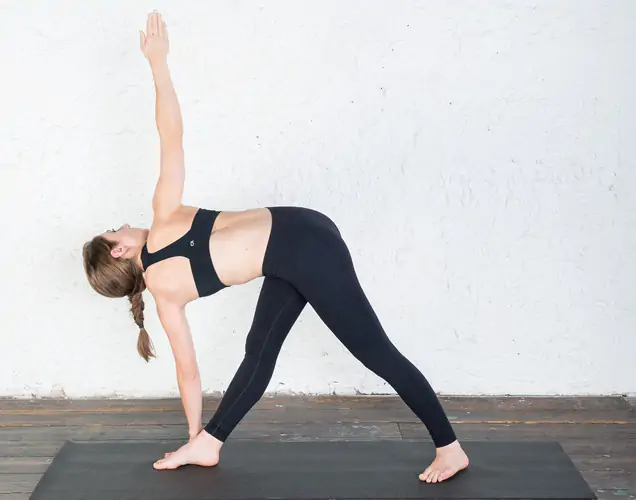
A yoga twist is any posture that rotates the spine, typically by moving the shoulders in the opposite direction to the hips. The rotation works through the vertebral column, creating a wringing effect through the torso. Some twists are seated, some are standing, and others are performed lying down — but all of them share this defining rotational movement.
Common twisting poses include:
- Ardha Matsyendrasana (Half Lord of the Fishes Pose)
- Parivrtta Utkatasana (Twisted Chair Pose)
- Parivrtta Trikonasana (Revolved Triangle Pose)
- Jathara Parivartanasana (Supine Spinal Twist)
- Marichyasana C (Marichi’s Pose)
Understanding the Anatomy Behind Spinal Twists
One of the most important steps in practicing yoga twists safely is understanding the Anatomy of the regions involved. When you twist effectively, the movement is primarily concentrated in the thoracic spine — the twelve vertebrae that run through your mid and upper back.
The lumbar spine (lower back), by contrast, has very limited rotational capacity due to the orientation of its facet joints. Forcing rotation through the lumbar region is one of the most common causes of discomfort and injury in twisting poses. The cervical spine (neck) offers more rotation, but it, too, must be moved mindfully.
The key muscle groups active in a well-executed twist are:
| Muscle / Structure | Role in Twisting |
| Thoracic spine | Primary site of spinal rotation; absorbs most of the twist safely |
| Oblique muscles | Located on the sides of the waist; they initiate and deepen the rotation |
| Intercostal muscles | Connect the ribs; they allow the ribcage to expand and rotate freely |
| Deep spinal rotators | Small muscles along the vertebrae that fine-tune rotational movement |
| Hip flexors & pelvis | Stabilise the base so the upper body can rotate with control |
Understanding this structural picture helps you move with intelligence rather than just effort. Many practitioners try to “go deeper” by forcing rotation through the lower back — a habit that, over time, can cause wear on the lumbar discs and sacroiliac joints.
The Key Benefits of Yoga Twists
When approached with proper alignment, Twists offer a remarkable range of benefits — physical, energetic, and even mental.
1. Spinal Mobility and Health
The spine is designed to move in multiple directions: forward and back, side to side, and in rotation. Modern sedentary lifestyles starve the spine of this rotational movement, leading to stiffness and reduced joint health. Regular twisting helps lubricate the spinal joints, nourish the intervertebral discs through fluid exchange, and maintain the range of motion we often lose as we age.
2. Better Digestion
One of the most celebrated — and well-supported — benefits of yoga twists is their positive effect on Digestion. Twisting postures compress the abdominal organs, and when the compression is released, fresh blood and oxygen rush back in. This rhythmic squeeze-and-release action can stimulate the movement of contents along the digestive tract, helping to ease bloating, gas, and sluggish bowels.
Research from the Canadian Digestive Health Foundation confirms that yoga, including twisting poses like Seated Spinal Twist and Twisting Chair, supports gut health via the gut-brain axis. The enteric nervous system — sometimes called the body’s “second brain” — responds to both the physical compression of twists and the stress-reducing effects of a mindful yoga practice.
3. Detoxification and Organ Stimulation
While the word “detox” is often used loosely in wellness circles, there is genuine physiological reasoning behind the idea that twists support the body’s natural cleansing processes. The compression applied to organs like the liver, kidneys, and spleen followed by the release of that compression encourages fresh circulation and can support these organs in functioning optimally.
4. Stress Relief and Energy Flow
From a traditional yogic perspective, twists are said to remove blockages in the nadis (energy channels), allowing prana (life force) to flow more freely. From a modern physiological lens, the deep breathing involved in sustained twists activates the parasympathetic nervous system, helping shift the body out of “fight or flight” mode and into a state of calm — which in turn benefits digestion, immunity, and mental clarity.
5. Postural Improvement
Many of us carry our tension asymmetrically — one shoulder hunched, one hip tilted. Regular twisting practice, done with awareness, can help address these postural imbalances by bringing greater awareness to where the body is tight or restricted, and gradually restoring symmetry.
Core Safety Principles for Yoga Twists
Practicing Twists safely comes down to a handful of non-negotiable principles. Whether you are a beginner or a seasoned practitioner, these guidelines should always inform your approach.
1. Establish a Strong Foundation First
Every twist starts from the ground up. Before rotating the upper body, make sure your foundation — whether that is your seat in a seated pose, your feet in a standing pose, or your back in a supine pose — is stable and grounded. An unstable base forces the body to compensate by gripping unnecessarily through the hips, lower back, or neck, which can lead to strain.
In seated twists, press evenly through both sitting bones. In standing twists, distribute weight equally through both feet unless the pose specifically calls for a weight shift. This groundedness allows the rotation above to be clean and controlled.
2. Lengthen Before You Twist
One of the most important cues in any twisting pose is to inhale and lengthen the spine before rotating. When the spine is compressed and rounded, twisting loads the discs unevenly and can create a shearing force through the vertebrae. Lifting the crown of the head toward the ceiling first creates space between the vertebrae, making the twist both safer and more effective.
Think of wringing a wet towel: the tighter you hold it, the harder it is to wring. Lengthen the towel first, and it twists with much less effort.
3. Lead with the Thoracic Spine, Not the Lower Back
As discussed in the anatomy section, the lumbar spine is not built for significant rotation. When practitioners try to deepen their twist by cranking through the lower back, they overload an area designed primarily for flexion and extension. Instead, focus on rotating from the mid-back up, keeping the lower back relatively neutral.
A practical tip: imagine a rod running vertically through your spine. You are rotating around the rod, not bending it. Keep the lower ribs heavy and the lower back spacious.
4. Use Your Breath
Breath and movement are inseparable in a well-practiced twist. As a general rule, inhale to grow tall and exhale to deepen or maintain the rotation. Holding the breath in a twist increases intra-abdominal pressure and makes it much harder for the abdominal organs to benefit from the compression. Smooth, steady breathing keeps the twist dynamic and alive rather than forced and static.
5. Work With Props
Blocks, blankets, and bolsters are not signs of weakness — they are signs of intelligence. A folded blanket under the sitting bones in Ardha Matsyendrasana can tilt the pelvis into a more neutral position, making it far easier to rotate through the thoracic spine. A block between the knees in a supine twist can prevent the lower back from twisting beyond its safe range. Never hesitate to use what supports better alignment.
Who Should Approach Yoga Twists with Caution?
While most people can practice twists safely with proper guidance, there are certain situations where caution — and ideally, professional advice — is essential.
Pregnancy
Deep closed twists (where the belly is compressed against the thigh) are generally contraindicated during pregnancy, especially in the second and third trimesters, as they can restrict circulation to the uterus and baby. Open twists — where the body rotates away from a bent leg rather than into it — may be appropriate for some pregnant practitioners, but always with medical approval.
Spinal Disc Injuries or Herniations
Anyone with a diagnosed disc herniation, bulge, or prolapse should approach twists with care. While some gentle rotational movement may be therapeutic, poorly executed twists that load the lumbar spine can exacerbate disc issues. A physiotherapist or yoga therapist should be consulted before including strong twists in the practice.
Sacroiliac (SI) Joint Dysfunction
The SI joint connects the sacrum to the pelvis, and it can be strained by forceful asymmetrical twisting — particularly in standing poses. People with known SI joint issues should avoid deep rotational poses and focus on stabilising the pelvis first through core-strengthening work.
Recent Abdominal Surgery
Any surgery involving the abdominal cavity — from hernia repair to appendectomy — requires sufficient healing time before deep twists are reintroduced. The compression involved in poses like Marichyasana C places significant pressure on the abdominal region, which can interfere with healing tissue.
Severe Osteoporosis
In advanced osteoporosis, the vertebrae can be fragile enough that even moderate rotational force creates risk of compression fracture. Anyone with a diagnosis of significant bone density loss should practice very gently and seek guidance from a medically informed yoga teacher.
Knee and Joint Considerations
Many seated twists involve flexed knees held in unusual positions for extended periods. Practitioners dealing with Knee Pain should pay close attention to how these positions feel and modify as needed — sitting on a block or using additional padding under the knee can make a significant difference in comfort and safety.
Twists in the Context of a Full Yoga Practice
Twisting poses rarely exist in isolation. In a well-sequenced yoga class, they appear alongside forward folds, backbends, and Inversions — and understanding how these categories relate to each other helps you appreciate the logic of good sequencing.
Twists are often placed after standing or seated forward folds because the hamstrings and hips are already warmed up and the spine has been lengthened. They tend to appear before backbends when the goal is to decompress the spine first, or after backbends as a counter-movement. Knowing where you are in a sequence helps you approach each twist with the appropriate level of intensity.
Inversions like Shoulderstand or Headstand also place unique demands on the cervical spine, so practitioners who experience neck discomfort in those poses should be equally mindful when deep cervical rotation is involved in twisting poses.
How to Practice a Safe Seated Spinal Twist: Step-by-Step
The Seated Spinal Twist (Ardha Matsyendrasana) is one of the most commonly practiced — and most commonly misaligned — twisting poses. Here is how to do it safely:
- Sit on the floor with both legs extended in front of you.
- Bend your left knee and place your left foot flat on the floor outside your right knee.
- Press firmly through both sitting bones. If one lifts, sit on a folded blanket.
- Inhale deeply to lengthen your spine from the tailbone to the crown of the head.
- On the exhale, begin to rotate to the left, leading from the ribcage, not the lower back.
- Place your right elbow on the outside of your left knee as a gentle lever — do not force the twist.
- Bring your left hand behind you, fingertips pressing into the floor to support your upright spine.
- With each inhale, grow taller. With each exhale, maintain or very gently deepen the rotation.
- Hold for 5–8 breaths, then release slowly and repeat on the other side.
If you feel any sharp pain, tingling, or discomfort in the lower back or neck, come out of the pose immediately.
Common Mistakes to Avoid in Yoga Twists
Even experienced practitioners fall into these patterns. Being aware of them is the first step to correcting them.
- Collapsing the spine: Never sacrifice length for depth. A tall, upright spine in a moderate twist is far more beneficial than a hunched, deep one.
- Jerking into the twist: Twists should be entered slowly and incrementally. Forcing the rotation can strain ligaments and compress discs.
- Holding the breath: Breath restriction defeats the physiological purpose of the twist. Keep the breathing steady and fluid throughout.
- Cranking the neck independently: The gaze should follow the twist naturally, not be forced ahead of the spinal rotation.
- Ignoring asymmetry: Most people twist more easily to one side. Do not mirror what you can do on your easier side — instead, work gently toward balance.
Conclusion
Yoga twists are among the most versatile and rewarding postures in any yoga practice. When understood and performed with proper attention to anatomy, alignment, and breath, they strengthen and mobilise the spine, support healthy digestion, and create a profound sense of relief and release in the body.
The principles outlined in this guide — lengthen before you twist, anchor your foundation, prioritise the thoracic spine, and always listen to your body — are not just rules to follow. They are an invitation to bring greater intelligence and presence to every rotation you make on the mat.
As with all yoga, the goal is not to achieve the perfect pose. The goal is to use the pose as a vehicle for deeper self-awareness. Practiced with that intention, yoga twists and safety principles become one and the same.
Ready to deepen your understanding? Explore our guides on Anatomy, Inversions, and how yoga supports Digestion for a well-rounded practice. Have a question or a twist tip to share? Drop it in the comments below!
Frequently Asked Questions (FAQ)
For most healthy adults, gentle to moderate twisting daily is perfectly safe and even beneficial for spinal mobility and digestive health. The key is to ensure the twists are supported by proper alignment — lengthening the spine first, rotating primarily through the thoracic region, and never forcing the range of motion. If you are recovering from an injury or dealing with a chronic condition, check with a healthcare provider.
Yoga twists mechanically compress the abdominal region, including the intestines, liver, and other digestive organs. When the compression is released, blood flow and fresh nutrients return. This action can stimulate peristalsis — the wave-like muscular contractions that move food through the gut — and help relieve gas and bloating. The stress-reducing effect of yoga also calms the gut-brain axis, as the digestive system is closely linked to the nervous system. For more, see our article on
Digestion.
Absolutely. Many beginner-friendly yoga classes include supine twists and simple seated twists that are accessible and gentle. What matters most is the quality of the movement, not the depth. Beginners should focus on building awareness of the spine, using props freely, and never forcing rotation beyond their comfortable range.
In a closed twist, the body rotates toward a bent leg, creating more compression in the abdominal area (e.g., Marichyasana C). In an open twist, the body rotates away from the bent leg, creating more space in the torso (e.g., Revolved Side Angle with a wide-arm variation). Open twists are generally more accessible, less compressive, and are the preferred option during pregnancy or for those with digestive sensitivities.
No. One of the most important yoga twists safety principles is to work at about 70–80% of your maximum range. Practicing at the edge of your range with force can overstretch the spinal ligaments over time, creating instability rather than mobility. Consistent practice at a sustainable range builds genuine, lasting flexibility and keeps the spine healthy long-term.