
Have you ever wondered what animates your body, powers your thoughts, and connects you to the universe around you? The answer lies in prana definition: the vital life force energy that sustains every living being.
In ancient yogic tradition, prana represents far more than just breath or oxygen. It is the fundamental energy that flows through everything in existence, enabling your heart to beat, your mind to think, and your body to heal. When you understand and work with this subtle energy, you unlock the potential for profound physical vitality, mental clarity, and spiritual growth.
This comprehensive guide explores the prana definition and reveals how this universal energy divides into five distinct vital forces known as vayus. You’ll discover practical ways to recognize, balance, and enhance these energies in your daily life.
What Is Prana? A Complete Definition
Prana literally translates to “life force” or “vital energy” in Sanskrit. Think of it as the invisible current that powers all vital activities in your body and mind. Every time you breathe, move, digest food, or form a thought, you’re utilizing prana.
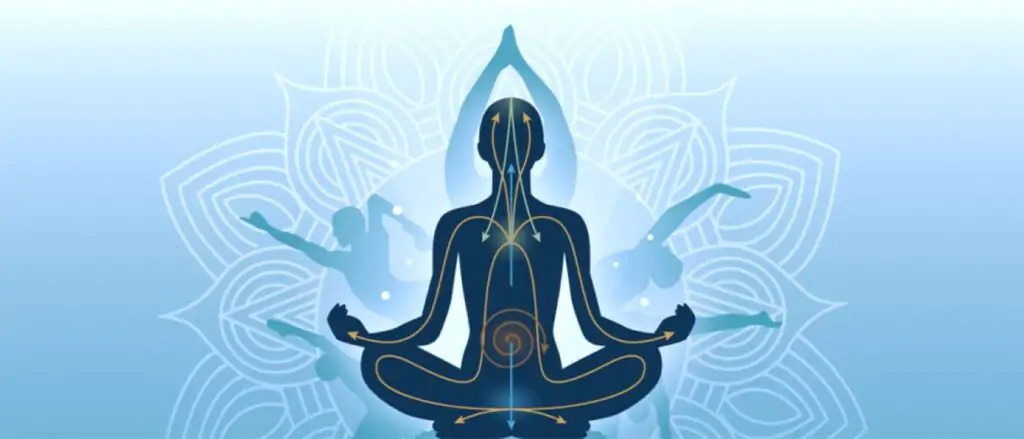
The Three Bodies and Prana Flow
To truly grasp the prana definition, we need to understand the yogic concept of the three bodies:
- Physical Body (Sthula Sharira): Your tangible, material form
- Astral Body (Sukshma Sharira): Your energy body where prana flows
- Causal Body (Karana Sharira): Your spiritual essence
Prana circulates primarily through your astral or energy body via subtle pathways called nadis. These energy channels work similarly to how blood vessels transport blood throughout your physical body, except they carry life force energy instead.
Where Does Prana Come From?
Unlike ordinary energy sources, prana is pervasive and multidimensional. You absorb this vital force through:
- Breath: The primary method through which we take in prana
- Food: Wholesome, fresh foods contain higher prana
- Water: Pure, clean water carries vital energy
- Sunlight: Solar energy nourishes our energy body
- Nature: Time spent outdoors replenishes our vital force
- Yogic practices: Breathwork, meditation, and asana enhance prana flow
Understanding these sources helps you make conscious choices to increase your overall vitality and wellbeing.
The Five Vital Energies: Understanding the Vayus
The term “vayu” means “wind” in Sanskrit, reflecting how these energies move and flow throughout your being. Ancient yogis discovered that prana manifests in five primary movements or functions, each governing different areas and activities of your body-mind system.
When these five vital energies function harmoniously, you experience optimal health, mental clarity, and spiritual awakening. When they become imbalanced, you may notice physical discomfort, emotional turbulence, or mental fog.
Let’s explore each of these five vital energies in detail.
1. Udana Vayu: The Ascending Energy
Location: Above the heart, especially in the throat and head regions
Primary Functions:
- Speech and communication
- Upward movement and growth
- Expression and self-realization
- Energy and enthusiasm
- Spiritual ascension
Udana vayu represents the upward-moving current of energy that enables you to express yourself authentically. This vital force governs not just physical speech but also your ability to articulate thoughts, communicate emotions, and share your truth with the world.
Signs of Balanced Udana Vayu:
- Clear, confident communication
- High energy levels
- Positive outlook
- Good memory and concentration
- Strong sense of purpose
Signs of Imbalanced Udana Vayu:
- Difficulty expressing yourself
- Low energy and fatigue
- Poor communication skills
- Lack of motivation
- Feeling disconnected from your purpose
How to Increase Udana Vayu:
- Spend time in natural sunlight, especially in the morning
- Practice neck and shoulder stretches
- Engage in shoulder stands and headstands (if appropriate for your practice)
- Eat nourishing, energy-rich foods
- Practice throat chakra meditations
- Chant mantras to activate the throat region
2. Prana Vayu: The Receiving Energy
Location: Heart center and chest region, between the diaphragm and throat
Primary Functions:
- Respiration and oxygen circulation
- Intake and reception of energy
- Heartbeat regulation
- Sensory perception
- Forward momentum in life
Despite sharing the same name as the overall life force, prana vayu is one specific vital energy among the five. This subtle distinction is important: while “prana” refers to all life force energy, “prana vayu” specifically governs your capacity to receive and draw in energy from your environment.
Signs of Balanced Prana Vayu:
- Smooth, effortless breathing
- Healthy cardiovascular function
- Open, receptive attitude
- Strong immune system
- Vitality and aliveness
Signs of Imbalanced Prana Vayu:
- Breathing difficulties
- Anxiety or fear
- Feeling overwhelmed by life
- Respiratory issues
- Closed-off emotional state
How to Increase Prana Vayu:
- Practice pranayama techniques, especially Ujjayi Breath and Nadi Shodhana (alternate nostril breathing)
- Perform heart-opening yoga postures like Cobra, Camel, and Fish poses
- Practice chest-expanding inversions
- Perform Jala Neti nasal cleansing (part of Shat Kriyas)
- Spend time in fresh air and natural environments
- Practice gratitude and receptivity meditation
The connection between prana vayu and the Chakras, particularly the Anahata (heart chakra), cannot be overstated. When this vital energy flows freely, your heart center opens, allowing you to give and receive love more fully.
3. Samana Vayu: The Balancing Energy
Location: Navel region and solar plexus, between the heart and pelvis
Primary Functions:
- Digestion and metabolism
- Nutrient assimilation and distribution
- Discernment and decision-making
- Processing experiences (physical and mental)
- Inner balance and equilibrium
Samana vayu acts as the great equalizer in your energy system. Just as it breaks down food into usable nutrients, it also helps you process and integrate life experiences, knowledge, and emotions.
Signs of Balanced Samana Vayu:
- Strong digestive fire (agni)
- Efficient metabolism
- Clear decision-making ability
- Balanced emotions
- Ability to learn and integrate new information
Signs of Imbalanced Samana Vayu:
- Digestive issues (bloating, indigestion, irregular bowel movements)
- Inability to make decisions
- Difficulty processing emotions
- Poor nutrient absorption
- Feeling scattered or unfocused
How to Increase Samana Vayu:
- Practice core-strengthening yoga poses (boat pose, plank variations)
- Perform twisting asanas to stimulate digestion
- Practice Kapalabhati breathing
- Eat mindfully without distractions
- Follow regular meal times
- Include digestive spices in your diet (ginger, cumin, fennel)
- Practice mindful eating meditation
4. Apana Vayu: The Grounding Energy
Location: Pelvic region, below the navel
Primary Functions:
- Elimination and detoxification
- Downward and outward movement
- Grounding and stability
- Reproductive functions
- Letting go and release
Apana vayu governs all eliminative processes in your body, from urination and defecation to menstruation and even sweating. Beyond physical elimination, this vital energy also governs your ability to release what no longer serves you emotionally and mentally.
Signs of Balanced Apana Vayu:
- Regular elimination
- Feeling grounded and stable
- Healthy reproductive function
- Ability to let go of the past
- Strong connection to earth energy
Signs of Imbalanced Apana Vayu:
- Constipation or irregular elimination
- Feeling ungrounded or spacey
- Reproductive issues
- Inability to release old patterns
- Lower back pain
How to Increase Apana Vayu:
- Practice grounding yoga poses (Mountain pose, Warrior poses, squats)
- Perform forward folds and hip-opening postures
- Practice Kapalabhati (Skull Shining Breath)
- Walk barefoot on natural surfaces
- Eat earthy, grounding foods (root vegetables, whole grains, sweet potatoes)
- Practice root chakra meditation
- Spend time in nature
5. Vyana Vayu: The Integrating Energy
Location: Permeates the entire body, moving from the center outward
Primary Functions:
- Circulation of blood and nutrients
- Lymphatic drainage
- Coordination and movement
- Distribution of all other vayus
- Integration of all bodily systems
Vyana vayu is the master coordinator, ensuring that all other vital energies work in harmony. It distributes energy throughout your entire system, much like a conductor orchestrating a symphony. When vyana vayu is weak or imbalanced, all other vayus suffer as a consequence.
Signs of Balanced Vyana Vayu:
- Good circulation
- Coordinated, graceful movement
- Healthy complexion
- Strong immune function
- Integrated mind-body connection
Signs of Imbalanced Vyana Vayu:
- Poor circulation
- Clumsy or uncoordinated movement
- Pale or dull skin
- Frequent illness
- Disconnection between mind and body
How to Increase Vyana Vayu:
- Drink plenty of pure water throughout the day
- Practice flowing yoga sequences (Vinyasa)
- Perform standing poses that expand energy into the limbs
- Practice full-body stretches
- Engage in walking meditation
- Perform lymphatic massage or dry brushing
- Practice pranayama that emphasizes retention
The Interconnection of the Five Vital Energies
While we’ve explored each vayu individually, it’s essential to understand that these five vital energies don’t operate in isolation. They form an integrated, dynamic system where balance in one supports balance in all others.
Think of the vayus like five instruments in an orchestra. Each has its unique sound and role, yet together they create harmonious music. When one instrument is out of tune, it affects the entire performance.
This interconnection means that:
- Improving prana vayu (reception) helps you draw in more energy for all other vayus
- Balancing samana vayu (digestion) ensures better nutrient distribution through vyana vayu
- Strengthening apana vayu (grounding) provides stability for udana vayu (ascension)
Practical Ways to Balance Your Vital Energies
Now that you understand the prana definition and the five vayus, here are integrative practices to harmonize all these vital energies:
Daily Pranayama Practice
Dedicate 10-15 minutes each morning to conscious breathing:
- Start with Nadi Shodhana (alternate nostril breathing) to balance the entire system
- Practice Ujjayi Breath to strengthen prana vayu
- Finish with Kapalabhati to energize and cleanse
Mindful Movement
Create a balanced asana practice that addresses all five vayus:
- Grounding poses (forward folds, hip openers) for apana vayu
- Core work (twists, boat pose) for samana vayu
- Heart openers (backbends, chest expansions) for prana vayu
- Shoulder and neck work for udana vayu
- Standing poses and flowing sequences for vyana vayu
Energy Awareness Meditation
Spend 10 minutes each day scanning your body and sensing the movement of energy:
- Sit comfortably and close your eyes
- Bring awareness to each region associated with the vayus
- Notice any blockages, stagnation, or excessive energy
- Breathe into areas that need attention
- Visualize energy flowing freely throughout your entire system
Lifestyle Adjustments
- Diet: Choose fresh, high-prana foods; eat mindfully
- Sleep: Maintain regular sleep-wake cycles
- Nature: Spend time outdoors daily
- Cleansing: Practice Shat Kriyas (yogic cleansing techniques) regularly
- Stress Management: Incorporate meditation and relaxation techniques
Connection to the Chakra System
The five vital energies have an intimate relationship with your Chakras (energy centers). Understanding this connection deepens your ability to work with both systems:
- Root Chakra (Muladhara): Primarily influenced by apana vayu
- Sacral Chakra (Svadhisthana): Connected to apana and samana vayus
- Solar Plexus Chakra (Manipura): Governed by samana vayu
- Heart Chakra (Anahata): Seat of prana vayu
- Throat Chakra (Vishuddha): Dominated by udana vayu
- Third Eye and Crown Chakras: Influenced by udana vayu
When you balance your vital energies, you simultaneously harmonize your chakra system, creating a powerful foundation for spiritual growth and self-realization.
Signs Your Prana Is Strong and Balanced
How do you know if your vital energies are functioning optimally? Look for these indicators:
Physical Signs:
- Vibrant energy throughout the day
- Strong, efficient digestion
- Regular elimination
- Healthy, radiant skin
- Deep, restful sleep
- Robust immune function
Mental Signs:
- Mental clarity and focus
- Emotional stability
- Quick learning and good memory
- Creativity and inspiration
- Clear decision-making
Spiritual Signs:
- Sense of connection to something greater
- Deeper meditation experiences
- Increased intuition
- Feeling of purpose and meaning
- Inner peace and contentment
Common Obstacles to Prana Flow
Several factors can obstruct the free flow of vital energy through your system:
- Poor Breathing Habits: Shallow, unconscious breathing limits prana intake
- Sedentary Lifestyle: Lack of movement creates energy stagnation
- Processed Foods: Low-prana foods deplete your energy reserves
- Chronic Stress: Sustained tension blocks energy channels
- Negative Thinking: Mental patterns create energetic blockages
- Environmental Toxins: Pollution reduces available prana
- Lack of Sleep: Insufficient rest depletes vital energy
Recognizing these obstacles is the first step toward removing them and restoring optimal energy flow.
Advanced Practices for Working with Prana
Once you’ve established a foundation in basic pranayama and asana, you can explore more advanced techniques:
Bandhas (Energy Locks)
Learn to engage Mula Bandha (root lock), Uddiyana Bandha (abdominal lock), and Jalandhara Bandha (throat lock) to direct and contain prana more effectively.
Visualization Techniques
Practice visualizing the flow of prana through specific pathways, enhancing your ability to direct energy consciously.
Extended Retention
Gradually increase breath retention (kumbhaka) to build your capacity to hold and assimilate prana.
Mantra Practice
Use specific mantras to activate different vayus and energy centers.
FAQ: Prana Definition and the 5 Vital Energies
Prana is the vital life force energy that animates all living beings. It powers your breath, thoughts, movements, and all bodily functions. You can think of it as the invisible energy that makes the difference between a living body and a lifeless one.
The 7 Chakras are energy centers located at specific points in your body, while the 5 vayus are movements or functions of prana throughout your system. Chakras are like stations where energy concentrates, whereas vayus are the dynamic flows of energy performing different functions. They work together as complementary systems.
While basic breathing techniques like deep abdominal breathing are generally safe for self-practice, more advanced pranayama practices like prolonged breath retention should ideally be learned from a qualified teacher. Start with simple techniques and gradually progress under guidance.
Many people notice immediate effects like increased calmness or energy after even a single session. However, deeper transformations in your vital energy system typically become apparent after consistent daily practice for 3-4 weeks.
Early morning, ideally before sunrise, is considered the optimal time for pranayama practice when the air is fresh and prana is most abundant. However, the best time is ultimately when you can practice consistently. Evening practice can also be beneficial for calming the nervous system before sleep.
Conclusion: Awakening Your Vital Energy
Understanding the prana definition and the five vital energies opens a doorway to profound transformation. These subtle forces constantly work within you, governing every aspect of your physical, mental, and spiritual existence.
By bringing conscious awareness to your vital energies and implementing practices to balance them, you gain access to:
- Enhanced physical health and vitality
- Greater mental clarity and emotional stability
- Deeper spiritual connection and purpose
- Increased resilience to stress
- More fulfilling relationships and life experiences
Remember, working with prana is not about forcing or controlling energy. It’s about removing obstacles, creating optimal conditions, and allowing your innate life force to flow naturally and abundantly.
Start today with simple practices: conscious breathing, mindful movement, and present-moment awareness. As you cultivate relationship with your vital energy, you’ll discover an inexhaustible source of vitality, wisdom, and joy residing within you.
The journey into prana is the journey into life itself. May your exploration of these vital energies bring you vibrant health, clear insight, and profound awakening.