When life feels overwhelming and your body carries the weight of accumulated stress, finding a practice that honors both stillness and depth becomes essential. Yin yoga sequences offer exactly that—a sanctuary of slow, intentional movement designed to nourish your body from the inside out.
Unlike the dynamic flows you might encounter in other styles, these carefully crafted sequences invite you to pause, breathe, and let gravity do the healing work. Whether you’re stepping onto your mat for the first time or seeking to deepen an existing practice, understanding how to structure and flow through these passive poses can transform not just your flexibility, but your entire relationship with movement and rest.
Understanding the Foundation: What Makes Yin Yoga Sequences Unique
Before diving into specific sequences, it’s worth exploring what sets this practice apart. In an Intro to Yin Yoga, you’ll discover that this style emphasizes long-held postures, typically ranging from three to five minutes, sometimes extending even longer. This duration allows your body to access deeper connective tissues—the fascia, ligaments, and tendons that rarely receive attention in more muscular-focused practices.
The beauty of these sequences lies in their simplicity and their power. Each pose becomes a mini-meditation, an opportunity to observe sensations without judgment, to breathe into tightness, and to cultivate patience. You’re not pushing or forcing; you’re surrendering and allowing.
The Philosophy Behind Sequencing
Creating effective yin yoga sequences requires thoughtful consideration of several factors. Unlike vinyasa flows where transitions happen breath by breath, here you’re building a journey through stillness. Teachers typically consider:
- Target areas: Which parts of the body need attention (hips, spine, shoulders)
- Energy meridians: Following Traditional Chinese Medicine principles
- Emotional release: Recognizing that hip openers and deep stretches can unlock stored emotions
- Balance: Ensuring both sides of the body receive equal attention
- Progression: Moving from gentle to deeper stretches as tissues warm
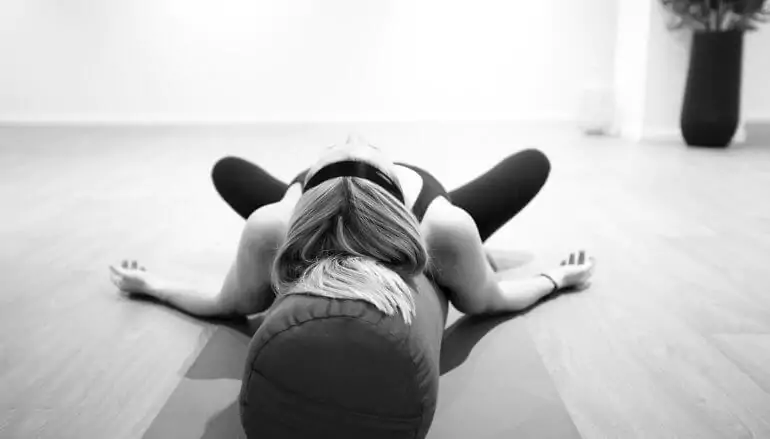
When comparing Yin vs Restorative practices, remember that while both emphasize relaxation, yin yoga applies moderate stress to connective tissues, whereas restorative yoga focuses purely on nervous system calming with full body support.
Essential Elements Every Sequence Should Include
Every well-designed practice follows a natural arc that prepares your body, deepens the work, and brings you back to balance. Here’s what makes a complete experience:
Opening and Centering (5-7 minutes)
Begin with a brief meditation or gentle breathing exercise. This transition from your busy day into practice sets the tone for everything that follows. Simple seated stretches or a supported Child’s Pose help you arrive fully on your mat.
Main Sequence (40-60 minutes)
The heart of your practice contains the deeper held poses. These typically focus on one or two body regions, allowing for thorough exploration. Common target areas include:
- Hip Openers: Butterfly, Dragon, Sleeping Swan
- Spinal health: Caterpillar, Sphinx, Seal
- Upper body: Melting Heart, Thread the Needle
- Twists: Reclining Twist, Shoelace with twist
Counterposes and Neutralizers (10-15 minutes)
After deeper stretches, your body needs rebalancing. These shorter holds (1-2 minutes) or gentle movements allow tissues to reorganize. A simple spinal twist or legs-up-the-wall variation works beautifully here.
Savasana (7-10 minutes)
Never rush this final rest. Your body integrates all the work done during practice in these precious minutes of stillness.
Beginner-Friendly Yin Yoga Sequences
If you’re new to this style, start with these accessible sequences that build confidence while offering genuine benefits.
30-Minute Gentle Hip Opening Sequence
Perfect for those sitting at desks all day, this sequence releases lower body tension:
- Butterfly Pose (4 minutes): Opens inner thighs and groin
- Half Butterfly (3 minutes each side): Targets hamstrings and lower back
- Dragon Pose (4 minutes each side): Deep hip flexor stretch
- Reclining Twist (3 minutes each side): Releases spine and neutralizes hips
- Savasana (5 minutes): Complete integration
Props needed: Blocks, bolster or pillows, blanket
Teaching tip: When Teaching Yin Yoga to beginners, emphasize that feeling sensation is different from feeling pain. Encourage students to find their “edge”—that place between too much and not enough.
45-Minute Stress Relief Sequence
This calming practice soothes frazzled nerves and promotes deep relaxation:
- Child’s Pose (4 minutes): Grounds and centers
- Supported Bridge (5 minutes): Opens chest, calms anxiety
- Caterpillar (5 minutes): Releases hamstrings and spine
- Sphinx to Seal (3 minutes each): Gentle backbend progression
- Supine Twist (4 minutes each side): Detoxifies and releases
- Legs Up the Wall (7 minutes): Reverses blood flow, deeply restorative
- Savasana (8 minutes): Full nervous system reset
Intermediate Yin Yoga Sequences
Once you’ve established a foundation, these sequences offer deeper exploration and challenge.
60-Minute Full Body Flow
This comprehensive practice touches every major area:
- Ankle Stretch (2 minutes): Often overlooked, opens feet and ankles
- Saddle Pose (5 minutes): Intense quadriceps and hip flexor opener
- Bananasana (4 minutes each side): Side body stretch, reaches intercostal muscles
- Square Pose (5 minutes each side): External hip rotation, intense but rewarding
- Sleeping Swan (5 minutes each side): Deep hip opener, releases psoas
- Caterpillar (5 minutes): Forward fold for hamstrings and back
- Dragonfly (5 minutes): Wide-legged forward fold, adductor stretch
- Melting Heart (4 minutes): Shoulder and thoracic spine opener
- Reclining Twist (3 minutes each side): Spinal rotation and integration
- Savasana (10 minutes): Extended rest for deeper practice
75-Minute Meridian Flow Sequence
Designed following energy pathways from Traditional Chinese Medicine:
Kidney and Bladder Meridians (Lower back and legs)
- Child’s Pose (3 minutes)
- Caterpillar (5 minutes)
- Half Butterfly (4 minutes each side)
- Dragonfly (6 minutes)
Liver and Gallbladder Meridians (Hips and side body) 5. Dragon (5 minutes each side) 6. Bananasana (4 minutes each side) 7. Deer Pose (4 minutes each side)
Spleen and Stomach Meridians (Front body) 8. Saddle (6 minutes) 9. Supported Bridge (4 minutes)
Heart and Lung Meridians (Chest and arms) 10. Melting Heart (5 minutes) 11. Supine Twist (3 minutes each side) 12. Savasana (10 minutes)
Therapeutic Yin Yoga Sequences
These specialized sequences address specific conditions and concerns.
Lower Back Pain Relief (50 minutes)
Chronic back pain responds beautifully to consistent yin practice:
- Supported Child’s Pose (4 minutes): Gently releases lower back
- Sphinx (4 minutes): Strengthens back while stretching abdomen
- Caterpillar (5 minutes): Counter-pose for spine
- Reclining Figure Four (4 minutes each side): Releases piriformis
- Happy Baby (3 minutes): Gentle hip and back release
- Supported Bridge (5 minutes): Opens hip flexors, releases lower back
- Reclining Twist (4 minutes each side): Spinal rotation and release
- Legs Up the Wall (6 minutes): Decompresses spine completely
- Savasana (7 minutes)
Better Sleep Sequence (40 minutes)
Practice this before bed for improved sleep quality:
- Butterfly (5 minutes): Calms nervous system
- Supported Forward Fold (5 minutes): Activates parasympathetic response
- Reclining Bound Angle (6 minutes): Opens hips, releases groin
- Supine Twist (4 minutes each side): Gentle detox and release
- Legs Up the Wall (8 minutes): Reverses daytime compression
- Supported Savasana (8 minutes): Full relaxation with blanket
Digestive Health Sequence (45 minutes)
Gentle compression and twisting support Digestion and gut health:
- Child’s Pose (3 minutes): Gentle abdominal compression
- Sphinx to Seal (3 minutes each): Stimulates digestive organs
- Reclining Butterfly (5 minutes): Opens lower abdomen
- Supine Knee to Chest (2 minutes each side): Gentle compression
- Supine Twist (4 minutes each side): Massages intestines
- Happy Baby (3 minutes): Releases tension around digestive organs
- Legs Up the Wall (6 minutes): Improves circulation to abdomen
- Wind-Relieving Pose (3 minutes): Direct digestive support
- Savasana (8 minutes)
Creating Your Personal Practice
While following established sequences provides structure, eventually you’ll want to craft sequences that speak to your unique needs.
Listening to Your Body
Pay attention to which areas consistently feel tight or restricted. Your body communicates what it needs through sensation. If your hips always feel compressed after sitting, prioritize hip-opening sequences. If your shoulders carry stress, focus there.
Seasonal Considerations
Your practice can shift with the seasons:
- Winter: Deeper, longer holds; more restorative poses
- Spring: Hip openers and twists for renewal and cleansing
- Summer: Cooling practices with less intensity
- Fall: Grounding sequences focusing on hips and legs
Time Management
Not every practice needs to be 90 minutes. Quality matters more than duration:
- 15-20 minutes: 3-4 poses held longer
- 30 minutes: 5-6 poses with brief transitions
- 45-60 minutes: 8-10 poses with complete opening and closing
- 90+ minutes: Full therapeutic sequences with extended savasana
Working with Props: Enhancing Your Sequences
Props aren’t crutches—they’re tools for finding sustainable edge and comfort in longer holds.
Essential Props and Their Uses
Bolsters: Support forward folds, provide elevation in twists, cushion knees Blocks: Adjust height in seated poses, support hands in Dragon variations Blankets: Cushion joints, provide warmth in savasana, fold for neck support Straps: Extend reach in forward folds, bind in reclined poses Wall: Support for inversions, alignment reference, resistance for some poses
Prop Modifications for Common Poses
Butterfly: Place blocks under knees if hips are tight Dragon: Blanket under back knee, blocks under hands for support Saddle: Bolster behind back for gentler version, blocks to sit on if needed Caterpillar: Bolster on legs to reduce intensity, blocks under head
Common Mistakes to Avoid in Sequencing
Even experienced practitioners can fall into these traps:
Rushing the Holds
The magic happens in minutes three to five. Don’t shortchange yourself by holding for only two minutes. Set a timer and commit to the full duration.
Ignoring Counterposes
After deep hip work, your body needs gentle spinal twists or opposite hip movements. Skipping these can leave you feeling unbalanced.
Practicing in Cold Environments
Yin yoga requires warm muscles and tissues. Practice in a comfortably warm room and consider light clothing layers.
Forcing Depth
This isn’t about achieving “perfect” form. It’s about finding appropriate sensation that you can sustain. Back off if you’re holding your breath or tensing unnecessarily.
Skipping Savasana
This final pose integrates everything. Without it, you’re leaving the most valuable part on the table.
Advanced Sequencing Principles
For those ready to deepen their understanding:
Energetic Sequencing
Consider chakras or energy centers when building sequences:
- Root chakra: Hip openers, grounding poses
- Sacral chakra: Hip flexor work, pelvic area focus
- Solar plexus: Core compression, mild twists
- Heart chakra: Chest openers, upper back work
- Throat chakra: Neck releases, supported shoulder stands
- Third eye/Crown: Inversions, meditation
Myofascial Release Patterns
Understanding fascial lines helps create more effective sequences:
- Superficial back line: Caterpillar, Dangling, Seal
- Superficial front line: Saddle, Sphinx, Reclining Hero
- Lateral line: Bananasana, Gate Pose variation
- Spiral line: Twists, asymmetrical poses
Building Peak Sequences
Structure your practice toward a peak pose:
- Warm up related areas
- Build intensity gradually
- Hold peak pose
- Counter and neutralize
- Integrate and rest
Example for Sleeping Swan peak:
- Ankle stretch
- Dragon (both sides)
- Half Butterfly
- Sleeping Swan (peak)
- Reclining twist
- Savasana
Sample Weekly Practice Schedule
Consistency matters more than intensity. Here’s a balanced weekly approach:
Monday: 45-minute hip opening sequence (recover from weekend sitting) Wednesday: 60-minute full body flow (midweek reset) Friday: 30-minute stress relief (end work week) Sunday: 75-minute therapeutic or meridian sequence (prepare for week ahead)
Adjust based on your schedule, but aim for at least three sessions weekly for noticeable benefits.
Frequently Asked Questions
Most practitioners find benefit in holding poses between three to five minutes. Beginners might start with two to three minutes and gradually extend duration as their bodies adapt. Advanced practitioners sometimes hold poses for eight to ten minutes, though this requires significant experience and body awareness.
Yes, though your body may benefit from variety. Consider alternating between different sequences targeting various body areas, or mix yin practice with more active yang styles for balance. Listen to your body—some days might call for gentle 20-minute practices, while others support longer sessions.
While both emphasize relaxation and longer holds, yin sequences apply moderate stress to connective tissues to promote flexibility and strength. Restorative sequences use extensive props to fully support your body weight with zero muscular engagement, focusing purely on nervous system calming and recovery.
This depends on your goals. Practicing yin after active yang styles allows already-warmed tissues to stretch more safely and deeply. However, some practitioners enjoy yin before yang to center themselves and bring mindfulness to more dynamic movement. Experiment to find what serves you best.
Sharp, sudden, or shooting pain is your body’s clear signal to ease out immediately. The sensation you’re seeking feels more like a dull, spreading stretch that you can breathe into. Never push through pain. Instead, use props, reduce depth, or choose a different variation.
Taking Your Practice Forward
The journey with yin yoga sequences is deeply personal and continually evolving. What works for you today might shift tomorrow, and that’s perfectly normal. The practice teaches not just physical flexibility but mental adaptability—learning to meet yourself exactly where you are, without judgment.
Whether you’re drawn to this practice for physical release, emotional processing, or simply a respite from life’s constant motion, these sequences offer a pathway inward. Start where you are, use props generously, honor your body’s signals, and trust the process.
The beauty of yin yoga lies not in achieving specific shapes but in cultivating presence, patience, and self-compassion. As you develop your practice, you’ll likely notice benefits extending far beyond your mat—improved sleep, reduced anxiety, better body awareness, and a more balanced nervous system.
Consider keeping a simple practice journal to track which sequences resonate most, how your body responds over time, and any insights that arise during longer holds. This documentation becomes a valuable resource for understanding your patterns and progress.
Ready to begin? Roll out your mat, gather your props, set a timer, and surrender into stillness. Your body already knows what it needs—the sequences simply provide structure for listening.